

Vintage French Drawers
Vintage french drawers span centuries of provincial and chateau craftsmanship, offering substantial storage paired with distinctive regional character.
Vintage French Drawers
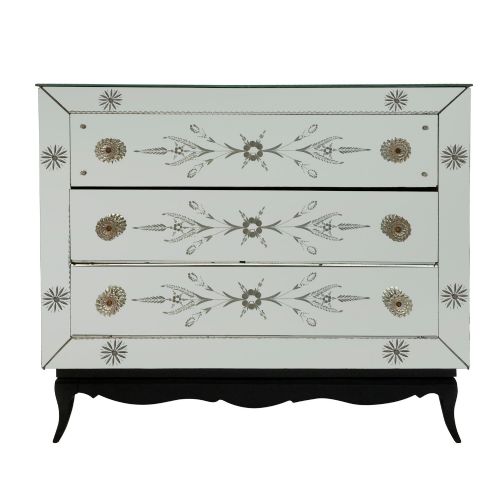
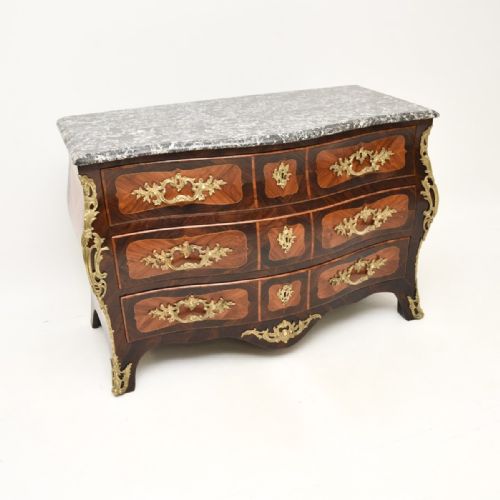
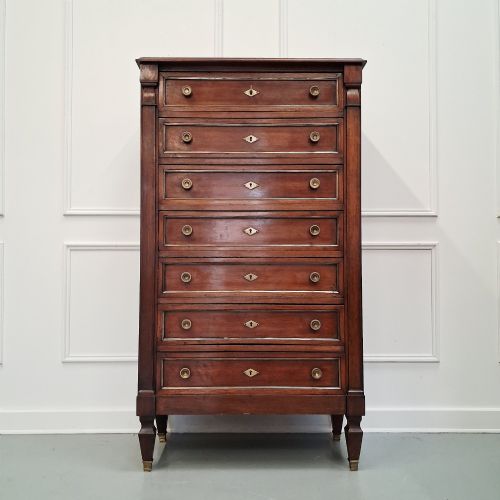
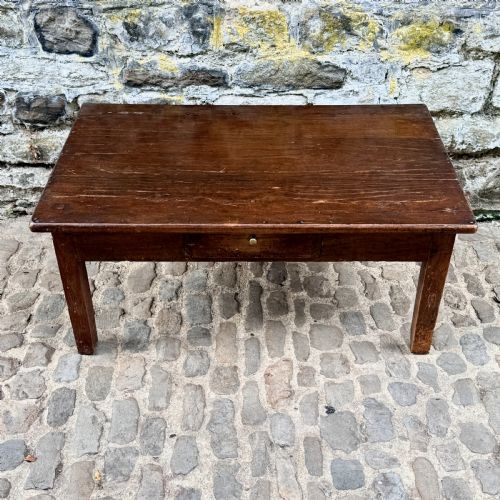
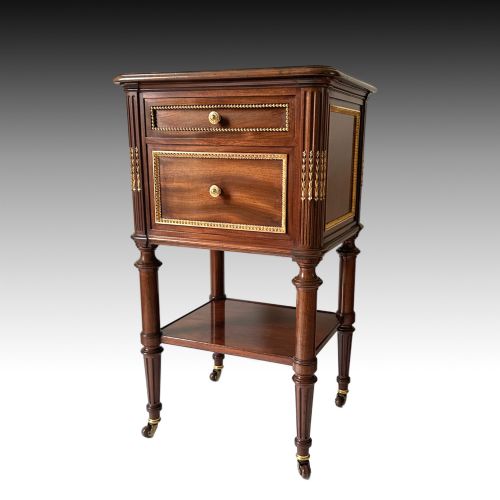
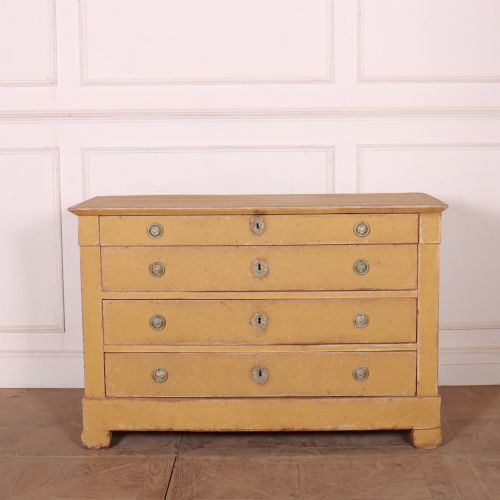
Vintage french drawers encompass a diverse range of storage forms, predominantly appearing as commodes, chests of drawers, and bedside cabinets. These pieces bridge several distinct design movements, stretching from eighteenth-century provincial work to twentieth-century art deco.
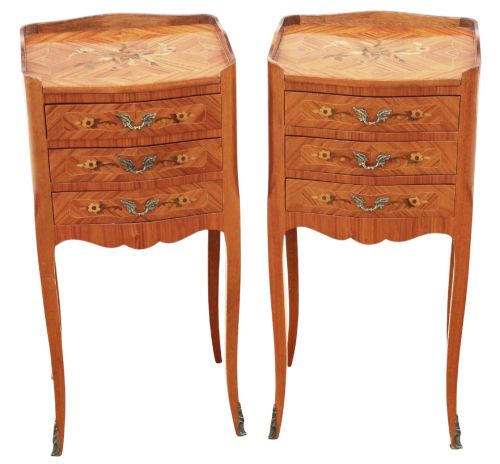
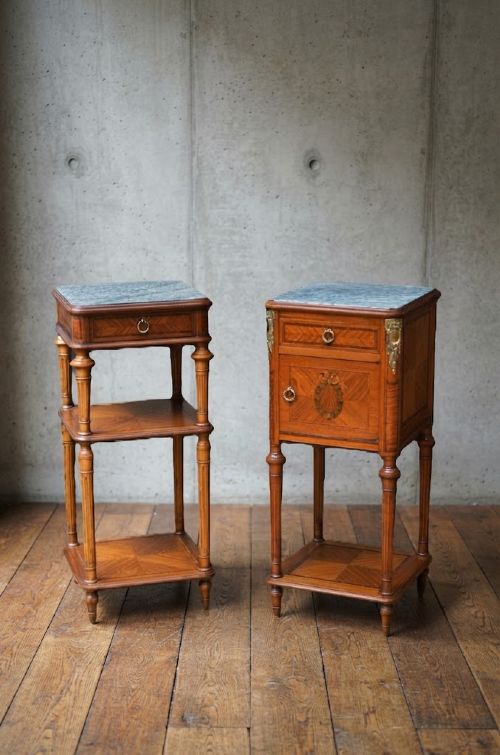
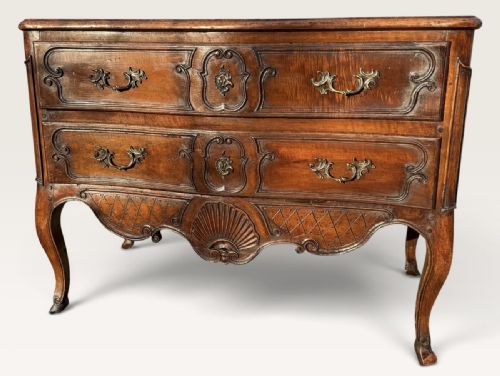
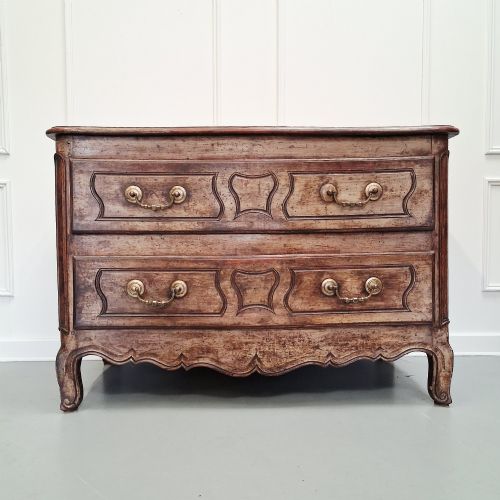
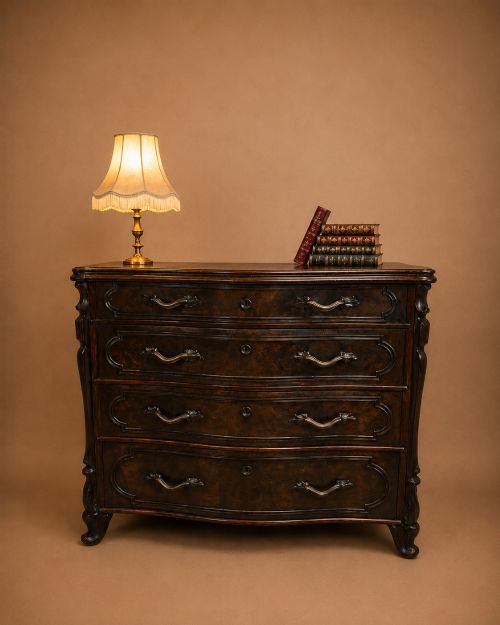
The pieces on this page emerge from varied regional traditions, including rustic farmhouse interpretations and elaborate revival styles. Buyers frequently encounter commodes featuring serpentine fronts alongside matched pairs of bedside tables.
Originating across different periods from the seventeen-fifties onward, these items display construction methods tied to their specific era. Walnut, oak, and mahogany form the primary structural timbers across the selection.
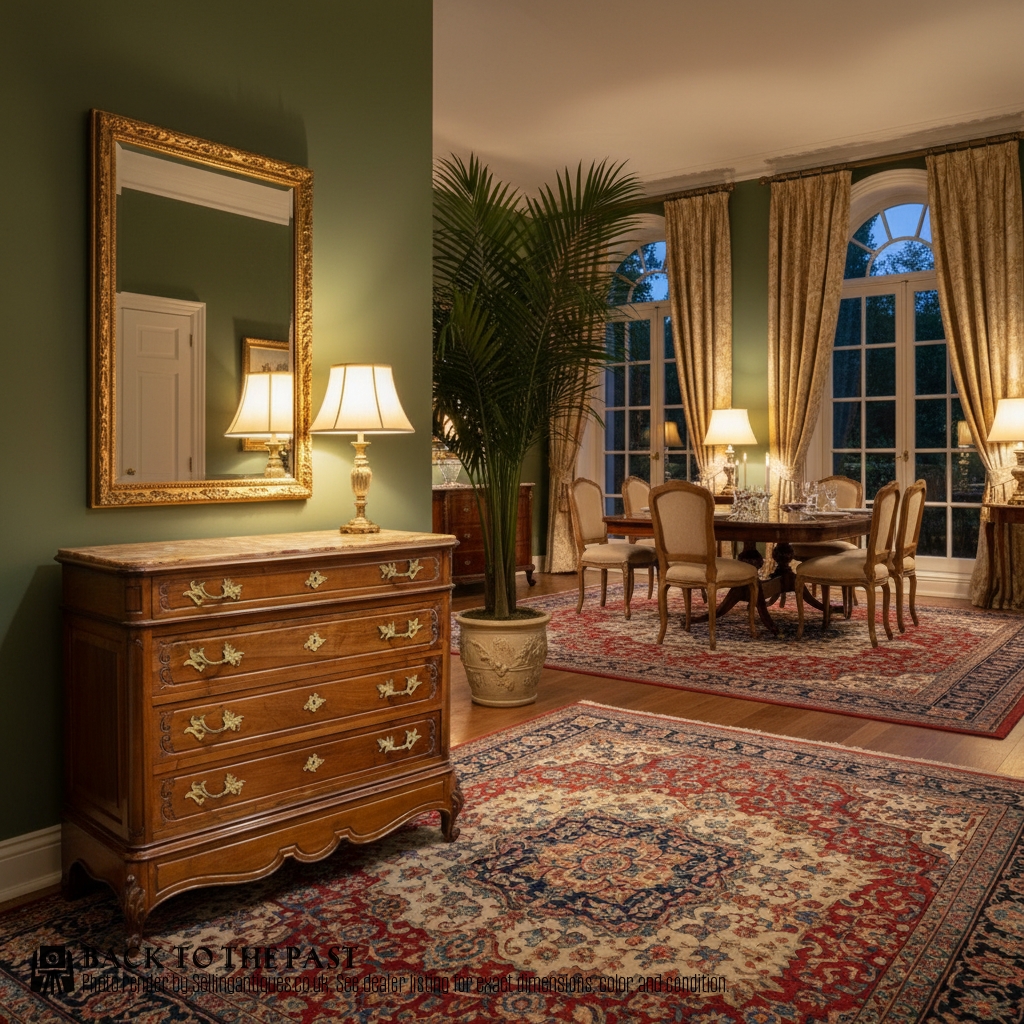
Materials and construction methods
Cabinetmakers utilised hardwoods such as walnut, oak, mahogany, fruitwood, and satinwood for the primary carcases and drawer construction. Marquetry and parquetry patterns incorporate contrasting timbers to create geometric or floral surface designs.
Marble tops in shades of grey and rouge frequently cap the wooden carcases, particularly on commodes and bedside cabinets. Cast bronze and ormolu mounts accent key areas, while brass hardware serves drawer pulls and key escutcheons.
Vintage French Drawers Retail Price Guide 2026
Typical asking prices for vintage french drawers among the pieces listed under this phrase on Sellingantiques today, from the lower quarter to the upper quarter. They describe what is for sale here now, not the wider market.
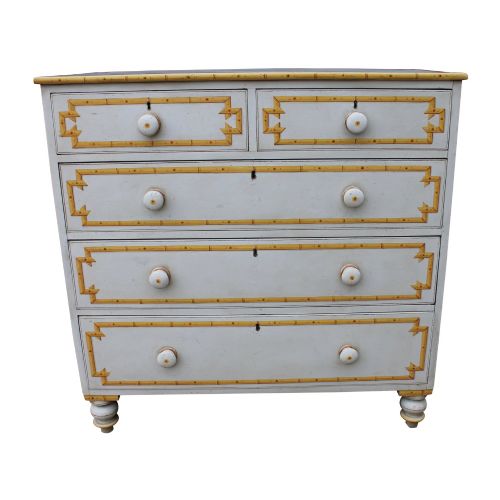
Several bedside cabinets masquerade as bamboo through clever paintwork, proving nineteenth-century french makers loved a convincing botanical impersonation.
Distinguishing quality variations
Quality separates along the precision of timber selection and the complexity of decorative work, such as detailed marquetry inlay versus plain wood surfaces. Master cabinetmakers employed sophisticated joinery and handled secondary woods with equal care to visible sections.
The integration of fitted marble tops and cast ormolu mounts dictates the tier of a piece, reflecting the workshop's original commission level. Finer examples maintain crisp carving definition and balanced proportions across serpentine or bombe profiles.
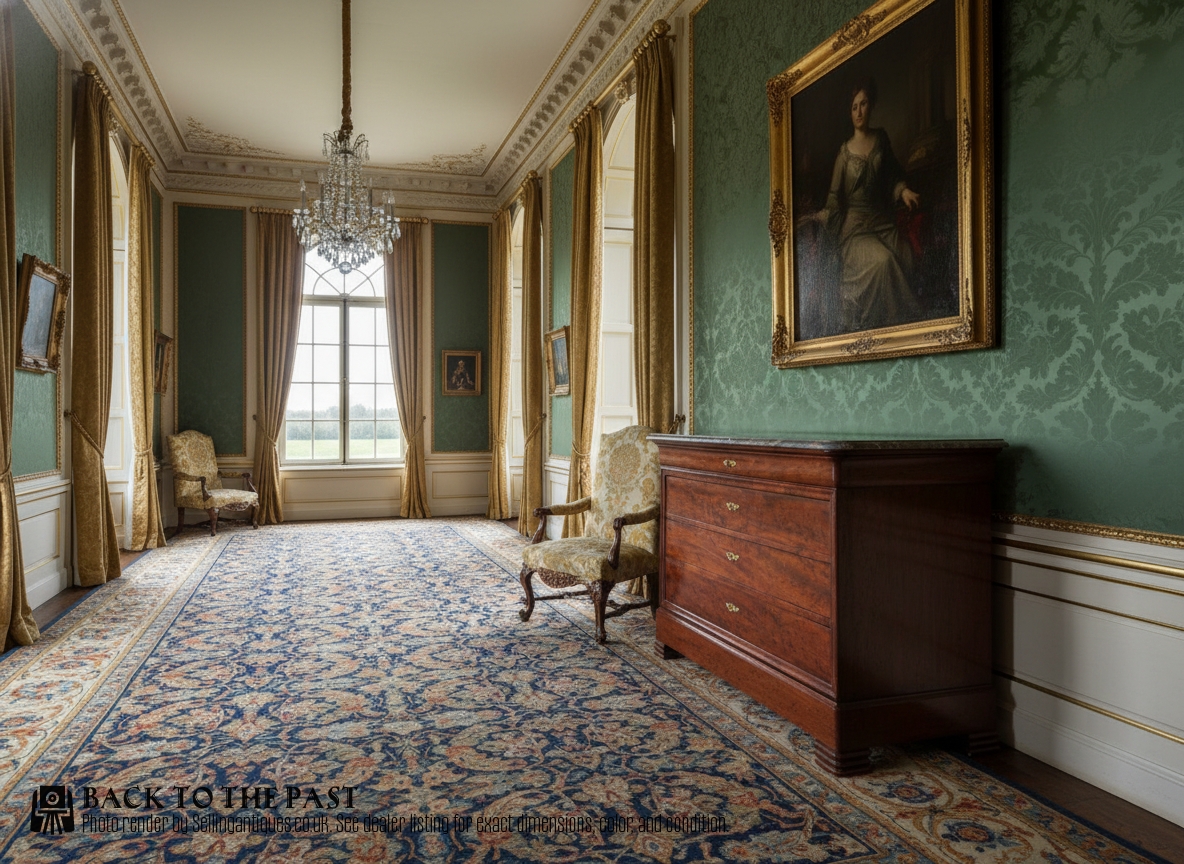
Jacques Bircklé
The Vintage French Drawers Glossary
- Commode
- A low chest of drawers or cabinet originating in France, often fitted with a marble top.
- Marquetry
- Decorative veneer work forming pictures or patterns using various coloured woods.
- Ormolu
- Gilt-bronze ornamentation applied to furniture mounts and decorative hardware.
- Serpentine
- A furniture front or top curving outward in the centre and inward at the ends.
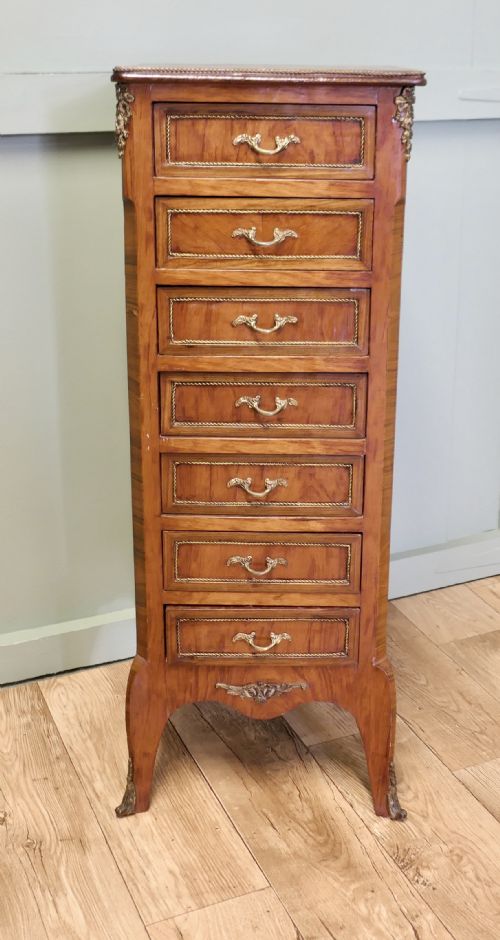
- Semainier
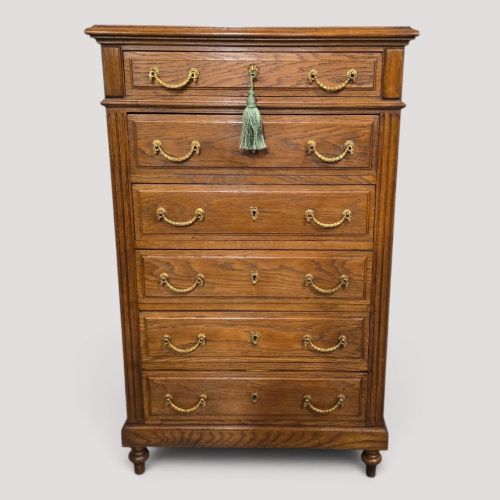
- A tall, narrow seven-drawer chest traditionally utilised for holding a week's worth of linen.
Vintage French Drawers: Frequently Asked Questions
What is a french commode?
A french commode functions primarily as a decorative chest of drawers designed for formal living spaces or bedrooms. These storage units typically sit lower to the ground than standard British chests.
Many examples incorporate shaped marble tops and elaborate wood veneers. They serve as central focal points in a room while providing practical enclosed storage.
How do I date a piece?
Dating relies upon examining construction techniques, timber choices, and stylistic markers associated with specific periods like the Louis XV or Art Deco eras. Secondary wood use and hand-cut dovetailing offer clear chronological clues.
Stylistic shifts from ornate provincial carving to clean geometric lines help narrow the manufacturing window. Hardware styles and marble thickness also provide supporting evidence for age.
How do I care for marble tops?
Marble surfaces require gentle cleaning with warm water and pH-neutral soap to avoid etching the stone. Harsh chemical cleaners strip the natural polish and damage the material.
Using coasters and placemats prevents staining from liquids and oils. Regular dusting keeps the porous surface clear of abrasive particles.
Where should I place bedside cabinets?
Bedside cabinets fit naturally beside a bed to hold lighting, books, and nighttime necessities. Matching pairs create symmetry in a bedroom layout.
Their compact footprints also allow them to function as small lamp tables in hallways or living rooms. The enclosed drawer space keeps smaller items neatly organised.