


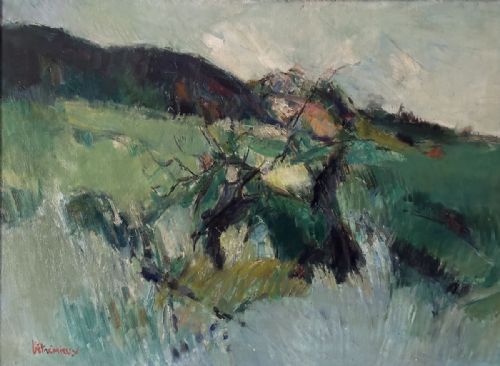


Vintage French Countryside Art
Vintage french countryside art captures rural life, rivers, and olive groves through oil paint on canvas from the nineteenth and twentieth centuries.
Vintage French Countryside Art
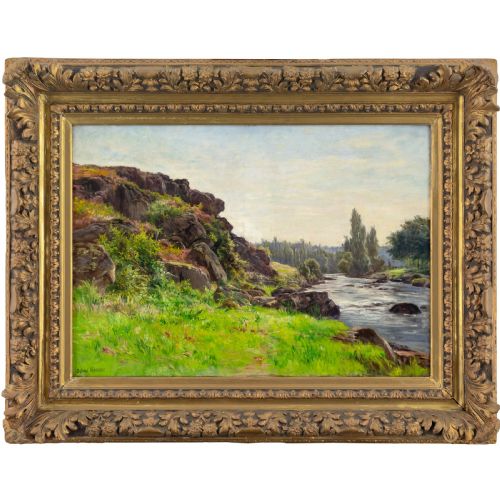
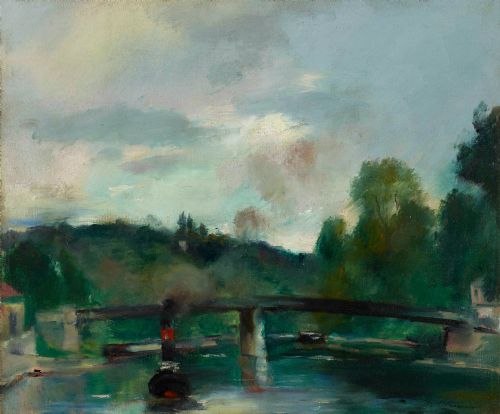
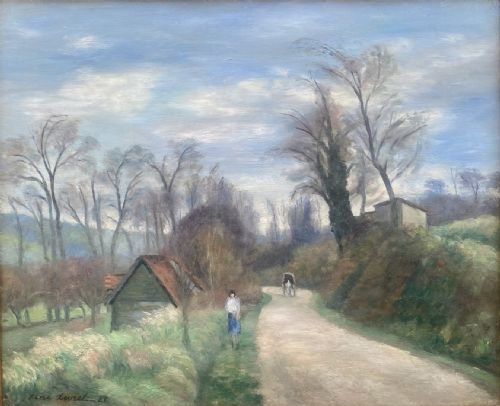
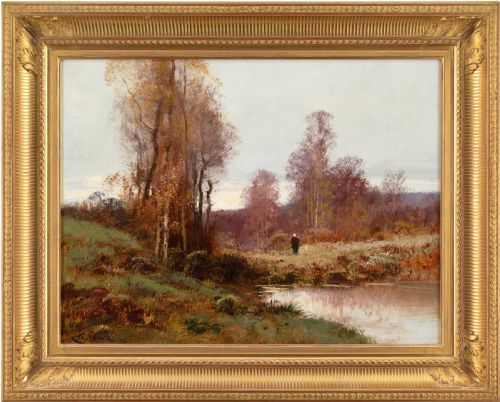
Vintage french countryside art encompasses oil paintings, drawings, and watercolours depicting rural scenes, farmhouses, rivers, and trees across various regional landscapes. Buyers seeking vintage french countryside art encounter works ranging from late nineteenth century academic pieces to mid twentieth century modernist interpretations.
What varies in quality
Quality rests upon the handling of light, atmospheric perspective, and brushwork vitality rather than mere age or canvas dimensions. Works demonstrating confident colour choices and assured composition stand apart from standard decorative cottage scenes.
The distinction lies in the artist's ability to convey movement in trees, the warmth of southern sunlight, or the texture of weathered stone and rustic farm buildings through pigment.
Listings span multiple decades from the Victorian era through the nineteen sixties, recording French Impressionism and Fauvism.
Gabriel Mathieu·Henri Ottmann·Rene Levrel·Charles Clair·Mario Pinetti·Henri Therme·Martin Lamotte·Charles Edmund Rene His
The Vintage French Countryside Art Glossary
- Oil on canvas
- Pigment suspended in drying oil applied to stretched woven fabric. This medium dominates the selection of landscape paintings.
- Gesso
- A plaster mix applied as a preparation layer for painting surfaces. It provides a smooth foundation for oil paint.
- Post-Impressionism
- An art movement extending impressionism while rejecting its limitations. Artists prioritised symbolic content and vivid colours over naturalistic depiction.
- Fauvism
- A style characterised by strong colours and painterly qualities over realistic values. Canvases in this mode display intense hues representing southern light.
- Gilt
- A thin layer of gold applied to wood picture frames. It enhances the visual presentation of nineteenth and twentieth century artworks.
Vintage French Countryside Art: Frequently Asked Questions
What subjects appear in vintage french countryside art?
Paintings display rural scenes including rivers, farmhouses, olive trees, orchards, and coastal paths. Figures such as washerwomen and horse carts also feature within the landscapes.
Settings shift from Normandy pastures and the Dauphiné to southern locales like Provence and Corsica. The views record everyday agricultural life and regional architecture.
How do I date a landscape painting?
Dating relies on stylistic clues, framing methods, stretcher construction, and signatures recorded on the canvas or board. Nineteenth century works often favour academic realism, while later decades introduce impressionist and fauvist palettes.
Inscribed dates on reverse inscriptions or artist signatures provide precise chronologies. Surviving exhibition labels also help establish creation periods.
Where were these rural artworks created?
Artists worked across diverse French regions, capturing local topography from northern river valleys to Mediterranean coasts. Many painters travelled to specific rural spots to record changing light and seasonal shifts.
Colonies of artists gathered in Normandy and Provence, producing plein air studies of orchards, hills, and farm gates. These regional locations directly influenced the colour choices used in the paintings.
How should I display an oil painting at home?
Hang paintings away from direct sunlight and damp environments to protect the oil paint and canvas substrate. Ensure adequate wall space allows large landscapes to breathe within the room.
Pairing gilded frames with traditional or eclectic interior decor highlights the warmth of the pigments. Proper placement preserves the structural integrity of the antique materials.