


Mid Century European Art
Mid century european art encompasses oil paintings, portraits, and still lifes created across the continent during periods of modern and mid-century design.
Mid Century European Art
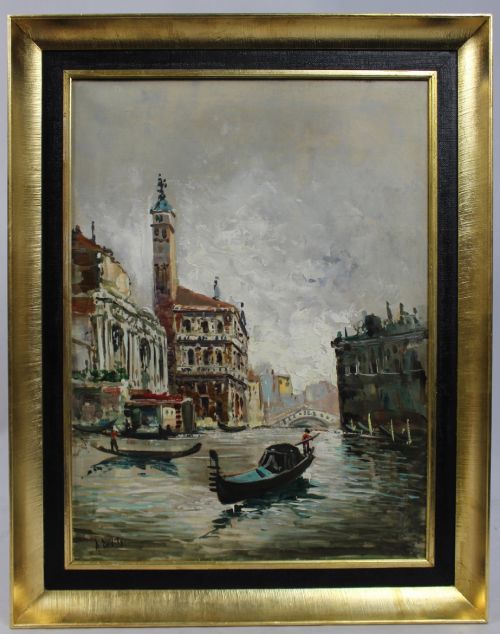
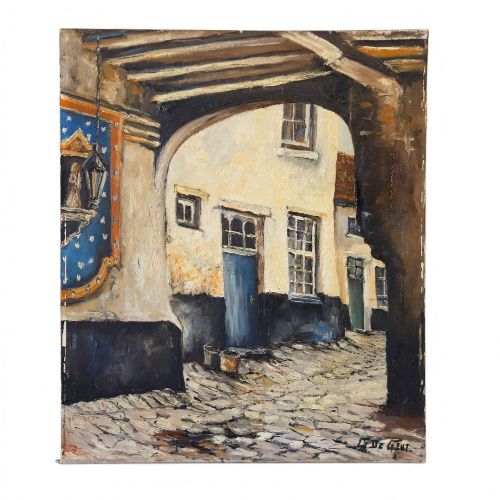
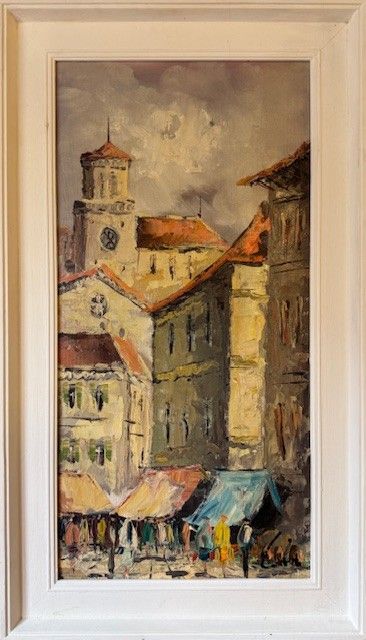
Mid century european art centres primarily on oil paintings executed on canvas, alongside select portraits and still life studies from various continental regions. Buyers exploring this category will frequently encounter mid-century modern canvases, impressionist cityscapes, and expressionist village scenes dating from the 1940s to the 1960s.
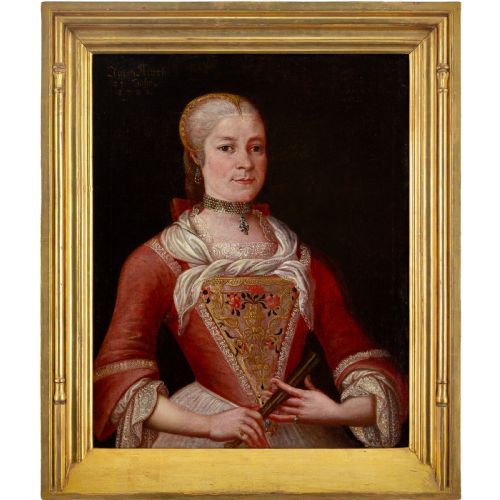
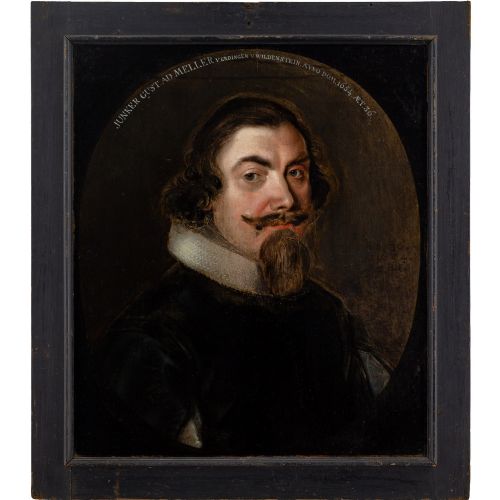
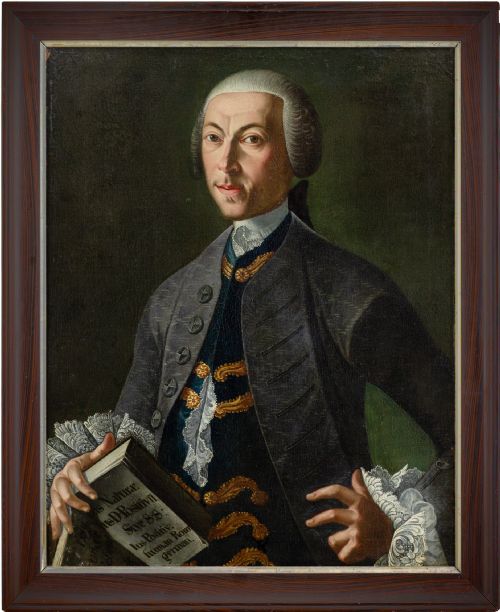
The selection ranges from anonymous market square compositions to signed works by known artists working in France, Germany, Britain, and the Netherlands. While the majority of listings feature mid-century material, the broader category occasionally incorporates earlier works from seventeenth-century and eighteenth-century European schools.
Beyond traditional oil paintings, the selection extends to wall maps, porcelain groups, stoneware carafes, and diamond earrings. These diverse objects reflect European craftsmanship spanning multiple centuries, though oil paintings on canvas remain the predominant form.
Materials and technique
The works in this category rely predominantly on oil paint applied to canvas supports, frequently housed within wooden or ebonised frames. Artists built texture and depth through layered brushwork, visible in both impressionist cityscapes and avant-garde village scenes.
Sculptural and decorative pieces utilise alternative media such as antique porcelain and stoneware. Diamond items incorporate traditional metal settings designed for lever-back wear, while cartography employs engraved paper construction.
Listings span periods from the seventeenth century to the 1960s, with oil paint on canvas as the primary medium.
Distinctions in quality
Quality within these paintings rests upon the handling of light, brushwork confidence, and compositional balance. Works displaying assured mark-making and distinct stylistic character stand apart from standard decorative student pieces.
The preservation of the original canvas and the integrity of the accompanying wooden frame influence the overall standing of each piece. Signed works with documented provenance command greater clarity regarding their origin and authorship.
Antonio DeVity·Cecil Rochfort D'Oyly-John·Mercedes Legrand·Job de Vogel·Karl Tutter·Henri Therme·Christiaan Pieter Snyders·Letitia Marion Hamilton·Johan Horner
The Mid Century European Art Glossary
- Canvas
- A heavy woven fabric stretched across a wooden frame to serve as a support for oil painting. It provides the foundational texture visible beneath the dried paint layers.
- Impressionism
- A style of painting emphasising light and its changing qualities rather than precise detail. Practitioners capture spontaneous visual impressions of subjects like cityscapes and landscapes.
- Expressionism
- An artistic movement where forms and colours are distorted to evoke emotional moods. German examples in this category often feature heightened tones and expressive brushwork.
- Provenance
- The documented history of ownership of an antique object. Clear records help verify the authenticity and origin of paintings.
- Gilt
- A thin layer of gold leaf applied to wooden frames or decorative objects. It provides a reflective metallic surface that enhances the presentation of oil paintings.
Mid Century European Art: Frequently Asked Questions
What defines mid-century European art?
This category primarily encompasses oil paintings and canvases produced across Europe during the middle decades of the twentieth century. It reflects diverse regional movements ranging from impressionism to avant-garde abstraction.
The selection also includes select historical works from earlier European schools, providing a broad view of continental painting traditions alongside mid-century creations.
How are these paintings framed?
Many oil paintings are housed in their original wooden or ebonised frames, which complement the period of the canvas. These frames often show patination consistent with their age.
Buyers should examine the relationship between the artwork and its surround, as period framing preserves the historical integrity of the piece.
Are all items paintings?
While oil paintings on canvas form the majority of the selection, the category occasionally includes porcelain groups, stoneware carafes, and cartography. Each object represents European craftsmanship from its respective period.
Reviewing the specific medium in each listing clarifies whether the piece is a fine art painting or a decorative object.
How do I identify different periods?
Dating relies on stylistic evidence, artist signatures, and framing techniques. Mid-century works typically display modernist brushwork, while seventeenth-century and eighteenth-century school pieces exhibit formal portraiture conventions.
Comparing the subject matter and application of oil paint helps distinguish between mid-century creations and earlier traditional works.