




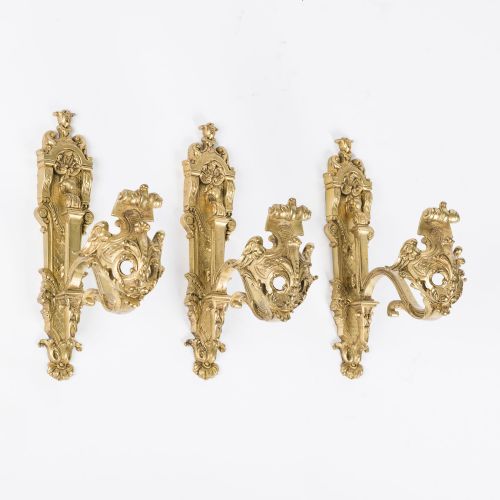


Vintage French Coat Hanger
These vintage french coat hanger pieces offer utilitarian utility and decorative charm for any hallway or bedroom, combining period craftsmanship with everyday practicality.
Vintage French Coat Hanger
When you search for a vintage french coat hanger, you encounter a diverse array of wall-mounted racks, valet stands, and individual hooks dating from the nineteenth century through the early twentieth century. These items served practical purposes in French homes, bistros, and chateaux, functioning as robust storage solutions for garments and hats.
The selections available here range from compact brass hook sets and faux bamboo wall racks to substantial Art Deco brass hat and coat combinations and mahogany hallway furniture. French country and provincial aesthetics heavily influence the designs, alongside distinct Victorian and Arts and Crafts movements.
Buyers are most likely to meet wall-mounted configurations featuring multiple hooks and integrated hat shelves, constructed during periods spanning the 1880s to the 1930s. Each object reflects the interior demands of its era, whether intended for a grand hallway or a gent's dressing room.
Materials and construction methods
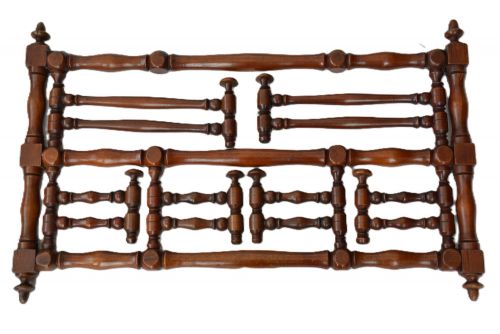
Makers utilised a combination of durable metals and woods, employing brass, bronze, cast iron, and chrome alongside turned wood, beech, mahogany, and pine. Metal components were frequently cast with decorative plates, chased detailing, or polished finishes, while woods were turned, simulated to resemble bamboo, or polished to highlight the grain.
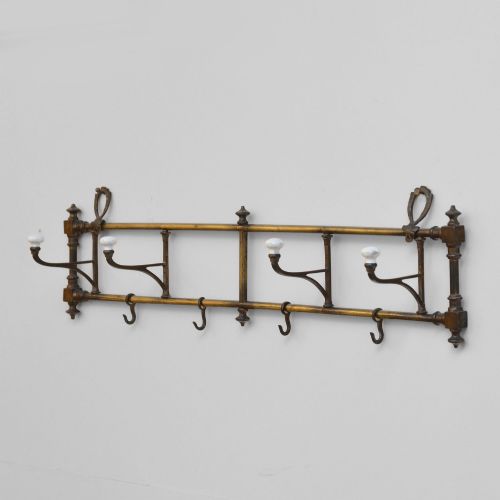
Structural integrity relied on solid mounting plates, substantial backboards, and secure joinery designed to bear the weight of heavy garments and hats. Details such as porcelain knobs, mirrored plates, and integrated hanging rails demonstrate the careful integration of utility and ornament.
Vintage French Coat Hanger Retail Price Guide 2026
Typical asking prices for vintage french coat hanger among the pieces listed under this phrase on Sellingantiques today, from the lower quarter to the upper quarter. They describe what is for sale here now, not the wider market.
Listings feature items constructed from brass, bronze, cast iron, chrome, beech, mahogany, and turned wood.
Distinctions in quality and execution
Quality in these pieces is dictated by the substance of the casting, the crispness of the chased or turned details, and the integrity of the original materials. Superior examples feature heavily cast mounting plates, substantial wooden backboards, and refined metalwork that withstands daily use while retaining its decorative character.
The presence of original elements, such as undamaged porcelain knobs, uncompromised mirror plates, and intact metal patination, separates standard utilitarian items from finer examples of period craftsmanship. Proportion and balance also play a role, as better pieces integrate multiple hooks and rails harmoniously without appearing overcrowded.
The Vintage French Coat Hanger Glossary
- Valet stand
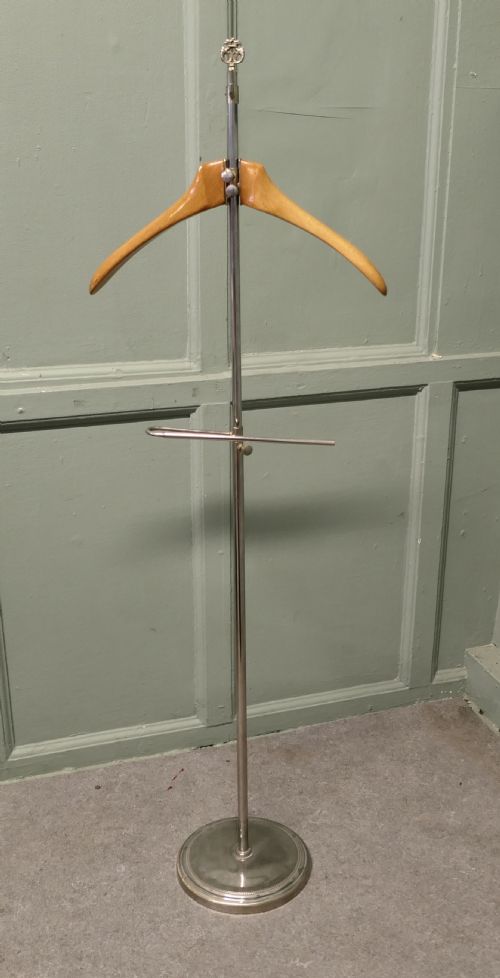
- A freestanding piece of furniture designed to hold a suit, jacket, and accessories, often incorporating a trouser press or hanger. These items were common in gentleman's dressing rooms during the early twentieth century.
- Faux bamboo
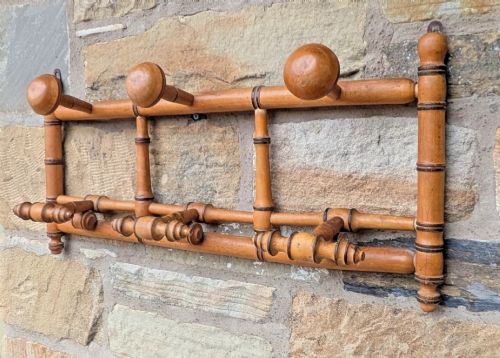
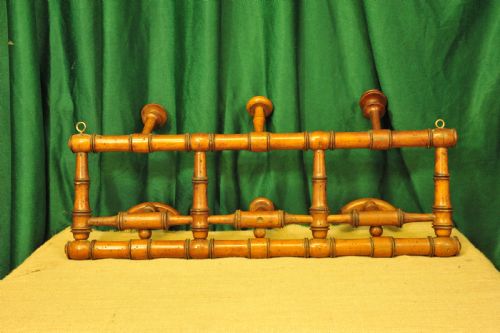
- A decorative style where wood or metal is carved, turned, or moulded to imitate the segmented stalks of natural bamboo. This technique was popular in nineteenth-century French and Victorian furniture production.
- Portmanteau
- A large hallway furniture piece combining a mirror, hat shelf, coat hooks, and sometimes umbrella stands. It served as a central storage hub for outdoor apparel in period homes.
- Chased brass
- Metalwork decorated by hammering or indenting designs into the front surface rather than casting them in relief. This technique creates intricate surface patterns on hooks and backplates.
- Hat tree
- A vertical rack or wall-mounted fixture specifically arranged to accommodate headwear alongside hanging garments. These arrangements frequently feature multiple tiers of hooks.
Vintage French Coat Hanger: Frequently Asked Questions
How were these coat racks originally used?
These fixtures served in hallways, bedrooms, and dressing areas to store daily outerwear, hats, and suits. Wall-mounted versions accommodated household coats, while freestanding valets organised individual wardrobes.
In public spaces like bistros, similar sturdy rails managed the coats of patrons. Their design balanced heavy-duty capacity with decorative presentation.
How do I mount a wall rack safely?
Secure mounting requires locating suitable wall studs or using appropriate heavy-duty wall anchors, given the substantial weight of cast metal and hardwood. Many pieces feature pre-drilled mounting plates designed for sturdy screws.
Ensuring proper anchoring protects both the plaster and the structural integrity of the antique backboard when loaded with garments.
What materials are typical for these pieces?
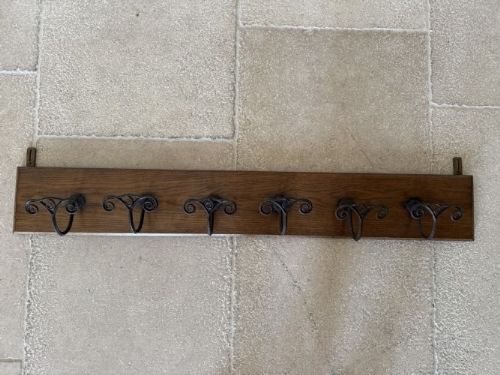
Common materials include cast brass, bronze, and iron for hooks and plates, paired with wooden backboards in mahogany, beech, or pine. Some examples incorporate chrome or porcelain details.
These durable substances allowed the hardware to endure heavy daily use in busy French households and commercial establishments.
How do I date an antique coat rack?
Dating relies on stylistic clues, manufacturing techniques, and material choices associated with periods like the Victorian era, Arts and Crafts movement, or Art Deco. Elements such as faux bamboo work point to the late nineteenth or early twentieth century.
Examining the casting quality, screw types, and wood finishes helps place the piece within its historical decade of production.