





Vintage French Clockwork
Vintage french clockwork brings mechanical movement and polished brass into your room, offering charming desk clocks and carriage clocks to collect.
Vintage French Clockwork
Vintage french clockwork encompasses mechanical timepieces and automata dating from the nineteenth century up to the nineteen-twenties. These pieces range from standard carriage clocks and mantel clocks to automated figures and barographs.
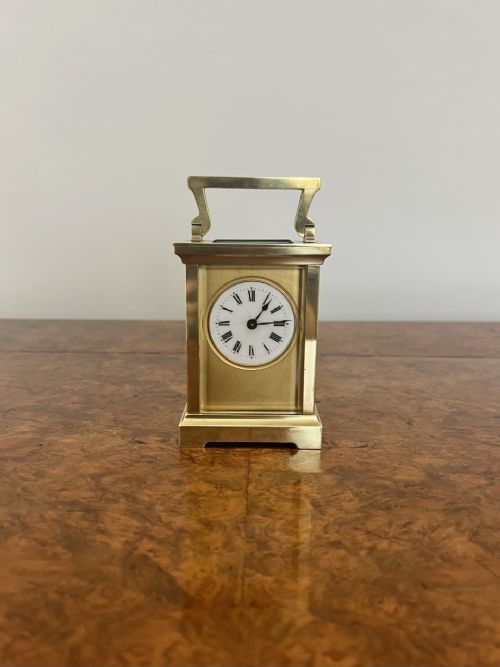
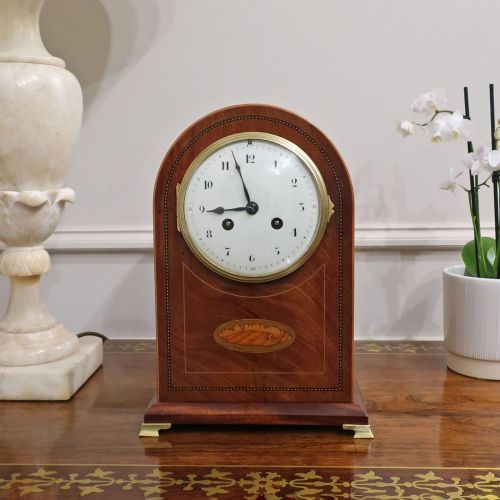
Buyers searching for vintage french clockwork most commonly encounter nineteenth century brass carriage clocks and mahogany mantel clocks. Pieces span Victorian, Belle Epoque, and Art Deco styles alongside elaborate revival forms.
The objects serve both as functional timekeepers and mechanical displays of craftsmanship. Formats include miniature longcase clocks, four glass clocks, and complex automata housed in wood or glass cases.
How they were made
Maker workshops utilised brass, gilded brass, and gilt bronze for metalwork frames, movements, and decorative mounts. Cases often incorporated mahogany, satinwood, papier mache, and glass panels to enclose the mechanics.
Enamel dials display painted numerals while intricate mechanical movements drive the gear trains, escapements, and automated functions. Engraving and casting techniques defined the surface detailing on corniche cases and figural clock bodies.
What varies in quality
Quality separates standard production timepieces from specialist workshop creations through the crispness of brass casting and the complexity of the internal movement. Hand-engraved details and substantial gilt bronze mounts elevate certain pieces above simpler brass designs.
Material selection influences the overall finish, where solid mahogany and genuine gilt bronze contrast with simpler wooden casings. The integration of specialised complications like alarms or automated movement further distinguishes advanced examples from basic desk clocks.
Delépine-Barrois·Baveux and Jacot·James Grohé·Japy Freres·Richard Freres
The Vintage French Clockwork Glossary
- Carriage clock
- A portable mechanical timepiece designed for travel, typically housed in a brass and glass case with a swing handle on top. These clocks originated to serve travellers during the nineteenth century.
- Automaton
- A mechanical figure or moving device designed to perform a series of actions autonomously. These objects rely on internal clockwork mechanisms to animate materials like papier mache.
- Barograph
- A mechanical instrument that records barometric pressure over time onto a paper chart. This device uses clockwork drums to rotate the recording sheet.
- Corniche case
- A rectangular brass carriage clock housing featuring simple column corners and a stepped top. This architectural style provides a clear view of the interior movement through glass panels.
- Gilt bronze
- Metalwork finished with a thin layer of gold applied to a bronze base. This technique creates a durable, bright golden surface commonly found on figural clocks.
Vintage French Clockwork: Frequently Asked Questions
How do I wind a carriage clock?
Winding requires a dedicated key inserted into the arbours located on the backplate of the movement. Turn the key gently until resistance indicates the mainspring is fully wound.
Avoid overwinding the mechanism to prevent damage to the internal springs. Regular winding keeps the escapement moving accurately.
How do automata work?
Automata operate using internal clockwork cylinders and cams that translate stored spring power into physical movement. Levers and linkages transfer motion to figures made from papier mache or fabric.
These mechanical displays require careful handling of the winding mechanism to activate the internal sequence. Maintenance focuses on keeping the brass gears free of dust.
Where should I place a mantel clock?
Mantel clocks suit stable, flat surfaces away from direct sunlight and moisture fluctuations. Wooden cases and brass movements benefit from consistent indoor temperatures.
Ensure the clock sits level to maintain an even beat from the pendulum or balance wheel. Placing the piece securely avoids vibrations that interfere with timekeeping.