


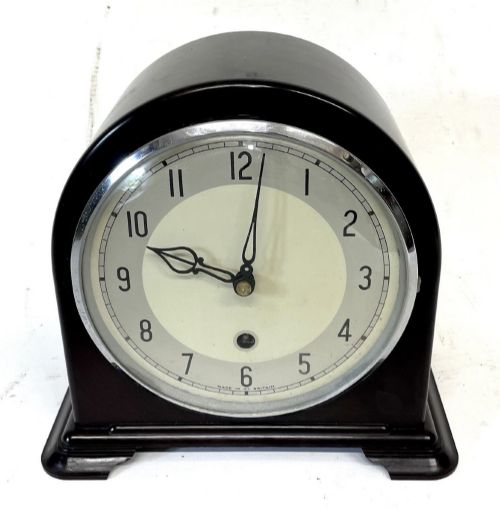


Antique Timekeeper Case
An antique timekeeper case protects and houses delicate horological instruments, ranging from pocket watch holders to grand carriage clock housings.
Antique Timekeeper Case
When you search for an antique timekeeper case, you encounter housings designed to protect portable and domestic instruments such as pocket watches, carriage clocks, and desk clocks.
The most common examples on this page are brass and gilt carriage clock housings alongside fitted leather and horn pocket watch enclosures dating from the eighteenth to the twentieth century.
These items span periods from the Georgian era through Victorian and Edwardian decades to Art Deco and Mid-Century designs.
Materials and construction
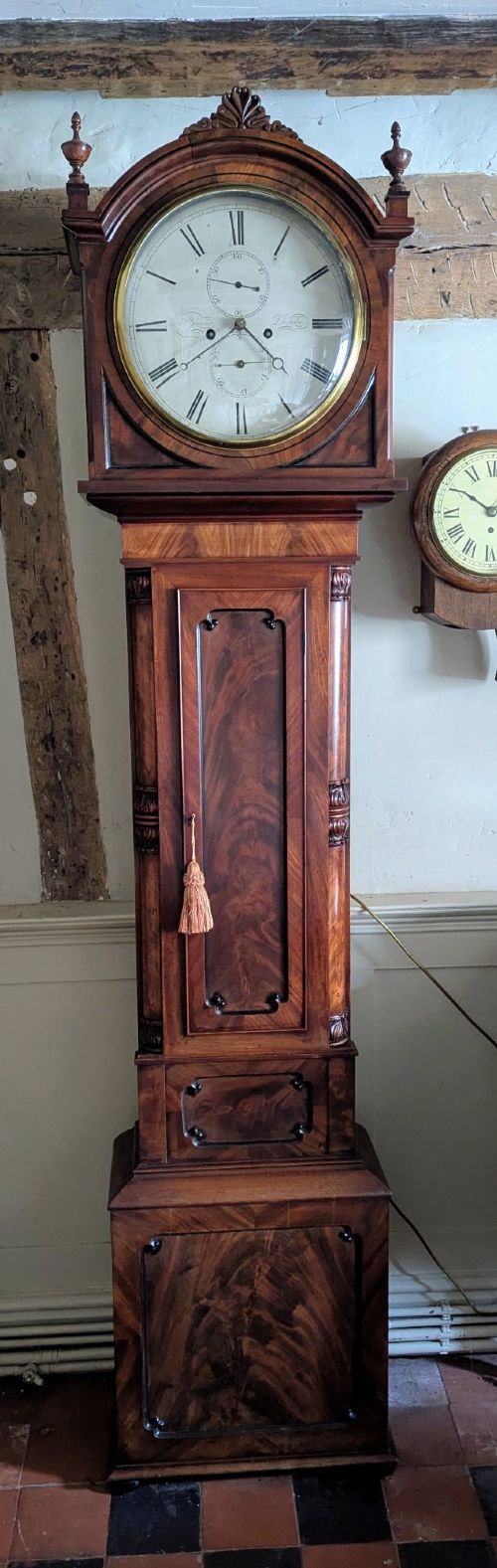
Makers utilised metals such as brass, gilt brass, and gilt bronze alongside timber like mahogany, rosewood, and satinwood to construct sturdy protective enclosures.
Glass panels were fitted to allow visibility of the dial, while leather and horn provided durable exteriors for pocket watch and travel clock cases.
An air ministry ship's bulkhead clock stands ready alongside delicate pocket watches and railway timepieces.
Quality variations
Quality rests in the crispness of the cast bronze or brass, the precision of engraved decoration on gorge and corniche frames, and the selection of fine cabinet timbers.
Makers known for signed work and original fitted leather outer boxes demonstrate higher craftsmanship than standard commercial production.
Pickford of London·Drocourt Paris·Margaine Of France·Samuel Marti·Dwerrihouse & Bell·Walker and Hall·John Walker
The Antique Timekeeper Case Glossary
- Gorge case
- A specific style of carriage clock housing featuring stepped mouldings at the top and base. This French design gained popularity during the nineteenth century.
- Corniche case
- A rectangular brass carriage clock housing with simple rounded pillars at each corner. It provides a clean architectural appearance.
- Pair cased
- An eighteenth-century pocket watch construction method using an inner case for the movement and a protective outer case covered in horn or leather.
- Gilt bronze
- An alloy treated to achieve a gold-like surface finish. It appears frequently on high-status nineteenth-century French clock housings.
Antique Timekeeper Case: Frequently Asked Questions
What is an antique timekeeper case?
An antique timekeeper case is a protective housing designed for portable or domestic timepieces. These include carriage clock enclosures, pocket watch boxes, and fitted leather travel holders.
Materials range from brass and gilt bronze to mahogany, horn, and leather, spanning the eighteenth to the twentieth century.
How do I date an antique clock case?
Dating relies on stylistic clues, materials, and maker signatures. Georgian pieces often feature mahogany and satinwood, while Victorian and Edwardian examples frequently utilise brass and glass.
Maker marks stamped on movements or cases help narrow down the period of production.
What materials were used for pocket watch cases?
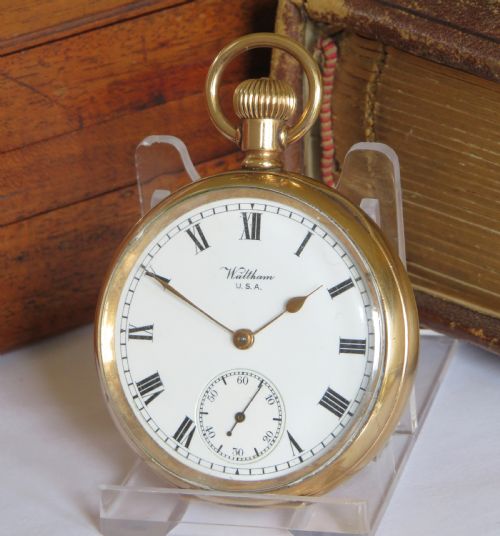
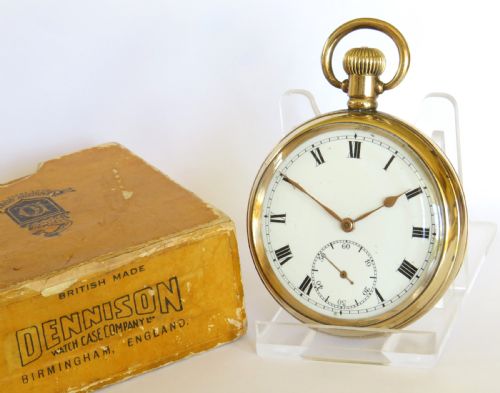
Pocket watch enclosures were constructed from leather, horn, and various metals to protect the delicate inner mechanisms from damage during travel.
Some early examples feature pair cased designs with painted horn outer shells.
How do I care for a brass carriage clock case?
Keep brass and gilt bronze enclosures away from excessive moisture and direct sunlight to preserve the metal finish and glass panels.
Dust gently with a soft, dry cloth without applying harsh chemical polishes that might damage antique patination.