
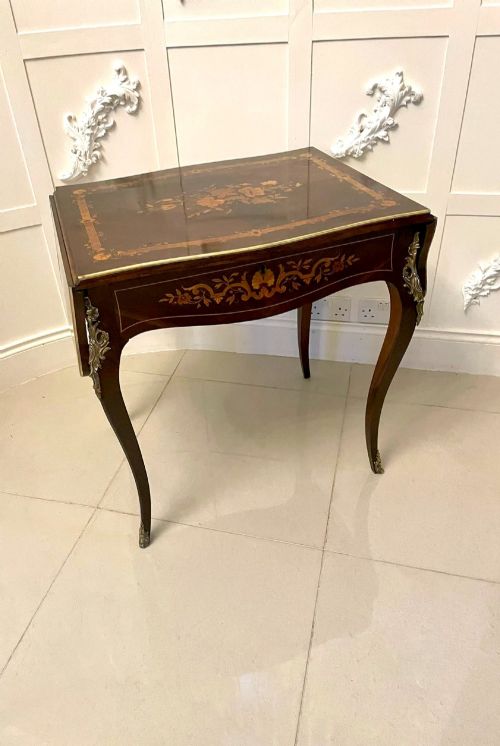

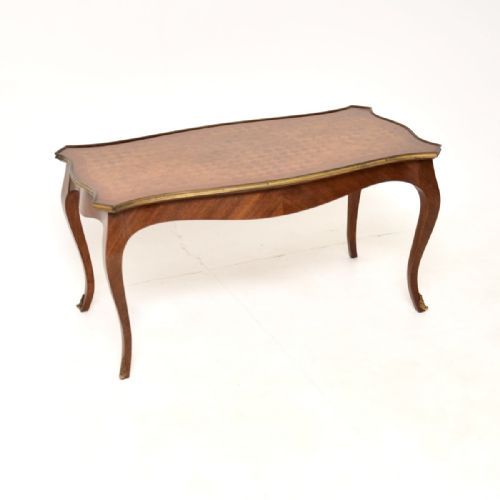
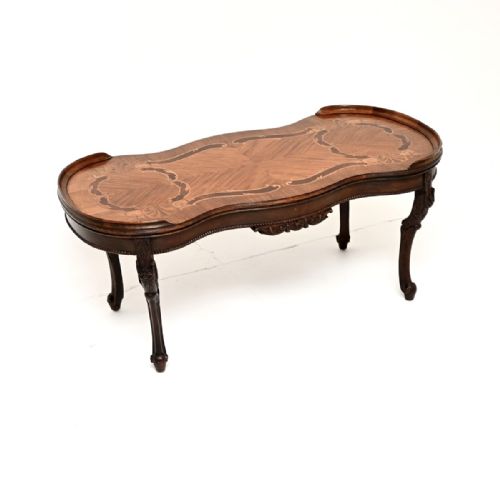
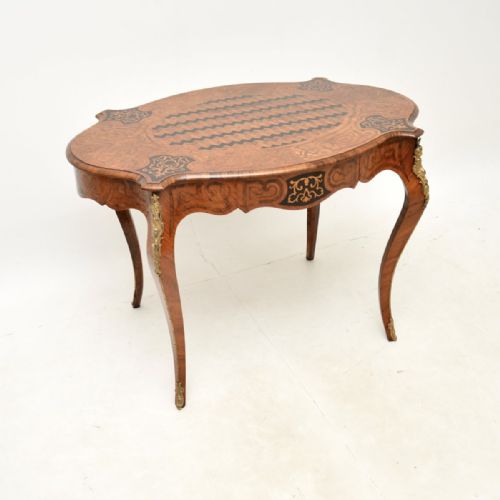
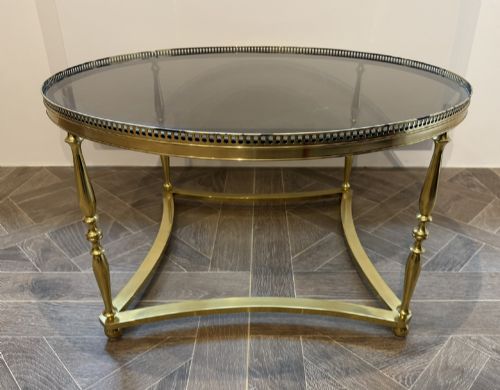
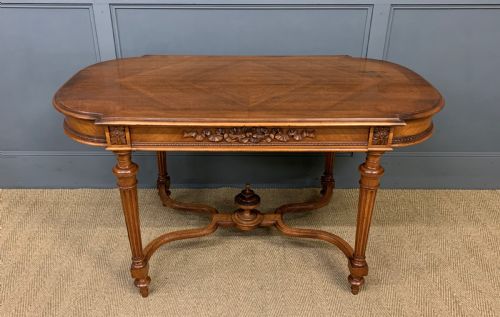
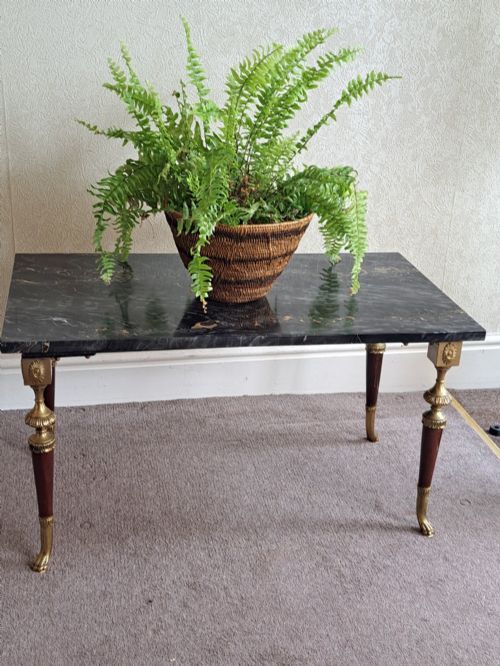
Vintage French Center Table
A vintage french centre table brings Continental character to a room, offering a versatile surface shaped by decades of traditional craftsmanship.
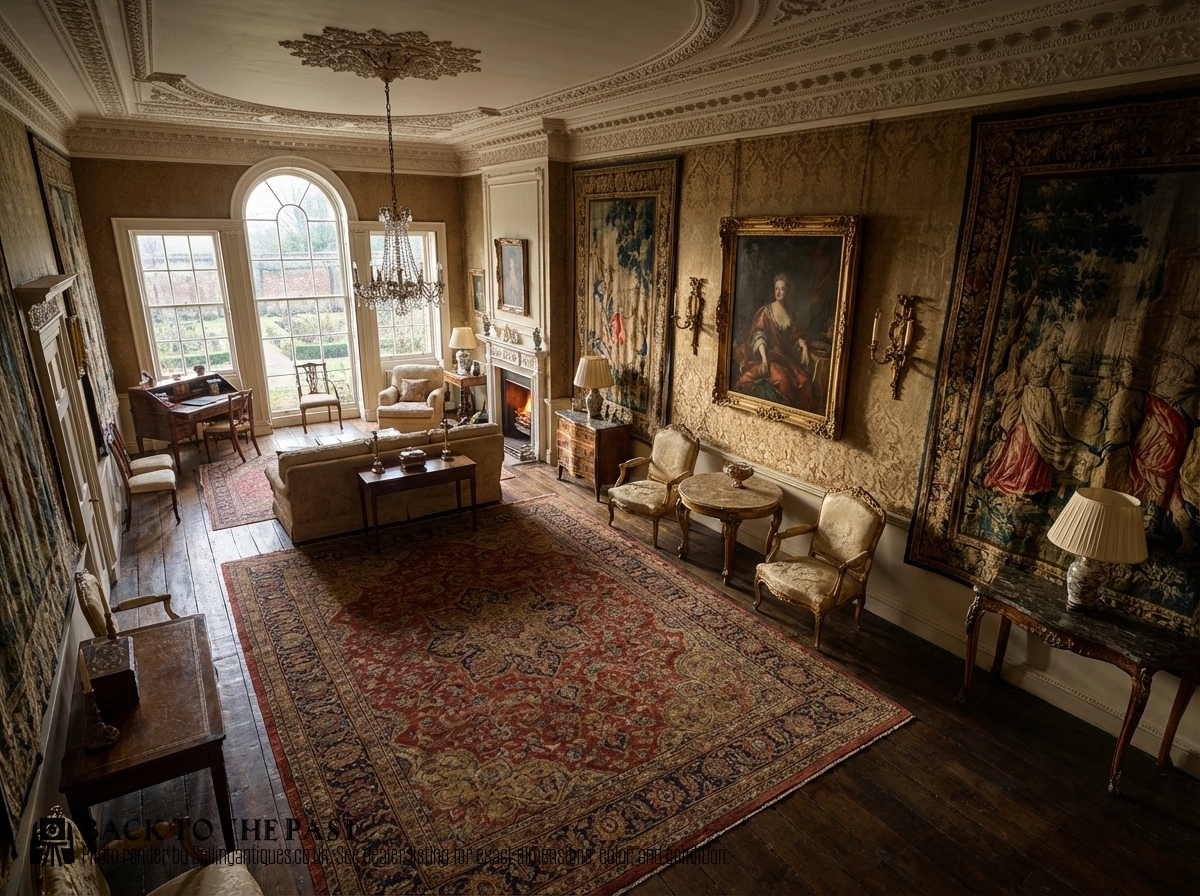
Vintage French Center Table
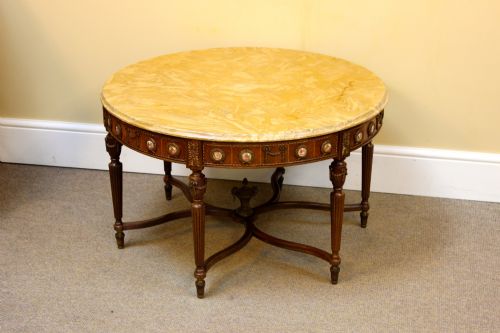
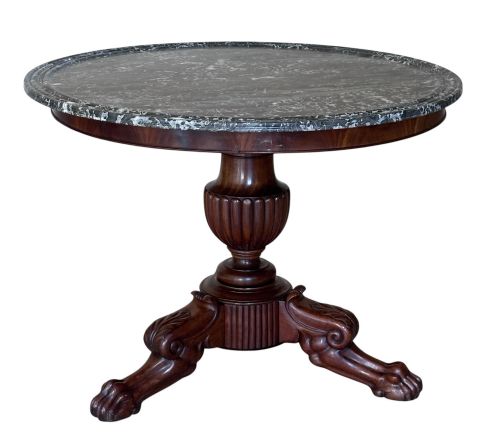
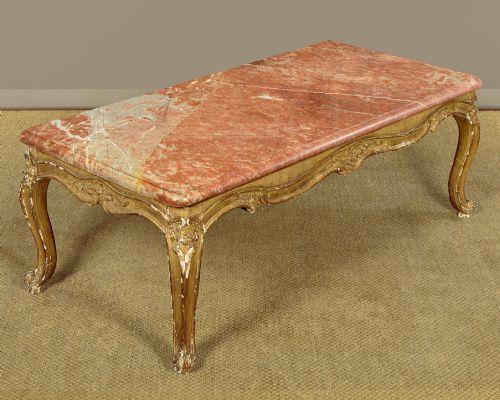
When you search for a vintage french centre table, you encounter a variety of forms including freestanding gueridons, low coffee tables, and occasional tables. These pieces originate from periods spanning the nineteenth century through the nineteen-thirties, reflecting diverse regional and urban aesthetics.
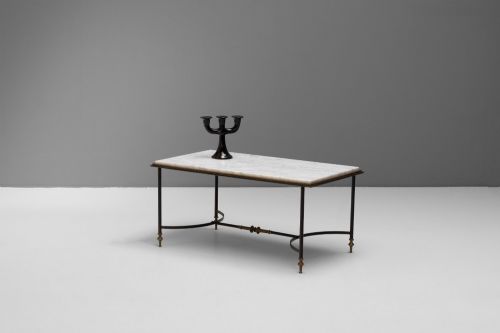
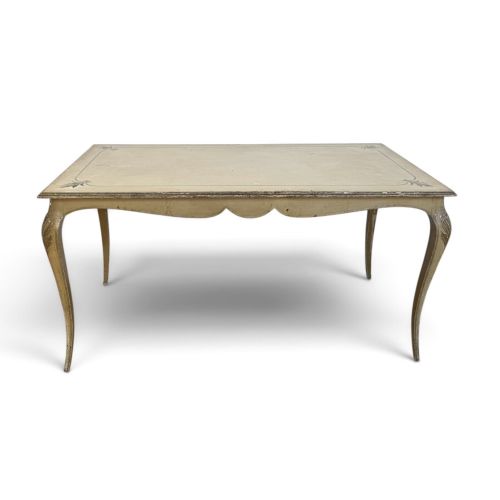
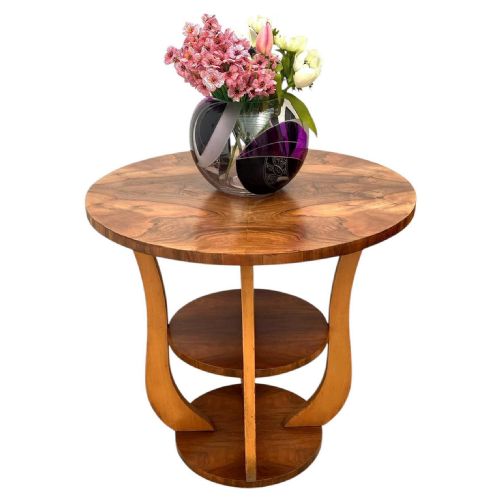
The version you are most likely to meet on this page is a round or rectangular table featuring traditional wood timbers or a stone top. Many examples exhibit classic revival styles such as Louis XV or Art Deco, designed originally to anchor a reception room or salon.
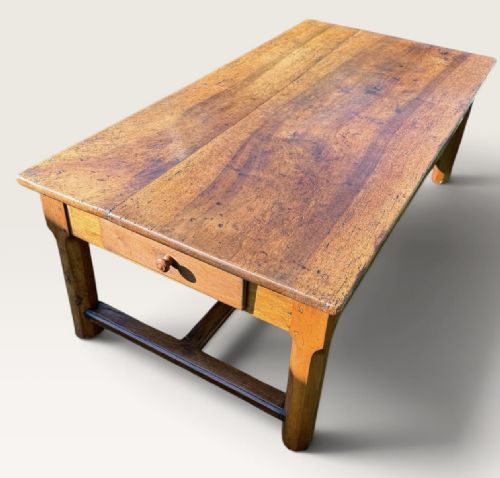
Makers and cabinetmakers produced these furnishings in walnut, oak, kingwood, and painted finishes to suit both formal chateaux and provincial homes. Their adaptability allows them to function effectively as central display surfaces or low coffee tables in contemporary interiors.
How they were made
Cabinetmakers utilised dense hardwoods such as walnut, kingwood, and satinwood, often applying intricate marquetry and parquetry veneers to geometric or floral designs. These wooden frames provide structural integrity while displaying natural grain patterns.
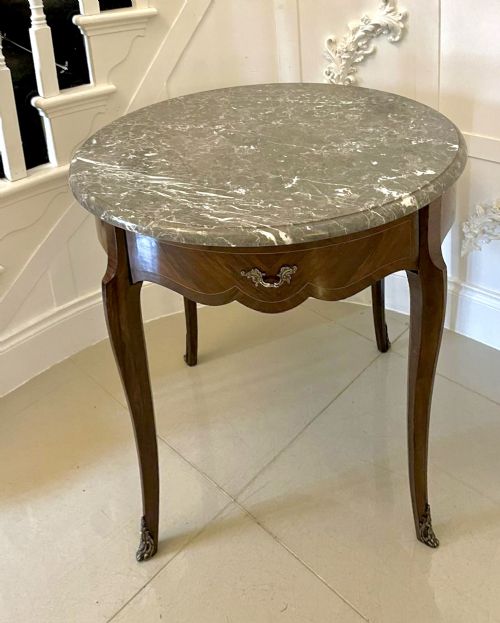
Many tables incorporate polished marble tops in shades of green or white, secured within wooden or cast metal mounts. Brass and ormolu mounts frequently accent the legs and aprons, adding metallic detail to the construction.
Surfaces finished with paint, gilding, or clear polish demonstrate period finishing techniques designed to protect the timber while enhancing decorative appeal.
One persistent carpenter evidently enjoyed leaving initials behind, marking a chestnut low table with a stamped 'BL'.
What varies in quality
The refinement of the decorative elements dictates the upper tier of the range, separating standard production from finer examples. Hand-carved walnut details and precise marquetry inlay indicate greater workshop skill than simpler, unadorned surfaces.
The selection of materials plays a primary role, with heavy polished marble inserts and cast ormolu mounts elevating a piece above straightforward timber construction. Original painted and gilded surfaces also distinguish superior decorative items from later alterations.
The Vintage French Center Table Glossary
- Gueridon
- A small round French table, typically supported by a central pillar or three legs, often topped with marble.
- Ormolu
- Gilt bronze mounts applied to furniture for decorative effect, common in revival styles.
- Marquetry
- Inlaid wood veneers forming decorative patterns or pictures, utilised across table tops.
- Parquetry
- Geometric patterns formed by wood veneers arranged in regular grids or tile-like motifs.
- Bureau plat
- A flat-topped writing desk fitted with drawers, often styled with brass mounts and leather inserts.
Vintage French Center Table: Frequently Asked Questions
Are these tables suitable for everyday use?
Solid wood and stone construction ensures these pieces withstand regular domestic activity. Marble surfaces offer robust resistance to heat and liquid, making them practical for living spaces.
Routine care involves dusting timber frames and wiping stone surfaces with a damp cloth to preserve the finish without harsh chemicals.
What is the difference between a gueridon and a coffee table?
A gueridon is traditionally a taller, nineteenth-century French round table designed for display or general service in a salon. Coffee tables generally feature lower profiles intended specifically for placement in front of seating.
Many listings categorise taller occasional tables and gueridons alongside low tables due to overlapping modern usage.
How can I identify the period of a table?
Stylistic indicators such as carved cabriole legs point toward Louis XV revival designs, while geometric lines suggest Art Deco influence from the nineteen-thirties. Materials like kingwood and ormolu commonly align with nineteenth-century French craftsmanship.
Examining construction methods underneath the top often reveals period-specific joinery and hardware that confirm the era of manufacture.