

Vintage French Canvas Art
Vintage french canvas art brings the rich textures and varied light of continental painting directly into interior spaces.
Vintage French Canvas Art
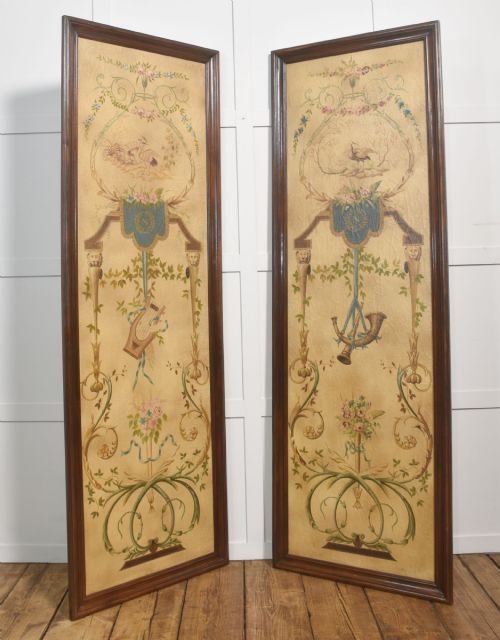
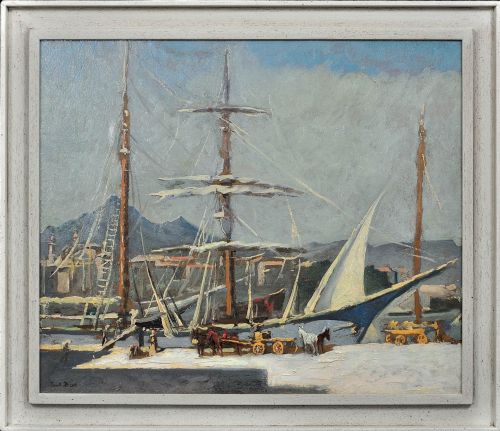
When searching for vintage french canvas art, buyers encounter oil paintings, fine art panels, and decorative wall hangings originating from France across the nineteenth and twentieth centuries. These works span academic portraits, impressionist landscapes, and modernist cityscapes executed on woven fabric supports.
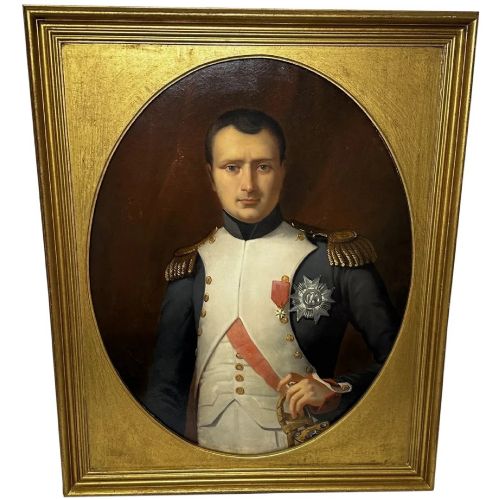
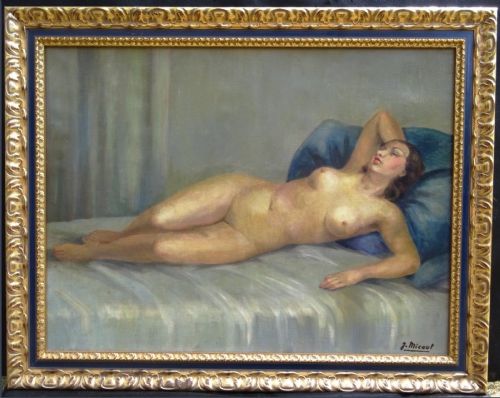
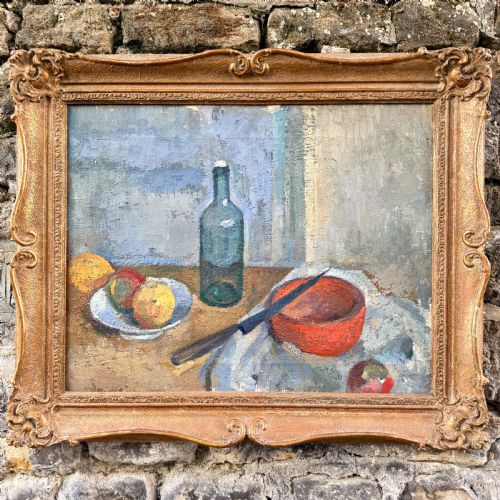
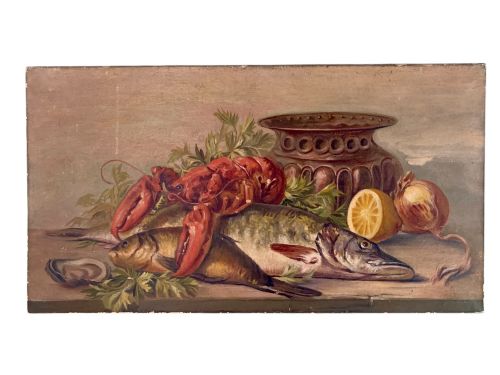
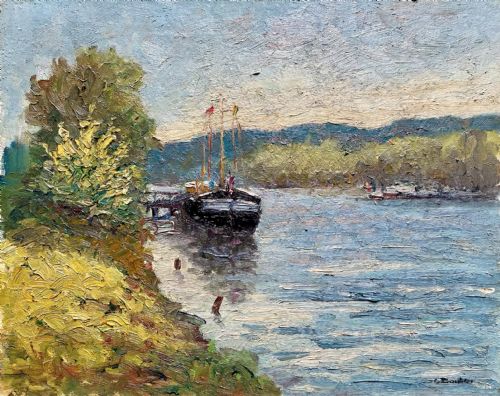
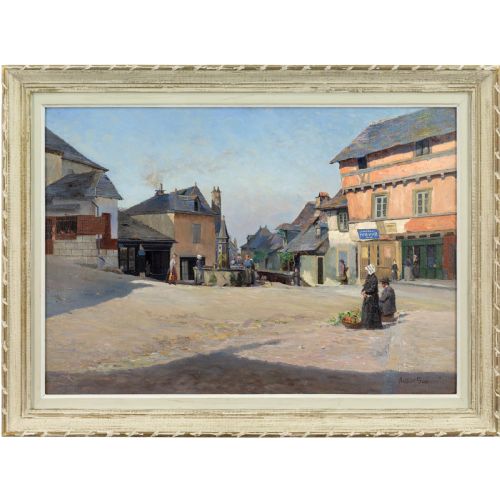
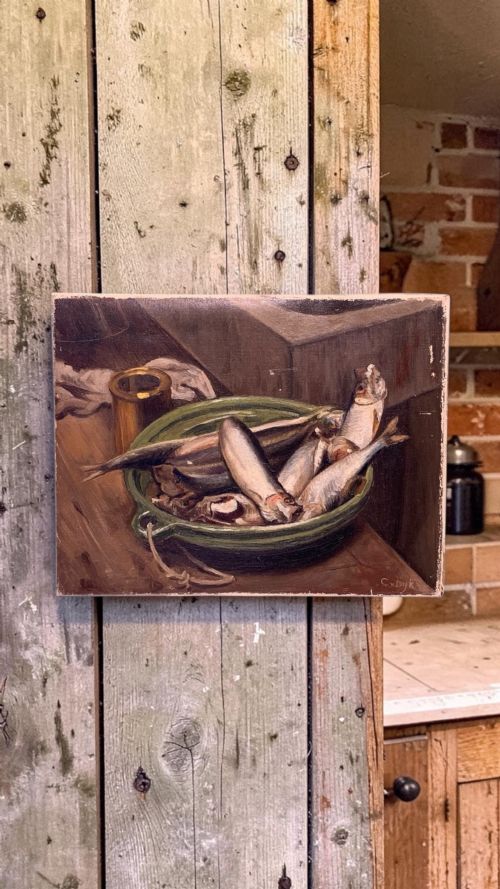
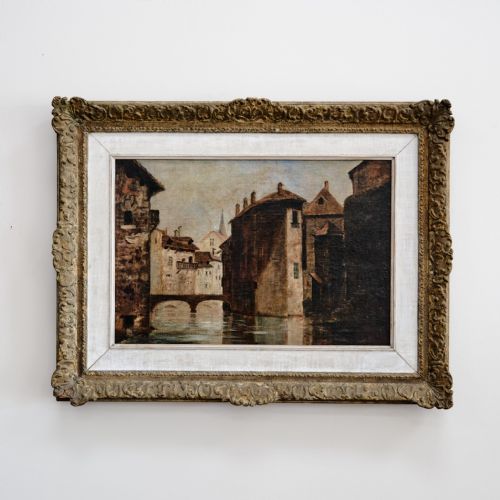
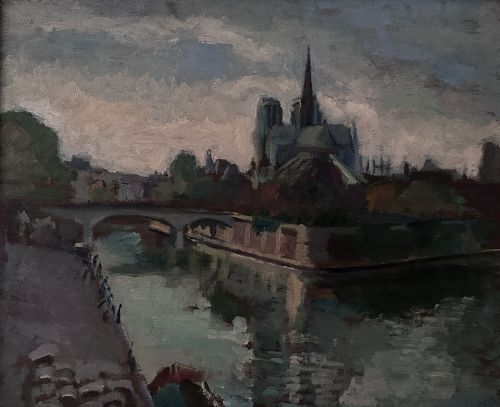
The selections most commonly met on this page date from the late nineteenth century through the mid-twentieth century, encompassing movements like Post-Impressionism, Art Deco, and French Realism. Canvases depict diverse subjects ranging from Parisian street scenes and quiet river banks to intimate still lifes and figurative studies.
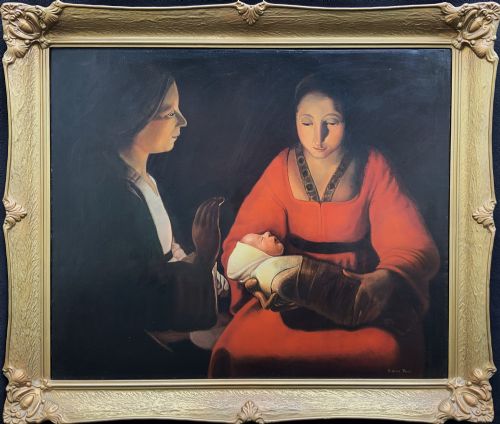
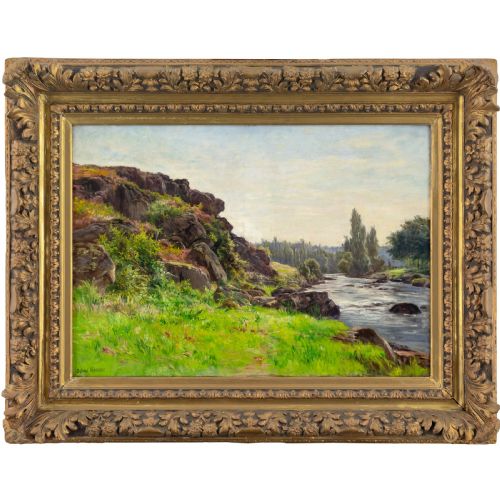
Framing often complements the artwork, with many pieces retained in original gilt wood frames that reflect the aesthetic tastes of their respective periods. Whether looking for large landscape panoramas or smaller decorative panels, collectors find works reflecting regional French life and academic traditions.
Materials and Construction
The physical foundation of these works relies on woven canvas stretched across timber frames, providing a stable support for subsequent layers of paint. Artists utilised traditional oil paints, sometimes building thick impasto textures to capture light and movement, or applying thin glazes for tonal depth.
Surrounding many canvases are bespoke wooden frames, frequently enhanced with applied gilding or painted finishes that define the perimeter of the piece. These frames range from elaborate moulded gilt designs suited to nineteenth-century academic paintings to simpler wooden profiles favoured by mid-century modern artists.
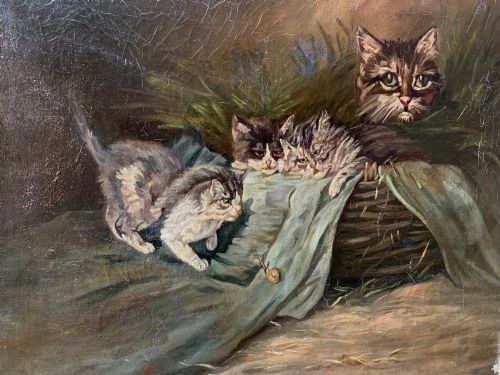
Several canvases capture domestic feline companions quietly supervising everyday household scenes.
Assessing Artistic Merit and Condition
Quality in these paintings rests on the surety of the brushwork, the handling of light, and the compositional balance achieved by the artist. Masterful tonal control and expressive application separate finely executed academic and impressionist works from standard decorative productions.
Preservation of the original canvas and paint layer significantly influences the standing of a piece, alongside the integrity of the period frame. Works that retain their original stretcher and unlined canvas exhibit a directness of historical material that appeals to discerning collectors.
Eugène-Louis Gillot·Gabriel Mathieu·Arthur Gué·Paul Bret·Jean-Gabriel Domergue·Henri Ottmann·Rene Levrel·Achille-Fould·Alfred Arthur Brunel de Neuville·Paul Ehrenberg·Lilian Colbourn·Jean-Baptiste van Loo·Caroline Burnett·Charles Clair·Henri Jaques Delpy·Paul-Jean Anderbouhr·Elisabeth Bardon·Raymond Moritz·Alexandre Le Bihan
The Vintage French Canvas Art Glossary
- Impasto
- Paint applied thickly to a canvas, standing out in relief from the surface. This technique allows the artist to capture physical texture and the play of light.
- Grisaille
- A painting executed entirely in shades of grey or neutral monochrome. Painters often used this method to create the illusion of three-dimensional sculpture or as an underpainting.
- Post-Impressionism
- An artistic movement following impressionism that extended its use of vivid colours while emphasising geometric forms and expressive qualities. Artists in this tradition moved beyond naturalistic depiction.
- Stretcher
- The wooden framework upon which an artist's canvas is secured and tensioned. Original stretchers help confirm the historical integrity of a painting.
- Provenance
- The documented history of ownership surrounding an artwork. Clear records help establish the authenticity and timeline of a piece.
Vintage French Canvas Art: Frequently Asked Questions
How do I identify the period of a French canvas painting?
Dating relies on stylistic markers, subject matter, and the materials used in both the canvas support and the frame. Nineteenth-century works often favour academic realism or early impressionism, while later decades introduce modernist perspectives and bolder palettes.
Physical inspection of the canvas reverse, stretcher type, and ageing pigments further clarifies the era of creation. Comparing brushwork techniques to known movements provides additional chronological context.
Where were these landscape and cityscape scenes typically painted?
Many subjects centre on prominent French locations, including Parisian boulevards, the banks of the Seine, and coastal regions in Normandy. Artists frequently travelled to capture specific light conditions in recognised painting destinations.
Rural villages, provincial squares, and international ports also appear depending on the painter's travels and preferred scenery. These geographic settings help anchor the historical narrative of each work.
How should I care for an oil painting on canvas?
Canvas paintings require stable environmental conditions away from direct sunlight, excessive humidity, and rapid temperature fluctuations. Maintaining consistent room conditions prevents the wood stretcher from warping and the canvas from slackening.
Dusting should be performed gently with a soft, dry brush without applying cleaning solutions to the paint surface. Professional conservators should handle any deeper cleaning or structural repairs.
What is the difference between academic painting and impressionism?
Academic paintings follow rigorous, traditional rules taught by official art academies, emphasising smooth finishes, historical or classical subjects, and precise anatomical drawing. Brushstrokes are typically concealed to create a seamless visual illusion.
Impressionism breaks from these strict conventions by focusing on fleeting light effects, loose brushwork, and everyday subjects painted en plein air. This approach prioritises atmospheric impression over strict academic detail.