



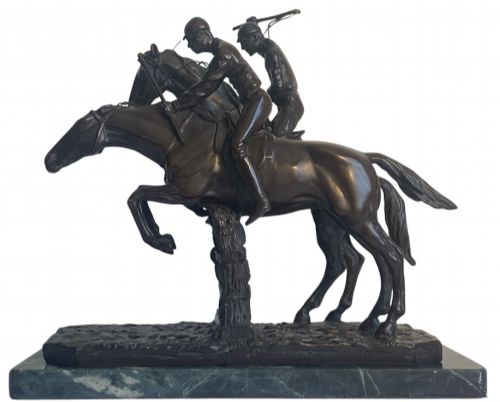
Vintage French Bronze Sculpture
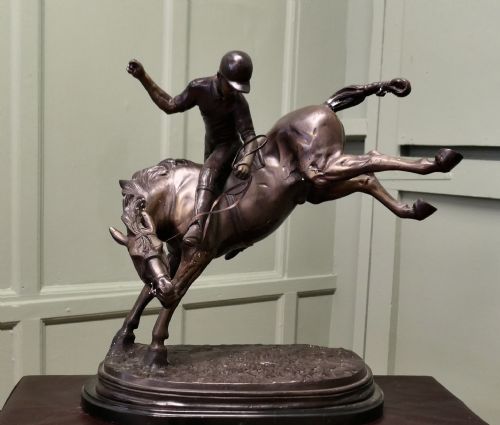
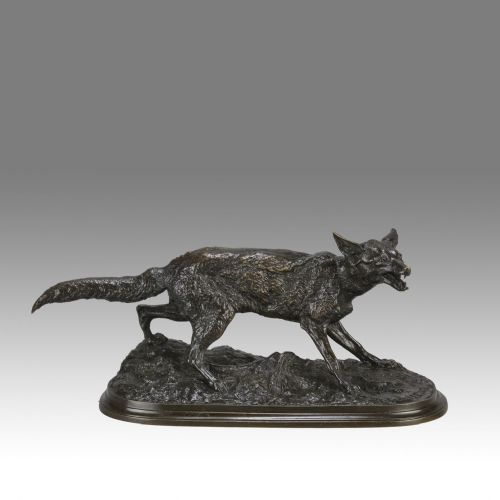
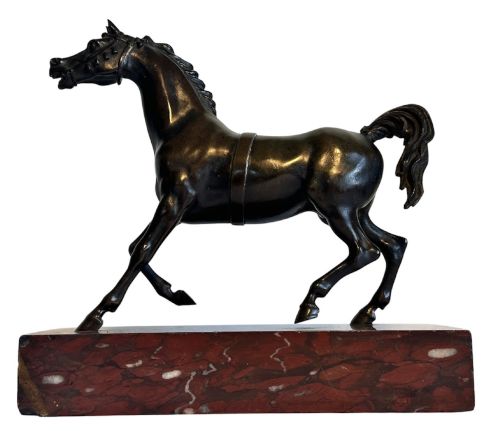
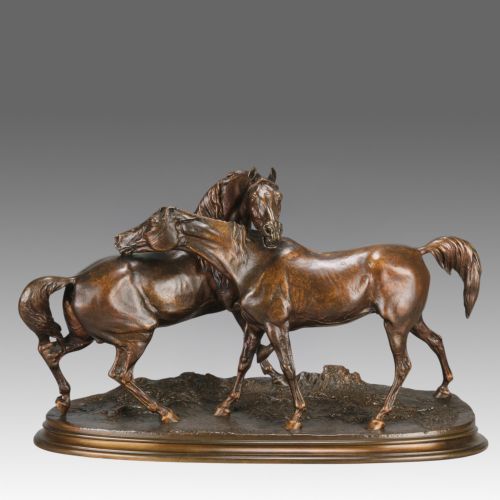
Vintage french bronze sculpture brings animalier subjects, athletic figures and dancers into the interior, prized for expressive patination and solid mounts.
Vintage French Bronze Sculpture
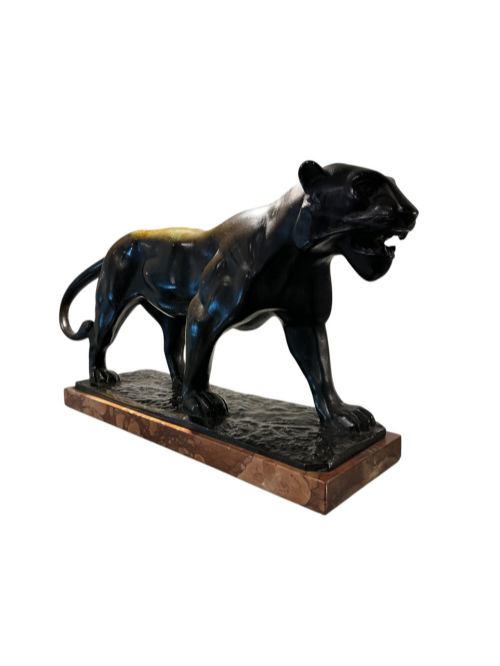
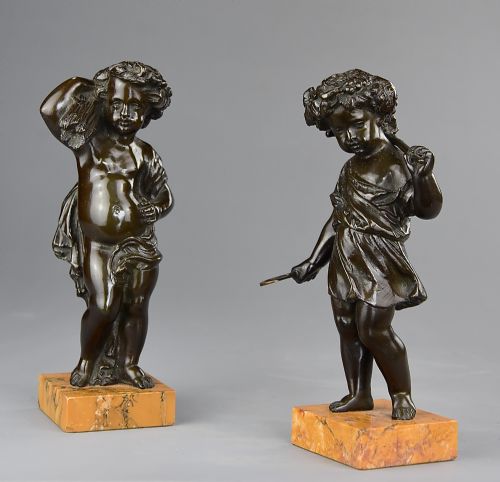
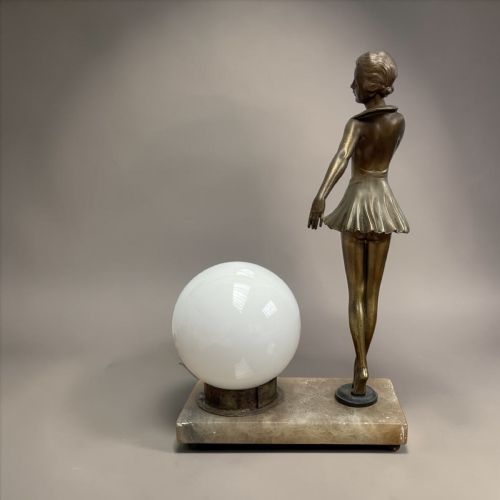
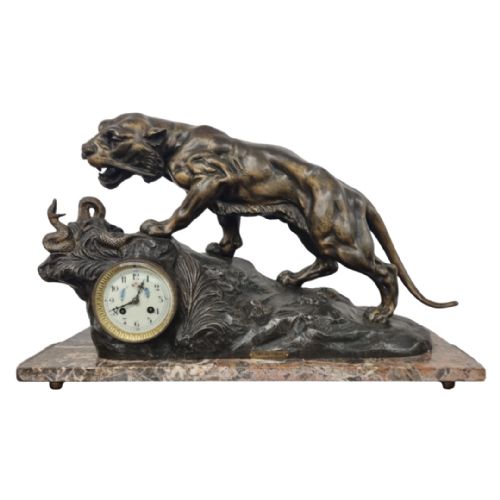
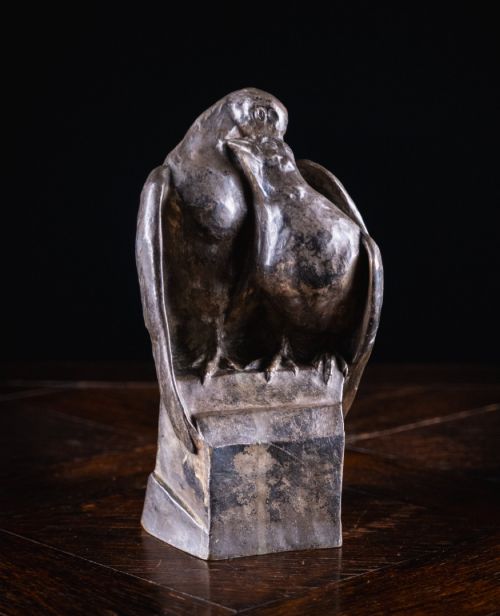
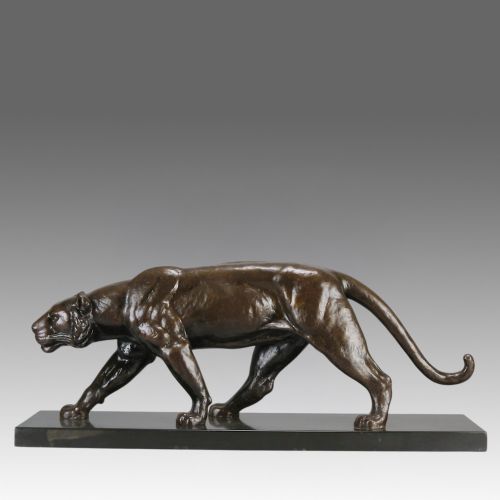
When browsing vintage french bronze sculpture, the collector encounters figures spanning nineteenth century realism through twentieth century modernism. The selection includes animalier studies of big cats and stags, allegorical putti, classical busts, and stylized art deco dancers.
Most examples originate from the nineteenth century or the art deco decades of the early twentieth century. Forms range from mantel clock mounts and table lamps to standalone mantel figures and cabinet statuettes.
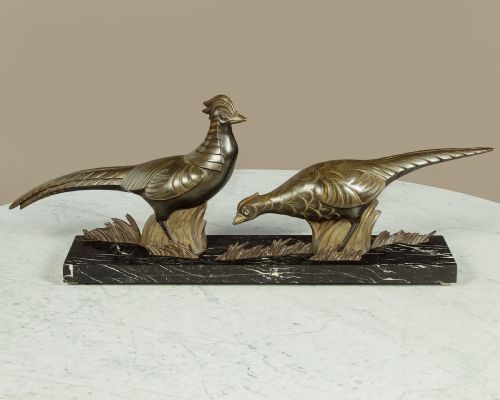
Makers utilise alternative materials alongside metal, frequently mounting heavy casts upon bases of marble, onyx, or slate. Figures also appear cast in spelter during periods when mixed white metal alloys substituted for heavier copper alloys.
What varies in quality
The integrity and hand-finished richness of the patina determine visual success, distinguishing subtle tonal shading from flat, uniform factory finishes. Heavier weight relative to size and tighter, gap-free mounting onto the marble or onyx plinth indicate superior foundry execution.
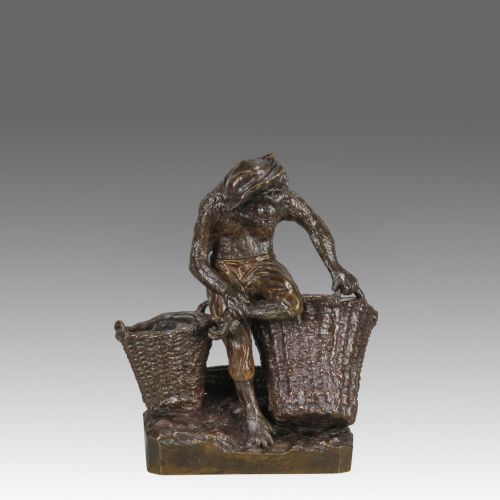
Several bronzes capture domestic animals caught in moments of mischief, from fighting bear cubs to wrestling puppies.
P J Mêne·Pierre le Faguays·Claude Michael Clodion·Christophe Fratin·Alexandre Ouline·Antoine Louis Barye·Dora Heber·Aurore Onu·Jules Dalou·Jean Antoine Houdon·Isidore Jules Bonheur·Prosper Lecourtier·Zoldan Kovats·Georges-Charles Coudray·Sibylle May·Auguste Moreau·Pierre Lenordez·Victor Peter·Demetre Chiparus·Edouard Drouot·Irénée Rochard
The Vintage French Bronze Sculpture Glossary
- Animalier
- Art depicting animals, particularly the realistic study of wildlife and domestic beasts in motion or repose. Nineteenth century founders specialised heavily in this genre.
- Patina
- The surface coloration and sheen developed through chemical treatment or age on metal. It protects the bronze and creates nuanced dark or golden tones.
- Spelter
- A zinc-based white metal alloy utilised as an economical substitute for bronze. It frequently supports painted or bronze-effect finishes on twentieth century figures.
- Cold painted
- A technique where enamel or oil paint is applied to an unheated metal sculpture after casting. It appears frequently on Austrian and French decorative figures.
- Lost-wax
- A casting process known as cire perdue where a wax model is melted out to create a mould for molten metal. This method permits complex undercut forms and exceptional surface fidelity.
Vintage French Bronze Sculpture: Frequently Asked Questions
What is animalier bronze?
Animalier bronze refers to sculptural art focusing on realistic depictions of animals, horses, and wildlife. These works gained immense popularity in nineteenth century France.
Artists observed beasts in menageries and fields, capturing muscular tension and natural movement in heavy metal casts.
How do I spot spelter?
Spelter is a lighter, softer zinc alloy that feels less dense than true bronze. It often shows a greyish white core where surface finishes have worn thin.
Sculptures made from spelter tend to exhibit lighter weight when lifted compared to solid copper alloy figures of identical size.
Where were these sculptures displayed?
Vintage french bronze sculpture pieces typically adorned nineteenth century mantelpieces, libraries, and grand antechambers. Smaller statuettes occupied desktop spaces and collector cabinets.
Clock garnitures integrated matching figures alongside central timepieces on drawing room hearths.
What is cold painting?
Cold painting involves applying oil or enamel colours to a metal casting without subsequent firing. This method allowed makers to introduce vibrant hues to clothing and plumage.
Care is required when cleaning cold painted surfaces to avoid removing the delicate original pigment layers.