


Vintage French Brass Mirror
These vintage french brass mirror examples combine heavy cast metal frames with decorative glass plates, bringing continental elegance and practical reflection into any room.
Vintage French Brass Mirror
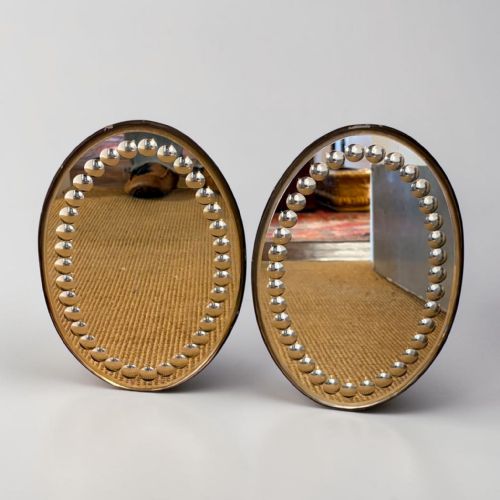
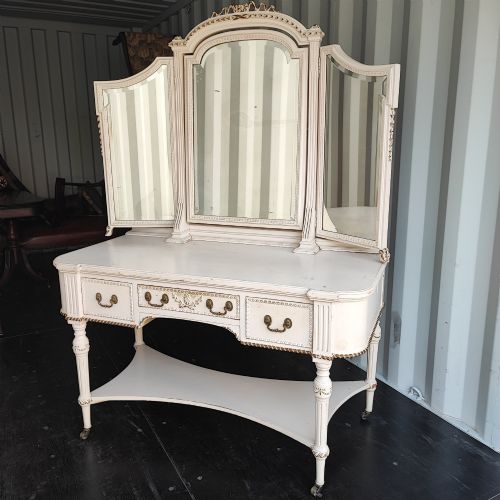
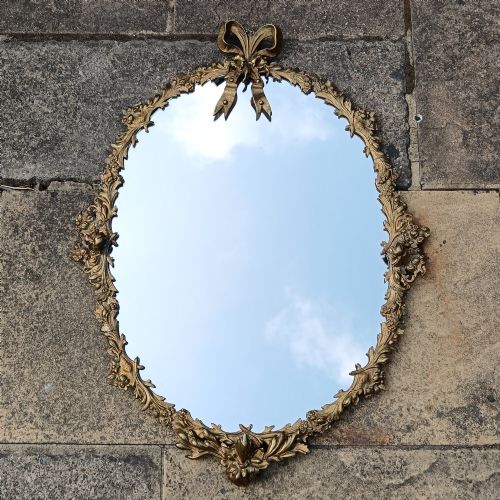
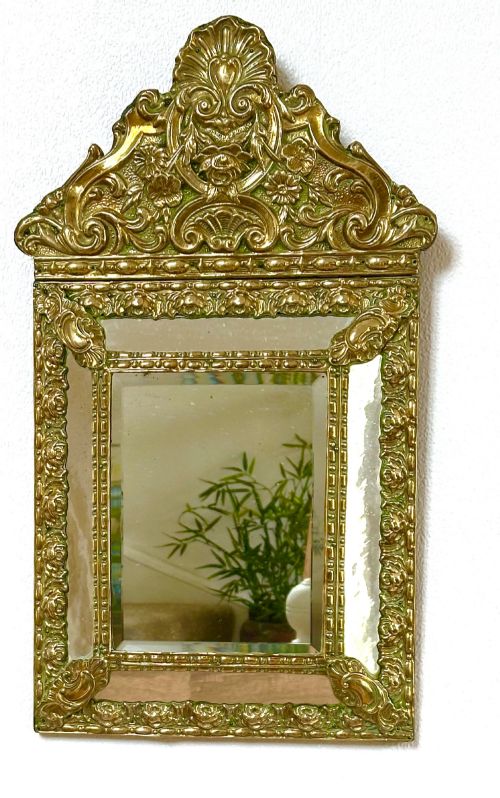
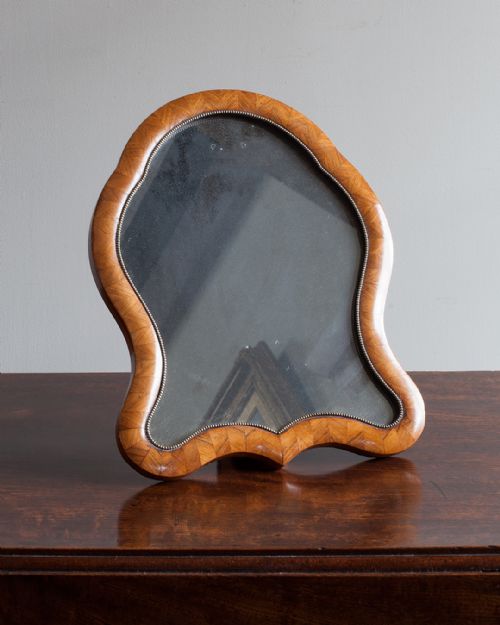
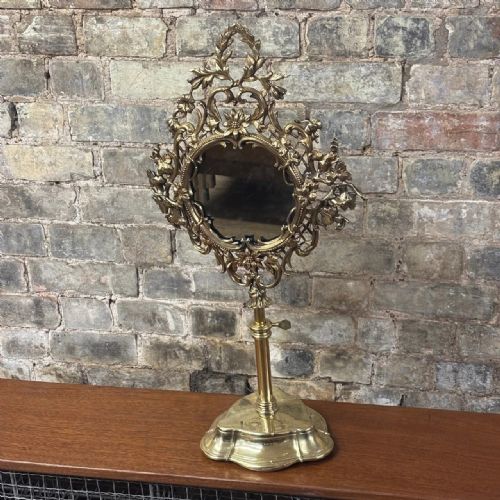
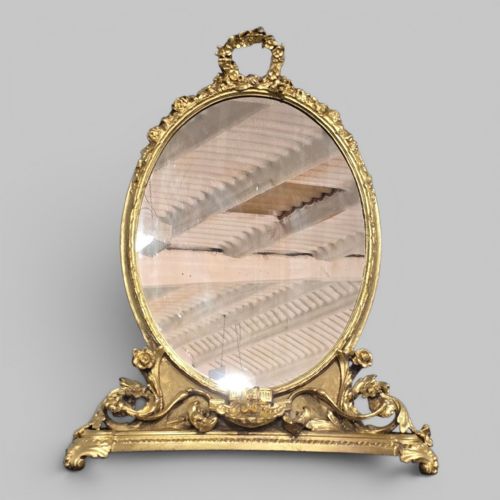
When you search for a vintage french brass mirror, you encounter a variety of forms designed for reflection and display. Wall mirrors, table mirrors, dressing mirrors, and small bistro pieces populate this selection, spanning the nineteenth and early twentieth centuries.
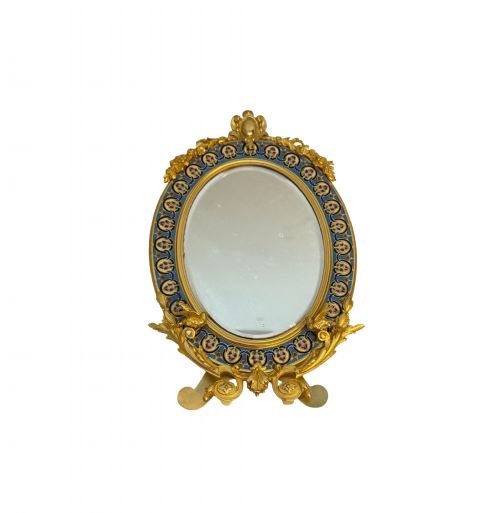
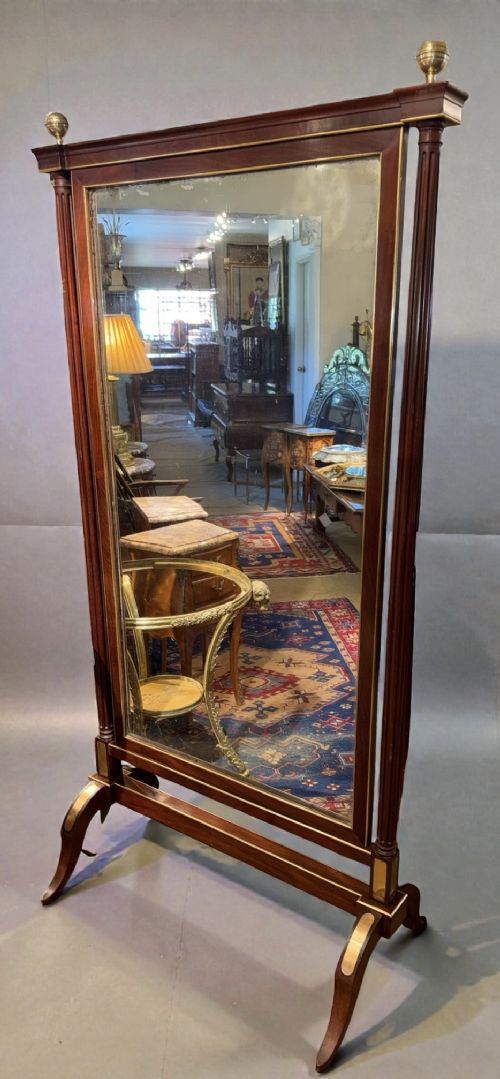
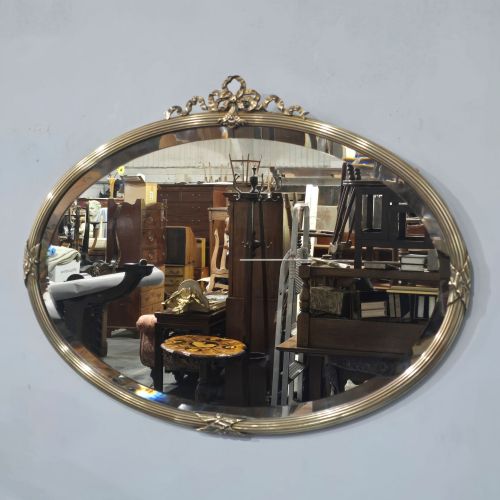
The objects stem from distinct decorative movements, including French Rococo Revival, Empire, and Art Deco styles. Smaller tabletop and vanity versions appear alongside large hanging wall mirrors and cheval mirrors framed in solid or pressed brass.
Originating largely from continental workshops and Paris makers, these pieces reflect domestic interior fashions from the eighteen-eighties through the nineteen-thirties. The selection demonstrates how brass frames were utilised in both modest commercial spaces and grand salons.
How they were made
Maker workshops utilised cast brass, pressed brass, gilt bronze, and gilt metal to construct ornate structural frames. These metal elements were frequently paired with secondary materials like mahogany, painted wood, and leather.
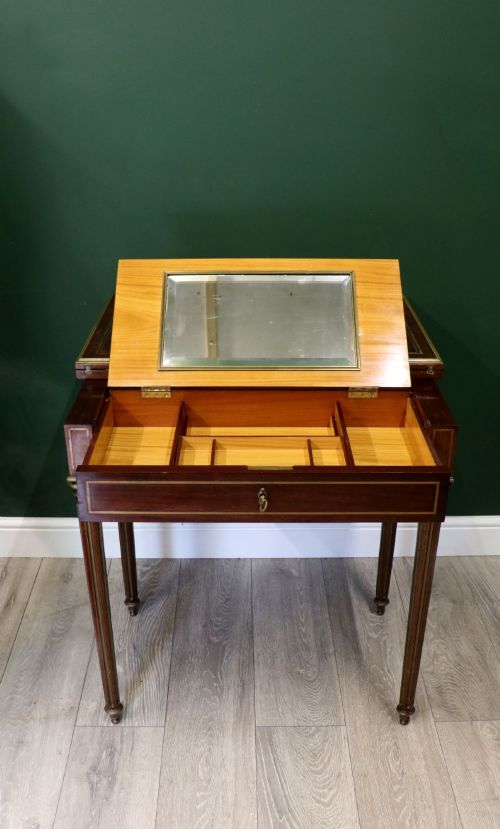
Reflective surfaces consist of original mirror glass and bevelled plate glass, sometimes showing age through foxing and natural distress. Frames incorporated mechanical joints, easel backs for tabletop stands, and integrated candle holders for wall mounting.
Vintage French Brass Mirror Retail Price Guide 2026
Typical asking prices for vintage french brass mirror among the pieces listed under this phrase on Sellingantiques today, from the lower quarter to the upper quarter. They describe what is for sale here now, not the wider market.
Some dressing mirrors arrived equipped with articulated candle holders so you could check your hair by candlelight.
What varies in quality
The distinction between standard items and exceptional pieces rests upon the crispness of the brass casting and the depth of the chased ornamentation. Heavier gauge metal and intricate detailing indicate superior craftsmanship in revival and empire styles.
Condition of the reflective plate and the integrity of the original backing boards influence overall merit. Pieces retaining untouched mercury or early silvered glass alongside original structural joinery command greater attention.
Maples of London and Paris
The Vintage French Brass Mirror Glossary
- Champleve
- An enamelling technique where trenches are sunk into a metal surface and filled with vitreous enamel before firing. This decoration appears on ornamental frames and tabletop pieces.
- Cheval mirror
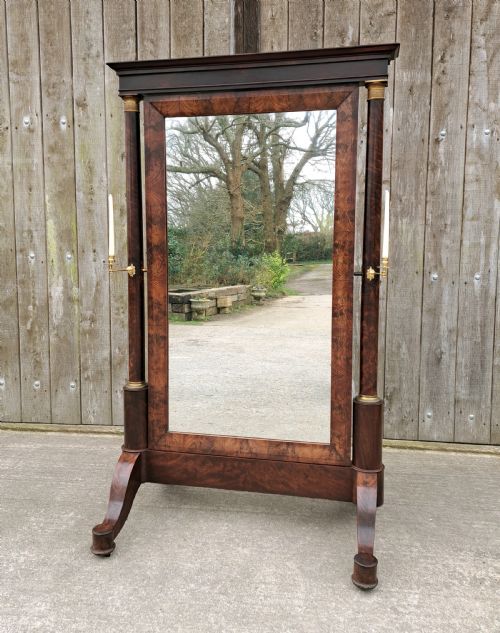
- A full-length mirror suspended in a standing frame that tilts on vertical pivots. These large glass panels allowed users to view their entire outfit.
- Girandole
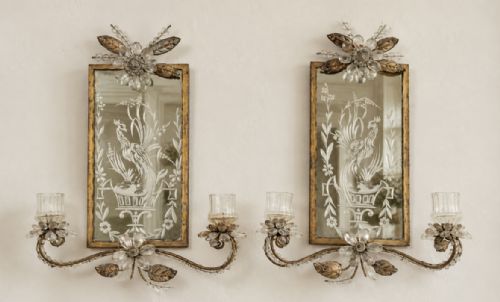
- A branched wall sconce fitted with a mirror back to multiply the flickering light of candles. The reflective plate amplifies illumination within the room.
- Ormolu
- Gilt bronze ornamentation applied to furniture and decorative items. The technique involves coating base metal with a mercury and gold amalgam.
- Cushion mirror
- A looking glass featuring a convex or outwardly curved frame profile. This design creates a distinct pillow-like border around the central glass.
Vintage French Brass Mirror: Frequently Asked Questions
What periods do these mirrors span?
The pieces draw from nineteenth-century revivals and early twentieth-century design movements. Items range from eighteen-eighties bistro examples to nineteen-thirties art deco pieces.
Craftsmen produced these works across various decades, incorporating styles like Louis XV, Louis XVI, and Empire. Each era introduced distinct frame profiles and mounting configurations.
How do you hang a heavy brass mirror safely?
Wall-mounted pieces require fixings matched to the weight of the cast metal frame and glass plate. Secure screw attachments into wall studs distribute the load effectively.
Large oval and hanging mirrors benefit from brackets that support the base while keeping the top flush against the wall. Professional installation is advisable for substantial antique frames.
What is a bistro mirror?
Bistro mirrors served as functional wall fixtures in French cafes and public houses during the late nineteenth century. Their frames were built to withstand busy commercial environments.
These pieces typically feature simple brass surrounds and distressed glass plates that show age through oxidation. They bring an industrial continental character to modern domestic interiors.
Are table mirrors stable on furniture?
Table mirrors utilise hinged easel backs, weighted bases, or pivoting frames to maintain upright balance. The distribution of weight between the brass frame and the support arm ensures stability.
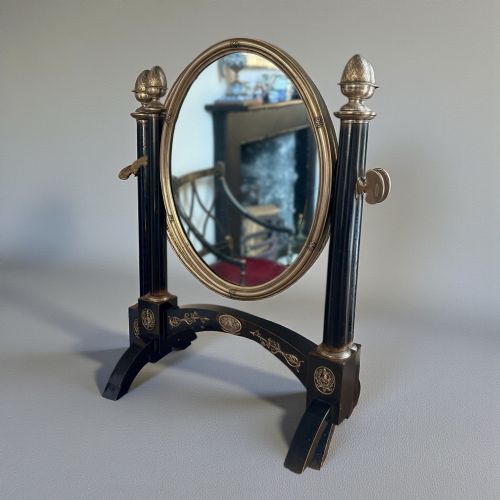
Adjustable dressing mirrors allow the glass angle to be altered for personal use. Proper tightening of the side pivot screws keeps the plate fixed in position.