

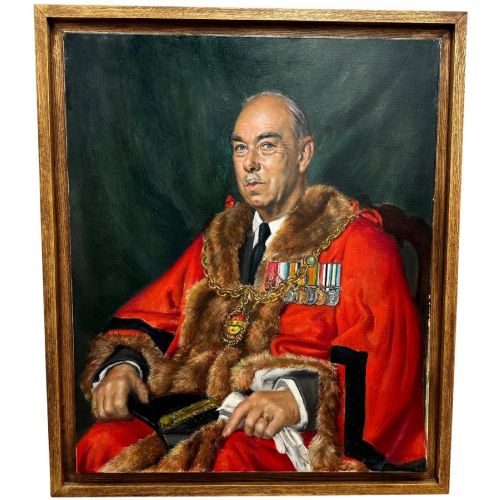
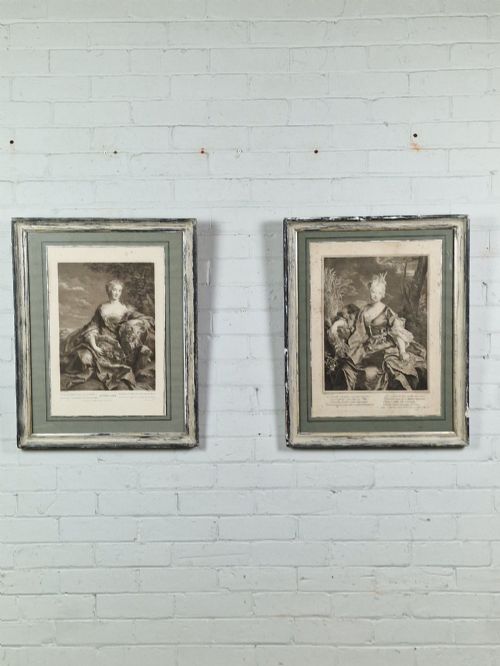
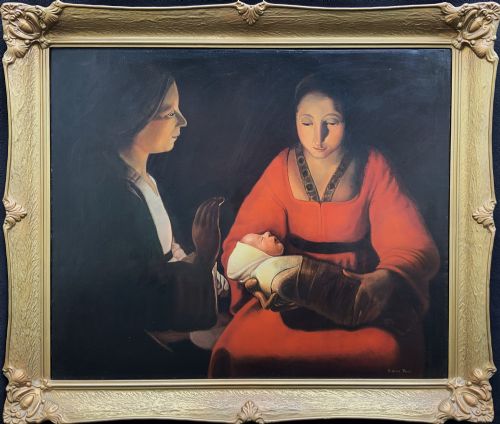
Vintage Framed Portrait
When you search for a vintage framed portrait, you are looking at centuries of painted and printed likenesses housed in period surrounds.
Vintage Framed Portrait
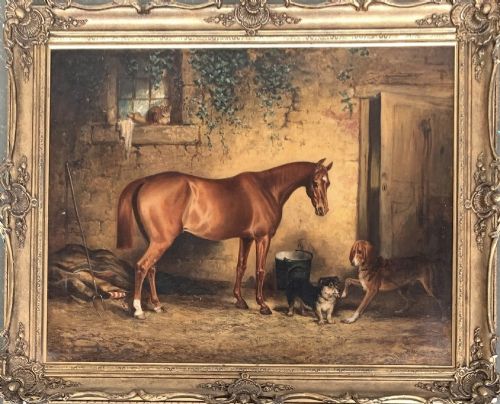
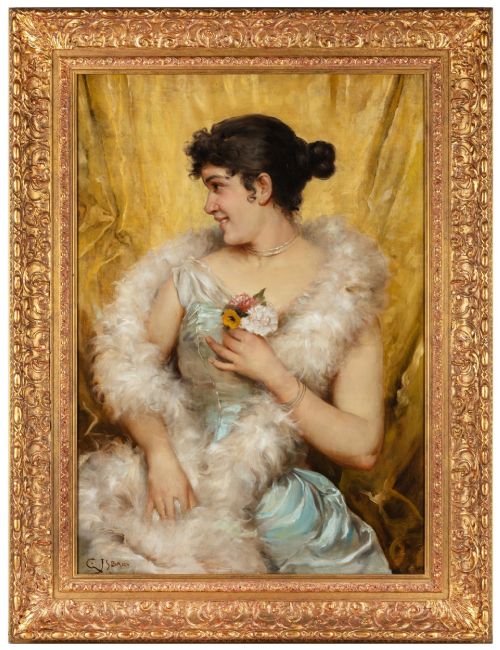
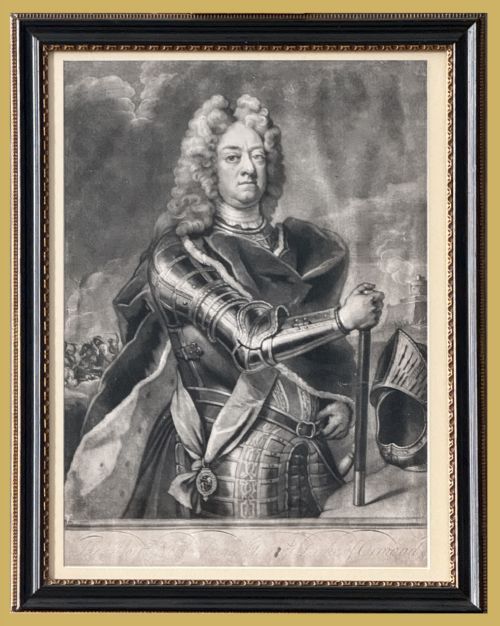
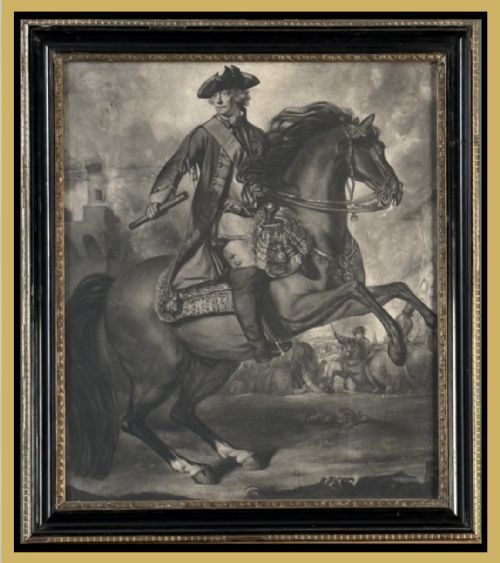
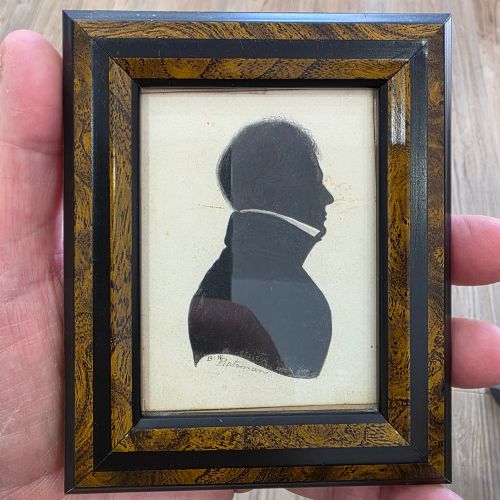
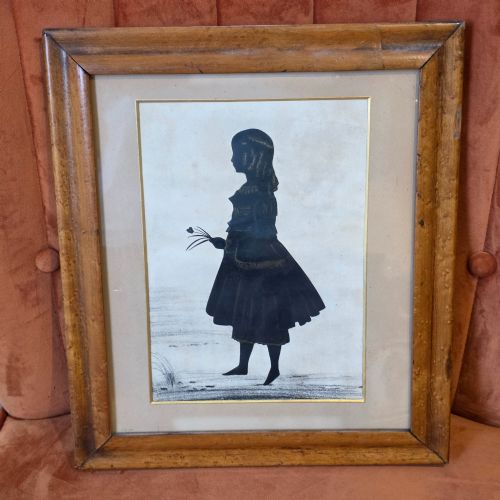
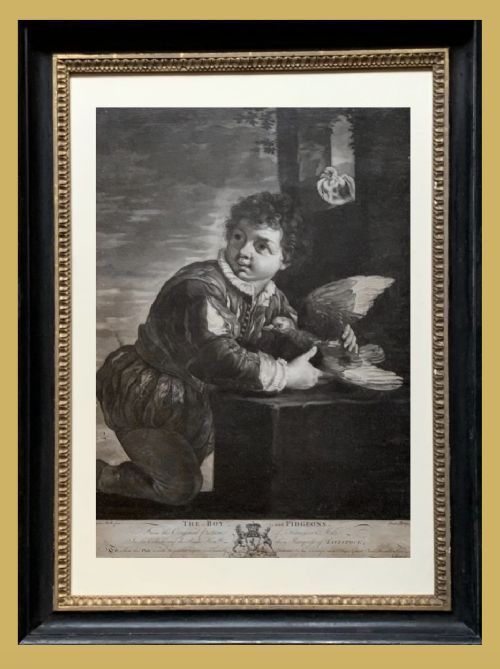
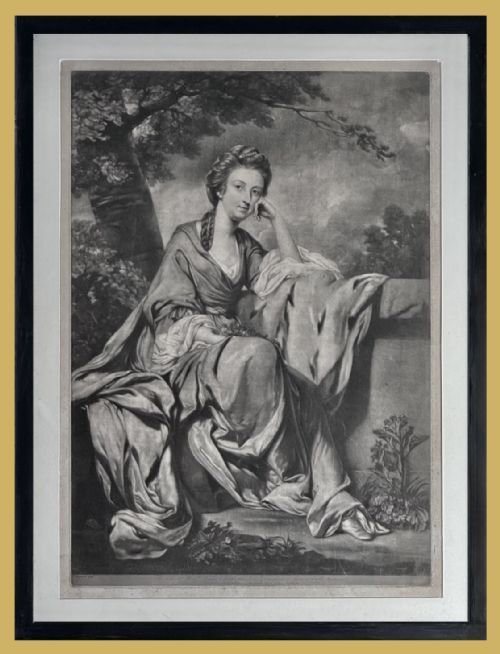
A vintage framed portrait encompasses a wide range of likenesses, from formal oil paintings on canvas and board to delicate watercolours, silhouettes, and mezzotint engravings. The selection spans centuries of artistic endeavour, capturing nobility, everyday subjects, and animals in decorative surrounds.
The objects on this page frequently appear in formats such as 18th-century mezzotints after prominent painters, 19th-century oil studies, and early 20th-century pastels. Buyers encounter everything from grand aristocratic depictions to intimate silhouette miniatures.
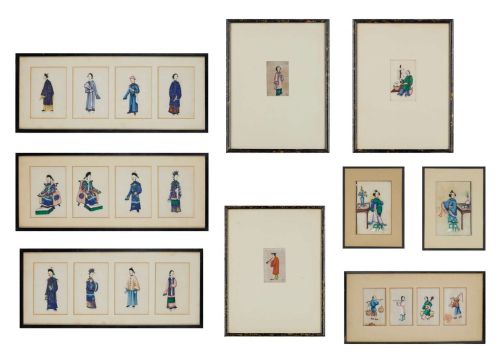
Originating across British, French, and Chinese workshops, these works reflect the prevailing aesthetics of periods like the Georgian, Victorian, and Art Deco eras. Each piece combines the skill of the artist with the craftsmanship of the enclosing frame.
How they were made
Artists utilised traditional media such as oil paint on canvas or board, watercolour and gouache on paper, and pastel on buff paper. Engravers employed metal plates for intricate mezzotints, whilst silhouette artists worked with cut paper.
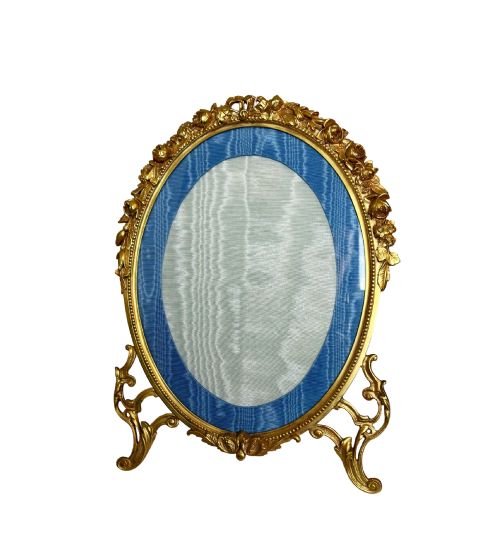
Frames were constructed from wood and finished with materials like gold leaf and giltwood, or formed from cast bronze and sterling silver. These surrounds were specifically designed to complement the visual weight of the artwork within.
Listings feature paper, canvas, wood, and glass alongside media such as oil, watercolour, and pastel across multiple centuries.
What varies in quality
The technical execution of the subject sets finer examples apart, visible in the handling of facial expression, proportion, and light. Masterful brushwork or precision in cut-paper silhouettes demonstrates the superior ability of the creator.
The integrity and originality of the surrounding frame also influence the overall character of the piece. Matching a period-appropriate frame to the artwork enhances the historical cohesion of the object.
John Simon·Michael Dahl·Edward Fisher·Sir Joshua Reynolds·John Boydell·Pier Francesco Mola·Jozsef Molnar·Bernard Hailstone·Georges de La Tour·John Smith·J Sommer·John Hayls·Emily Eyres·Dumini Leopoldo·Cornelis Van Der Voort·James Watson·John Bowles·Sir Peter Lely·Samuel Cooper·John Hassall·King George V·Reginald Arthur Borstel·Horace Hone·Herskind
The Vintage Framed Portrait Glossary
- Mezzotint
- A printmaking process where the copper plate is roughened to achieve rich tonal gradations and deep shadows. This technique was frequently utilised for reproducing oil paintings in the eighteenth century.
- Silhouette
- A portrait cut from paper or painted in solid profile, usually in black. These works gained immense popularity during the Georgian and Regency periods.
- Giltwood
- Wood that has been coated with a thin layer of gold leaf or powder. This finish was standard for decorative frames during the Baroque and French Rococo styles.
- Pastel
- A medium consisting of powdered pigment mixed with a binder and pressed into sticks. Artists used it on paper to achieve soft textures and immediate colour blending.
Vintage Framed Portrait: Frequently Asked Questions
What is a vintage framed portrait?
A vintage framed portrait is a historical or decorative likeness of a person or animal, preserved behind glass or in an open mount within a period frame.
These pieces capture the artistic styles and social history of their respective eras, utilising media ranging from oil paint to delicate paper silhouettes.
How were these portraits displayed historically?
Historically, portraits were hung in formal reception rooms, galleries, and private chambers to display lineage, status, or personal taste.
Smaller works, such as silhouettes and miniatures, were often grouped together on walls or kept in intimate spaces for close viewing.
How do I date a framed portrait?
Dating relies on examining the clothing style of the subject, the mounting materials, and the construction techniques of the frame.
Signatures, inscriptions on the reverse, and the specific composition of the canvas or paper also provide clear chronological markers.
How should I care for these portraits?
Protection from direct sunlight and stable indoor humidity levels are essential for preserving both the artwork and its historical frame.
Keeping the glass clean with gentle methods ensures the surface beneath remains visible without exposing delicate pigments to moisture.