


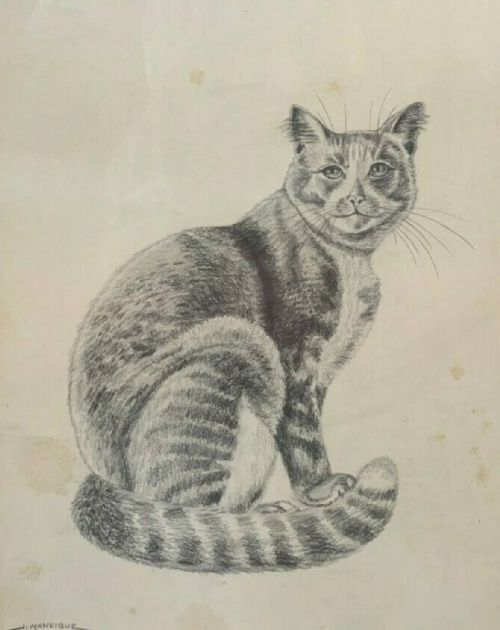

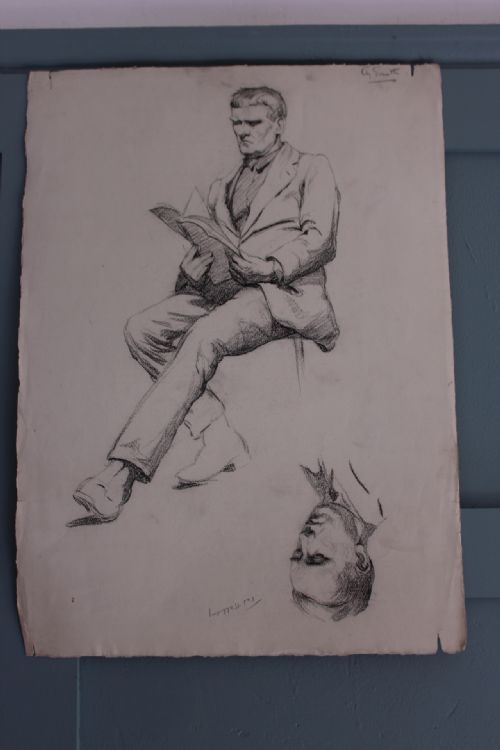

Graphite Portrait Sketch
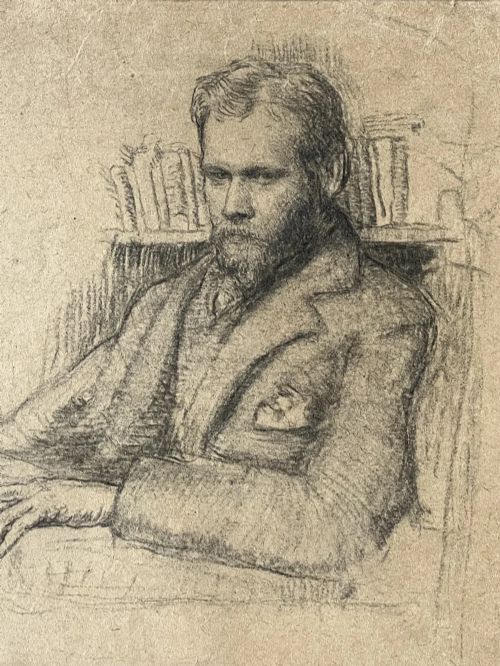
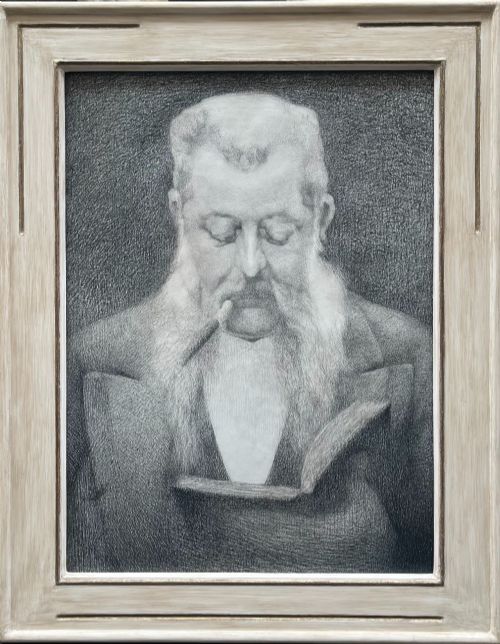
A graphite portrait sketch captures a likeness through the direct interplay of lead, chalk, and paper.
Graphite Portrait Sketch
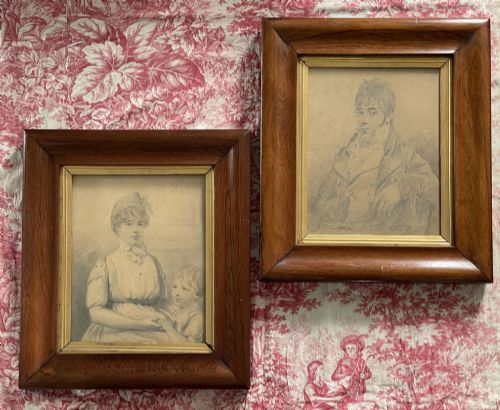
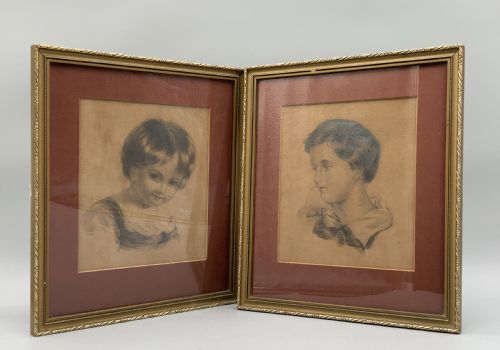
A graphite portrait sketch presents human subjects through intimate, monochromatic line work on paper. These original works range from delicate 18th-century plumbago portraits and Regency-era studies to mid-20th-century character drawings.
Buyers encounter framed art and unframed drawings spanning periods from the Georgian era through to the mid-century. Subjects include gentlemen, children, ladies with pets, and notable historical figures rendered by both named artists and school traditions.
The selection encompasses diverse regional origins, featuring British, French, and Iraqi artists working in styles from Victorian realism to Modern British art and Symbolism.
Materials and Technique
Artists utilise graphite, pencil, and chalk on paper surfaces, frequently housing the finished works beneath glass within wood or gilt frames. Some compositions incorporate charcoal or gold leaf to add tonal depth and emphasis.
The technique relies on the careful control of pressure and shading to build volume, texture, and expression without the distraction of colour. Draftsmanship is direct and unvarnished, recording the immediate observations of the artist.
Listings span multiple eras from the 18th century to the 1950s, using paper, graphite, charcoal, and gold leaf.
Distinctions in Execution
The preservation of the paper support and the sensitivity of the framing, such as period gilt or wood surrounds, influence the overall integrity of the piece. Provenance and attribution to documented hands elevate the historical significance of the work.
Augustus John·James Ferguson·Ozias Humphry·Mariette Lydis·Faeq Hassan·Henri Josephe Hesse·Sir Nathaniel Dance-Holland·Juliet Pannett
The Graphite Portrait Sketch Glossary
- Plumbago
- An early form of graphite drawing executed with a pointed lead ore stick on vellum or paper. These fine works were particularly popular in the eighteenth century for miniature portraits.
- Graphite
- A crystalline form of carbon used as a drawing medium. It provides the soft, metallic grey lines fundamental to these sketches.
- Symbolist School
- An artistic movement focusing on internal psychological states and metaphorical imagery rather than strict realism. Works from this tradition often emphasise mood and inner emotion.
- Manner of
- A term indicating that a drawing is executed in the style of a specific master without being a direct copy by that hand. It reflects the broader influence of prominent portraitists on contemporary practitioners.
Graphite Portrait Sketch: Frequently Asked Questions
How should I display a graphite portrait sketch?
Keep these works out of direct sunlight to prevent the paper from yellowing and the graphite from fading over time. Standard conservation framing with UV-filtering glass helps protect the delicate medium.
Position the drawing on an interior wall where humidity levels remain stable. Proper environmental control ensures the paper support stays flat and secure within its frame.
What is the difference between a sketch and a study?
A sketch is typically a quick, spontaneous record of a subject or composition captured on paper. It emphasises immediate observation rather than finished detail.
A study is often a more deliberate exercise focused on a specific element, such as a hand, a facial expression, or lighting. Artists create studies to prepare for larger paintings or more complex finished works.
How do I identify the period of a drawing?
Examine the paper type, watermark, and framing materials for period-specific characteristics. Eighteenth-century works often utilise hand-laid paper with distinct chain lines.
Stylistic cues in costume, hair styling, and the sitter's posture also offer reliable dating evidence. Signatures, inscriptions on the reverse, and artist attribution provide further historical context.
Can I remove a drawing from its old frame?
Historic frames often contribute to the character and age of the piece, so careful consideration is recommended before making any changes. Older backing materials may provide valuable provenance clues or artist inscriptions.
Consult a professional paper conservator if the drawing requires new mounting or cleaning. Old adhesives can damage the paper if removed without specialised knowledge.