



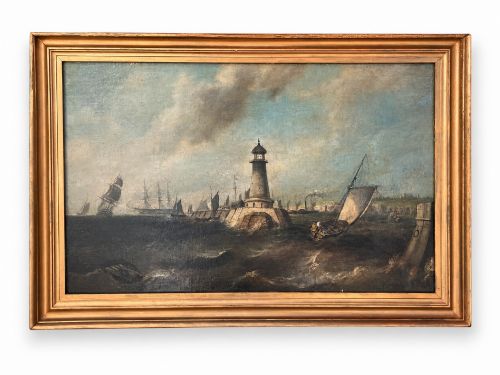
Vintage Framed Ocean Art
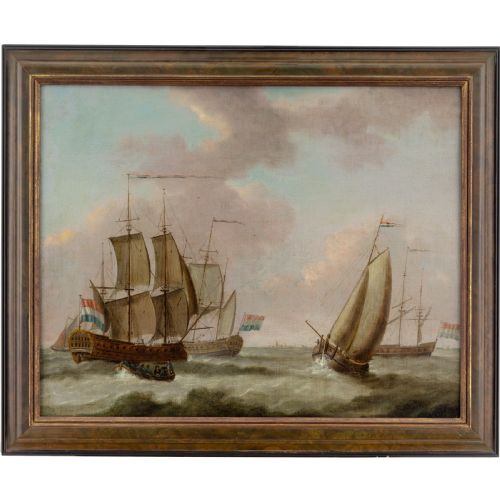
Vintage framed ocean art captures the raw movement of open water through maritime scenes created across the nineteenth and twentieth centuries.
Vintage Framed Ocean Art
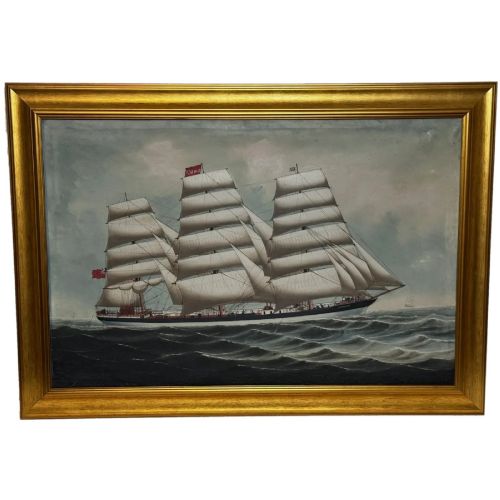
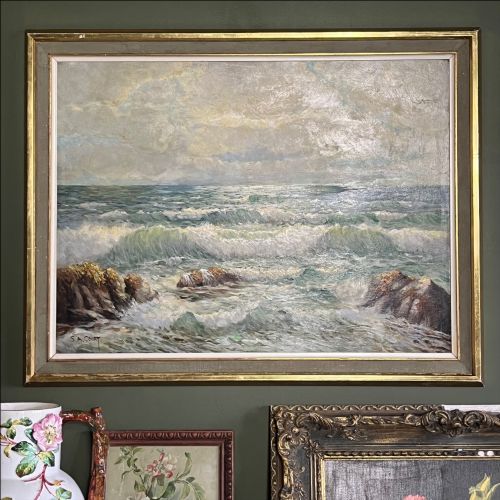
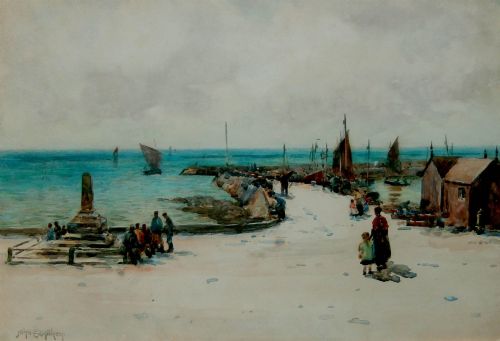
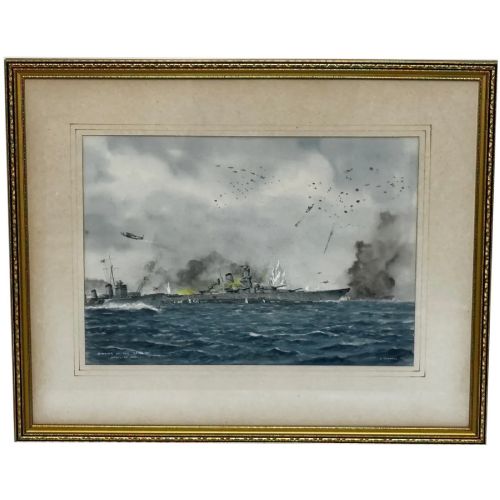
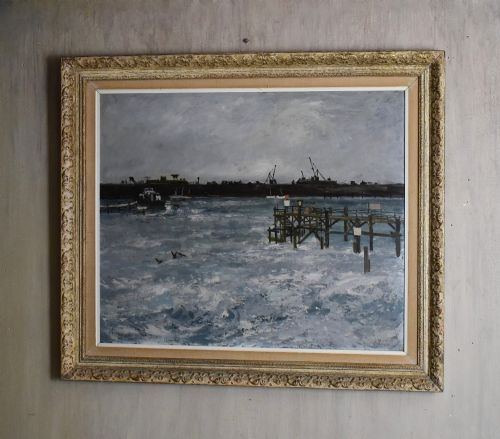
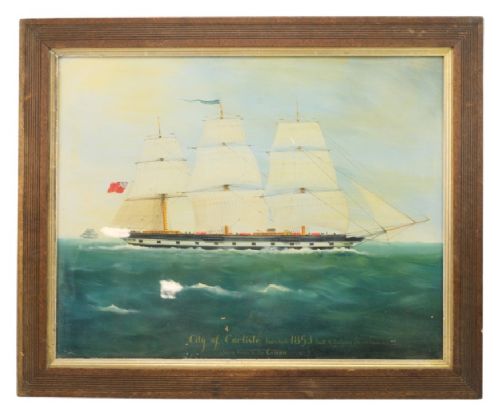
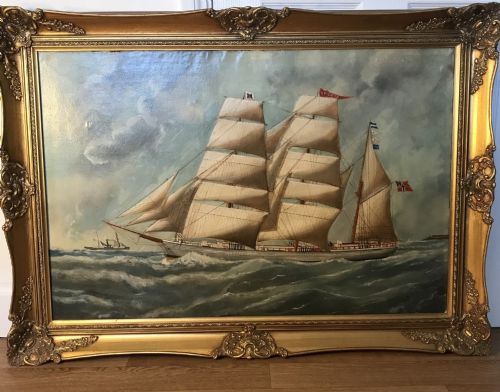
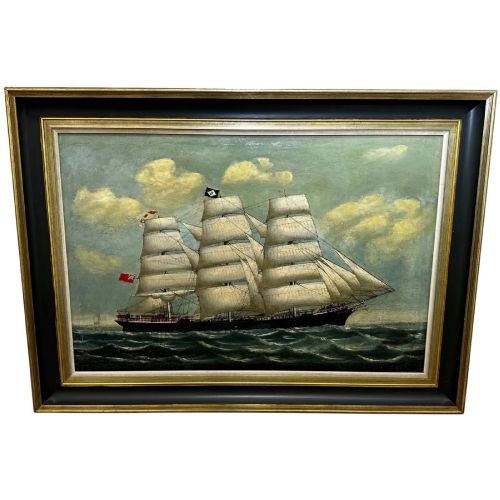
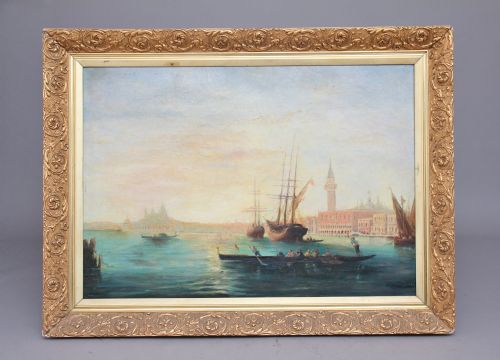
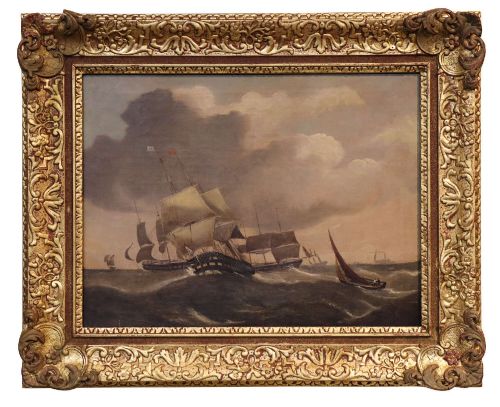
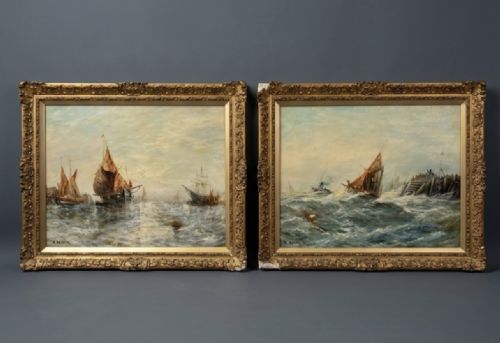
Vintage framed ocean art brings together paintings, watercolours and prints depicting seascapes, coastal views and maritime history. Buyers searching this phrase meet works ranging from nineteenth-century sailing ships in heavy seas to mid-twentieth-century coastal landscapes and harbour views.
The selection on this page relies heavily on original oil paintings on canvas or board and detailed watercolours preserved behind glass. These works frequently arrive in period wooden and gilt frames that complement the maritime subject matter.
Materials and construction methods
Artists rendering these coastal scenes utilised oil paint, watercolour, gouache and ink applied to canvas, wood panels, heavy paper and board. Oil paints provided the texture needed to capture turbulent waves and stormy skies, while watercolour allowed for translucent washes of light across coastal horizons.
The enclosing frames combine carved or moulded wood with gilt finishes, paper backing and protective glass where watercolours or prints required shielding from the atmosphere.
Materials recorded in the inventory include oil paint, watercolour, gouache, canvas, wood, paper and glass.
Distinctions in quality and execution
Quality rests upon the artist's command of light, atmosphere and maritime architecture, separating stiff renderings from works that convey the weight of water and movement of wind. Finer pieces demonstrate precise knowledge of rigging, hull construction and coastal topography.
The integrity of the physical medium and the compatibility of the frame also dictate the standing of a piece, as original period frames that retain their original gilding enhance the historical context of the painting.
Clifford Hanney·Reginald Arthur Borstel·Sidney A Court·Charles Edward Dixon·John E Aitken·Eric Tufnell·William Banks Fortescue·F Corpuz·Peter Brannan·Lai Fong·Nicholas Condy·William Henry Williamson·George Stanfield Walters·Warwick Goble·Elisabeth Bardon·Charles Napier Hemy·Norman Lloyd·Abraham Hulk Snr·Stephen J Renard·Hendrik Willebrord Jansen
The Vintage Framed Ocean Art Glossary
- Pierhead painting
- A specialised genre of marine art depicting specific commercial or naval vessels, often commissioned by ship captains or owners to record a particular ship accurately.
- En plein air
- A French term describing paintings executed outdoors in the open air, allowing the artist to capture natural light and atmospheric conditions directly from the coast.
- Impasto
- A technique where paint is laid onto a canvas in very thick areas, usually thick enough that the brush or painting-knife strokes are visible.
- Gouache
- An opaque water-based paint consisting of pigment, water, a binding agent and inert white pigment, producing a heavier and flatter finish than traditional watercolour.
Vintage Framed Ocean Art: Frequently Asked Questions
What periods do these maritime paintings come from?
The works span from the nineteenth century through the Edwardian era and into the mid-twentieth century. Artists recorded changing naval technology, commercial shipping and coastal scenes across these decades.
Victorian and early twentieth-century examples dominate the selection, reflecting a period when maritime trade and coastal leisure held prominent cultural positions.
How should I hang and care for antique ocean art?
Keep these framed works away from direct sunlight and damp environments to protect the canvas, paper and wooden frames from degradation. Stable indoor temperatures prevent the cracking of old oil paint and the warping of wooden panels.
Ensure that hanging hardware is securely fixed into wall studs due to the substantial weight of older wooden frames and glass panels.
Are these paintings original works or prints?
The majority of pieces listed are original hand-painted works in oil or watercolour, alongside select gouache paintings and period prints. Each listing identifies whether the item is an oil painting, watercolour or print.
Signatures, brush texture and the absence of dot matrix patterns help distinguish original paintings from mechanical reproductions.
How do I identify the subject of a marine painting?
Look for clues in the vessel rigging, hull design, flags and coastal landmarks included in the composition. Many titles and inscriptions on the reverse record specific ships, ports or locations such as St Ives or the Venetian lagoon.
Specialist pierhead paintings often name the exact steamship or sailing vessel portrayed within the turbulent waters.