



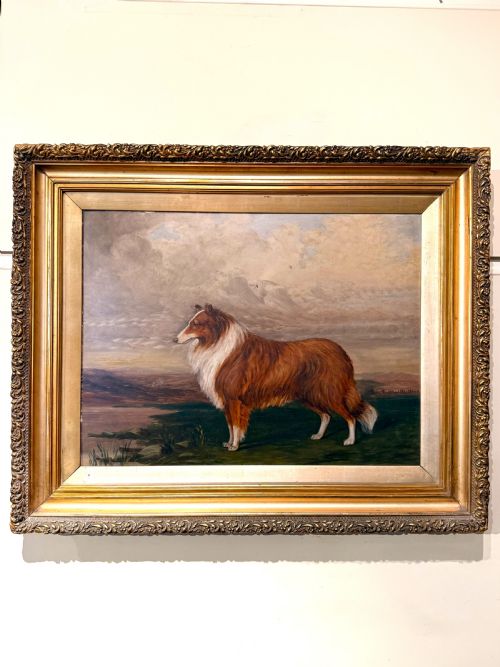
Vintage Framed Landscape
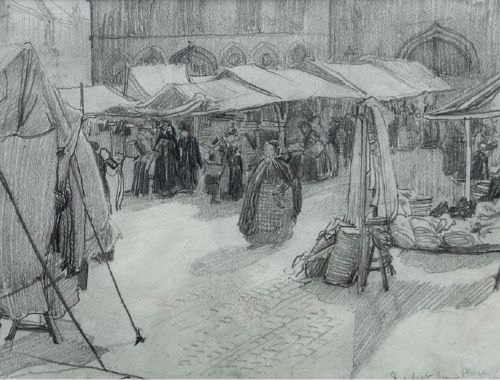
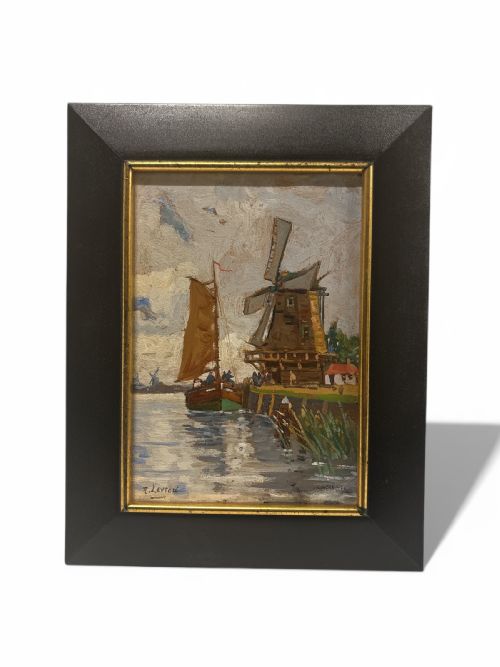
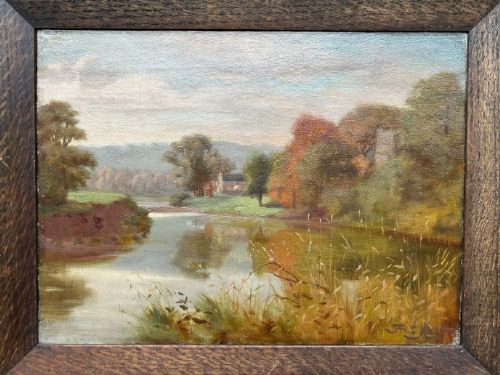
A vintage framed landscape brings an expansive view of countryside, coast or river directly into a room within a period frame.
Vintage Framed Landscape
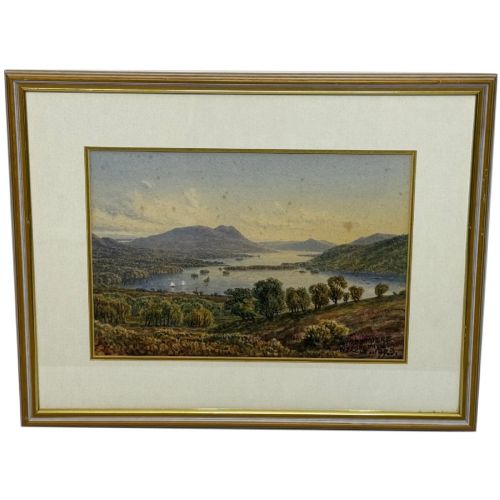
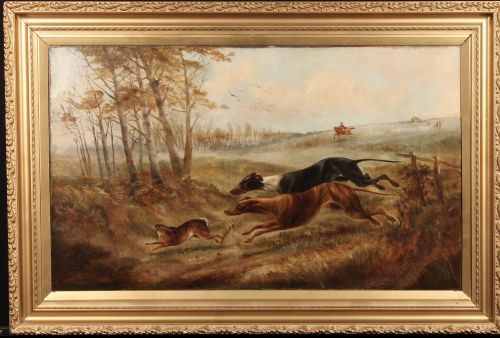
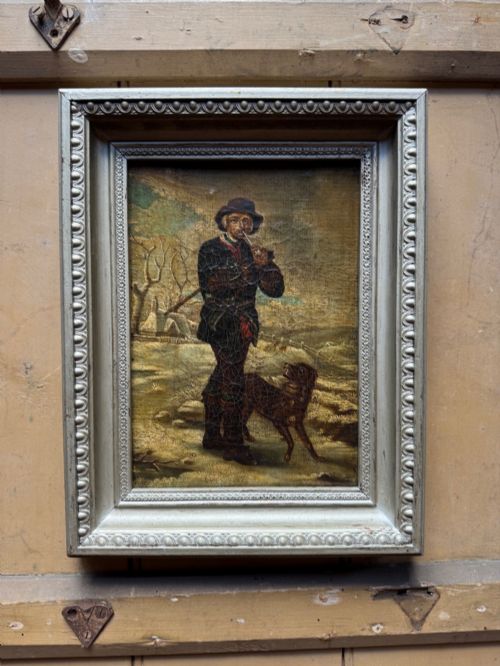
When you search for a vintage framed landscape, you encounter works spanning from the nineteenth century through the mid-twentieth century, capturing pastoral fields, marine scenes and woodland views. These pieces range from intimate watercolours on paper to substantial oil paintings on canvas and board, housed in period wood and gilt frames.
The selection on this page relies heavily on early twentieth-century and mid-century examples alongside nineteenth-century works. You will frequently find signed British and European watercolours and oil paintings depicting scenes from local village harbours to sweeping lake districts.
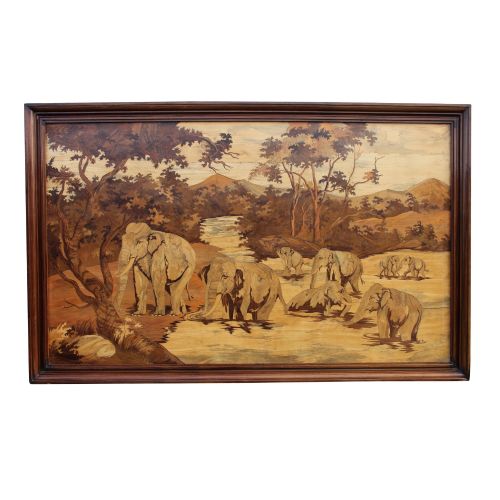
Beyond standard canvas paintings, the category encompasses diverse formats including marine seascapes, pencil drawings, lithographs and silk paintings. Each piece is preserved within its original or period-appropriate frame, maintaining the character established at its creation.
What varies in quality
The skill of the brushwork and the precision of perspective separate a master artist's topographical study from a standard decorative copy. Hand-signed works by known painters command closer attention for their compositional depth and confident handling of light.
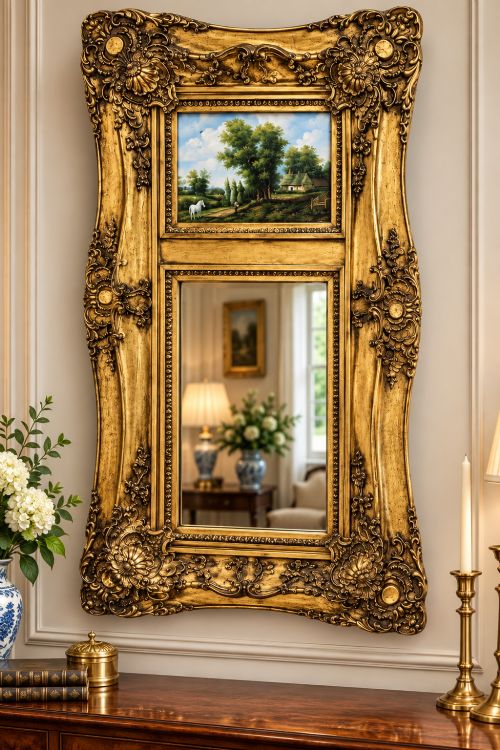
The integrity of the original frame and the preservation of the canvas or paper surface dictate the overall standard of a piece. Original gilt frames retaining their early surface finishes elevate the physical presence of the artwork.
Materials recorded across the archive include oil paint, watercolour, pencil, silk, card, paper, canvas and wood.
Henry Percy Huggill·William H Myers·George Graham·Donald Grant·Clifford Hanney·Frederick Marriott·Reginald Arthur Borstel·A. Marie Parsons·William Joseph Shayer Senior·Alfred Fontville de Breanski Jr·Sidney A. Court·EJ Letheren·B. Nash·Edward Mills·Robert Leslie Howey·Kershaw Schofield·George Houston·John E. Aitken·William Banks Fortescue·Thomas W Lascelles·William Joseph Boyes·James Kay·Augusto Alberici·Gabriel Mathieu·Fred Lawson
The Vintage Framed Landscape Glossary
- Impasto
- Paint applied thickly to a canvas or board, standing proud of the surface and retaining visible brush or palette knife marks. This technique adds tactile depth and catches ambient light.
- Watercolour
- A painting method where fine pigment powders are suspended in a water-soluble binder, traditionally applied to paper. It creates transparent washes that capture delicate atmospheric effects.
- Gilt
- A thin layer of gold leaf or metallic paint applied to wood or plaster mouldings on a frame. It provides a reflective border that enhances the colours within the artwork.
- En plein air
- A French expression describing the practice of painting outdoors to capture direct observations of natural light and weather. Works produced this way often display rapid, lively brushwork.
- Provenance
- The documented history of ownership and origin of an artwork. A clear provenance helps confirm the attribution and authenticity of a signed piece.
Vintage Framed Landscape: Frequently Asked Questions
How do I hang a heavy framed landscape safely?
Heavy oil paintings in solid wood frames require secure wall fixings distributed evenly across two points rather than a single central wire. Professional picture hooks rated for the specific weight of the frame ensure the piece remains stable against the wall.
Position the centre of the canvas at eye level to replicate gallery standards and avoid hanging works in areas subject to direct sunlight or damp conditions.
Can I remove the painting from its original frame?
Original frames are integral components of vintage landscapes, often selected or built specifically for the artwork by the artist or contemporary framers. Removing a painting risks damaging both the fragile edges of the canvas and the aged rebates of the frame.
Keeping the ensemble intact preserves the historical context and visual balance established when the piece was first exhibited.
How do I distinguish between an oil painting and a watercolour?
Oil paintings feature a textured, light-reflecting surface of dried linseed binder that sits on top of canvas, board or panel. They are typically displayed without glass protection.
Watercolours utilise thinner pigment absorbed into paper fibres, requiring a protective layer of glass and a matt to keep the paper separated from the surface.
What is the best way to clean an antique frame?
Gently dust gilded or wooden frames using a soft, dry brush to remove accumulated particles without disturbing delicate or flaking gesso. Avoid liquid cleaners, chemical sprays or abrasive cloths, which can strip historic gilding.
If the canvas itself requires attention, consult a professional conservator rather than attempting home cleaning methods.