
Vintage Framed Country Art
Vintage framed country art brings together agricultural scenes, rural landscapes and animal portraits housed in period surrounds.
Vintage Framed Country Art
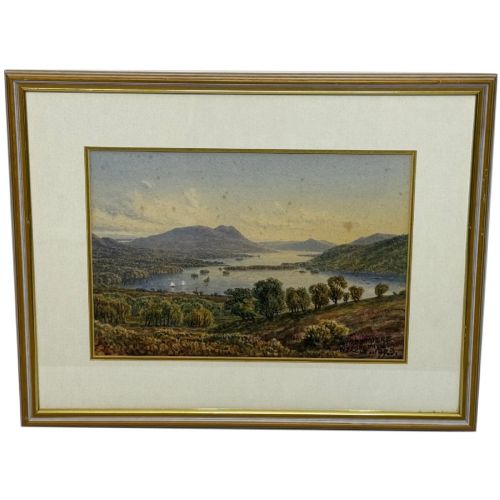
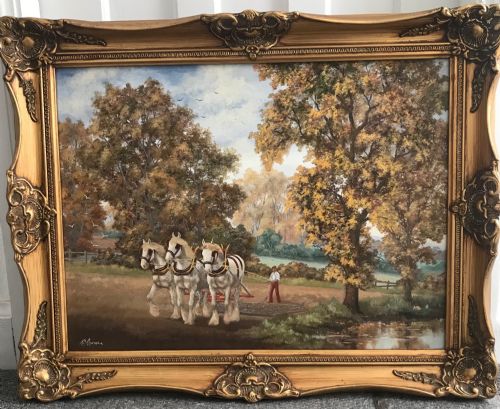
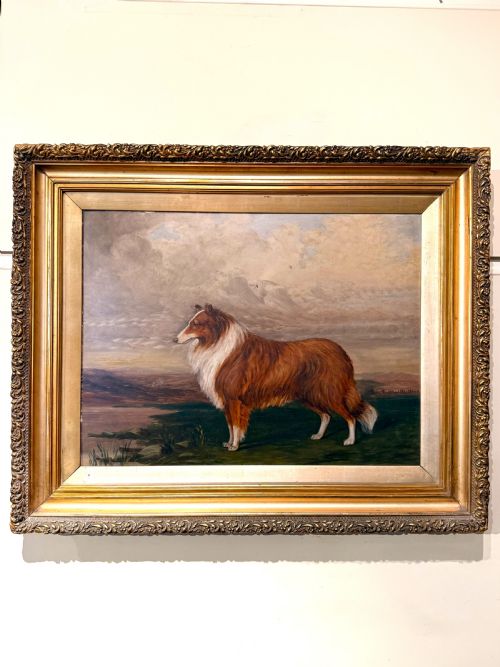
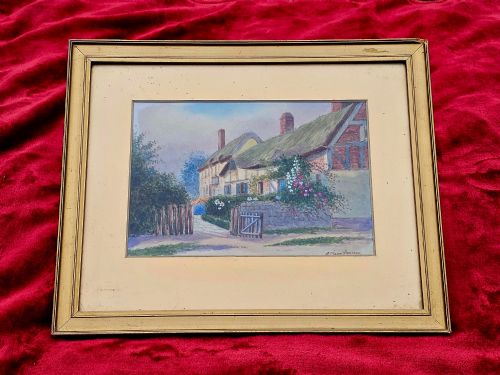
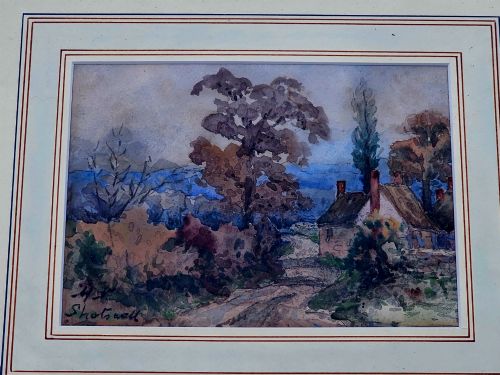
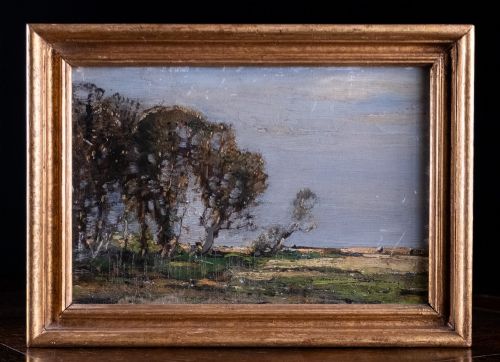
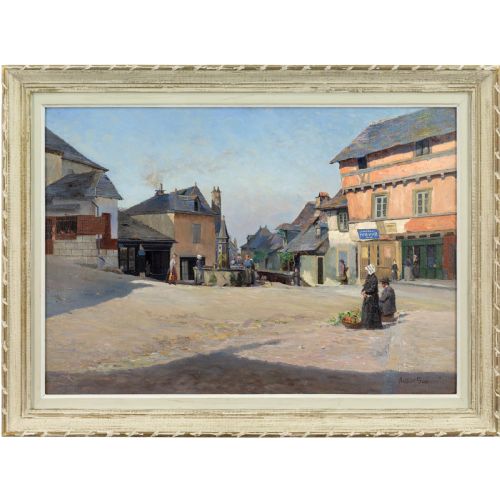
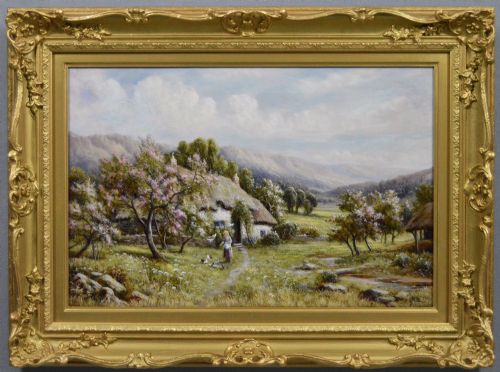
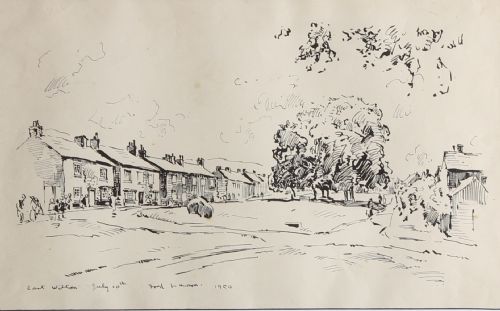
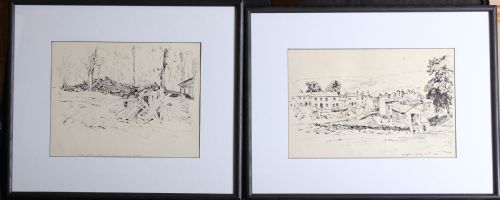
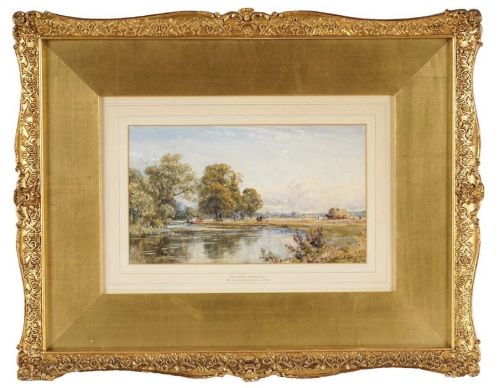
Vintage framed country art encompasses oil paintings, watercolours, ink drawings and prints depicting rural life, farming scenes, cottages and domestic animals. Pieces span from the nineteenth century through the mid-twentieth century, capturing traditional village scenes and agricultural subjects.
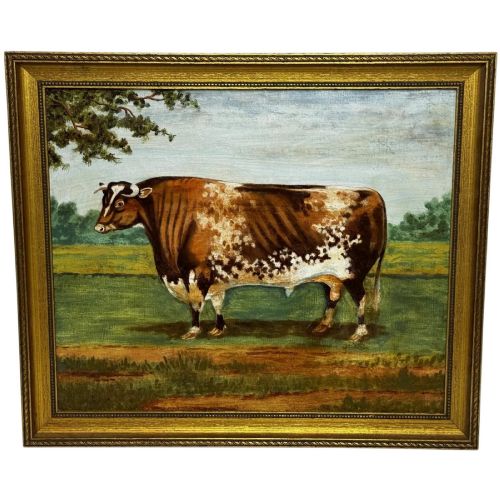
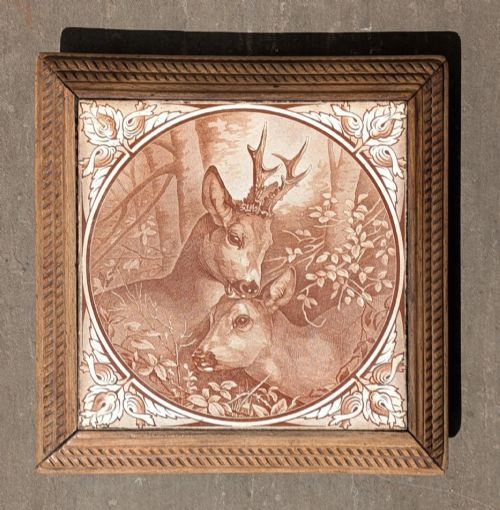
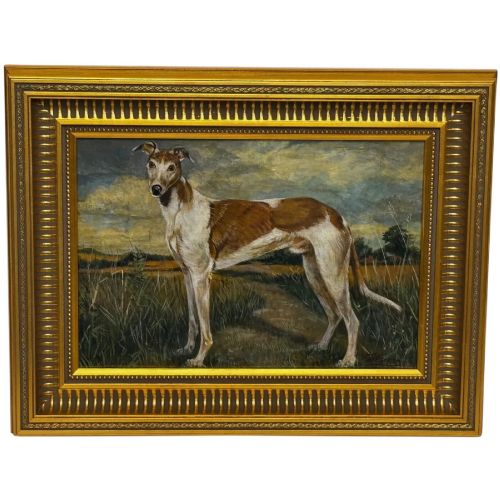
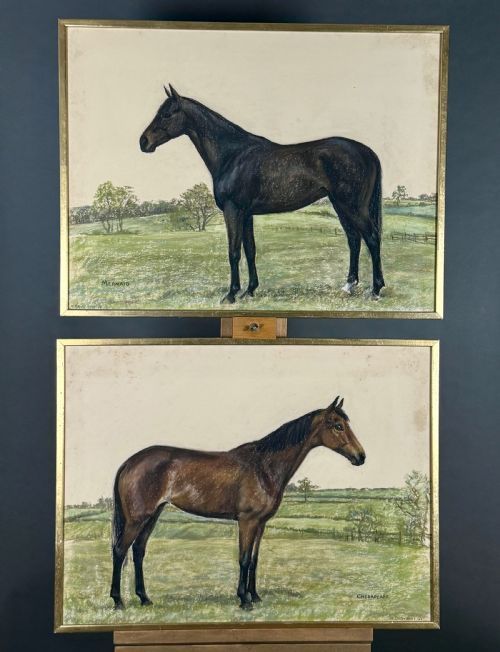
Buyers encounter works by named British and European artists alongside pieces attributed to the British School. Common subjects include shire horses, cattle, dogs, game birds and rural landscapes featuring cottages, rivers and farmyards.
The presentation relies on period framing, utilising wood, glass and giltwood to enclose paper, canvas, board and card supports. These works reflect the visual traditions of traditional country, impressionist and sporting styles.
Materials and construction
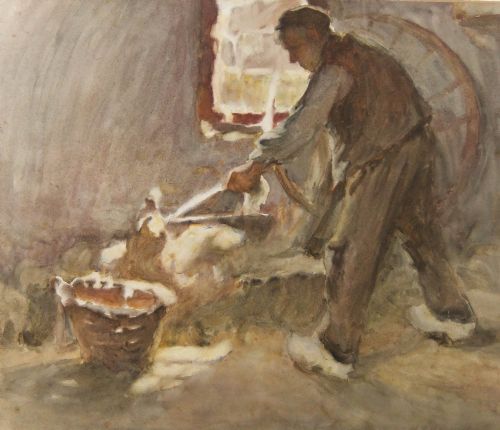
Works are executed in oil paint, watercolour, pastel, ink and lithography upon supports of canvas, paper, card, board and fabric embroidery. Oil on canvas and watercolour on paper dominate the selection, frequently housed behind protective glass.
Frames are constructed from wood, including giltwood mouldings, designed to support and protect the artwork. Support mechanisms range from standard wall hanging mounts to specialised wooden stands.
Listings feature works across the nineteenth century, Victorian era, Edwardian period and twentieth century up to the nineteen-sixties.
What separates examples in quality
Quality rests upon the execution of the medium, evident in the handling of brushwork in oils or the precision of line in watercolour and ink drawings. Finer examples display accomplished anatomical accuracy in animal portraits and convincing perspective in landscape depth.
The integration between the artwork and its period frame influences the overall standing of a piece. Original matching frames that complement the date and aesthetic of the painting carry greater visual harmony.
A. Marie Parsons·Kershaw Schofield·Arthur Gué·Henry Silkstone Hopwood·Robert John Hammond·Fred Lawson·Robert Thorne Waite·John Smith Atherton·George Augustus Holmes·Frederick James Kerr·Edgar Hunt·George Wright·William Albert Clarke·Herbert Royle·Rene Levrel·Henry Yeen King·Percy Lancaster·C R Breytle
The Vintage Framed Country Art Glossary
- Oil on canvas
- Pigment bound in a drying oil applied to a woven fabric stretched across a wooden frame. This medium allows for rich colour depth and layered texture.
- Watercolour
- Paint consisting of colour pigments suspended in a water-soluble vehicle, typically applied to paper. It produces transparent washes and delicate tonal gradations.
- Giltwood
- Wood that has been coated with a thin layer of gold leaf or gilt paint. It is commonly found on traditional frames from the nineteenth and early twentieth centuries.
- Lithograph
- A print made from a flat stone or metal plate on which the image area is receptive to ink. This technique enabled the reproduction of rural scenes and sporting prints.
- British School
- A designation used for works produced by British artists whose specific identities are unrecorded. It groups pieces by shared national artistic training and period style.
Vintage Framed Country Art: Frequently Asked Questions
What periods do these pieces date from?
The selection spans from the nineteenth century through the mid-twentieth century. Pieces reflect Victorian, Edwardian and later modernist influences.
Dating relies on stylistic markers, artist signatures, framing methods and the physical materials used for supports.
How should I hang these artworks?
Ensure wall fixings match the weight of the framed piece, particularly for larger oil paintings on canvas. Consider eye level placement in rooms with stable temperature and humidity.
Keep pieces away from direct sunlight to protect watercolours and paper supports from fading over time.
Are the frames original to the art?
Many works retain their period wooden or giltwood frames, which contribute to the historical character of the piece. Some frames reflect the specific decade in which the artwork was created.
Examination of the rebate and fixings helps determine whether a frame has been paired with the artwork at a later date.
What subjects are most common?
Rural landscapes, agricultural scenes and animal portraits form the primary focus of the works. Common motifs include working horses, cattle, dogs, game birds and village cottages.
These subjects reflect a longstanding artistic interest in country life and traditional British field sports.