
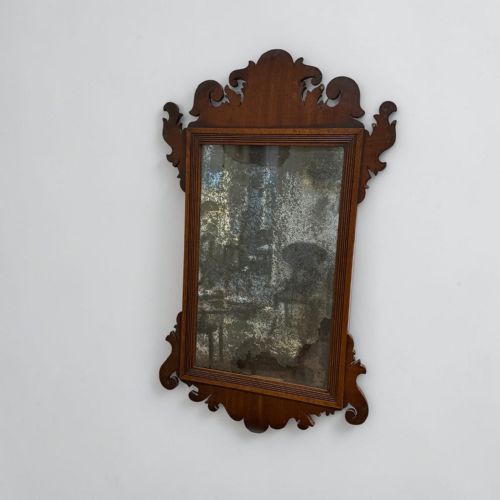
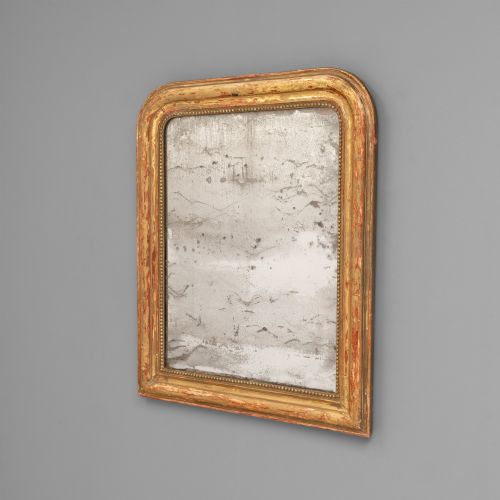
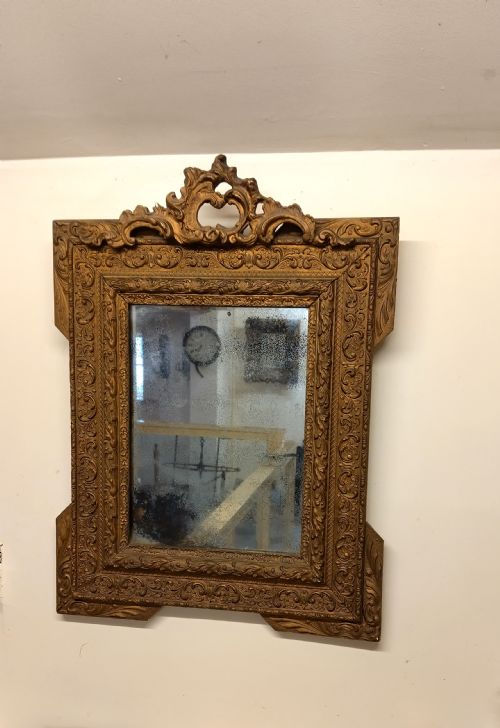
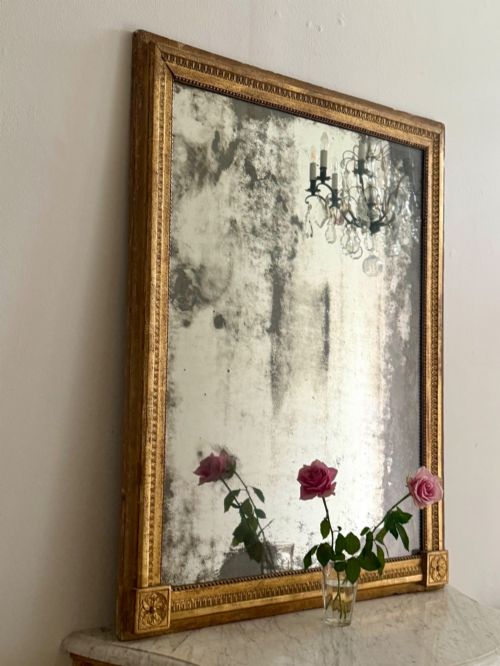
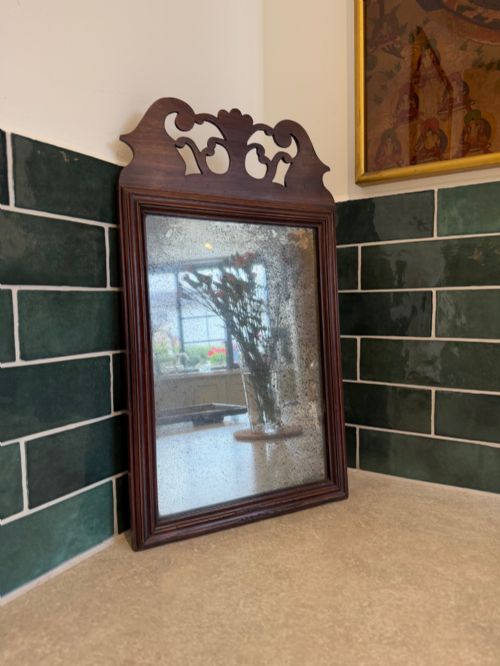
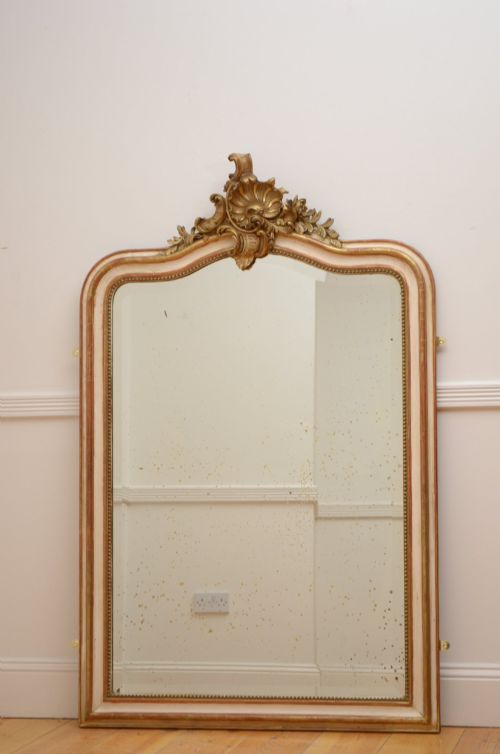
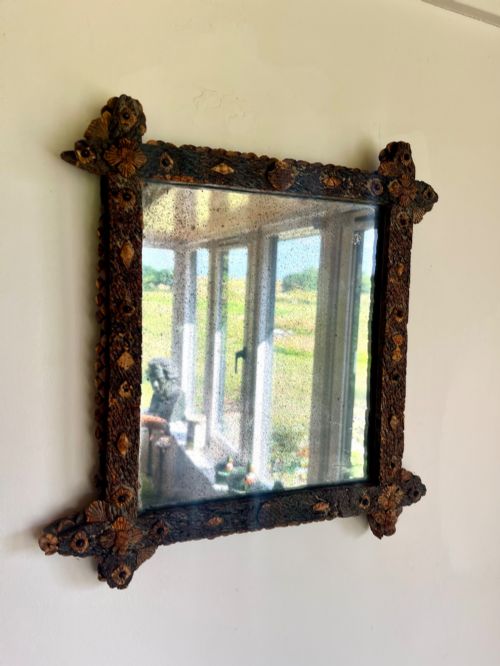
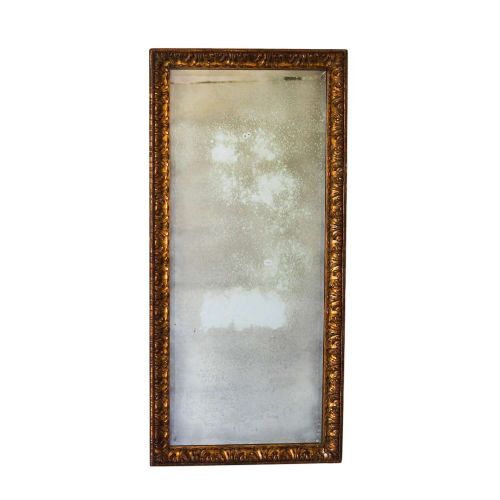
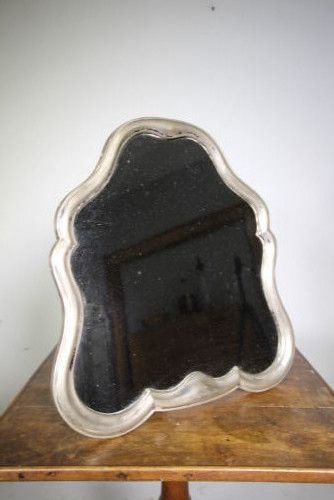
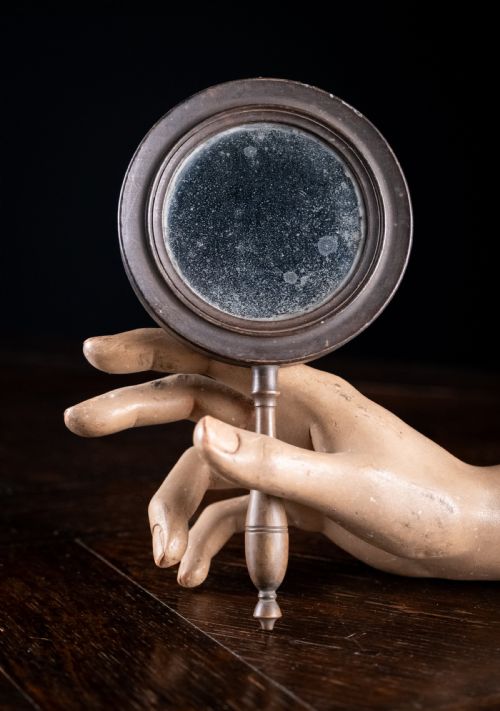


Vintage Foxed Glass Mirror
These vintage foxed glass mirror examples combine aged silvered plates with period frames, bringing atmospheric reflection and historic character to interior walls.
Vintage Foxed Glass Mirror
A vintage foxed glass mirror selection on this page encompasses wall mirrors, overmantel mirrors, hand mirrors, and dressing mirrors spanning the eighteenth, nineteenth, and early twentieth centuries. You will most frequently encounter French gilt wall mirrors and overmantel forms featuring plates with natural age spots.
The objects originate from varied European traditions including French chateau and provincial workshops, Georgian English cabinetmakers, and Regency studios. Forms range from neat arched top wall mirrors and pier bistro mirrors to decorative carved wood and gesso overmantels.
Period contexts dictate the primary silhouettes, moving from the clean lines of Georgian mahogany and Regency handheld vanities to ornate French rococo revival and Napoleon III gold leaf frames. Each piece displays the distinct marks of its era through plate oxidation and frame construction.
Materials and construction methods
Makers constructed frames using carved wood, gesso, mahogany, rosewood, and brass, frequently applying gold leaf or paint finishes. Gilding techniques involved laying thin gold leaf over prepared gesso bases on wooden carcases.
Mirror plates were produced using traditional techniques, including mercury silvering on early examples, which naturally breaks down over time to create the characteristic foxed spots. Glass was bevelled by hand and set into rebates behind timber or metal frames.
Distinctions in craftsmanship and preservation
Quality rests in the original relationship between the plate and the frame, where authentic period mercury glass pairs with hand-carved gesso or solid timber rather than replacement modern materials. The depth of the frame carving and the crispness of the original gilding distinguish finer atelier pieces from simpler utility items.
The distribution and natural progression of the foxing on the glass plate influence the visual merit of the piece. Plates that have aged organically without intrusive modern interventions hold greater integrity for collectors of period mirrors.
The Vintage Foxed Glass Mirror Glossary
- Foxing
- The natural oxidation and degradation of the silver backing on a mirror plate, creating dark spots and mottled patches. This occurs over decades as atmospheric moisture interacts with the metal compound.
- Mercury glass
- A double-walled glass blown object or flat mirror plate silvered with a mercury amalgam between the glass layers. It produced a warm, deep reflection before safer chemical silvering methods replaced it in the nineteenth century.
- Gesso
- A plaster mixture applied to wood frames as a smooth base for gilding or painting. Skilled artisans carved intricate scrollwork and floral motifs directly into this dried composition.
- Overmantel mirror
- A wide horizontal mirror designed specifically to hang above a fireplace mantelpiece. They often feature arched tops and substantial carved wood frames suited to period reception rooms.
- Trumeau mirror
- An antique decorative wall mirror integrated with a painted panel or oil painting above the glass plate. Originating in France, they were designed to fit flush into wood-panelled interior walls.
- Pier mirror
- A tall, narrow mirror traditionally placed on the wall space between two windows. These items frequently served commercial environments such as French bistros alongside domestic interiors.
Vintage Foxed Glass Mirror: Frequently Asked Questions
What causes the spots on these mirrors?
The dark marks, known as foxing, develop when air and moisture seep behind the glass over long periods, reacting with the silver or mercury backing.
This chemical degradation transforms the reflective surface into a mottled pattern valued for its atmospheric appearance.
Are these plates original to the frames?
Many pieces retain their original mercury or early silvered glass plates, though centuries of use mean some have experienced restoration.
Examining the fit within the rebate and the consistency of the ageing helps determine whether the glass and frame share the same period.
How do I hang a heavy overmantel mirror?
Due to the substantial weight of carved wood, gesso, and thick glass plates, these mirrors require secure fixing directly into wall studs or masonry.
Professional mirror hangers utilise heavy-duty brackets suited to the specific weight distribution of the timber frame.
How should I clean antique glass?
Preserving the delicate foxed surface requires gentle dusting with a dry microfibre cloth rather than standard liquid glass cleaners.
Moisture can seep behind the edges of the plate and accelerate the degradation of the remaining silver backing.