

Vintage Folk Art Painting
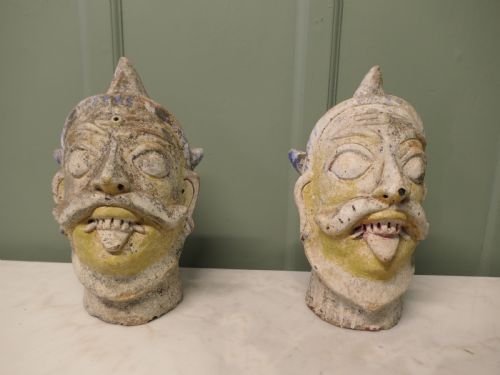
These vintage folk art painting selections bring together regional naive works and painted timber objects spanning the eighteenth to the mid-twentieth century.
Vintage Folk Art Painting
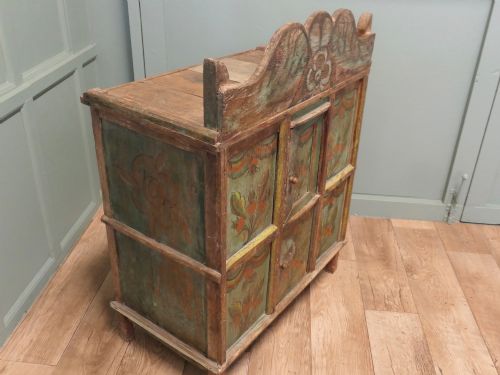
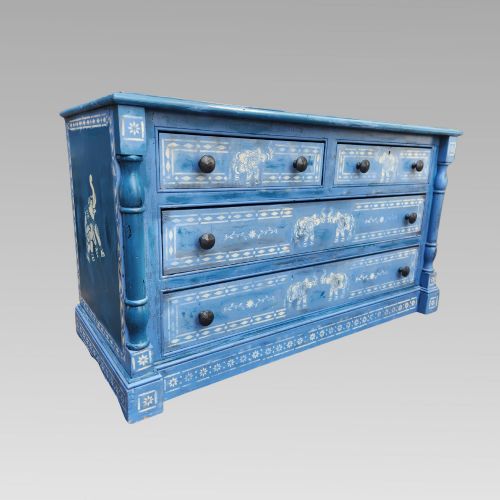
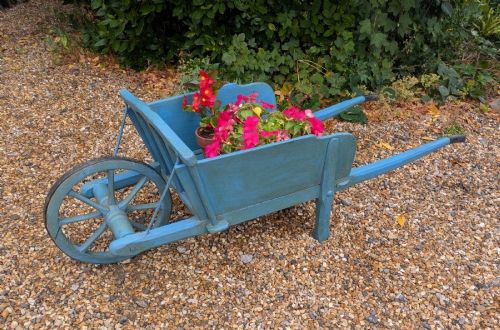
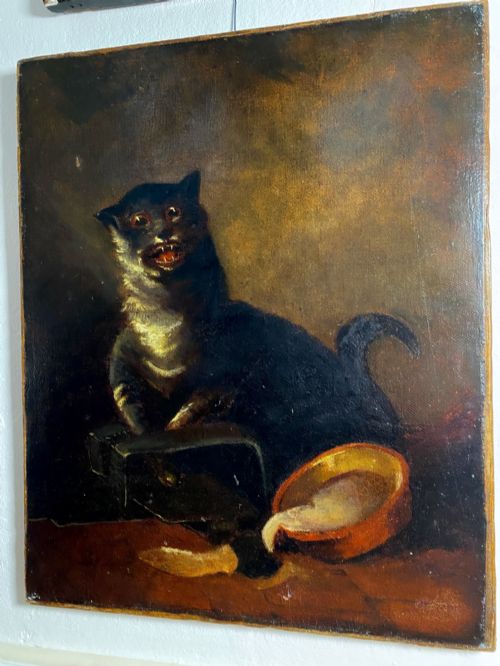
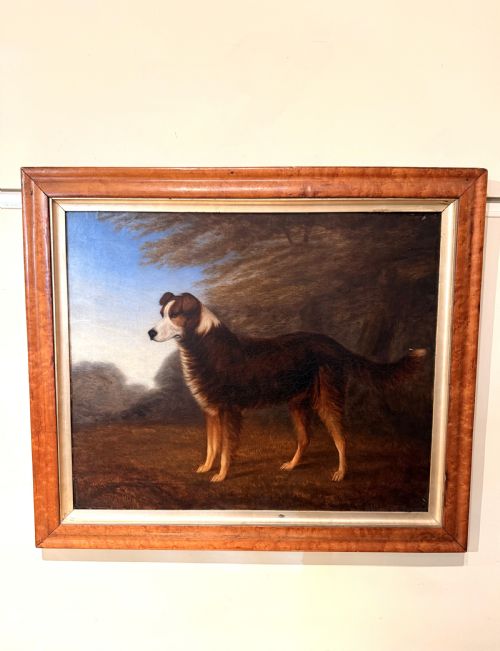
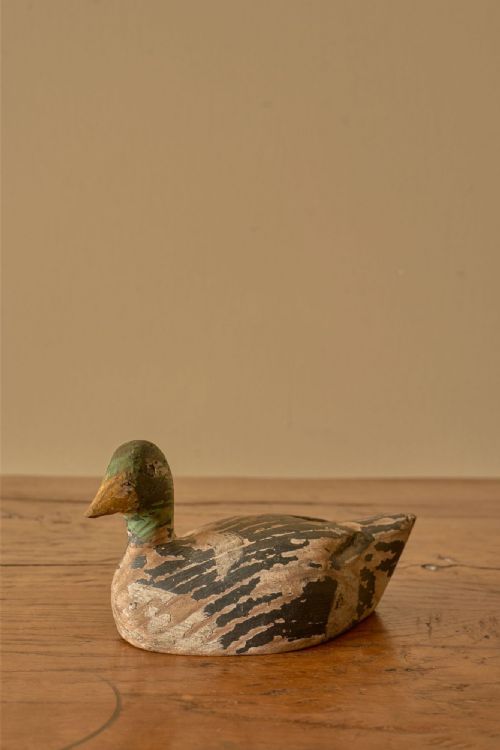
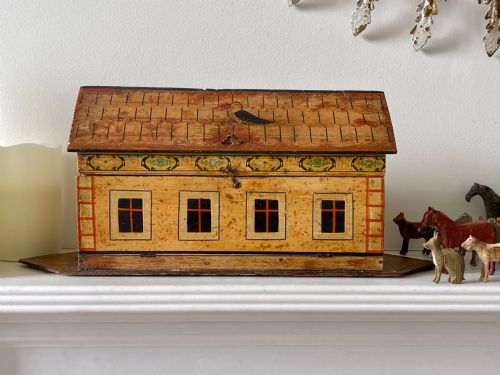
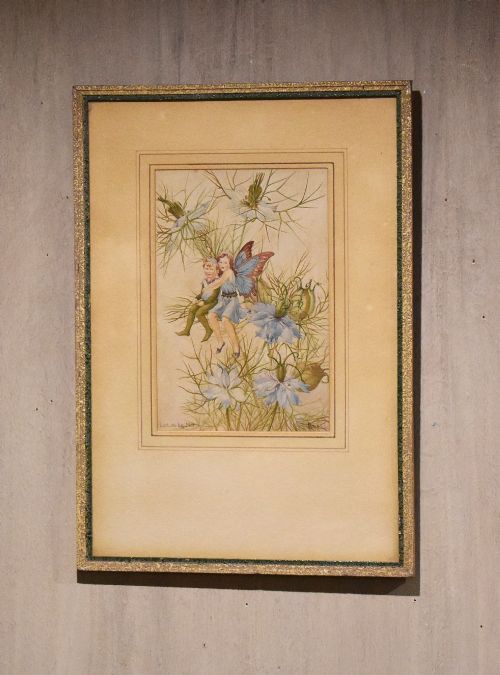
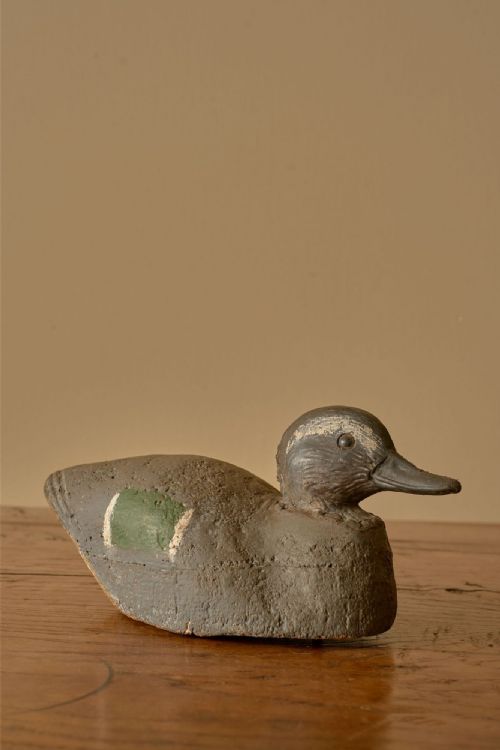
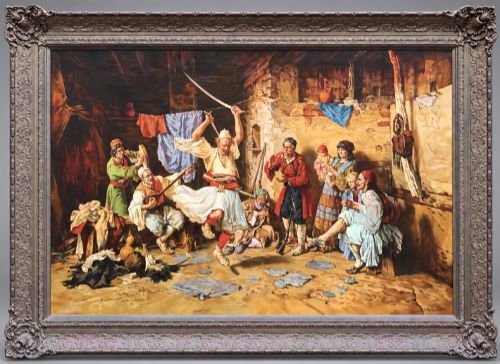
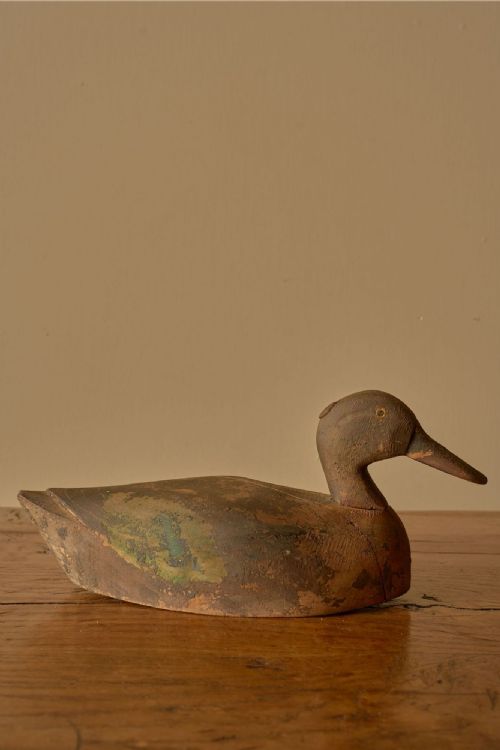
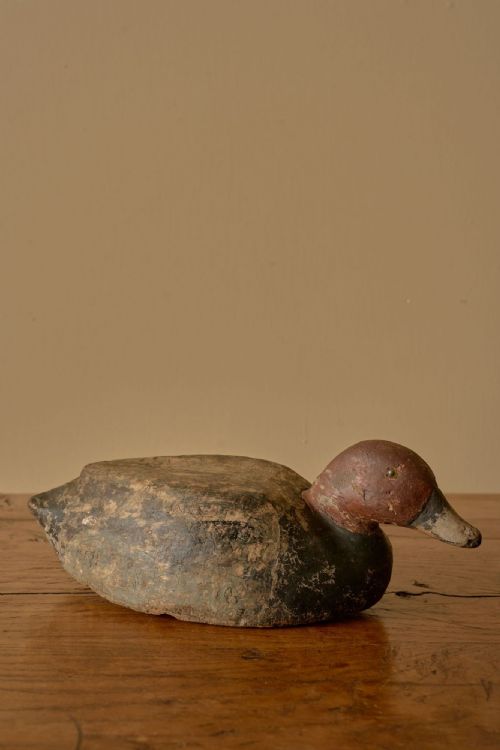
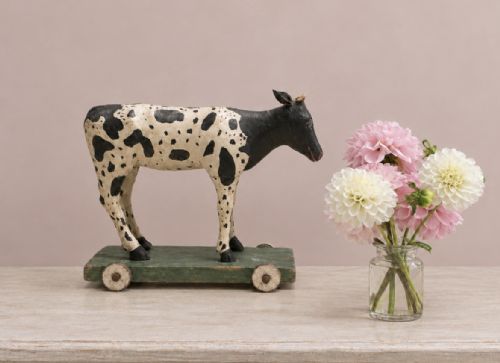
When you search for a vintage folk art painting, you encounter unacademic works created by self-taught hands, often capturing domestic animals, local characters, and rural scenes. The inventory here includes oil paintings on canvas and board alongside painted wooden objects, panels, and textiles.
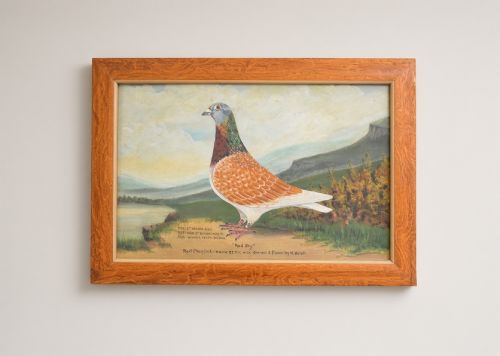
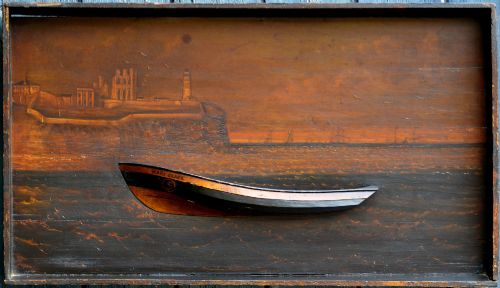
Most examples date from the nineteenth and early twentieth centuries, reflecting regional European and British traditions. These items range from framed portraits of cats and racing pigeons to painted panels depicting ships and architectural backdrops.
How they were made
Makers utilised available local materials, applying oil paint or watercolours directly to wood, canvas, pine panels, and fabric. Surfaces often received layers of lead-based or oil paints that accrued weathering and patina over decades of domestic use.
Framing and mounting varied by region, with many panels left unglazed or housed in simple timber mouldings made by the maker or local joiner. Brushwork remained direct and unpretentious, prioritising bold outlines and flat planes of colour over academic perspective.
Vintage Folk Art Painting Retail Price Guide 2026
Typical asking prices for vintage folk art painting among the pieces listed under this phrase on Sellingantiques today, from the lower quarter to the upper quarter. They describe what is for sale here now, not the wider market.
Listings feature items spanning the eighteenth century through to the nineteen-sixties, using oil, paint, glass, and pine.
What varies in quality
The strength of a piece rests upon the confidence of the draughtsmanship and the preservation of its original painted surface. Unrestored pigment retaining its original tone and texture elevates an item above examples with heavy modern overpainting.
Compositional energy and the individuality of the subject matter distinguish simpler utility pieces from more ambitious figurative works. Character and proportion in naive portraiture or animal depictions determine the visual impact of the object.
J Brown·Vishnyakov Workshop·Marjorie L Davies·Paja Jovanović·R.D. Roberts
The Vintage Folk Art Painting Glossary
- Naive art
- Visual work produced by an artist without formal academic training, characterised by a rejection of standard perspective and proportion.
- Patina
- The surface sheen and wear accumulated on wood and paint through age, handling, and environmental exposure.
- Primitive
- A descriptive term for early or provincial objects displaying simple construction methods and unrefined stylistic elements.
- Pigment
- The ground colour material mixed with oil, water, or binder to create the paint layers on canvas and wood.
- Stretcher
- The wooden frame used to tension canvas prior to painting and framing.
Vintage Folk Art Painting: Frequently Asked Questions
How do I care for old painted wood?
Keep painted wooden pieces away from direct sunlight and steady humidity levels to prevent the pigment from flaking. Dust gently with a dry, soft cloth without applying liquid polishes.
Avoid abrasive cleaners that might strip away fragile surface layers or original patination. Stable indoor environments preserve the underlying timber and paint adhesion.
What defines naive portraiture?
Naive portraits display flat perspective, direct gazes, and simplified anatomical structures rendered by provincial painters. These works focus on clear character depiction rather than academic proportions.
Subjects often include family pets, local livestock, or community members portrayed within simple domestic or rural settings.
How are these painted objects dated?
Dating relies on material analysis, including the type of timber, cut of nails, and formulation of the underlying paint layers. Stylistic clues within costume, architecture, and lettering also help narrow the period.
Signed works or dated inscriptions provide direct chronological markers for specific pieces.
Where were these pieces originally displayed?
Many items originated in farmhouses, cottages, and provincial workshops as functional decorations or trade signs. Painted panels and small canvases hung in domestic parlours or communal gathering spaces.
Objects such as decorated chests and boxes served both storage functions and decorative roles within the home.