


Vintage Folding Flap Table
A vintage folding flap table offers adaptable surface space in rich timber, combining clever mechanics with domestic history.
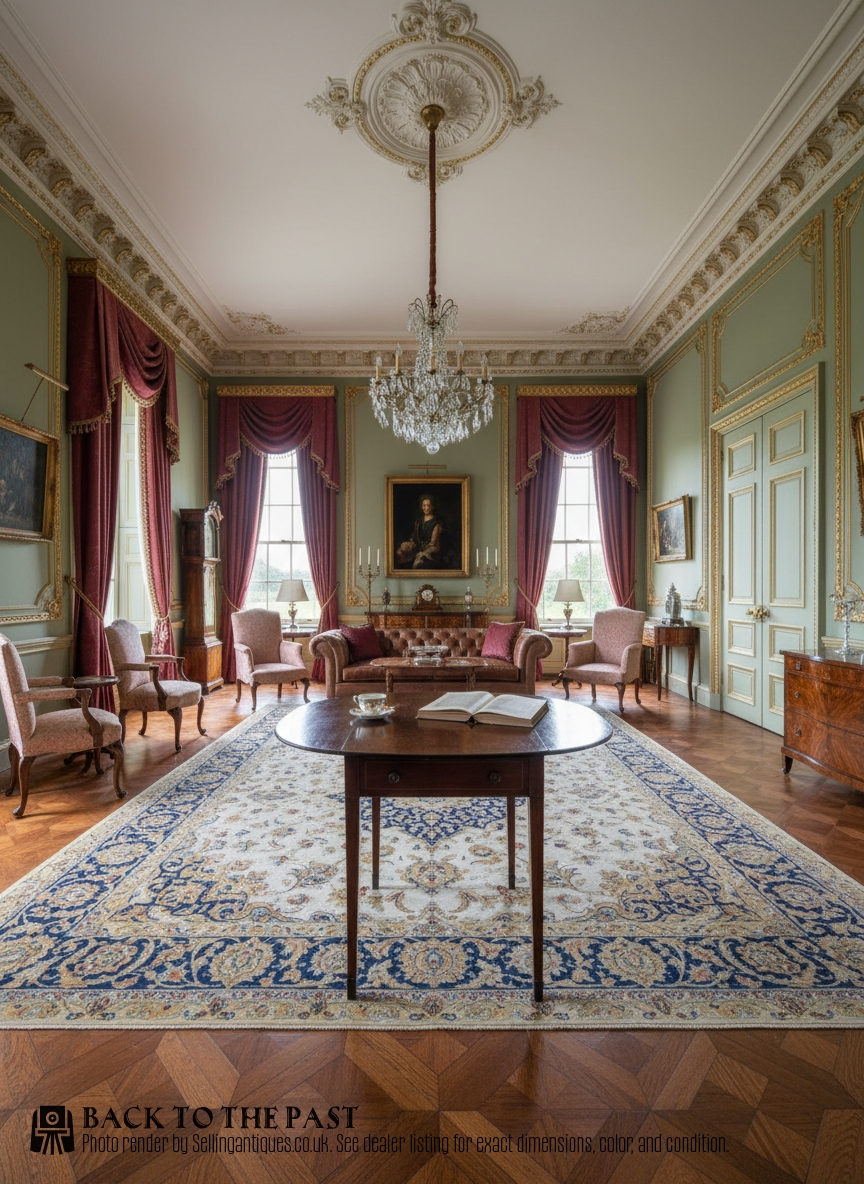
Vintage Folding Flap Table
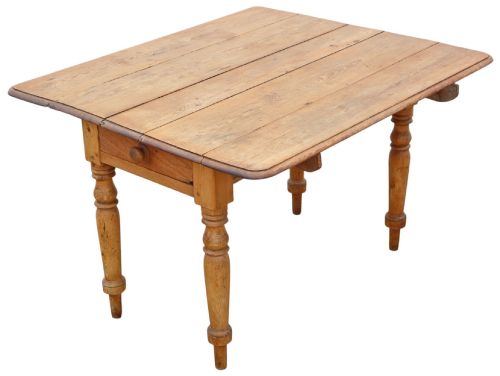
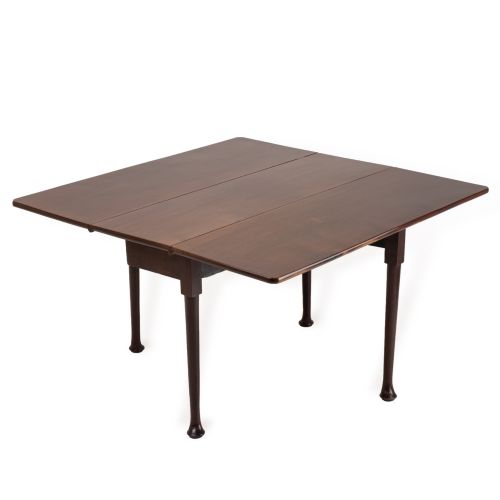
A vintage folding flap table provides practical versatility for everyday spaces through hinged leaves that expand the surface when needed and drop down to save room. These pieces appear in forms ranging from compact coffee tables and side tables to large dining tables, games tables, and desks.
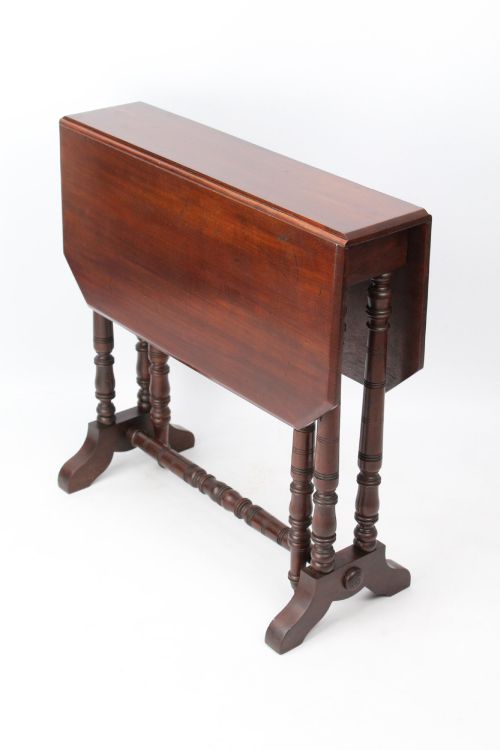
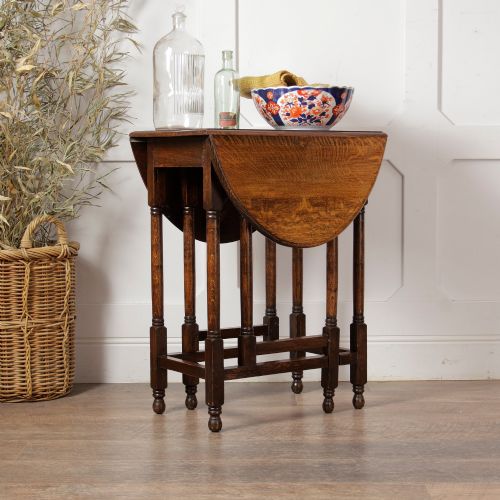
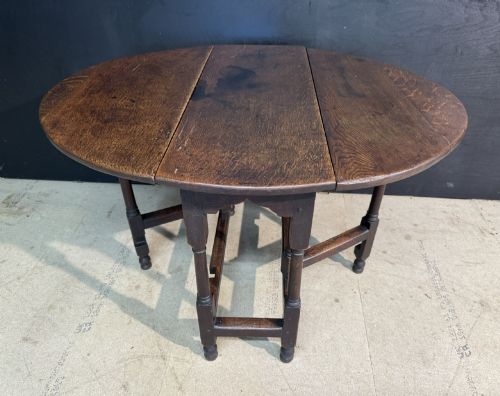
The selection on this page draws primarily from periods spanning the 17th century through the 1930s, including Georgian, Victorian, and Edwardian eras. Buyers frequently encounter gateleg designs, Sutherland tables with slender folding leaves, and Pembroke or tea tables featuring drop leaves.
Makers utilised native and imported hardwoods to construct these tables for various domestic settings, from country cottages to formal parlours. The fundamental mechanics rely on hinged flaps supported by swing legs, folding gate structures, or pivoting brackets.
Materials and construction methods
Cabinet makers relied heavily on timber selection, constructing frames and tops from oak, mahogany, walnut, and pine, often accented with burr walnut or satinwood veneers and brass hardware. Solid hardwoods provided the structural integrity required for pivoting legs and moving flaps.
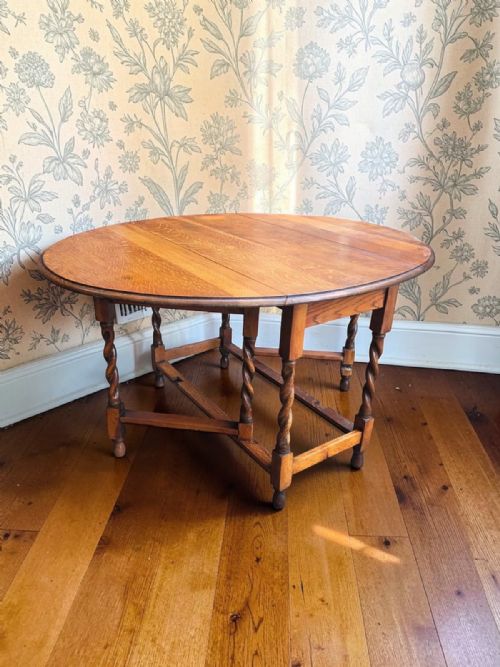
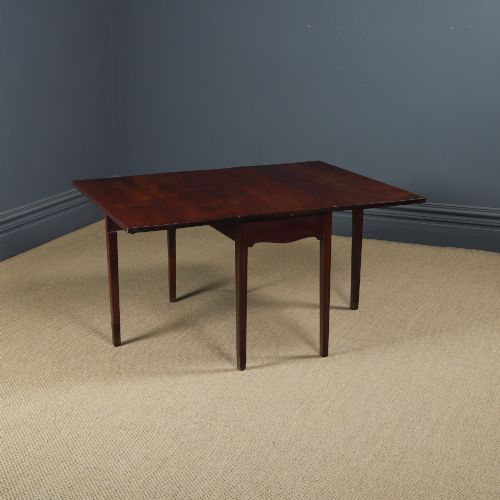
Joinery techniques varied by period, employing traditional mortise and tenon joints for sturdy gateleg frames alongside dovetailed drawers where storage was included. Turned elements such as barley twist legs appeared frequently in oak iterations, while mahogany examples often featured slender straight or inlaid tapered supports.
Table forms span dining tables, games tables, desks, coffee tables, and occasional side tables.
Distinguishing quality across examples
Quality rests upon the precision of the hinge mechanisms and the stability of the folding or swinging supports when fully extended. Superior pieces maintain a flush, level surface across the flaps and centre board without sagging or dipping at the joints.
The choice of timber grain and the crispness of turned or carved details, such as barley twists or inlaid stringing, separate utilitarian items from finer examples. Original brass fittings and smooth drawer operations further indicate superior craftsmanship.
The Vintage Folding Flap Table Glossary
- Gateleg table
- A table with hinged leaves supported by one or more legs that swing outward like a gate. This design provides robust support for large drop leaves.
- Sutherland table
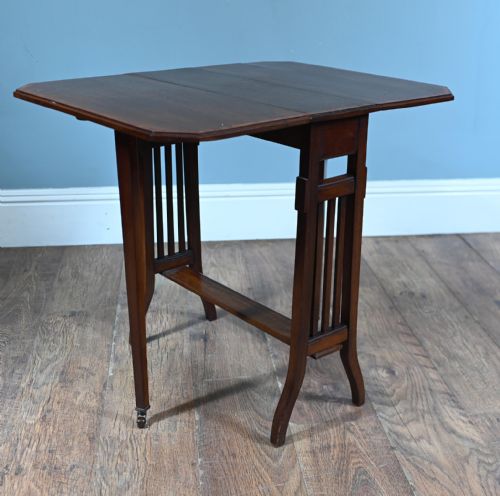
- A narrow drop leaf table with exceptionally slim legs and narrow flaps that fold down nearly vertically. They were introduced in the Victorian era to save floor space.
- Pembroke table
- A small occasional table featuring two hinged flaps on opposite sides and usually a single drawer. They became popular during the Georgian period for domestic versatility.
- Drop leaf
- A hinged section of a table top that can be raised to enlarge the surface or lowered when not in use. It attaches to a fixed centre leaf via hinges.
- Barley twist
- A carved wooden furniture leg resembling a spiral rope. This decorative turning technique appears frequently on 17th-century and Edwardian oak tables.
Vintage Folding Flap Table: Frequently Asked Questions
How do I use a folding table in a small room?
Keep both flaps lowered against the sides to use the piece as a narrow console or side table against a wall.
Raise one or both leaves and swing out the supporting legs whenever extra surface area is required for dining or working.
Are these tables sturdy enough for daily dining?
Solid hardwood versions constructed during the Georgian or Victorian periods provide exceptional stability for everyday meals.
Ensure the gatelegs or swing supports lock securely into position under the flaps before placing heavy items on the surface.
How do I identify a Victorian Sutherland table?
Look for exceptionally narrow centre boards paired with very wide leaves that hang almost vertically when lowered.
Check for slender turned legs mounted on castors, which characterise the compact profile typical of late nineteenth-century examples.
What is the difference between a gateleg and a drop leaf table?
All gateleg tables are a form of drop leaf table, but not all drop leaves utilise swinging gate legs for support.
Drop leaf tables may rely on pivoting wooden brackets, pull-out wooden arms, or swinging legs to hold up the outer flaps.