
Vintage Flower Canvas Art
Vintage flower canvas art brings botanical oil painting into your interior, offering textured brushwork and timeless floral studies.
Vintage Flower Canvas Art
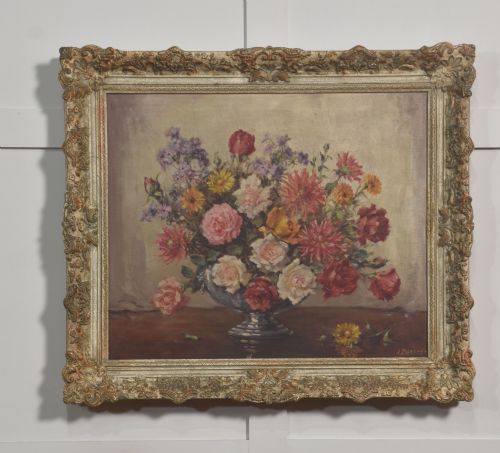
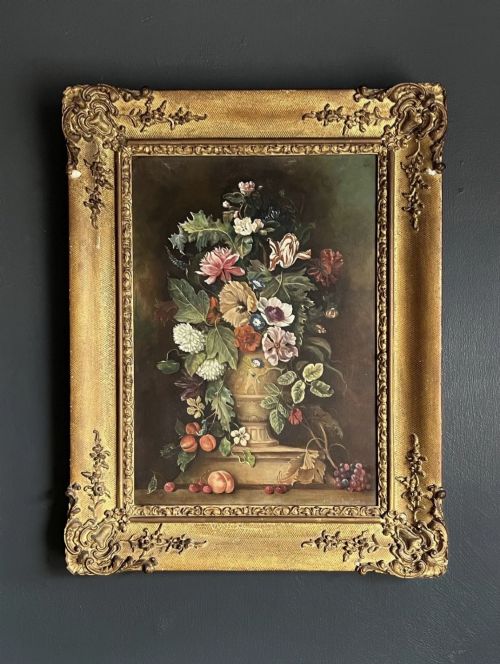
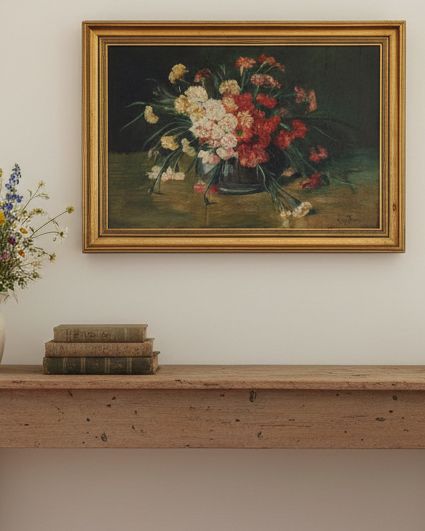
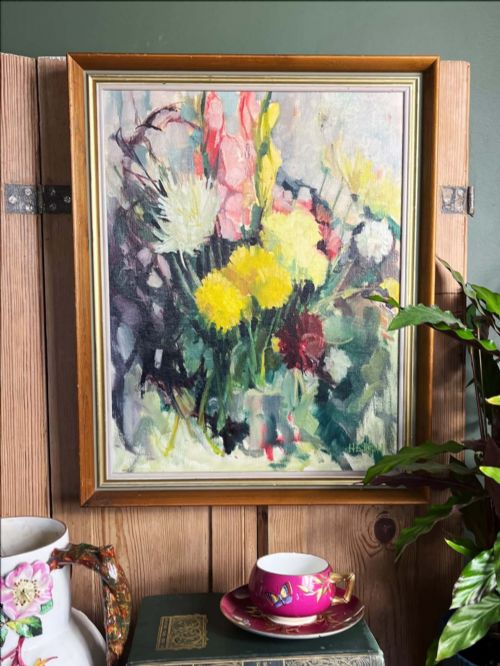
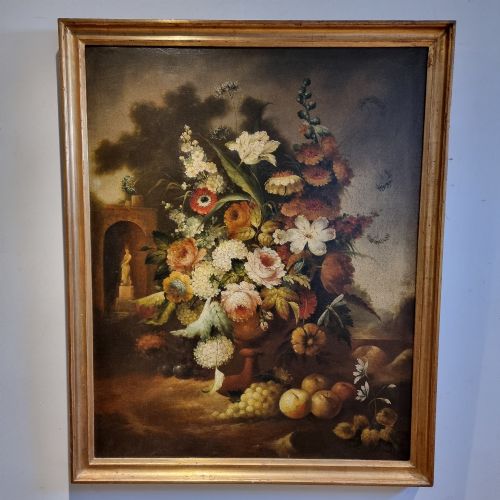
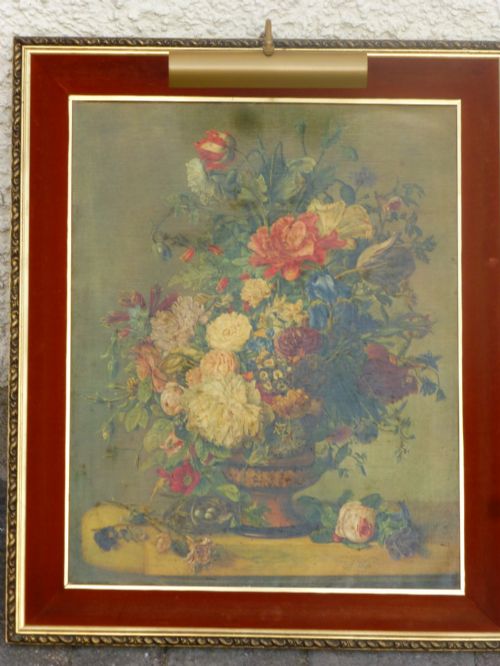
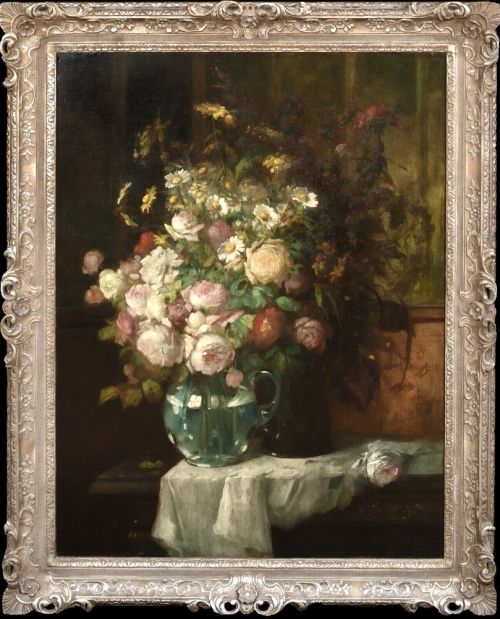
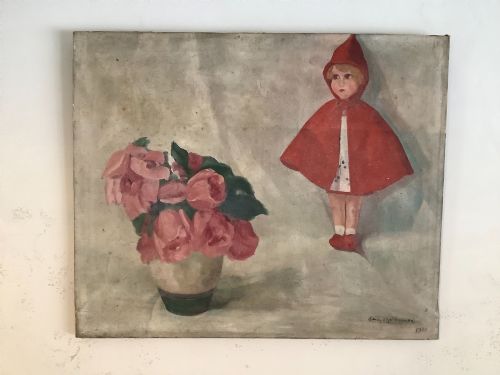
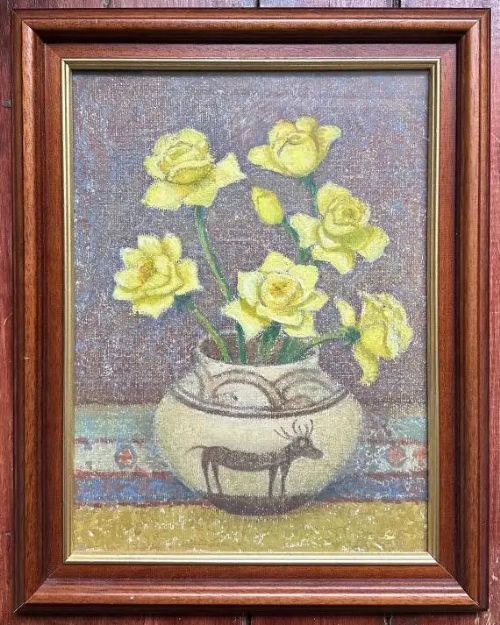
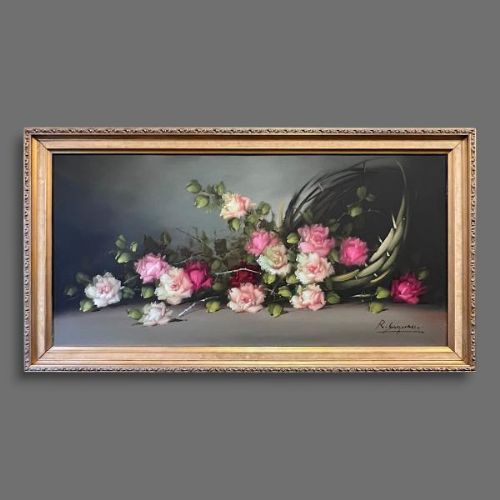
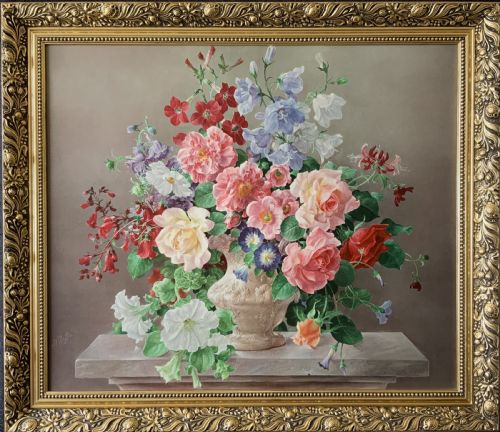
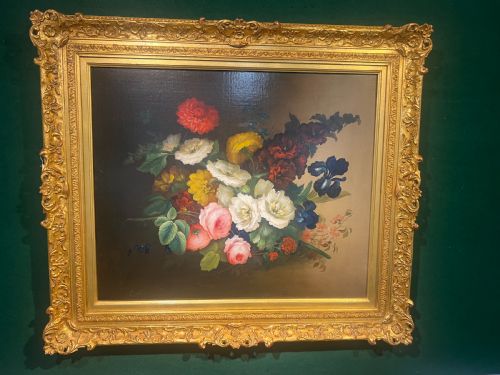
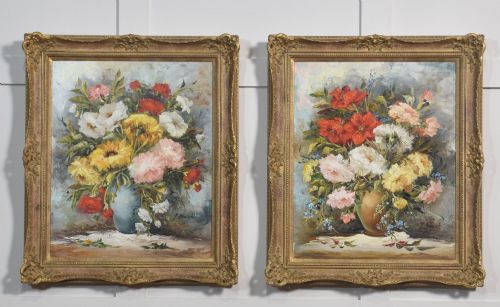
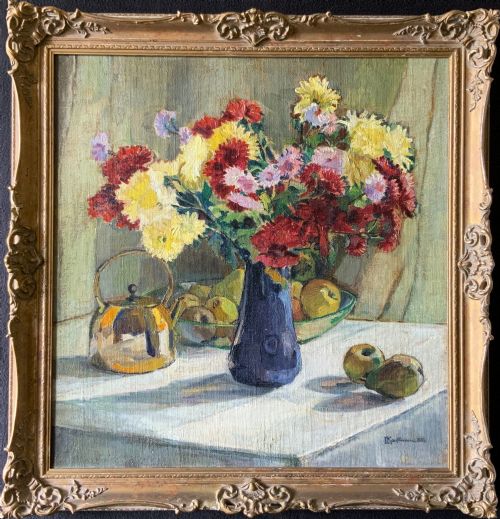
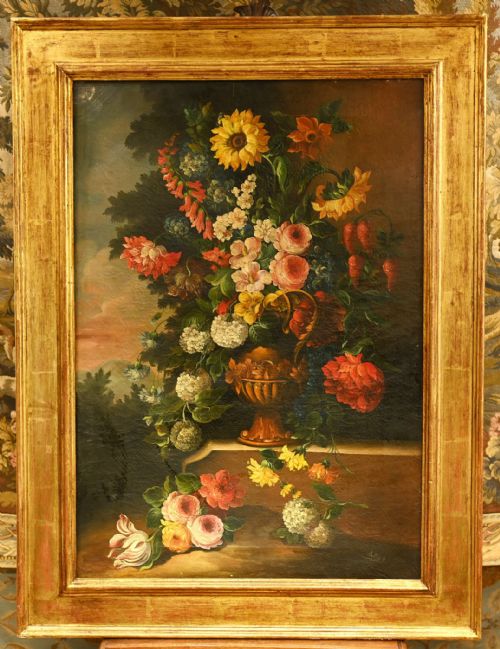
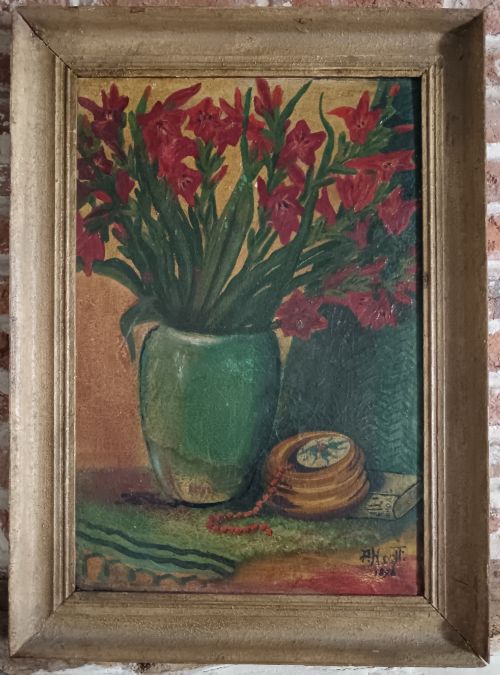
When searching for vintage flower canvas art, buyers encounter traditional oil paintings and still life studies rendered on canvas and board. These works span from the late nineteenth century through the mid-twentieth century, capturing botanical subjects in various regional European styles.
Most examples arrive ready to display in period frames, frequently constructed with gilt or gesso finishes that complement the painted canvas. Whether selecting a naive Flemish composition or a large Belgian impressionist floral display, the focus remains on textural oil paint applied to woven textile supports.
Materials and construction
Artists painted these works primarily with oil paint applied to stretched canvas or wooden board, building up rich layers of colour and texture. Canvas provides a flexible support that accommodates heavy impasto brushwork, particularly visible in mid-century impressionist flower pieces.
Frames play a crucial role in the physical structure of these works, frequently employing moulded gesso finished with gold leaf or gilt coatings. These decorative borders protect the edges of the canvas while framing the botanical subject with period-appropriate ornamentation.
Materials documented across the collection combine traditional oil paints and canvas with ornate gilt gesso frames.
Evaluating quality and execution
Quality in these botanical paintings rests upon the handling of light, brushwork confidence, and compositional balance within the floral arrangement. Superior examples demonstrate dynamic spatial depth and nuanced colour blending rather than stiff, formulaic petal placement.
The integration of the original frame also affects the overall integrity of the piece, as period gilt gesso frames complement the artistic style of the canvas. Finer canvases retain stable paint layers with minimal craquelure, preserving the artist's original touch and impasto textures.
I. Berezny·Konstantin Stoitzner·Emma Fordyce MacRae·Harold Clayton·Edwin Steele·Manuela Bonati·Owen Bowen·Simon Pietersz Verelst·Amile Coppieters·A. Nikolokov·Ernest Higgins Rigg·Sir Matthew Smith·Terence Loudon
The Vintage Flower Canvas Art Glossary
- Impasto
- Paint applied thickly to a canvas, standing out in relief from the surface so that the brush or palette knife marks remain visible.
- Gesso
- A plaster-like mixture applied to wooden frames or panels as a base before gilding or painting, creating a smooth or moulded decorative surface.
- Still life
- A work of art depicting mostly inanimate subject matter, typically commonplace objects which may be either natural or man-made.
- Oleograph
- A mechanical colour lithograph printed on textured canvas to simulate the appearance of an oil painting.
- Post-Impressionism
- An artistic movement extending impressionism while rejecting its limitations, focusing on more symbolic content and heavier brushwork.
Vintage Flower Canvas Art: Frequently Asked Questions
How do I clean an oil painting?
Dust the canvas very gently with a soft, dry brush to remove loose particles without disturbing the paint surface. Avoid using water, household cleaners, or chemical solvents, which can damage the delicate oil layers.
For more stubborn grime or discoloured varnish, consult a professional art conservator rather than attempting DIY cleaning methods. Professional restoration ensures the historic integrity of the canvas and paint remains intact.
Where should I hang botanical art?
Select an interior wall with stable temperature and humidity, avoiding direct sunlight or damp spaces like unvented bathrooms. Natural indirect light highlights the rich textures of oil paint and gilt frames without fading the pigments.
Pair these floral works with traditional or mid-century furnishings to echo the period aesthetic of the canvas. Ensure the hanging height places the centre of the painting at eye level for optimal viewing.
How do I identify the period?
Examine the stretcher bars, canvas weave, and framing materials on the reverse of the artwork for signs of age and manufacturing methods. Older pieces from the nineteenth century often feature hand-carved wooden stretchers and heavier oxidised oil layers.
Stylistic cues such as mid-century abstract composition or 1920s impressionist palettes also help narrow down the decade of creation. Comparing the signature and framing style with recorded works by the artist provides further chronological context.