

Vintage Floral Ceramic Dish
A vintage floral ceramic dish brings painted botanical colour to a table, combining practical tableware with decorative display.
Vintage Floral Ceramic Dish
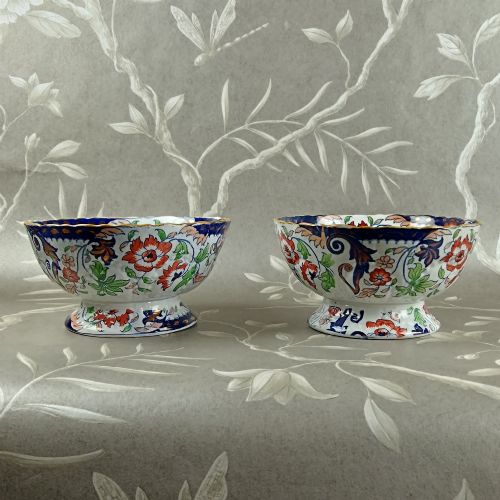
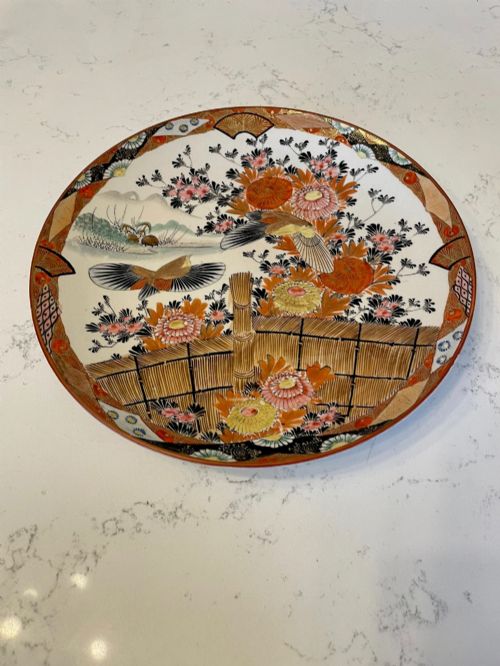
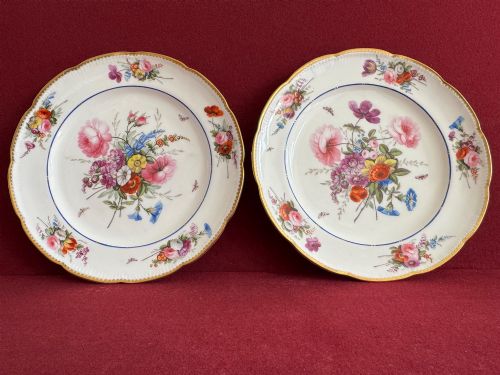
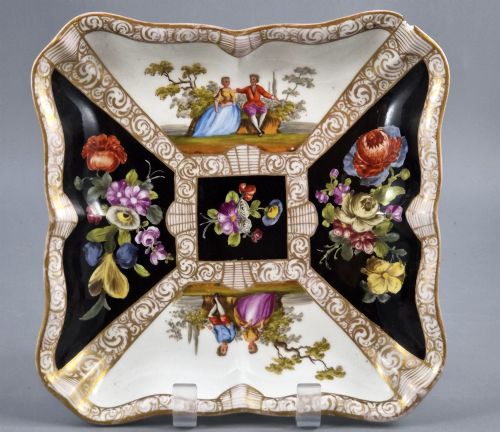
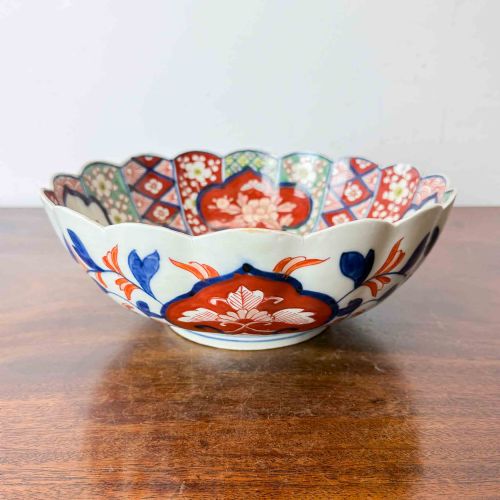
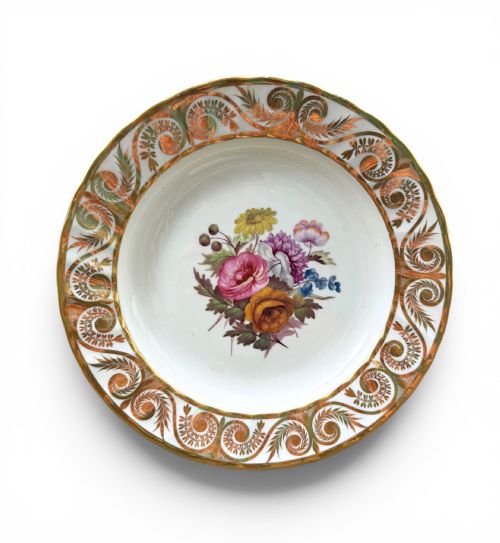
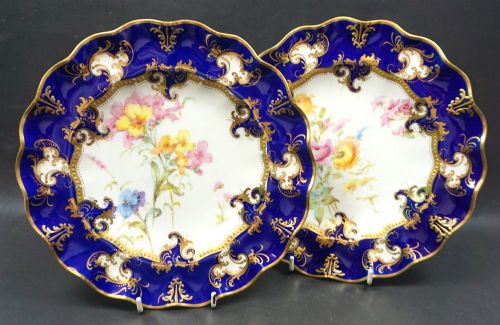
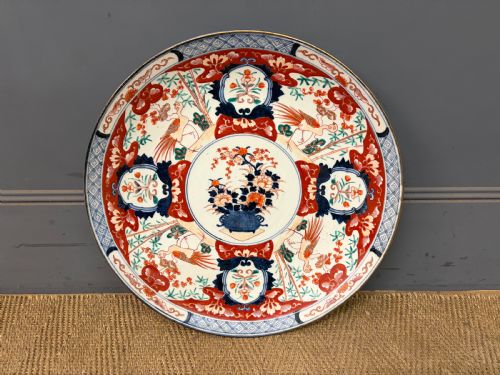
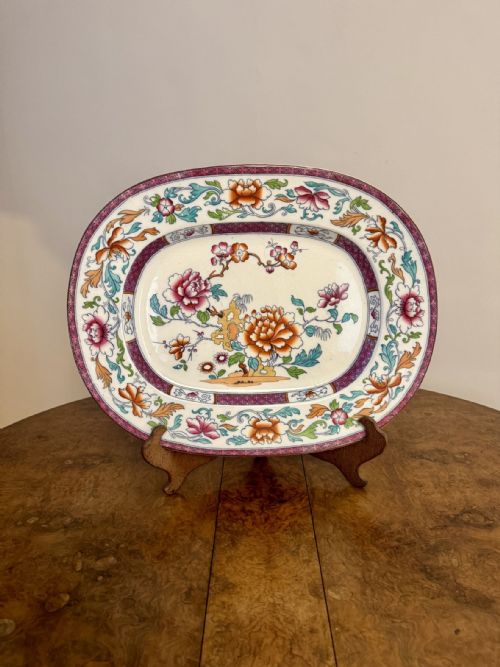
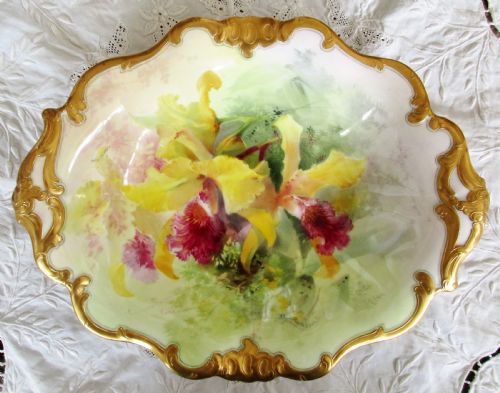
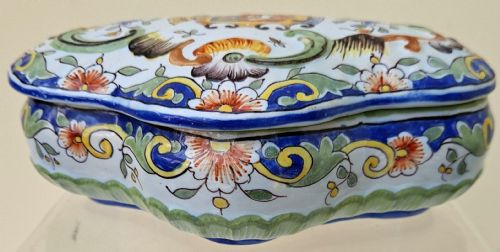
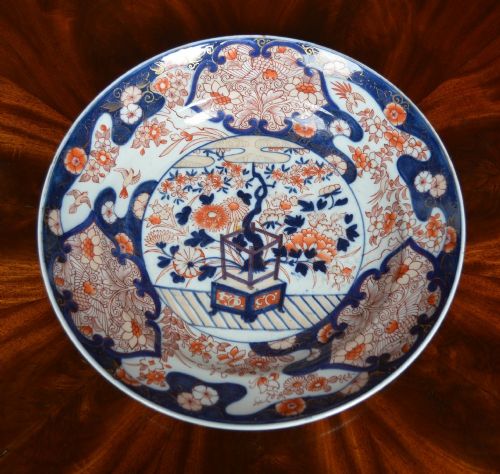
A vintage floral ceramic dish encompasses a diverse selection of plates, bowls, platters and chargers originating from various historical periods. The inventory spans from eighteenth-century Delftware and early European porcelain to nineteenth-century Japanese Imari and twentieth-century cabinet pieces.
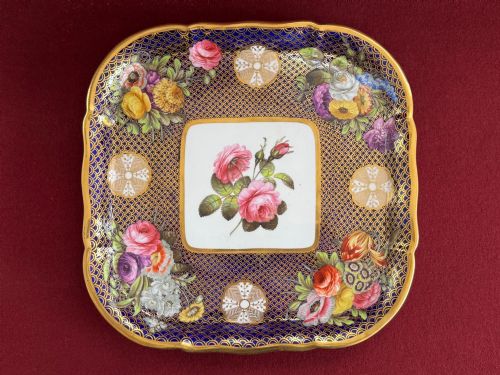
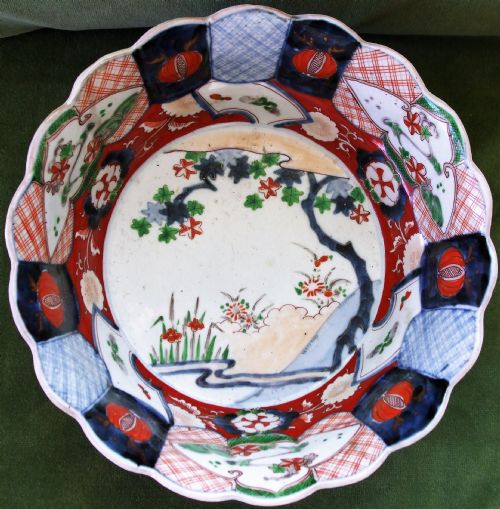
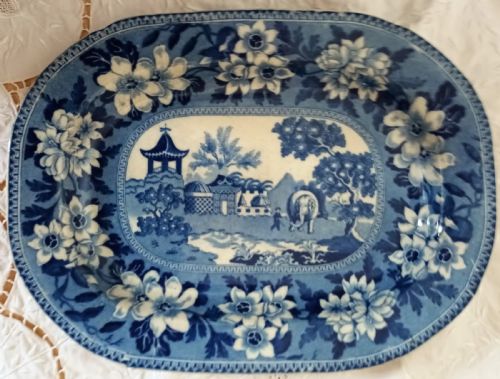
Buyers will encounter multiple forms, including scallop-edge bowls, transfer-printed platters, square dishes and serving pieces. These items reflect traditional dining and display practices across English, continental European and Asian workshops.
How they were made
These items utilise ceramic bodies such as porcelain, earthenware and ironstone, shaped into plates, chargers, bowls and covered dishes. Makers applied glazes and hand-painted or transfer-printed floral motifs directly onto the clay base.
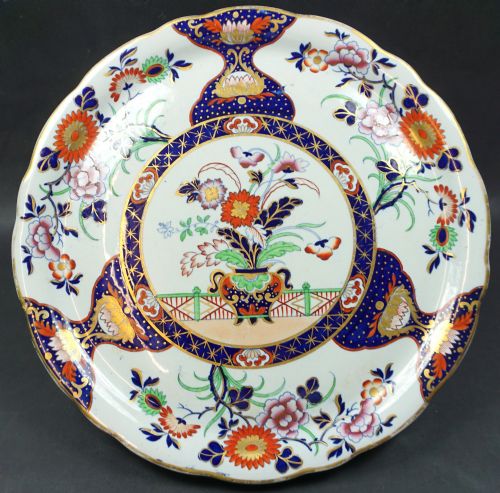
Selected pieces incorporate gilding, gold leaf or enamel details to accent the painted botanical designs. Kiln firing fixed the mineral colours beneath or above the glaze surface.
Vintage Floral Ceramic Dish Retail Price Guide 2026
Typical asking prices for vintage floral ceramic dish among the pieces listed under this phrase on Sellingantiques today, from the lower quarter to the upper quarter. They describe what is for sale here now, not the wider market.
Cheese lovers of the Victorian age required dedicated covered dishes to keep their cheddar safely contained from drawing-room drafts.
What varies in quality
The standard of a piece depends upon the precision of the hand-painted brushwork and the clarity of the floral transfer details. Superior items exhibit careful control over the ceramic body and glaze application without major firing distortions.
Artistic execution distinguishes standard wares from exceptional examples, particularly in the rendering of polychrome scenes, botanical subjects and Japanese Imari patterns. The reputation of the manufacturing kiln also influences the standing of individual items.
John Ford·Moses Webster·Hicks & Meigh·John Rogers & Son·David Dewsberry·Mann & Co·Paul Müller Selb·R.Wehsner
The Vintage Floral Ceramic Dish Glossary
- Imari
- A style of Japanese ceramic decorated in underglaze blue and iron red, frequently accented with gold.
- Charger
- A large decorative plate intended for display or ceremonial service rather than everyday dining.
- Faience
- European tin-glazed earthenware, often produced in France and characterised by opaque white glaze.
- Transferware
- Pottery decorated by applying a printed paper design from an engraved copper plate onto the ceramic surface.
Vintage Floral Ceramic Dish: Frequently Asked Questions
How do I date a ceramic dish?
Dating relies upon identifying the maker's mark, ceramic body type and stylistic conventions associated with specific periods such as the eighteenth or nineteenth century.
Examining the glaze composition and manufacturing methods helps narrow down the production era.
Can I use these dishes for serving food?
Many of these items functioned originally as tableware, serveware, meat platters or cheese dishes for everyday dining.
Older pieces, particularly those with delicate enamel or gold leaf decoration, are better suited for decorative display.
What is the difference between porcelain and earthenware?
Porcelain is fired at higher temperatures, resulting in a vitrified, non-porous body that often appears translucent.
Earthenware uses a softer, porous clay body that requires an opaque or transparent glaze to hold liquids.
How should I clean antique ceramic dishes?
Gentle hand washing with warm water and mild soap protects the antique glaze and painted surfaces from damage.
Harsh detergents and mechanical dishwashers should be avoided to preserve hand-painted floral motifs and gilding.