

Vintage Flatware
Vintage flatware gathers together spoons, forks, knives and servers shaped across Georgian, Victorian, Edwardian and Art Deco decades to serve dining tables.
Vintage Flatware
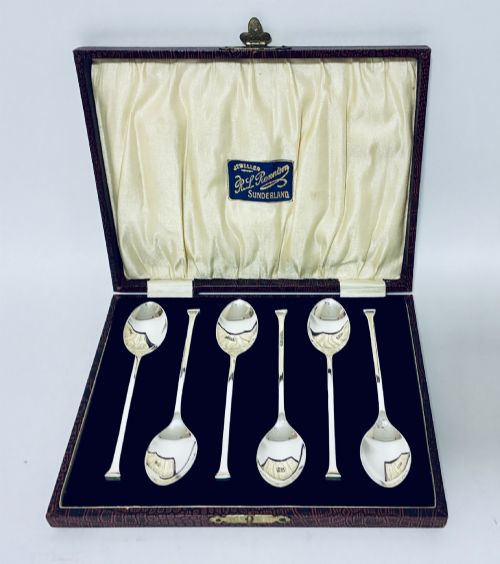
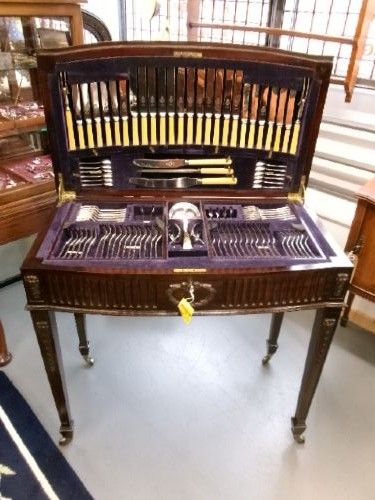
Vintage flatware encompasses individual cutlery, small service sets, and comprehensive canteens designed for dining. The pieces span periods from the nineteenth century through the 1920s and 1930s, reflecting diverse domestic uses.
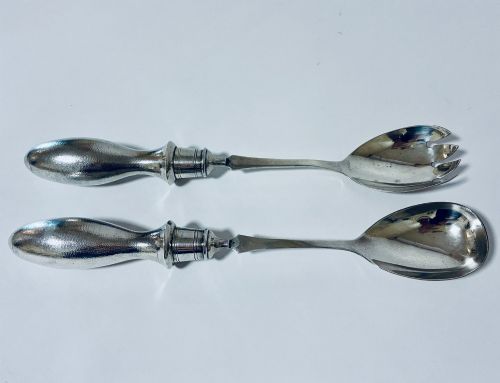
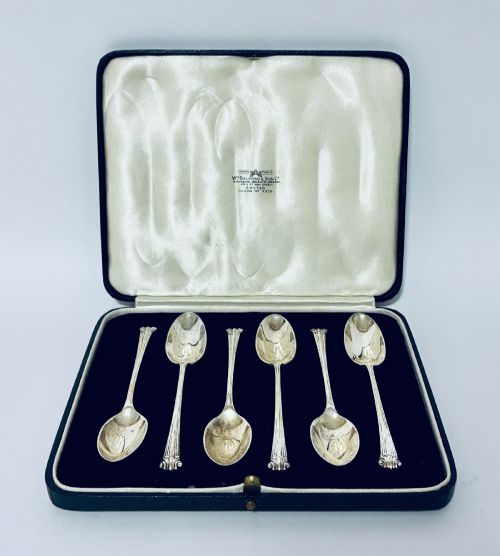
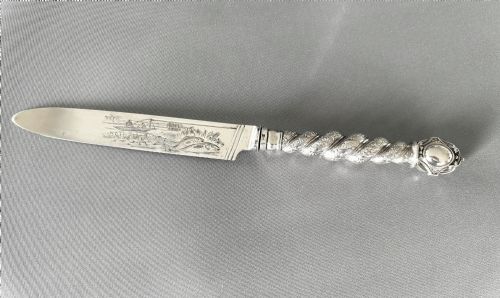
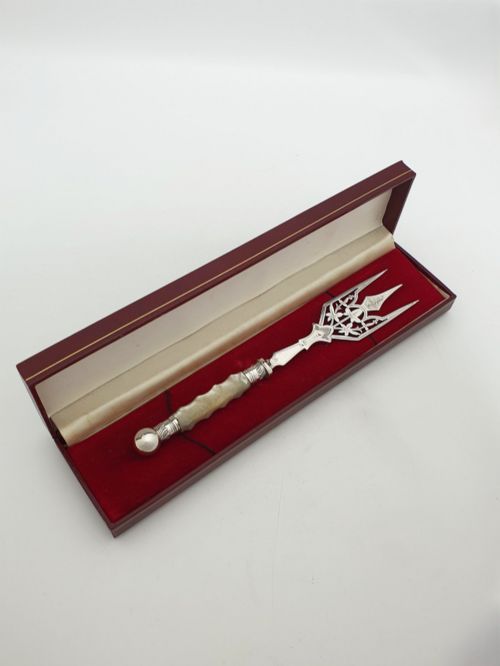
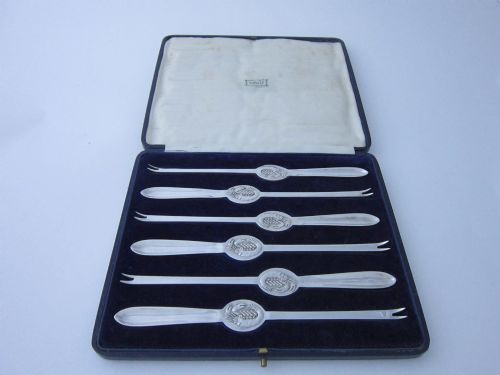
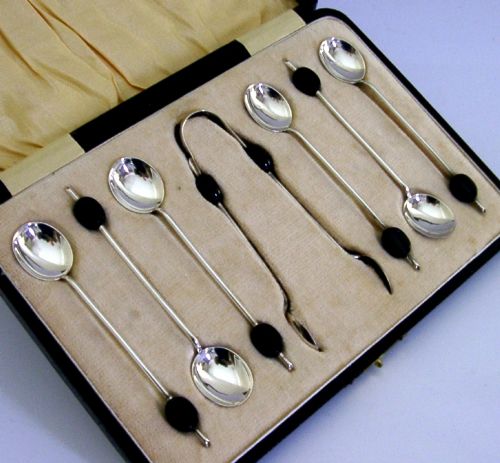
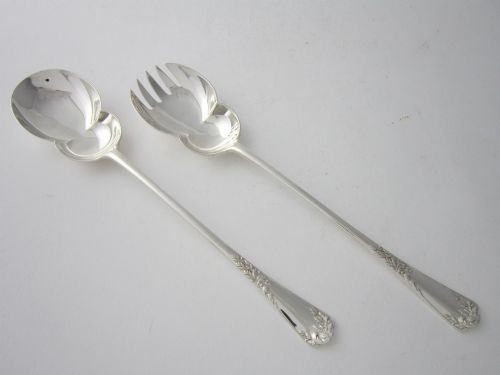
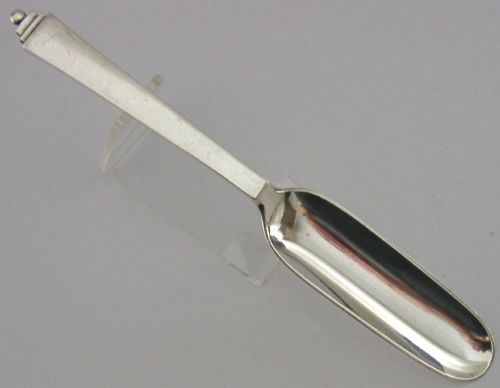
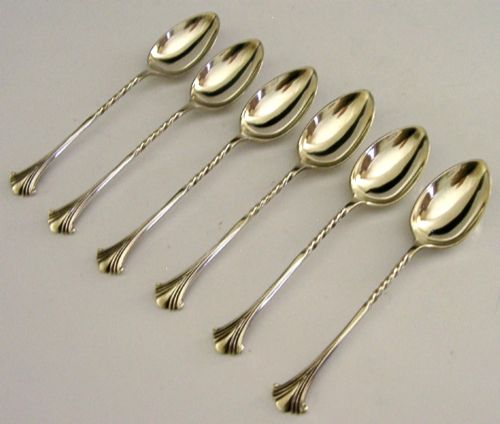
Common forms include teaspoons, coffee bean spoons, fruit knives, butter knives, grapefruit spoons, and lobster picks alongside larger serving utensils. These items appear either as single instruments or matched boxed sets.
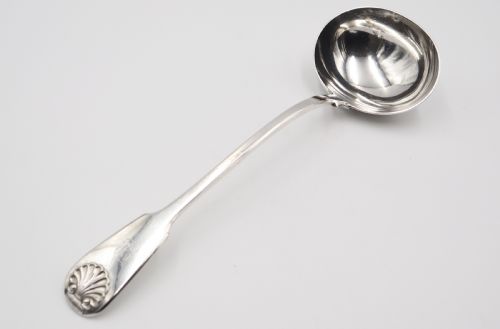
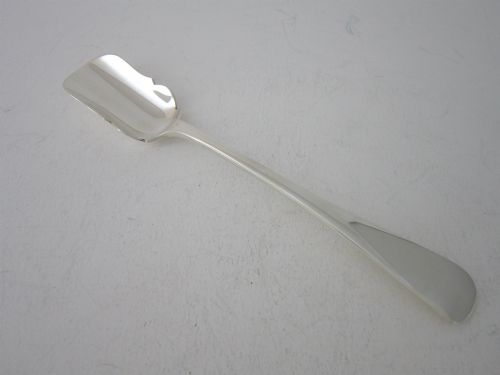
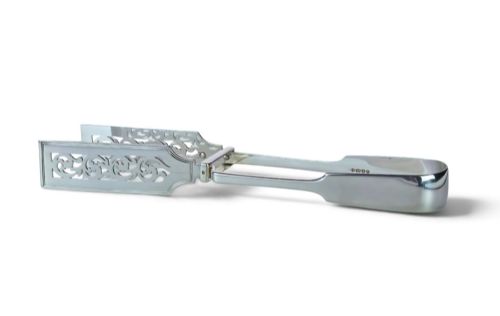
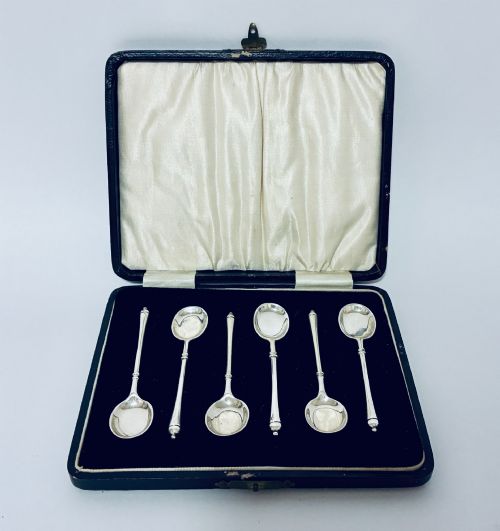
Specialised implements such as asparagus tongs, cheese scoops, grape scissors, sugar sifters, and soup ladles feature frequently within the selection. Many retain fitted cases lined in silk, velvet, satin, or leatherette.
Materials and construction
Makers utilised sterling silver, silver plate, and solid silver alongside steel for cutting edges. Handles incorporate materials such as mother-of-pearl and agate, whilst casings employ mahogany and textiles.
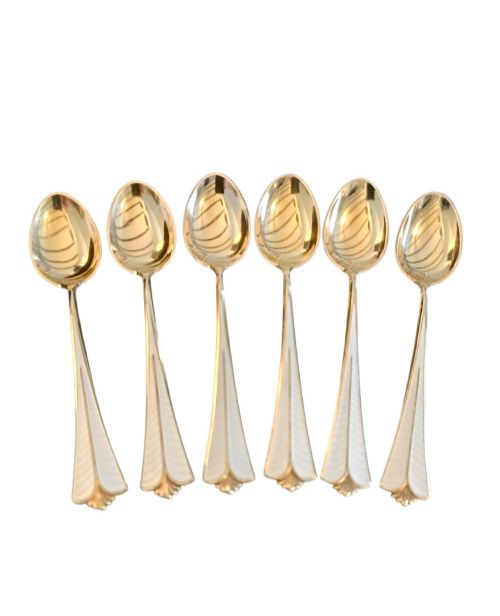
Techniques range from cast and chased figural work to enamel decoration and parcel-gilt finishes. Silversmiths applied traditional patterns like Old English and Pyramid alongside regional styles including Ottoman and Dutch designs.
Vintage Flatware Retail Price Guide 2026
Typical asking prices for vintage flatware among the pieces listed under this phrase on Sellingantiques today, from the lower quarter to the upper quarter. They describe what is for sale here now, not the wider market.
Listings feature flatware and serving utensils from the Georgian, Victorian, and Edwardian periods alongside 1920s Art Deco designs.
Factors determining quality
Quality rests upon the weight of the metal, the crispness of chased or engraved detail, and the integrity of any applied parcel-gilt or enamel work. Substantial gauge silver and intact hallmarks elevate a piece.
The completeness and original condition of fitted canteens or presentation boxes, together with preserved linings of silk, velvet, or leatherette, influence the overall character of the set.
Elizabeth Eaton·Deakin & Francis·Georg Jensen·Tiffany & Company·Hamilton & Inches·David Andersen·Bateman Family
The Vintage Flatware Glossary
- Sterling silver
- A silver alloy containing 92.5 percent pure silver by mass, standard for quality British tableware. It frequently bears hallmarks indicating the assay office and year of manufacture.
- Silver plate
- A base metal substrate coated with a thin layer of silver through electroplating or older manufacturing methods. This provided a durable alternative to solid silver.
- Canteen
- A fitted wooden cabinet or box designed to store a complete service of cutlery and flatware securely. They are often lined with velvet, satin, or silk.
- Parcel-gilt
- An object made from silver where specific areas receive a thin coating of gold applied to create decorative contrast. This technique highlights engraved motifs and interior bowl surfaces.
- Seal top spoon
- An early form of spoon terminating in a solid round knob or seal, which was a popular style in seventeenth-century and revival pieces. They feature straight stems and shallow bowls.
- Bifurcate
- A utensil featuring a split or two-pronged tip, such as specific serving forks or fruit knives. This form assists in grasping slippery foods.
Vintage Flatware: Frequently Asked Questions
How do I clean tarnished silver flatware?
Clean silver flatware gently using warm soapy water and a soft cloth to remove everyday residue and oils. Avoid harsh abrasive cleaners that wear down the surface detail of older pieces.
For deeper tarnish, utilise a dedicated silver polishing cloth or a mild immersion dip formulated for silverware. Ensure pieces are rinsed thoroughly and dried completely before returning them to storage cabinets or fitted boxes.
Can I use antique cutlery every day?
Antique silver and plated flatware can certainly be used for daily dining provided you handle them with reasonable care. Hand washing is essential, as modern dishwashers use abrasive detergents and high temperatures that damage silver surfaces and loosen handles.
Take care with steel-bladed knives from the nineteenth century, as prolonged exposure to moisture causes corrosion. Dry all items promptly after washing to preserve their finish.
How do I identify silver hallmarks?
British hallmarks typically consist of a series of stamped symbols indicating the standard of metal, the assay office where it was tested, and a date letter corresponding to the year of manufacture. A lion passant often denotes sterling silver standard in British pieces.
Foreign makers and later periods utilise different stamping systems, including purity numbers like 800 or specific maker marks. Examining these small stamps with a magnifying glass reveals the origin of the item.
What is the difference between flatware and cutlery?
In traditional British usage, cutlery refers strictly to knives and cutting instruments with steel blades. Flatware encompasses all table utensils, including spoons, forks, and ladles that do not possess cutting edges.
Over time, the terms have often merged in commerce to describe any eating utensils used at the dining table. Many historical sets combine both cutting implements and serving spoons within a single canteen.