






Vintage Flap Desk
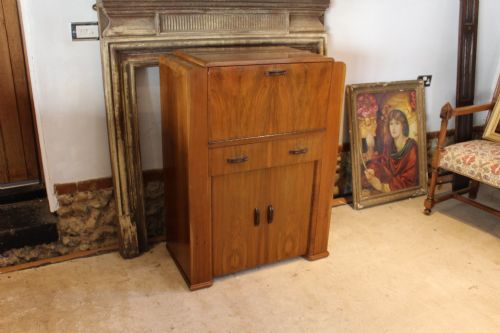
These vintage flap desk pieces range from Georgian and Regency writing tables to Edwardian bureaus and Art Deco cabinets.
Vintage Flap Desk
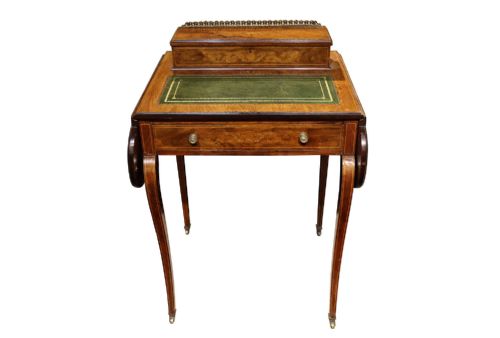
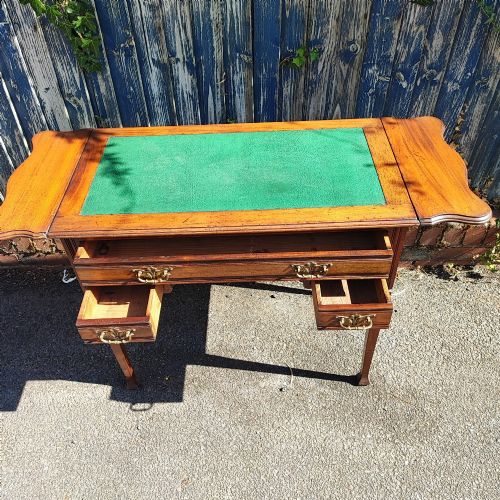
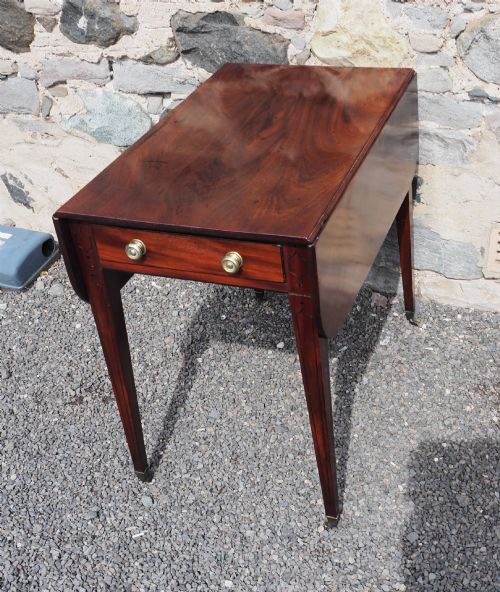
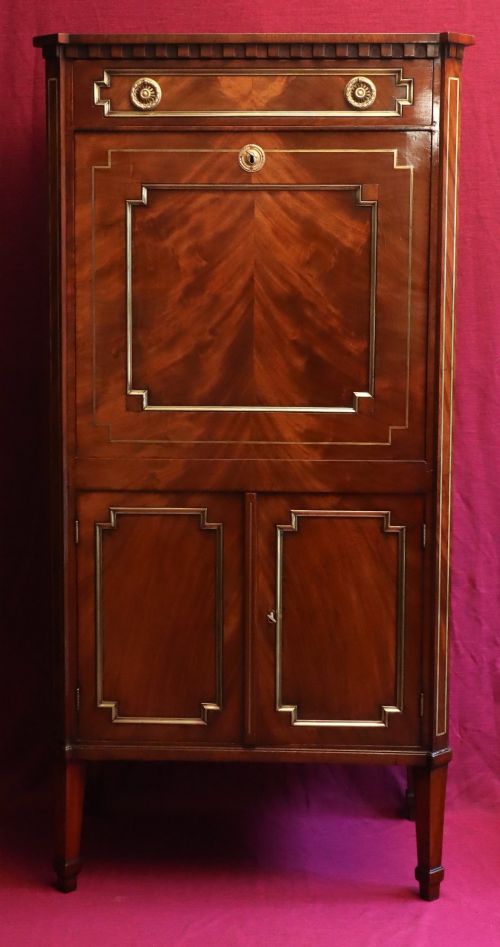
When you search for a vintage flap desk, you are looking at utilitarian writing furniture designed with folding leaves, drop fronts, or drop-down writing surfaces. The pieces gathered under this term span several centuries, encompassing compact Edwardian writing tables, Georgian bureau bookcases, and drop-leaf Pembroke tables.
The most common versions met on this page are mahogany and walnut items from the 19th century and the Edwardian period, often incorporating fitted interiors and drawers. Alongside traditional desks, the selection includes related forms such as sofa tables, drop-leaf side tables, and campaign-style writing pieces.
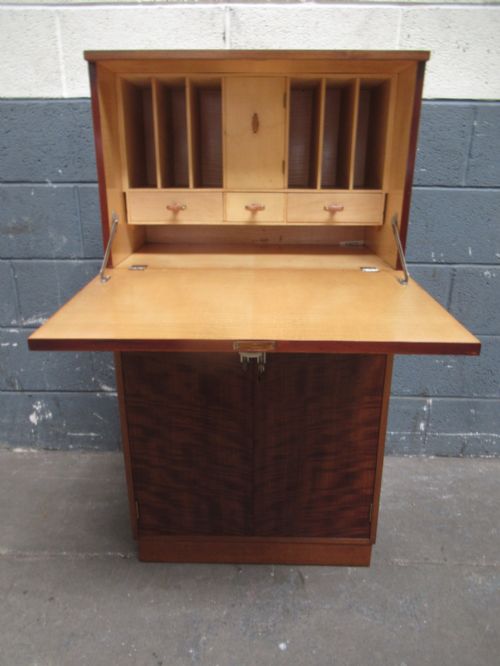
Origins and periods vary widely, stretching from 18th-century pieces to 1930s Art Deco designs. Each item serves the dual purpose of a surface for correspondence and a space-saving unit that adapts to smaller rooms through folding leaves or hinged flaps.
What varies in quality
The sophistication of the internal fittings and the selection of timber veneers separate standard examples from finer specimens. Desks featuring crossbanding, delicate inlay work, and robust brass hardware demonstrate a higher grade of craftsmanship.
Structural integrity depends on the precision of the joinery around the folding flaps and hinges. Pieces that maintain smooth operation in their drop leaves and drawers without sagging timber show superior original construction.
Vintage Flap Desk Retail Price Guide 2026
Typical asking prices for vintage flap desk among the pieces listed under this phrase on Sellingantiques today, from the lower quarter to the upper quarter. They describe what is for sale here now, not the wider market.
Materials appearing across these listings include mahogany, walnut, rosewood, oak, pine, brass, glass, and leather.
F.H. Marshall & Co Glasgow·Druce & Co.
The Vintage Flap Desk Glossary
- Pembroke table
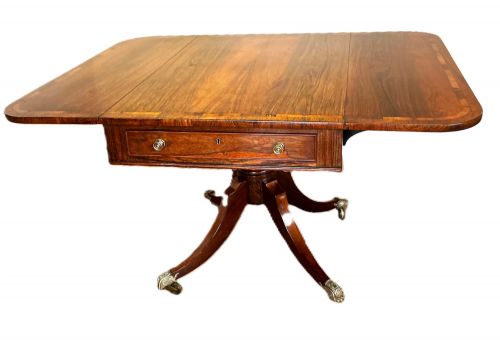
- A small occasional table featuring two hinged drop leaves on opposite sides. It frequently includes one or more small drawers beneath the top.
- Bureau bookcase
- A combination furniture piece comprising a sloping drop-front desk compartment positioned beneath shelving enclosed by doors. It provides both writing space and storage.
- Sofa table
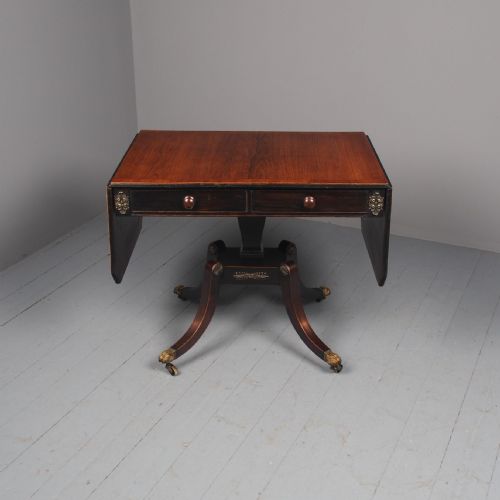
- A rectangular table designed to stand in front of or beside a sofa, equipped with drop flaps on the short ends. These tables often rest on pedestal bases or twin vertical supports.
- Escritoire
- A tall writing cabinet with a sloping or folding writing flap that conceals small drawers and pigeonholes. The term derives from French terminology for writing desks.
- Campaign style
- Portable furniture designed for military officers, typically featuring brass corner braces and recessed handles. Pieces built in this manner pack down or fold efficiently for transport.
Vintage Flap Desk: Frequently Asked Questions
What is a vintage flap desk?
A vintage flap desk is a piece of furniture equipped with hinged writing surfaces, drop leaves, or sloping fronts that fold down for writing. The category includes everything from compact Edwardian writing tables to Georgian bureau bookcases.
These items were built to provide a stable writing area whilst saving space through movable leaves or compartments. The materials commonly include mahogany, walnut, and rosewood paired with brass hardware.
How do I identify a Georgian flap desk?
Georgian flap desks generally exhibit dense mahogany or walnut timbers, solid construction, and restrained decorative carving. They frequently take the form of Pembroke tables with single drawers or large bureau bookcases with fitted interior pigeonholes.
Examination of the drawer linings and secondary woods helps confirm the period. Hand-cut dovetails and older brass fixings are typical characteristics of 18th-century and early 19th-century cabinetmaking.
Were these desks used for writing?
Yes, these items served as dedicated workstations for correspondence, record-keeping, and reading before the widespread use of modern office furniture. The folding flaps and drop fronts provided a concealed surface for paperwork.
Many examples contain fitted interiors with small drawers and slots specifically sized for envelopes, inkwells, and quills or pens. Once work concluded, the flap could be closed to keep the room tidy.
How do I care for a wooden flap desk?
Care for a wooden flap desk involves maintaining stable indoor humidity and avoiding placement near direct heat sources. Excessive temperature changes can cause timber to warp or veneer to lift around the folding joints.
Routine dusting with a soft, dry cloth preserves the finish. Leather inserts on writing surfaces benefit from occasional cleaning with specialised leather conditioners rather than harsh household chemicals.