



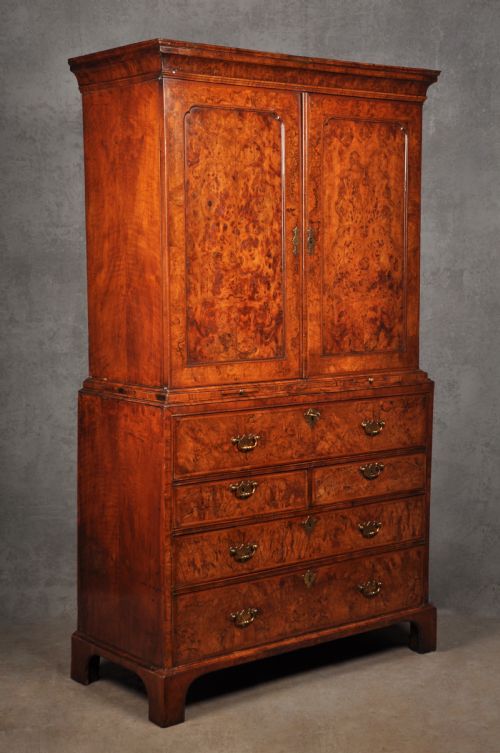


Georgian Walnut Secretaire Chest
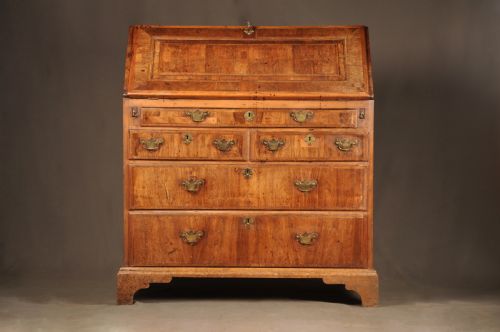
A georgian walnut secretaire chest combines a set of robust drawers with a fitted writing drawer, offering period utility and rich timber figures.
Georgian Walnut Secretaire Chest
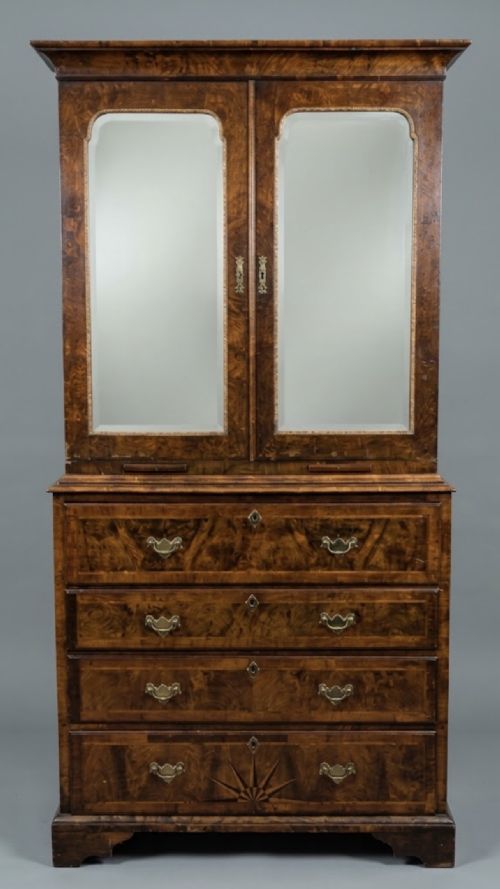
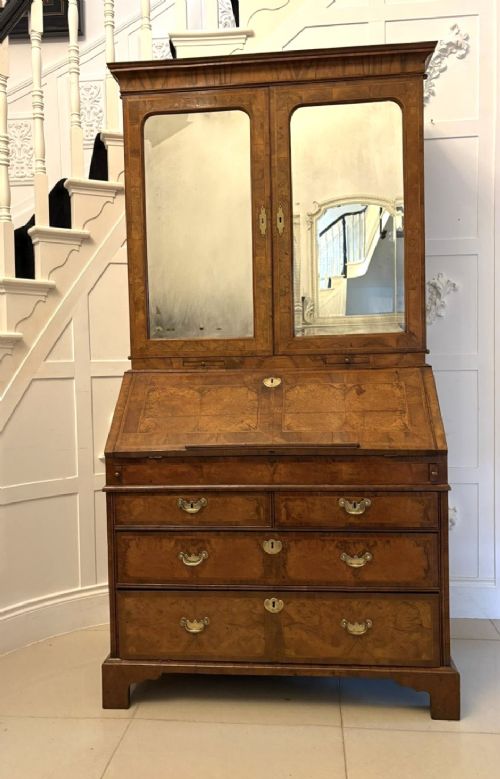
A georgian walnut secretaire chest brings together two essential domestic functions, presenting a conventional chest of drawers or a taller chest on chest fitted with a dedicated writing drawer that drops down to reveal pigeonholes and small compartments. You will frequently encounter forms described as escritoires, bureaux, or bureau bookcases across these listings.
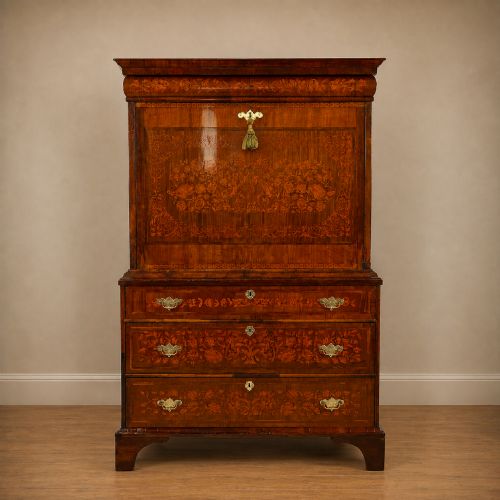
The pieces span the eighteenth century, drawing on Queen Anne, George I, Early Georgian, and George III stylistic phases. Walnut dominates the construction, often enhanced by burr walnut, marquetry inlay, and satinwood accents.
Makers and craftsmen of the period constructed these cabinets to serve as private writing desks and secure storage units within the home. The integration of a fall-front writing drawer distinguishes them from standard drawer chests while maintaining a dignified facade.
How they were made
Joiners selected figured walnut and burr walnut veneers, applying them over secondary woods such as oak to create rich grain patterns across the primary surfaces. Marquetry inlay occasionally decorates the exterior panels with floral motifs.
Brass hardware, including drop handles and escutcheons, secures the drawers, while interior writing compartments frequently incorporate baize or leather surfaces. Glass panels appear in the upper sections of bookcase variants.
Georgian Walnut Secretaire Chest Retail Price Guide 2026
Typical asking prices for georgian walnut secretaire chest among the pieces listed under this phrase on Sellingantiques today, from the lower quarter to the upper quarter. They describe what is for sale here now, not the wider market.
Several pieces conceal hidden compartments behind miniature drawers, designed for secrets.
What varies in quality
The selection of timber grain sets the visual standard, with burr walnut and figured veneers demanding greater skill from the cabinetmaker in matching and placement. Superior examples maintain crisp proportions, particularly in smaller formats.
The complexity of the internal arrangement within the secretaire drawer influences the overall standard, distinguishing simple compartments from elaborate banks of pigeonholes and secret drawers.
The Georgian Walnut Secretaire Chest Glossary
- Secretaire
- A cabinet or chest containing a drawer that folds down to serve as a writing surface. It conceals a fitted interior of small drawers and pigeonholes.
- Burr walnut
- Timber taken from a growth deformity on a walnut tree, yielding swirling grain patterns. Cabinetmakers sliced this wood into veneers for prominent surfaces.
- Marquetry inlay
- Decorative patterns formed by fitting contrasting veneer pieces into a prepared background. Floral designs frequently ornament pieces from this tradition.
- Chest on chest
- A tall storage unit formed by stacking one chest of drawers directly on top of a larger base chest. This form maximises vertical capacity.
Georgian Walnut Secretaire Chest: Frequently Asked Questions
What is a secretaire chest?
A secretaire chest is a storage unit that incorporates a pull-down drawer fitted with writing surfaces and small compartments. It merges the utility of a desk with the storage capacity of a chest of drawers.
These pieces date primarily to the eighteenth century and were used for correspondence and document storage. The folding drawer conceals the writing fittings when closed.
How do I identify a George I piece?
George I examples typically date from the early eighteenth century and showcase rich walnut figures. They often display clean lines and proportions characteristic of the period.
Look for specific construction traits such as burr walnut veneers and traditional brass hardware. Stylistic details align with the reigns spanning from Queen Anne into the Georgian era.
Where were these chests used?
These cabinets served primarily in private studies, bedrooms, and parlours of eighteenth-century homes. They provided a private space for writing letters alongside household storage.
The dual functionality made them central pieces of furniture for domestic organisation. Their compact forms allowed them to fit comfortably in principal rooms.
What is a bureau bookcase?
A bureau bookcase combines a writing desk section with upper shelving enclosed by doors. The lower portion houses the writing drawer or slope.
Evidence shows walnut used extensively for these taller formats. Glass panels frequently glaze the upper bookcase doors.