


Vintage Fireside Seating
Vintage fireside seating brings warmth and character to a room, offering deep comfort through upholstered armchairs, sturdy club fenders and traditional wooden windsors.
Vintage Fireside Seating
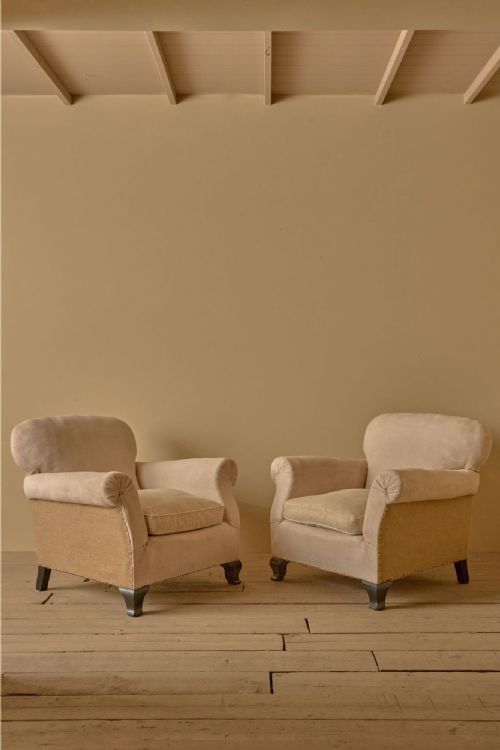
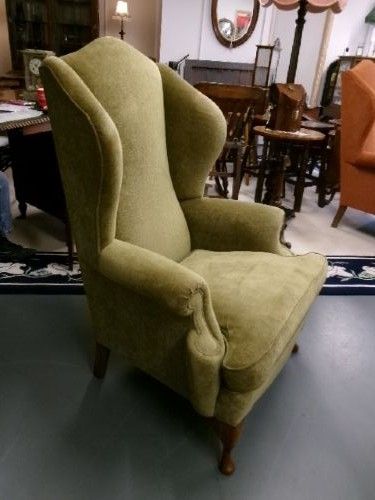
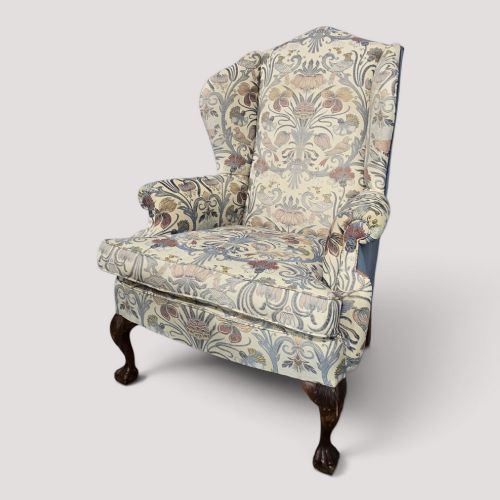
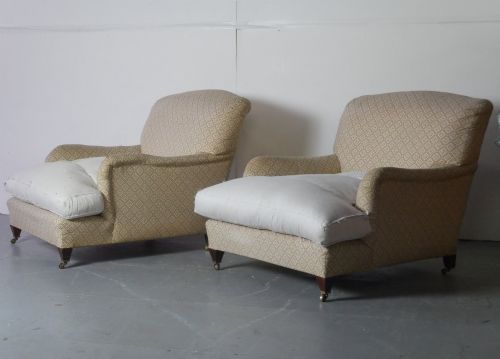
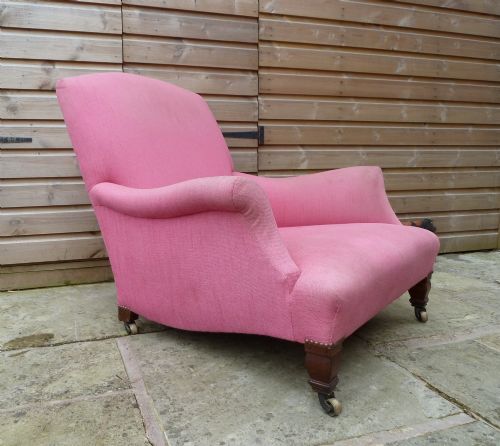
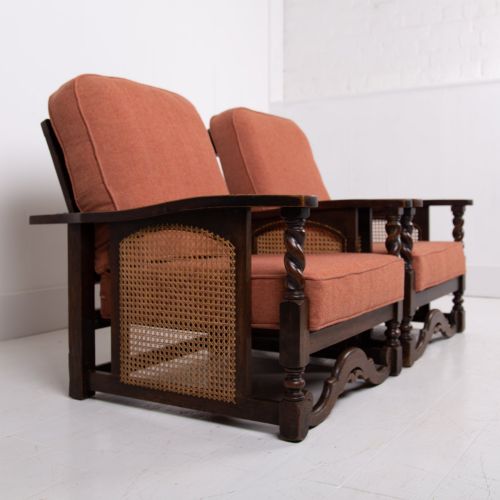
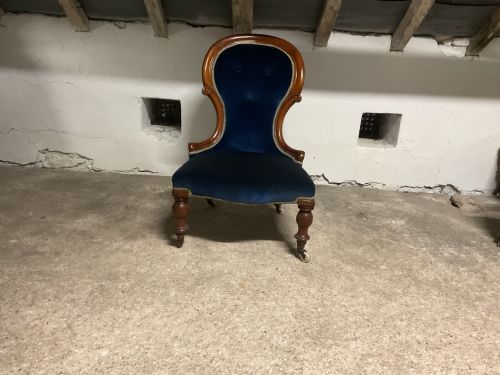
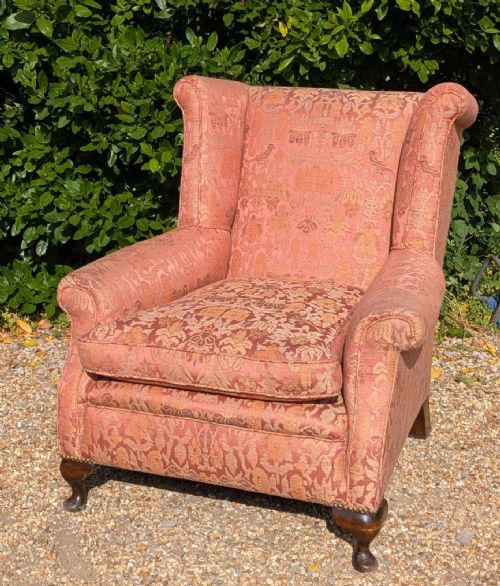
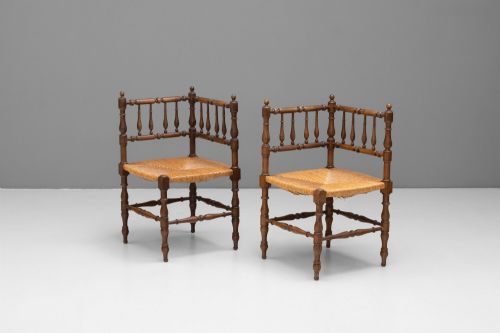
Vintage fireside seating encompasses a diverse array of comfortable chairs and benches designed to sit close to a hearth, including armchairs, nursing chairs, club fenders, slipper chairs, corner chairs, stools and benches. Buyers seeking vintage fireside seating will encounter robust upholstered armchairs, low nursing chairs and vernacular wooden Windsor designs.
The selection ranges from Victorian and Edwardian upholstered armchairs to earlier vernacular ash and elm windsor chairs and brass club fenders upholstered in mature tan leather. Pieces often reflect English country house, Arts and Crafts, Art Deco and Queen Anne styles.
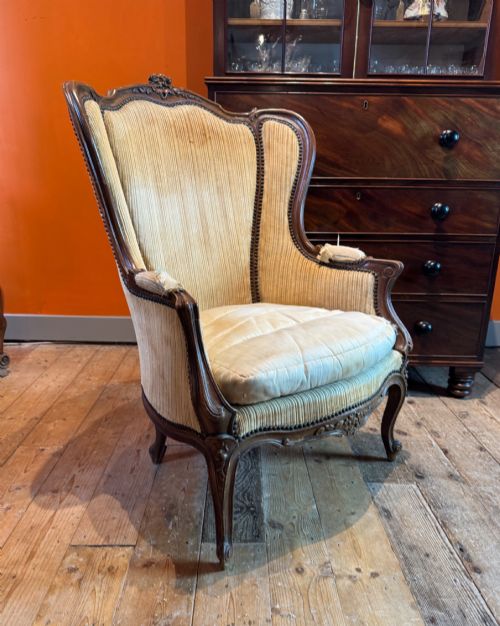
Origins span the nineteenth century, the Edwardian era and the 1920s and 1930s, incorporating French styles alongside British country house traditions. Low profiles and deep seats are common characteristics intended for warmth and relaxation near a fire.
How they were made
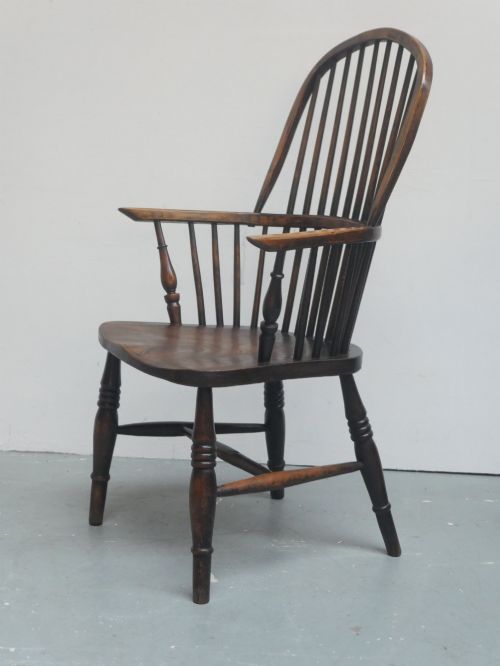
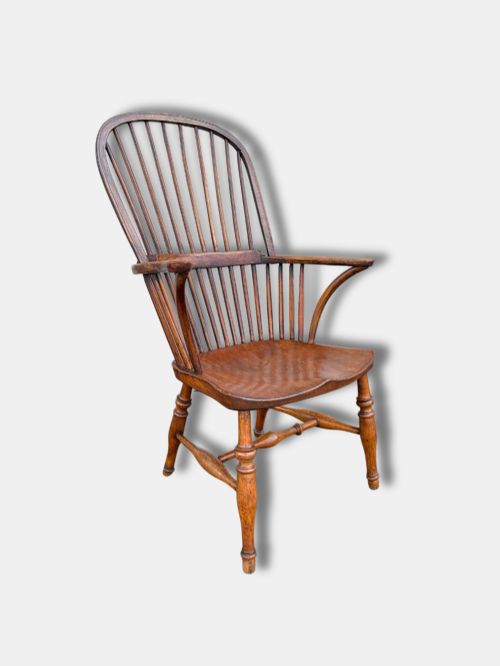
Makers utilised timber frames of mahogany, walnut, ash, elm, oak and pine, often shaped into traditional stickback, hoop back or spindle back forms for wooden chairs. Windsor chairs demonstrate vernacular construction joining bentwood bows and turned legs into solid seats.
Upholstered pieces rely on supportive internal stuffing and springs covered in leather, fabric, velvet, chenille twill or plaid wool. Brass forms the sturdy structural base of club fenders, topped with padded leather seating.
Listings feature periods spanning the eighteenth, nineteenth and early twentieth centuries alongside materials including brass, mahogany, leather, velvet, ash and elm.
What varies in quality
The integrity of the timber frame and the quality of the joinery dictate the longevity of wooden windsors and elbow chairs. Solid ash and elm constructions with tight joints represent sturdy regional craftsmanship.
Upholstered seating varies according to the depth of the seat, the quality of the filling such as feather stuffing, and the resilience of the leather or fabric covering. Original patinated leather and hand-carved mahogany or walnut frames separate simpler pieces from finer examples.
The Vintage Fireside Seating Glossary
- Windsor chair
- A wooden chair built with a solid saddle-shaped seat into which the back and legs are separately raked and jointed. These regional vernacular seats frequently employ ash and elm.
- Club fender
- A low, padded metal frame surrounding a fireplace hearth to provide extra seating. They typically feature brass framework and mature leather tops.
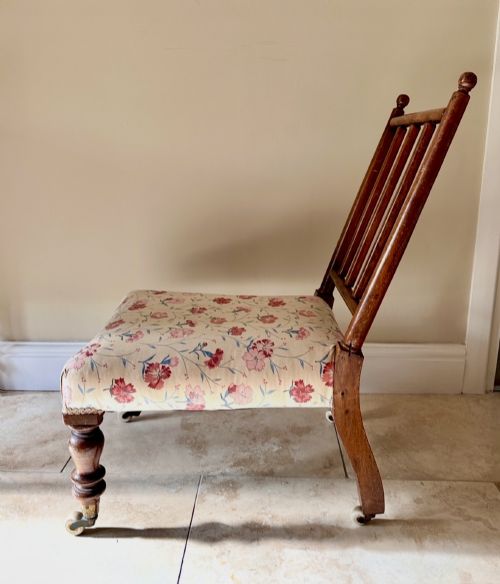
- Nursing chair
- A low-seated upholstered chair designed originally for feeding infants near a fire. Victorian examples often feature walnut or mahogany frames.
- Stickback
- A chair design featuring turned wooden spindles inserted into the seat and connected to a curved top rail. These form traditional country seating.
- Bergere
- An enclosed upholstered armchair with exposed wooden framing usually originating in French design traditions. The style employs cane or upholstered sides.
Vintage Fireside Seating: Frequently Asked Questions
What defines a club fender?
A club fender is a low metal structure, usually made of brass, built around the hearth with padded leather seats on top. It offers warmth and additional seating close to the fire.
Originally popular in large country houses, these pieces combine metalwork with upholstered comfort to create a sociable fireside hub.
How do I identify a Windsor chair?
A Windsor chair is characterised by a solid wooden seat into which the legs and back spindles are socketed directly. They often use ash and elm.
Country versions showcase vernacular turning and bentwood bows rather than formal upholstered frames, making them distinctively sturdy.
What is a nursing chair?
A nursing chair is a low-seated upholstered chair designed for comfort close to the ground. Victorian and Edwardian examples often feature button backs.
The low profile allowed someone to sit comfortably near the hearth, frequently used historically for nursing infants.
How do I care for antique leather?
Antique leather benefits from gentle cleaning and occasional conditioning to maintain its natural suppleness and rich patina. Avoid harsh chemical cleaners.
Keeping leather away from direct heat sources prevents the material from drying out and cracking over time.