


Vintage Fine Art Painting
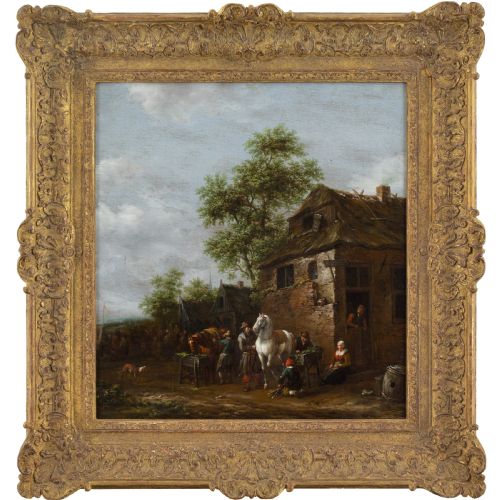
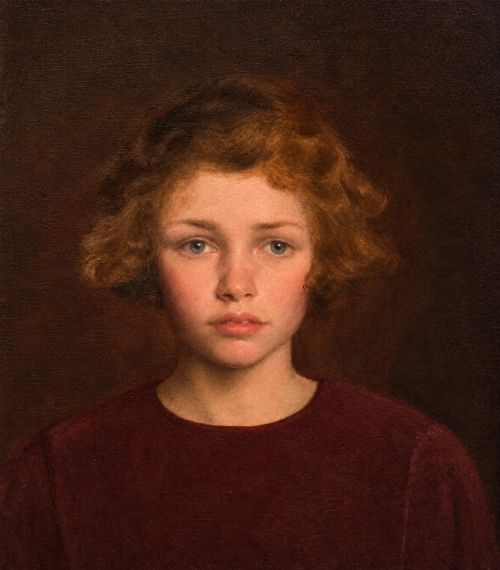
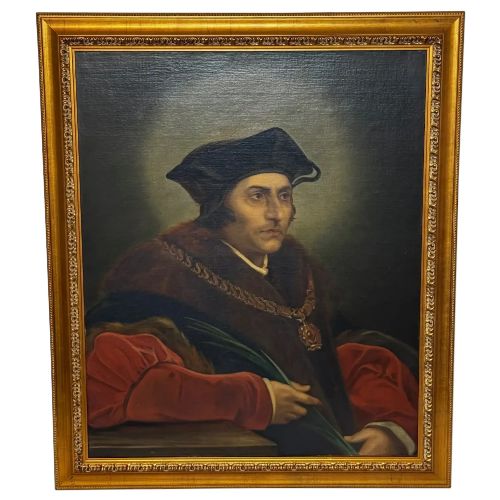
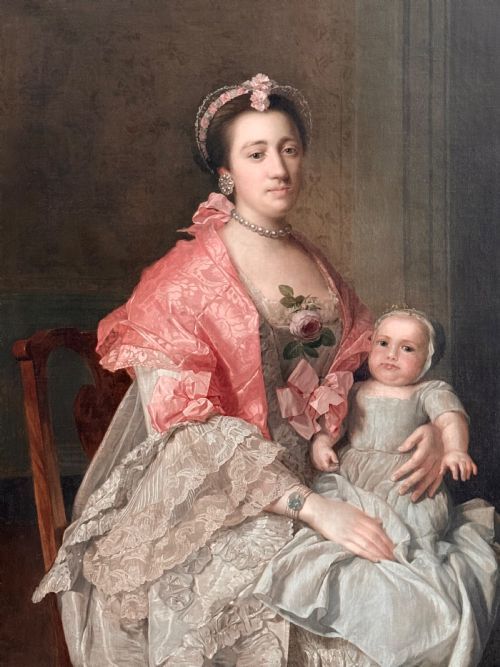
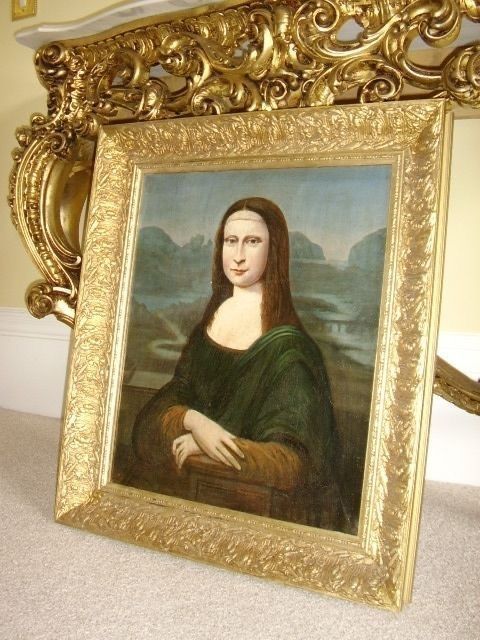
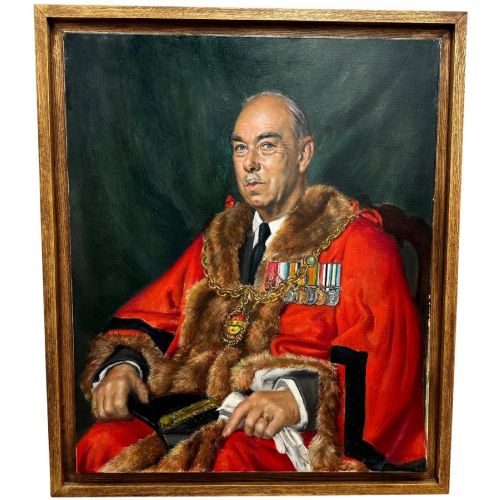
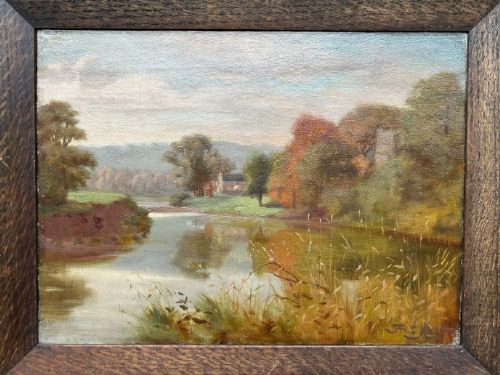
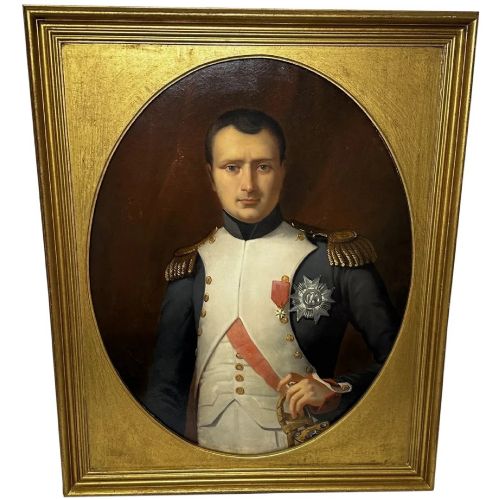
When you search for vintage fine art painting, you enter a rich visual record spanning impressionist landscapes, detailed portraits, and maritime scenes.
Vintage Fine Art Painting
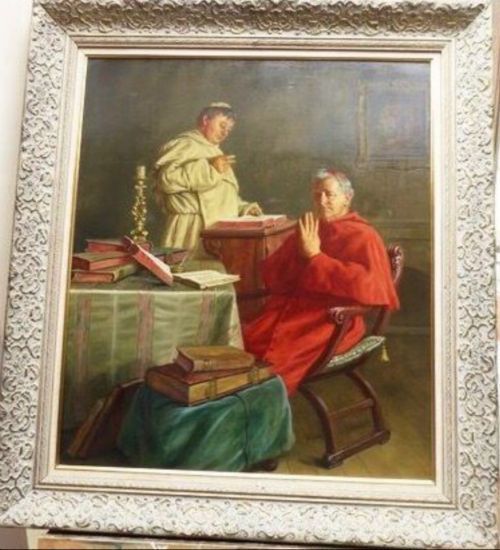
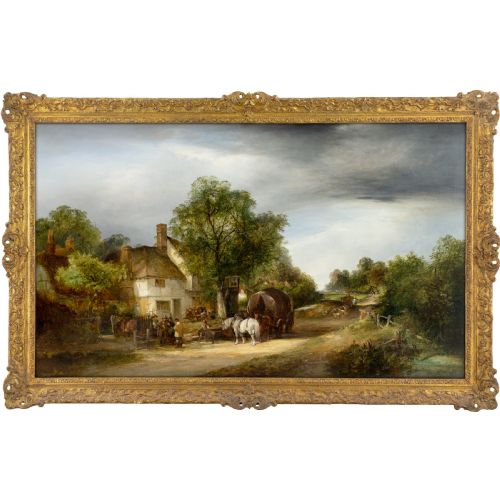
When seeking a vintage fine art painting, you encounter works spanning from the nineteenth century through the mid-twentieth century, encompassing oil on canvas, oil on board, and watercolour on paper.
You will find pieces created within distinct movements such as British Impressionism, Victorian academic painting, and mid-century modern composition, reflecting shifting aesthetic priorities across generations.
How They Were Made
Artists applied oil paint and watercolour across varied surfaces including stretched canvas, prepared wood panels, paper, and board.
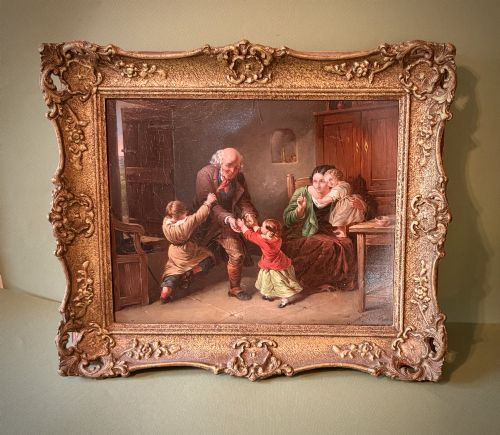
Makers often framed these works in period mouldings, utilising gilded wood and simple carved surrounds to complement the pictorial depth.
Techniques range from expressive, loose brushwork characteristic of impressionism to precise, layered application found in traditional portraiture.
What Varies in Quality
The strength of a composition rests on the artist's handling of light, shadow, and tonal balance within the chosen medium.
Execution depth separates routine decorative output from works exhibiting confident draughtsmanship and assured brush control.
Material preservation, including the stability of the ground, the vibrancy of the pigment, and the integrity of the original support, dictates the lasting visual impact.
Bernard Hailstone·Tom Campbell·Frederick Marriott·Robert Heinrich·Robert Leslie Howey·Kershaw Schofield·George Houston·Herbert Royle·Kenneth Cozens·Gabriel Mathieu·Eric Robertson·Alfred Pollentine·John Lübschitz·Peter Brannan·Carl Felkel·James Stroudley·Herbert Ashwin Budd·Charles Stuart Forbes·Gladys Marguerite Baker
The Vintage Fine Art Painting Glossary
- Oil on Canvas
- Pigment suspended in a drying oil, typically linseed, applied to a woven fabric stretched across a wooden frame. This combination allows for rich blending and textured impasto.
- Giltwood
- Wood that has been coated with a thin layer of gold leaf or gilt powder. It is frequently seen on period frames designed to house significant works.
- Impressionism
- A nineteenth-century painting style characterised by relatively small, thin, yet visible brush strokes and an emphasis on accurate depiction of light. It sought to capture a momentary sensory effect.
- Wood Panel
- A rigid flat wooden support used as a base for painting prior to the widespread adoption of canvas. Panels provide a stable, smooth surface for detailed brushwork.
Vintage Fine Art Painting: Frequently Asked Questions
How do I identify the period of an oil painting?
Examine the canvas preparation, stretcher construction, and framing techniques alongside the stylistic markers of the brushwork.
Material analysis often reveals clues about the era, while signature styles and subject matter align with historical artistic movements.
What is the difference between oil and watercolour?
Oil paint utilises a slow-drying oil binder that permits rich colour layering and physical texture on canvas or wood.
Watercolour employs water-soluble pigments on paper, producing transparent washes and a lighter, immediate visual quality.
How should I care for a vintage painting?
Keep works away from direct sunlight and drastic fluctuations in humidity to prevent canvas warping and pigment degradation.
Display paintings in stable environments and consult a professional conservator for any cleaning or surface maintenance.
What subjects are most common in these works?
Landscape scenes depicting rivers, highlands, and coastal views frequently appear alongside formal and informal portrait studies.
Interior domestic scenes and architectural views also form a significant portion of the available visual record.