




Vintage Filing Storage Unit
A vintage filing storage unit offers robust utility and honest period craftsmanship, making it a practical choice for organising papers or collections.
Vintage Filing Storage Unit
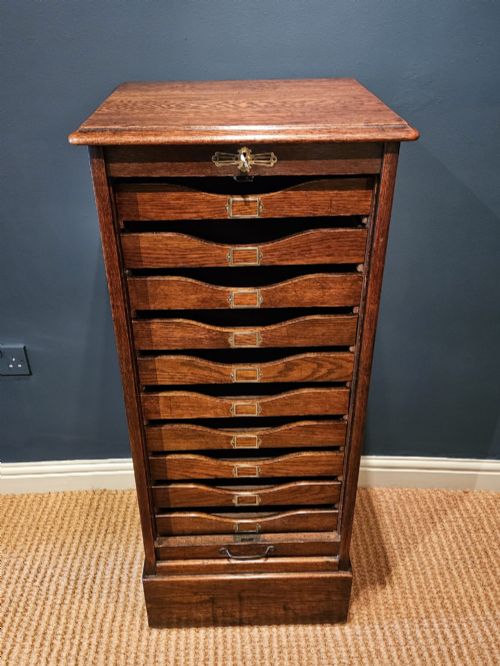
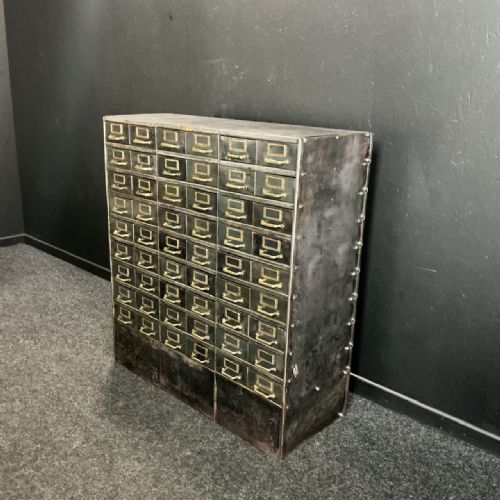
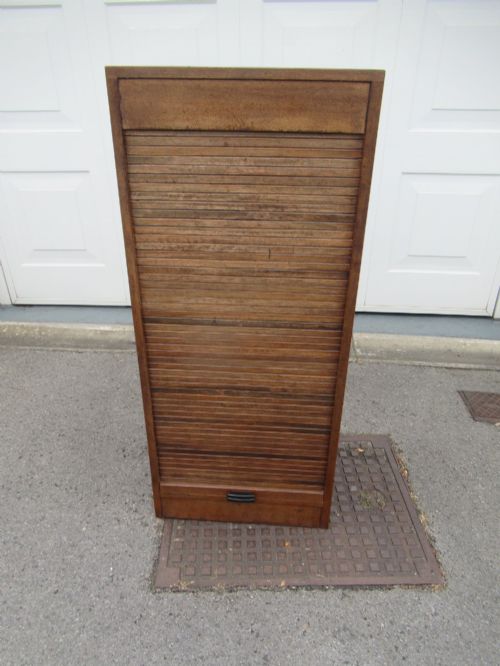
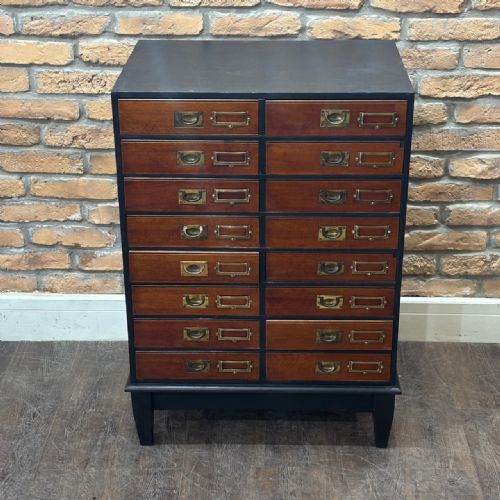
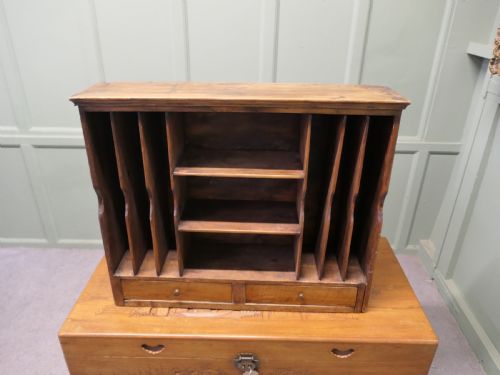
A vintage filing storage unit encompasses practical workplace furniture designed for sorting documents, music, and ledgers. Buyers searching this phrase encounter forms ranging from banks of drawers and plan chests to music cabinets and tambour front filing cabinets.
The material origins trace across the nineteenth and twentieth centuries, featuring Edwardian, Art Deco, and Industrial styles. Oak and mahogany examples dominate alongside pine, steel, metal, and French utility designs.
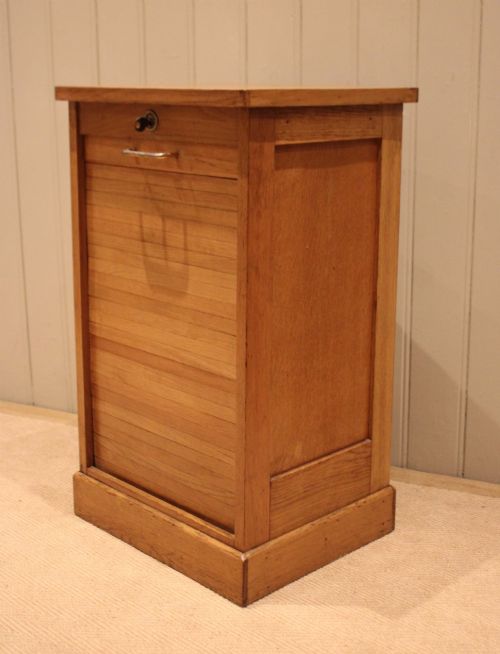
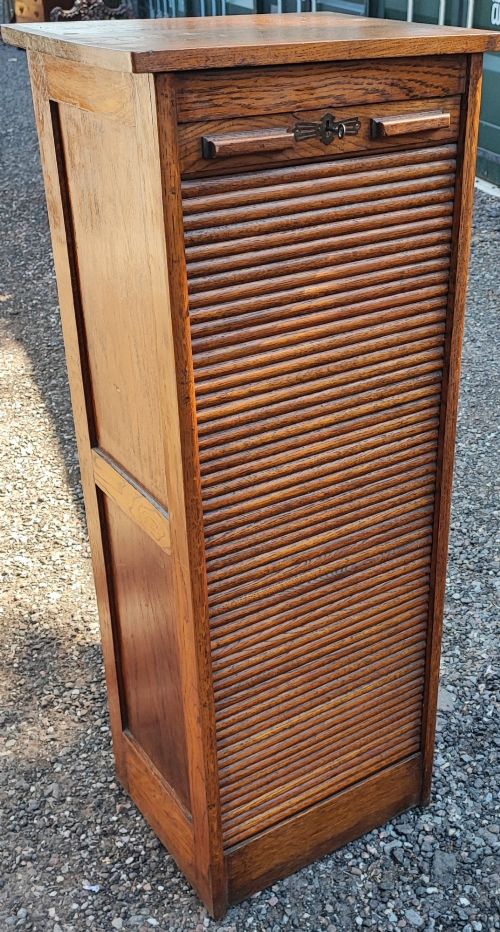
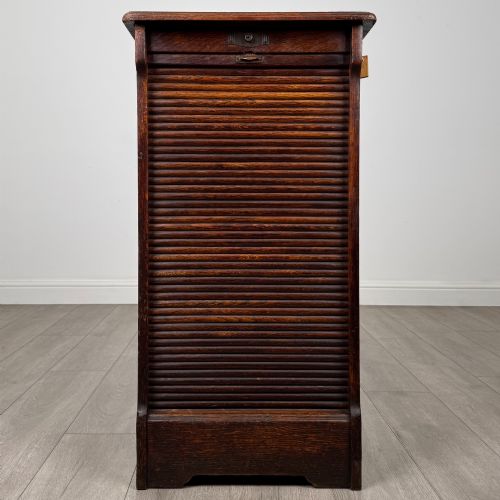
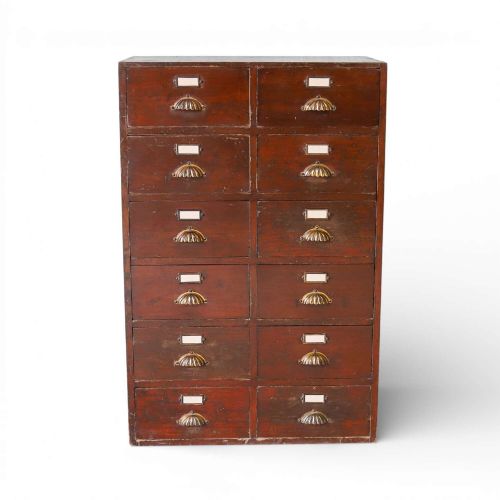
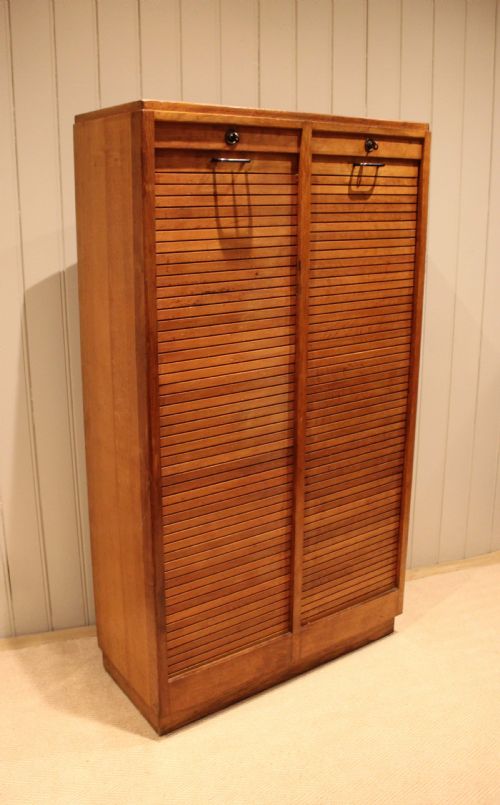
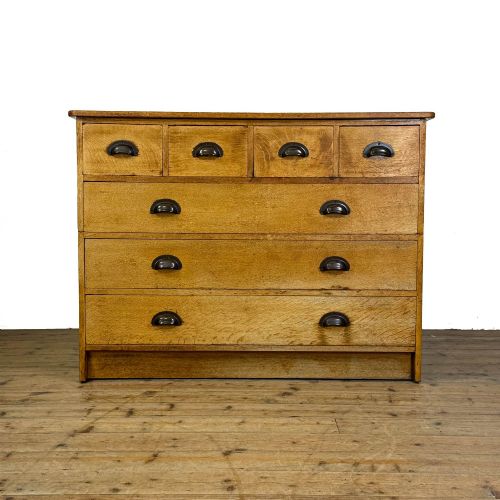
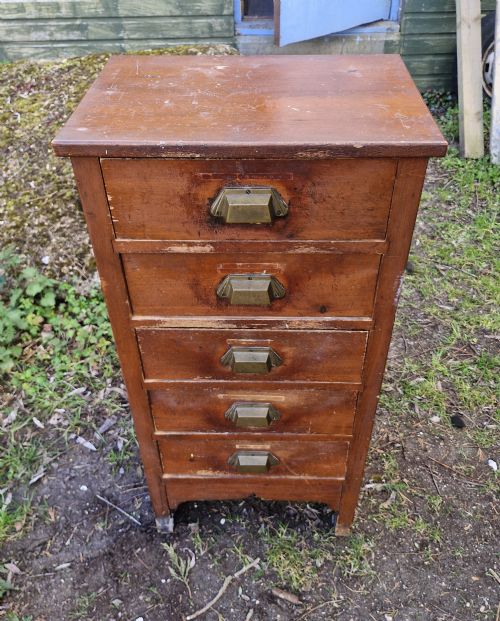
Tambour front configurations and multi-drawer office cabinets appear frequently throughout the selection. These pieces originate from domestic and institutional workspaces, retaining original brass fittings, label holders, and shell pulls.
How they were made
Makers utilised solid timbers such as oak, mahogany, pine, and satin walnut for framing and drawer construction. Inlay wood and brass hardware provided structural detailing and functional components.
Slatted tambour doors relied on textile backing or flexible tracks to slide smoothly around curved housings. Metal, steel, and beech found application in industrial chests, index drawers, and plan chests.
Listings feature pieces spanning the nineteenth century through the 1950s, constructed in oak, mahogany, pine, steel, and brass.
What varies in quality
Construction methods determine the structural integrity of a filing unit, separating simple utilitarian pieces from refined office furniture. Dovetail joints, substantial timber thickness, and intact tambour mechanisms indicate superior workshop production.
The retention of original hardware, including brass handles, shell pulls, and patent letter file mechanisms, elevates the authenticity of the piece. Timbers selected for grain figure and finish preservation distinguish finer Edwardian and Art Deco examples.
The Vintage Filing Storage Unit Glossary
- Tambour
- A flexible door constructed from narrow slats of wood glued to a canvas backing, designed to slide along a recessed track. This mechanism allows the door to conceal office files while saving space.
- Plan chest
- A wide, shallow set of drawers built specifically to store large architectural blueprints, maps, or art prints flat. These are typically constructed in sections from oak or pine.
- Cartonnier
- A freestanding cabinet fitted with internal compartments or drawers designed to hold cardboard filing boxes or loose papers. French examples often incorporate leather accents.
- Shell pull
- A pressed metal or brass handle shaped like a scallop shell, frequently incorporating a small window for paper identification labels. They appear commonly on early twentieth century banks of drawers.
- Haberdashery cabinet
- A multi-drawer retail storage unit featuring glass fronts or shallow compartments. These pieces were originally utilised in shops to organise textiles and small goods.
Vintage Filing Storage Unit: Frequently Asked Questions
How do I date an oak filing cabinet?
Dating relies on stylistic clues like Edwardian or Art Deco mouldings, alongside construction details. Patent markings and original brass hardware also help place the piece within its decade of manufacture.
Early examples often feature fielded panels and substantial solid oak framing.
How were plan chests used originally?
Plan chests stored large format paper documents flat to prevent curling or creasing. Draftsmen, architects, and mapmakers utilised the wide, shallow drawers in professional offices.
Today, their generous proportions suit the storage of artwork, textiles, and large portfolios in domestic settings.
Are metal industrial units durable?
Metal and steel industrial chests withstand heavy daily usage due to their rigid construction. These utilitarian pieces were built for factories, workshops, and post offices.
Their robust nature makes them suitable for contemporary industrial or mixed-style interiors.