
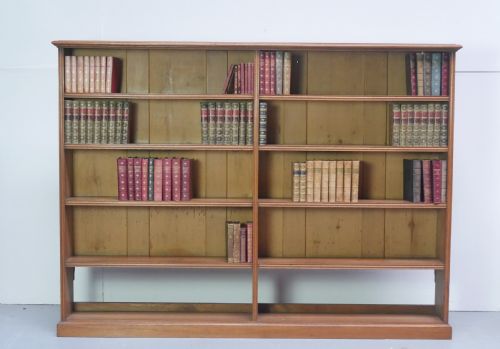


Antique Double Bay Cabinet
An antique double bay cabinet offers generous, partitioned storage for an extensive library or office, bringing classical proportions and handsome timber into a room.
Antique Double Bay Cabinet
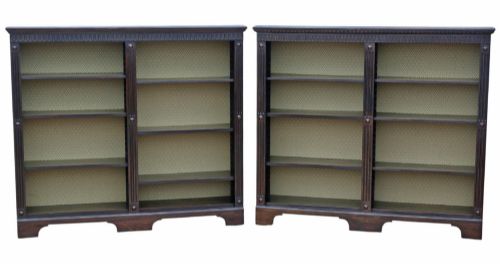
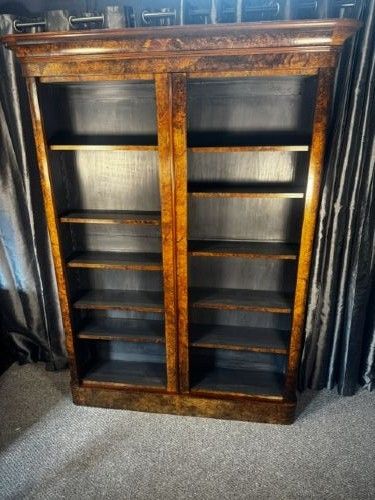
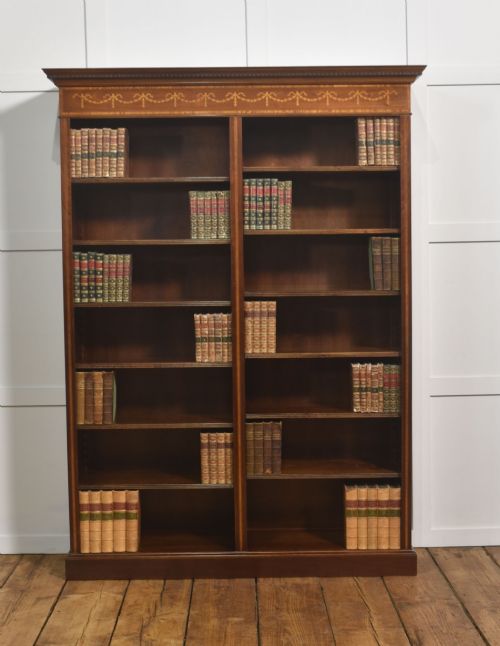
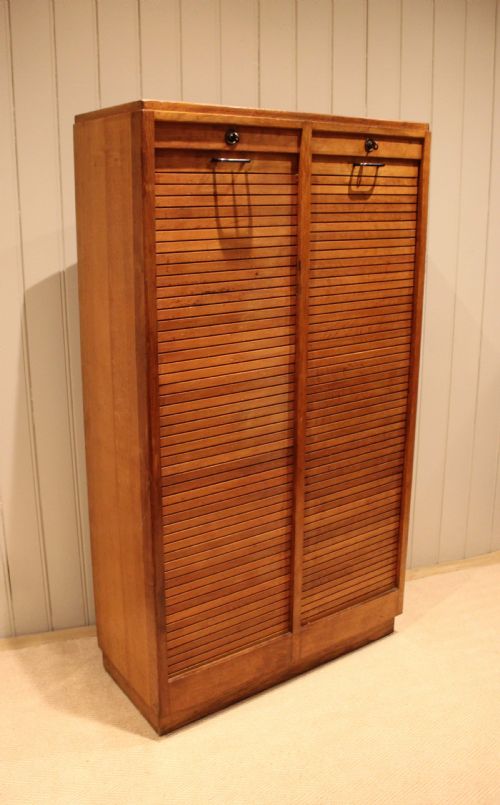
When you search for an antique double bay cabinet, you are looking at substantial sectional storage pieces designed to house books or files across two distinct vertical sections. These grand forms include large oak bookcases, twin-bay open shelving units, and double tambour front filing cabinets.
You are most likely to meet pieces originating from the nineteenth and twentieth centuries, spanning the Victorian era through to French utility designs of the 1940s. These twin-bay configurations provide deep shelving or specialised office storage while maintaining architectural balance on the wall.
How they were made
Cabinetmakers constructed these large double bay structures primarily from sturdy hardwoods like oak and mahogany, often applying decorative veneers such as burr walnut and satinwood to primary display surfaces. The timber was selected for its grain figure, providing a rich tactile quality to the double facade.
Construction techniques balanced utilitarian strength with aesthetic refinement, utilising adjustable shelving systems and slatted tambour fronts that glide smoothly within concealed tracks. Carved details and Sheraton Revival inlay work were applied by hand to elevate the appearance of formal bookcases and office furniture.
Office filing cabinets borrowed desk secrets, hiding paperwork behind slatted wooden curtains that roll away like miniature garage doors.
What varies in quality
Quality rests heavily on the choice of timber and the precision of the cabinet work, distinguishing simple utility furniture from refined period reception pieces. Finer examples display carefully matched burr walnut or satinwood veneers and crisp hand-carved details across the dual bays.
The sophistication of the internal mechanics also defines the tier of the piece, seen in the smooth operation of double tambour shutters and the fine execution of adjustable shelf fittings. Heavy hardwood framing ensures structural integrity across the wide span of a double bay form.
The Antique Double Bay Cabinet Glossary
- Double bay
- A piece of furniture divided structurally into two distinct vertical sections or compartments. This layout provides balanced proportions and separates the interior storage.
- Tambour
- A series of narrow wooden slats glued to a canvas backing, allowing a door to slide smoothly around a curved corner. This clever mechanism is typically found on office filing cabinets.
- Open bookcase
- A shelving unit without doors, designed for immediate access to books and papers. The configuration places the book bindings on permanent display.
- Veneer
- A thin slice of decorative wood applied over a secondary timber base to create a figured surface. Burr walnut and satinwood veneers were utilised on finer cabinet fronts.
Antique Double Bay Cabinet: Frequently Asked Questions
What is a double bay cabinet?
A double bay cabinet is a large storage unit split vertically into two distinct sections. This layout accommodates extensive book collections or office files within a single unified piece.
The form appears in various guises, from open bookcases to office furniture featuring sliding tambour doors. Their substantial size makes them natural focal points for libraries, studies, and large living spaces.
How do I date a wooden cabinet?
Dating a wooden cabinet involves examining the timber species, construction methods, and stylistic revival cues. Pieces from the nineteenth century often feature dense mahogany or heavy carved oak, while twentieth-century examples lean towards oak utility or figured veneers.
Hardware, jointing techniques, and the presence of makers' details also help narrow down the period. Comparing the structural carcass to documented Victorian and Edwardian styles provides a reliable timeline.
Are tambour doors difficult to maintain?
Tambour doors operate via slats running in wooden grooves, requiring occasional cleaning and waxing to maintain smooth movement. The mechanism is durable when treated with care and kept free of dust.
These flexible fronts were designed for heavy commercial use in offices, making them robust enough for daily domestic life. Keeping the tracks lubricated ensures the slatted timber glides without catching.
Where should I place a large bookcase?
A large bookcase requires a solid wall with stable environmental conditions away from direct heat sources and strong sunlight. These dual-section pieces command significant floor space and anchor the room visually.
Leaving adequate clearance around the cabinet allows the double bays and any sliding mechanisms to function properly. Ensuring the floor is level is essential for keeping tall, heavy timber furniture stable.