


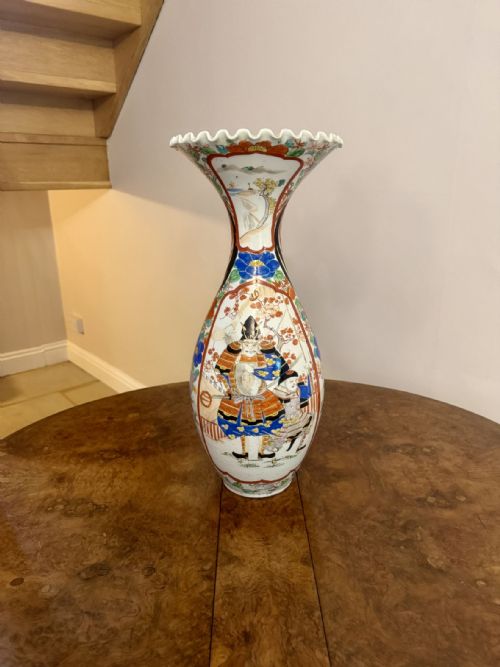
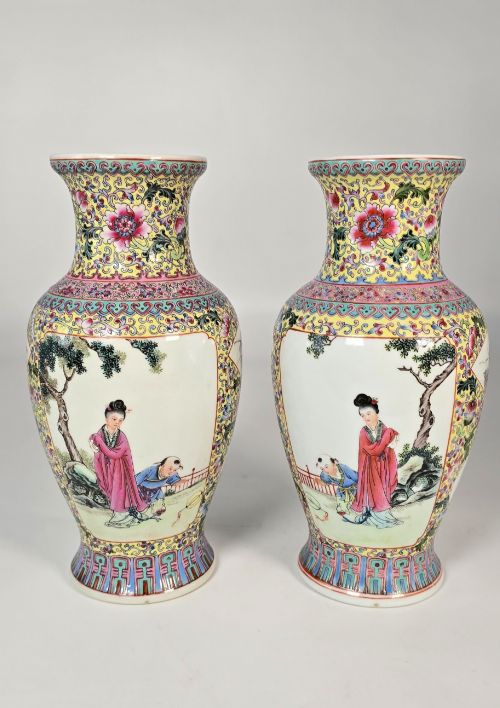


Vintage Figure Vase
A vintage figure vase brings sculptural presence to a room, combining vessel and form from the nineteenth and early twentieth centuries.
Vintage Figure Vase
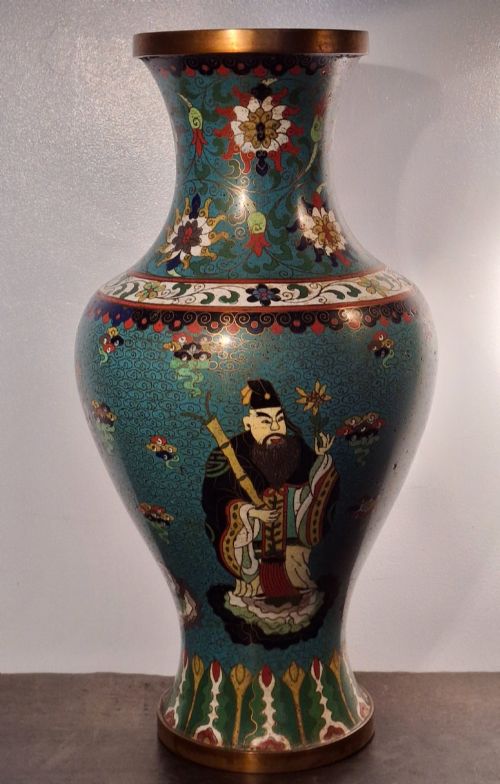
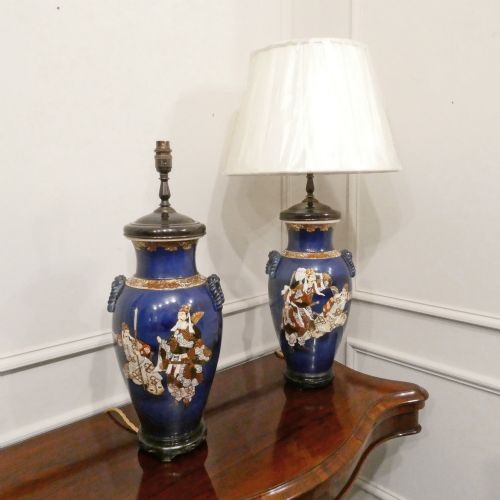
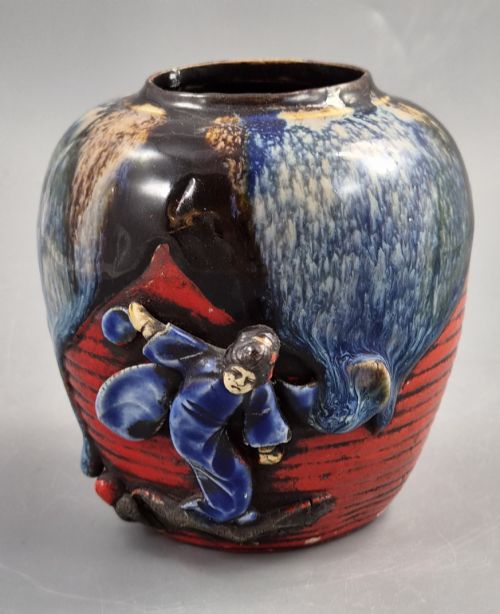
When searching for a vintage figure vase, collectors encounter diverse forms including Satsuma porcelain pieces with applied figures, Sumida Gawa jars with climbing figures, and Staffordshire flatbacks.
The selections span distinct periods such as the Victorian era, the Meiji period, and the Art Deco movement, offering vessels and lamps featuring human and mythological figures.
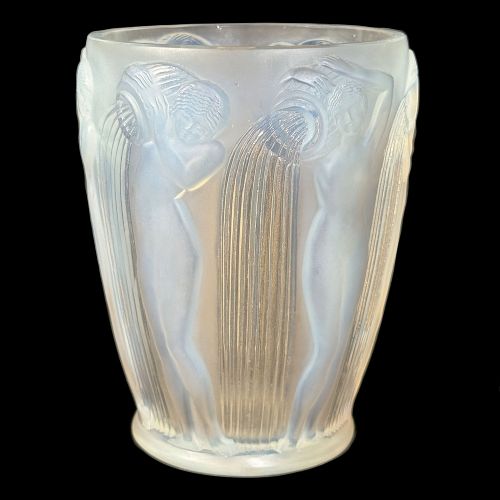
Japanese export wares and Chinese Republican period porcelain frequently shape this category, alongside European porcelain and glass works depicting cherubs, water carriers, and deities.
Materials and construction methods
Pieces in this category rely upon porcelain and earthenware as primary ceramic bases, often enhanced with glaze, enamel, and gold leaf.
Makers utilised glass techniques for opalescent and crystal vessels, while others incorporated bronze, brass, silk, and wood to mount lamps and finish sculptures.
Vintage Figure Vase Retail Price Guide 2026
Typical asking prices for vintage figure vase among the pieces listed under this phrase on Sellingantiques today, from the lower quarter to the upper quarter. They describe what is for sale here now, not the wider market.
Listings span 1880 to 1930, uniting Japanese Meiji ceramics, Chinese porcelain, and Art Deco glass under the figure vase category.
Distinctions in craftsmanship
Execution of the modelled figures separates standard output from finer pieces, particularly where hand-painted details and applied elements show precise modelling.
The depth and clarity of the glaze, whether flambé, famille rose, or opalescent glass, indicate the standard of production in both Asian export and European workshops.
R Lalique·Royal Worcester·Kōko
The Vintage Figure Vase Glossary
- Satsuma
- A type of Japanese earthenware originating from Satsuma Province, typically characterised by a crackle-glaze finish and intricate hand-painted polychrome decoration featuring figures.
- Sumida Gawa
- Japanese ceramics produced in Tokyo featuring heavily textured glazes, such as blue flambé, and distinct applied figures climbing the exterior of the vessel.
- Flatback
- A style of ceramic figure, notably produced in Staffordshire, modelled primarily for display against a wall with an unglazed or undecorated reverse.
- Famille Rose
- A palette of Chinese porcelain enamels dominated by opaque pink or rose colours, introduced during the Qing dynasty and widely utilised on export wares.
- Opalescent glass
- Glass that diffuses light with a milky or translucent appearance, famously utilised by makers such as Lalique to highlight sculpted figures on vases.
Vintage Figure Vase: Frequently Asked Questions
How do I care for a vintage figure vase?
Dust ceramic and glass surfaces gently with a dry, soft cloth to protect delicate applied figures and hand-painted enamel details from damage.
Keep pieces away from direct sunlight to preserve the vibrancy of gold leaf, silk shades, and polychrome glazes over time.
Where should I display these vases?
Place them on sturdy mantelpieces, sideboards, or tables where the sculptural human or mythological forms can be viewed from multiple angles.
Ensure table lamps and heavier vessels sit securely on level surfaces away from heavy foot traffic to prevent accidental tipping.
Are these pieces waterproof?
Many vintage figure vases, particularly those adapted into lamps or featuring delicate applied clay work, are best kept dry rather than used for fresh flowers.
Older ceramics with hairline cracks or porous earthenware bodies can seep moisture, so check the interior condition before adding water.
How are Japanese and European pieces told apart?
Japanese examples from the Meiji and Taishō periods frequently feature Satsuma crackle glazes, Sumida Gawa applied figures, or traditional export motifs.
European works generally showcase Victorian Staffordshire earthenware, Paris porcelain, or Art Deco glass by makers like Lalique.