

Vintage Figure Sculpture
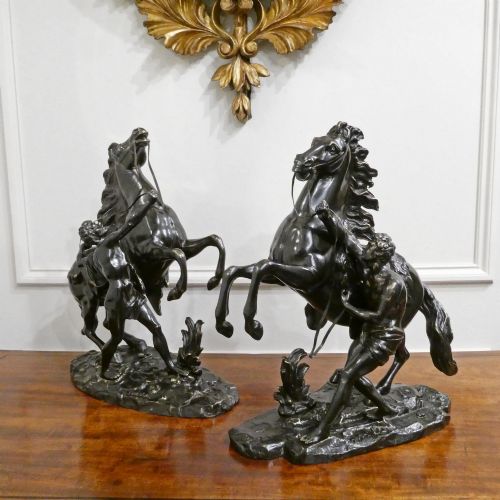
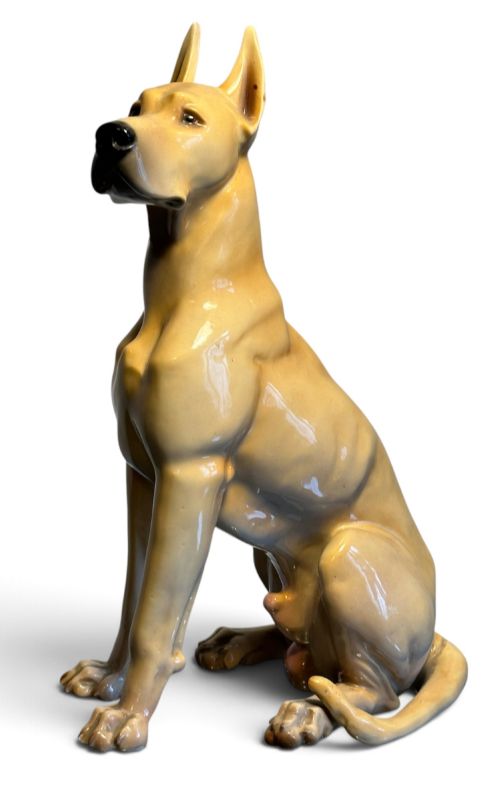
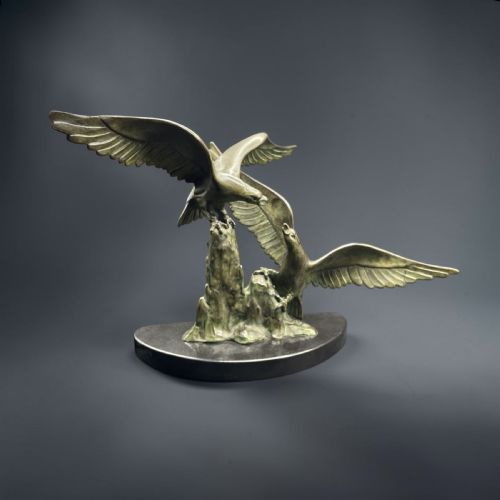
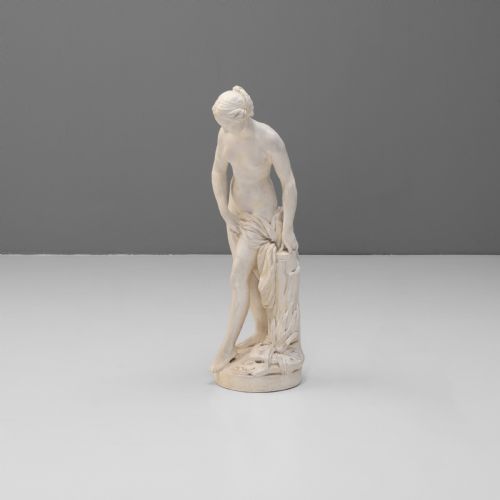
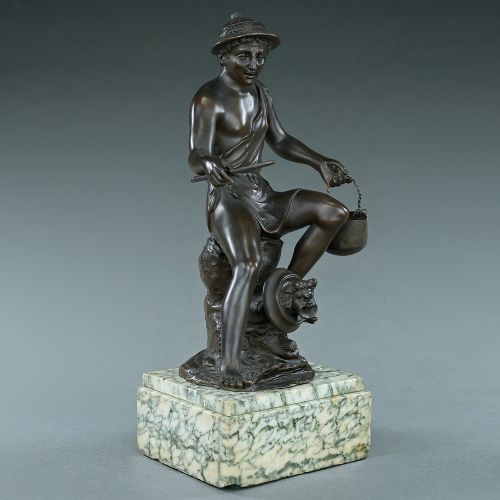
These vintage figure sculpture pieces range from Art Deco dancers to animalier bronzes, offering a tactile focal point for interior spaces.
Vintage Figure Sculpture
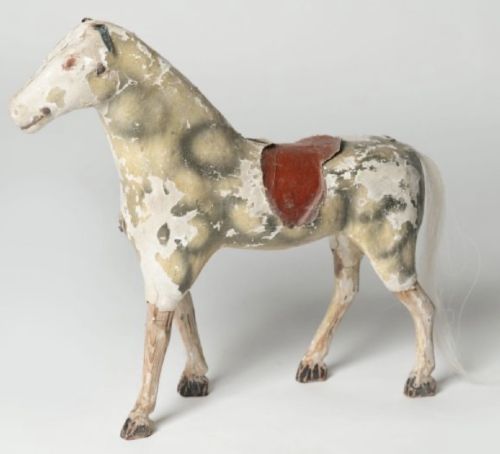
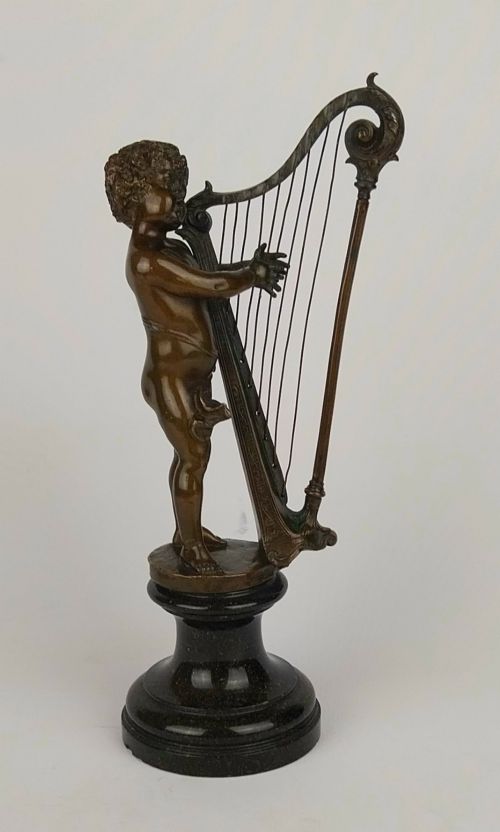
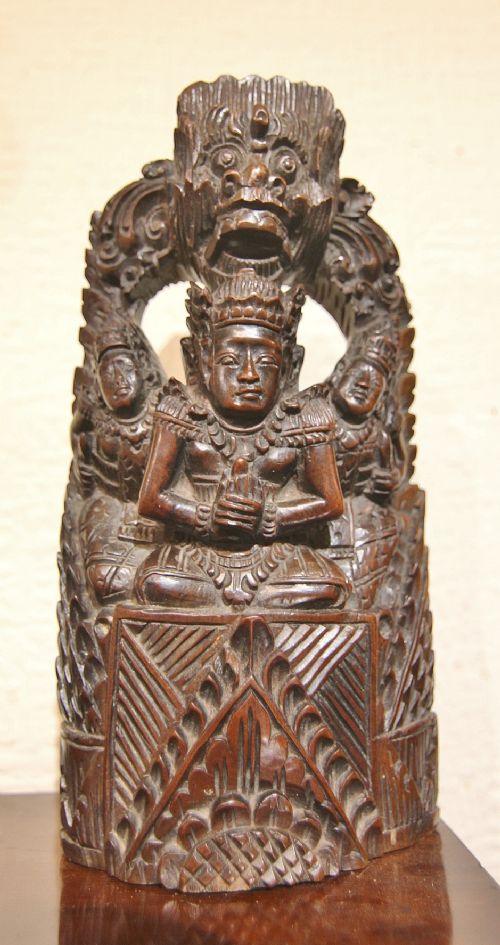
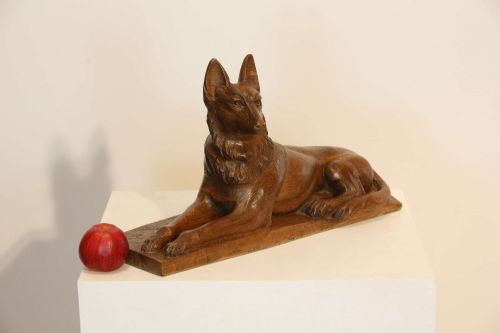
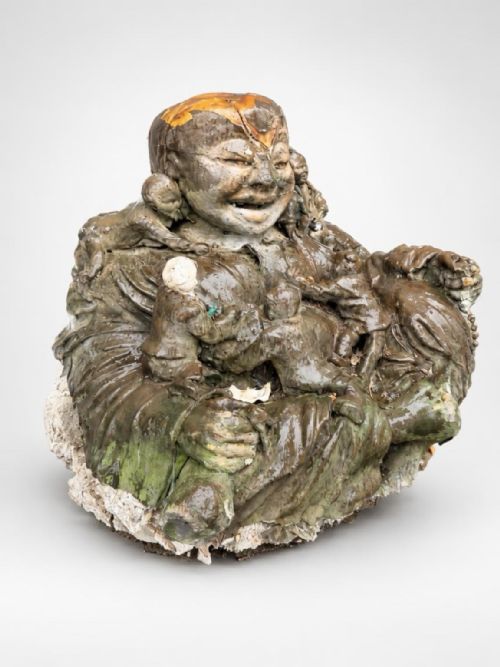
When you search for vintage figure sculpture, you encounter diverse representations of human, animal and mythological subjects spanning the nineteenth and twentieth centuries. The selection encompasses freestanding statues, busts, animal figures and table lamps originating from European, Asian and British makers.
You are most likely to meet cast metal figures from the Art Deco period, alongside carved wooden animals and stone garden statues. These objects bridge decorative arts and sculpture, functioning as substantial interior ornaments or garden centerpieces.
Materials and construction methods
The pieces utilise a wide palette of materials including cast bronze, spelter, marble, alabaster, hard stone and various woods. Metal works often employ traditional casting methods, sometimes paired with stone or onyx bases.
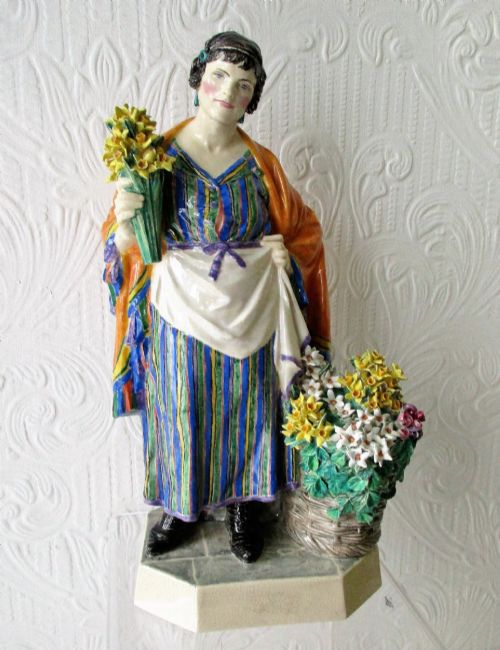
Carved pieces display manual reduction techniques in wood, jade, carnelian agate and alabaster. Surface treatments range from silvered bronze finishes and polychrome paint to weathered patination on cast stone.
Vintage Figure Sculpture Retail Price Guide 2026
Typical asking prices for vintage figure sculpture among the pieces listed under this phrase on Sellingantiques today, from the lower quarter to the upper quarter. They describe what is for sale here now, not the wider market.
Listings feature twentieth-century materials spanning bronze, spelter, marble, alabaster, wood, and cast stone across decorative objects and lamps.
Distinctions in quality
The standard of execution in modeling and chasing dictates the quality of metal figures, separating fluid anatomical rendering from stiff casting. In carved pieces, the crispness of detail in difficult materials like hard stone or linden wood marks superior workshop production.
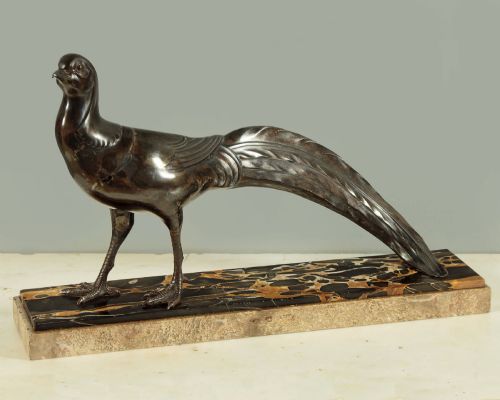
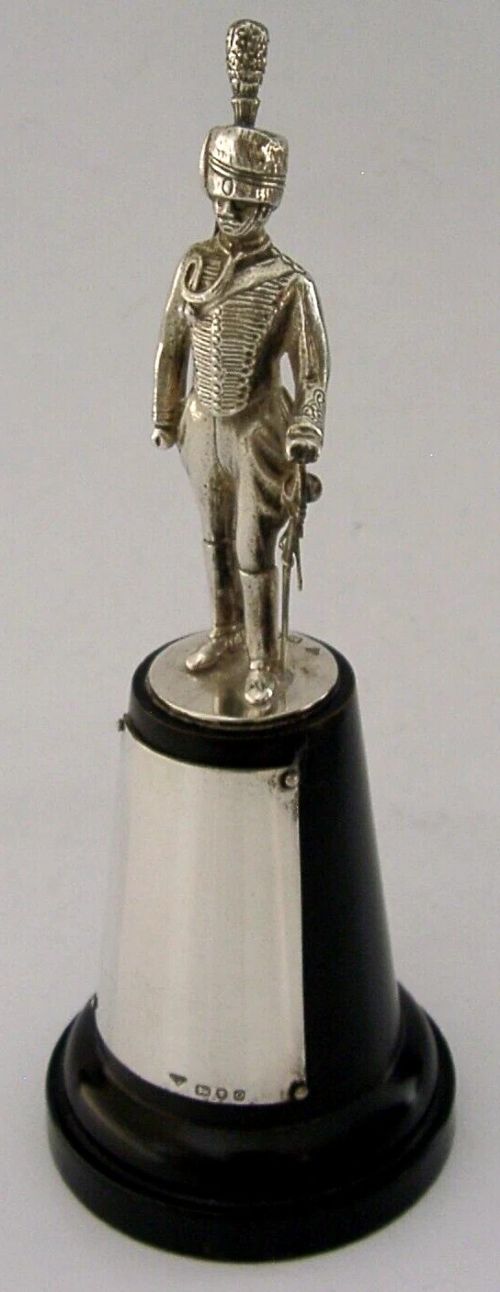
The integration of mixed media, such as a silvered bronze figure mounted accurately to an onyx or marble base, demonstrates higher manufacturing ambition. Signed works by documented artists or established foundries hold greater distinction than anonymous decorative castings.
Georges Gori·Gustave Dussart·Lavroff·Maurice Giraud-Rivière·D.H. Chiparus·Bruno Zach·Pierre Collinet
The Vintage Figure Sculpture Glossary
- Spelter
- A zinc alloy commonly utilised as a less expensive alternative to bronze for decorative figures, frequently patinated to imitate bronze. It is softer and lighter than copper-based metals.
- Animalier
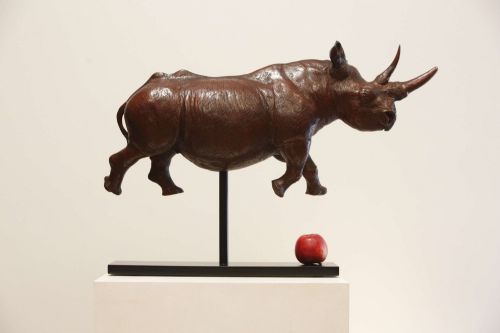
- A nineteenth and twentieth century style focusing on the realistic depiction of animals, particularly in motion or combat. These sculptures capture biological accuracy through dynamic poses.
- Alabaster
- A fine-grained mineral carved into decorative busts and lamps, prized for its translucent qualities when polished. It allows light to diffuse softly across the surface.
- Vienna Bronze
- Small, cold-painted bronze figures produced in Austrian workshops during the late nineteenth and early twentieth centuries. They depict human figures, animals and orientalist subjects with vibrant hand-painted details.
- Hard stone
- A term covering dense minerals such as jade, carnelian and other quartz varieties carved into miniature figures or animals. These require specialised abrasive techniques to shape.
Vintage Figure Sculpture: Frequently Asked Questions
What is vintage figure sculpture?
Vintage figure sculpture comprises decorative three-dimensional representations of human and animal subjects produced during the nineteenth and twentieth centuries.
These pieces reflect distinct design movements such as Art Deco, Classical Revival and animalier, utilising materials ranging from bronze and marble to wood and spelter.
How were these sculptures displayed?
Many figures served as interior decorative objects placed on mantelpieces, pedestals, or dedicated marble bases. Table lamps also integrated sculptural figures into functional lighting.
Larger stone and cast stone pieces were positioned outdoors in gardens, courtyards or architectural alcoves as architectural ornaments.
How do I identify Art Deco figures?
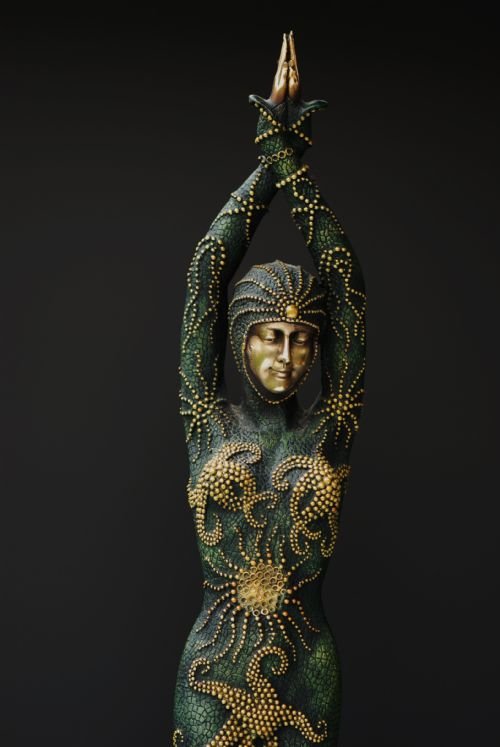
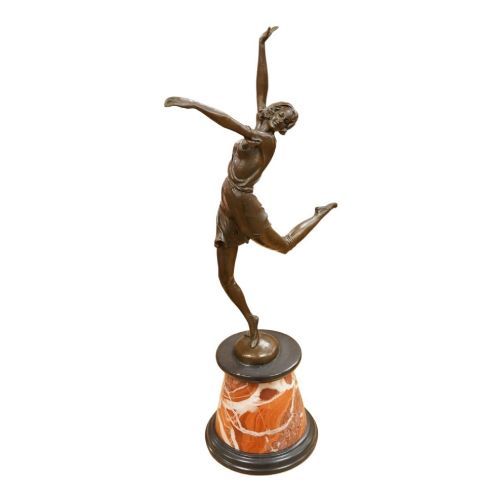
Art Deco sculptures typically feature stylized human forms, dancers or athletes captured in dynamic motion with streamlined geometry. They often combine materials like silvered bronze, ivory alternatives or glass mounted on stepped marble or onyx bases.
Signatures or foundry marks from known artists help confirm the period and origin of these specific castings.
How do I care for alabaster and marble?
Alabaster and marble require gentle dusting with a dry, soft cloth to prevent surface abrasion. Moisture should be avoided entirely, particularly with water-soluble alabaster.
Placing these sculptures away from direct heat sources and sunlight protects the polished mineral surface from drying or discoloration.