
Vintage Figurative Oil Canvas
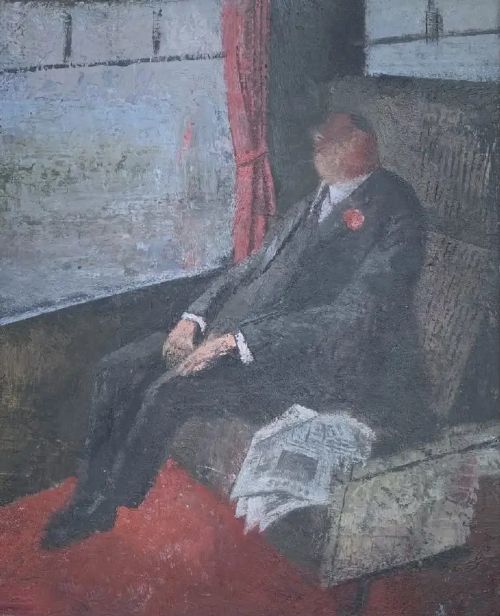
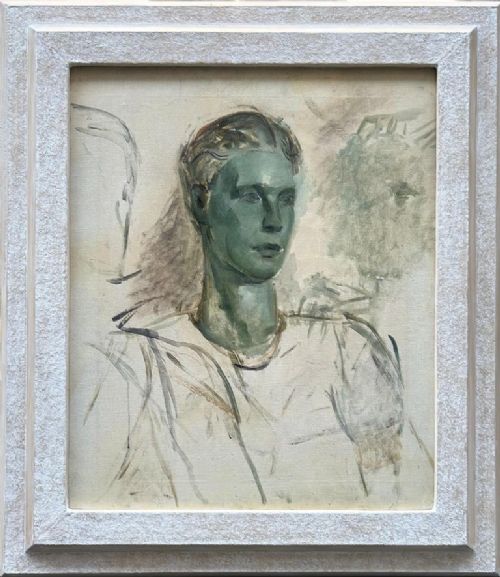
A vintage figurative oil canvas captures human presence across the decades, offering collectors a direct link to past lives through painterly brushwork.
Vintage Figurative Oil Canvas
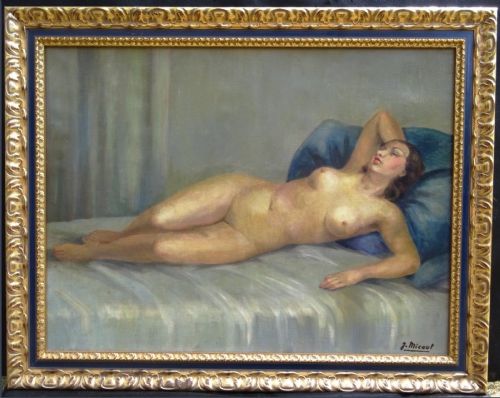
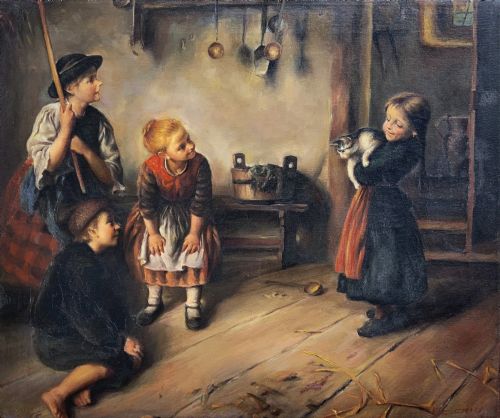
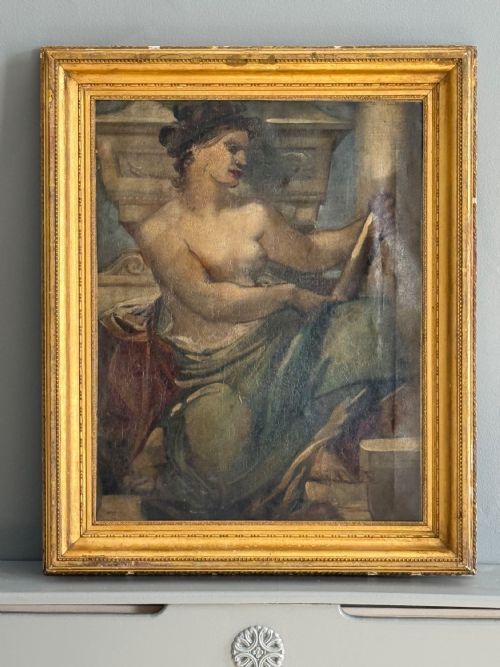
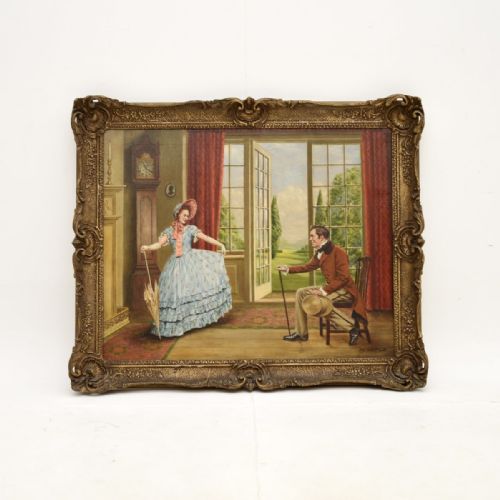
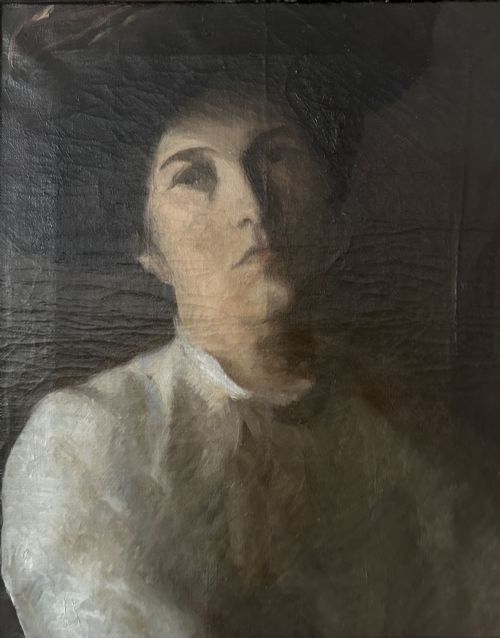
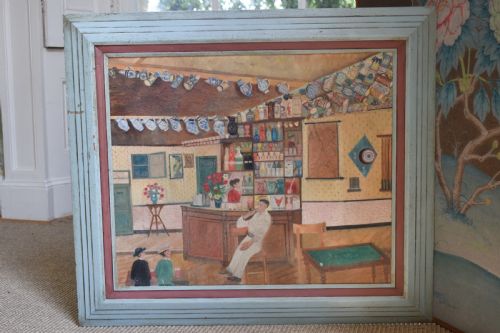
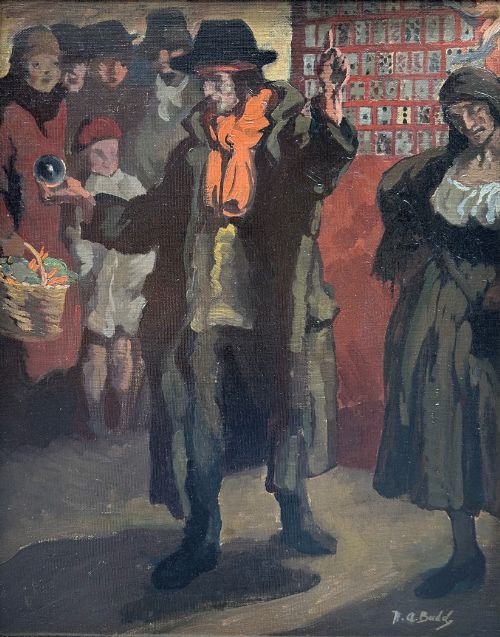
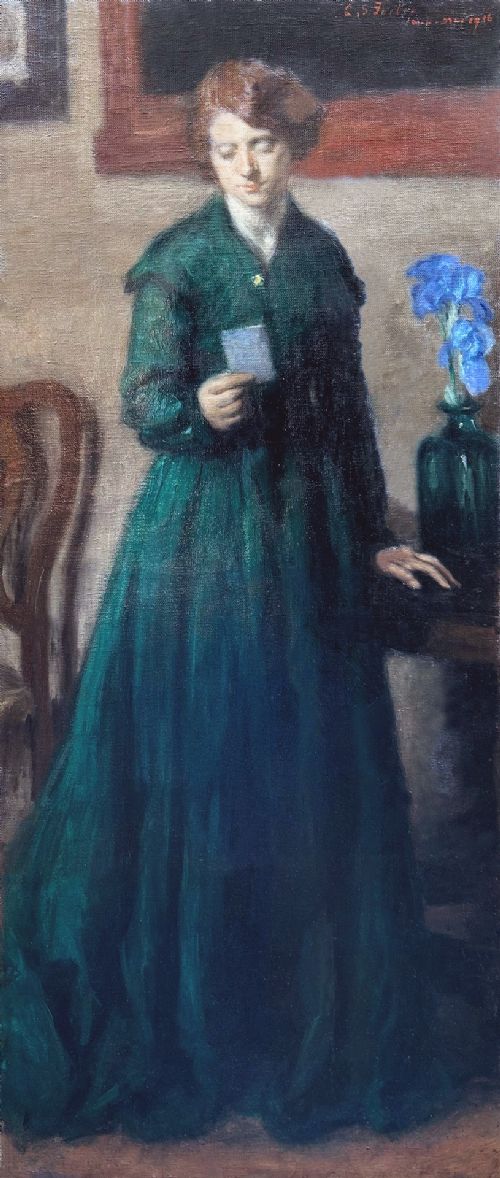
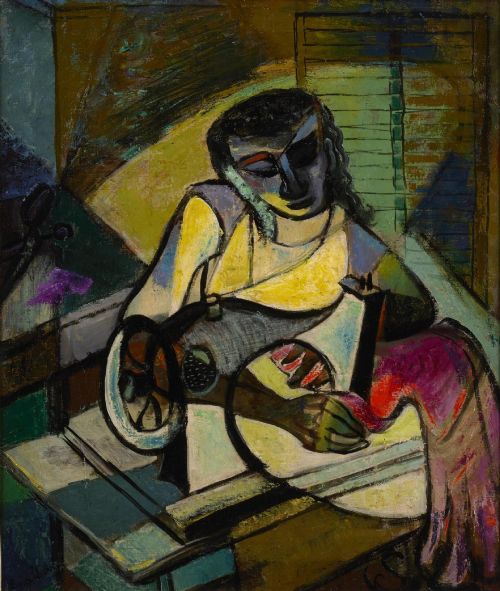
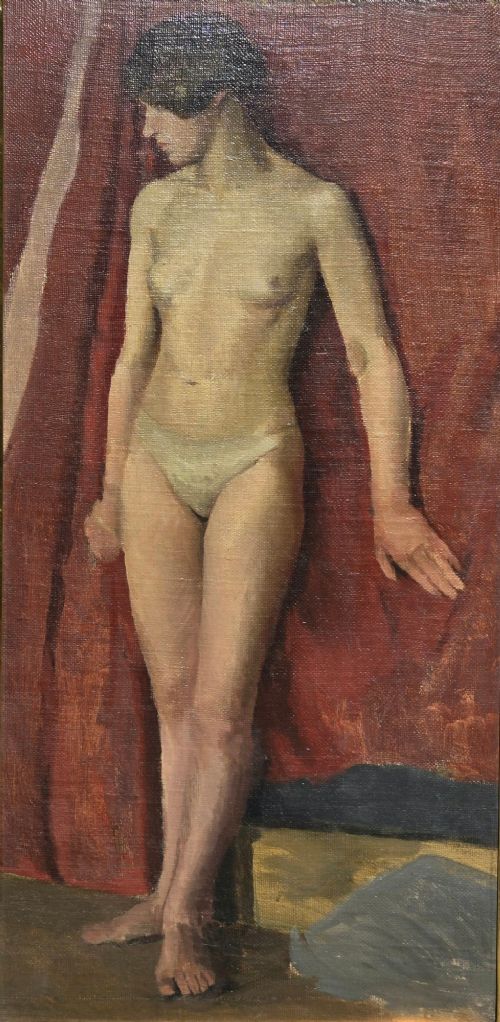
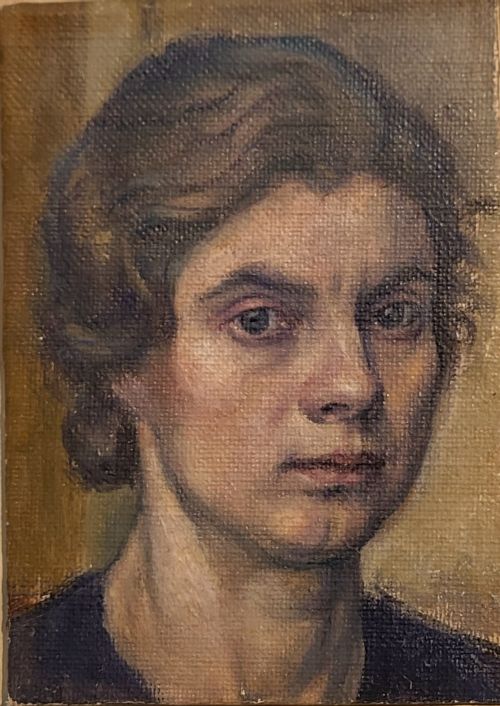
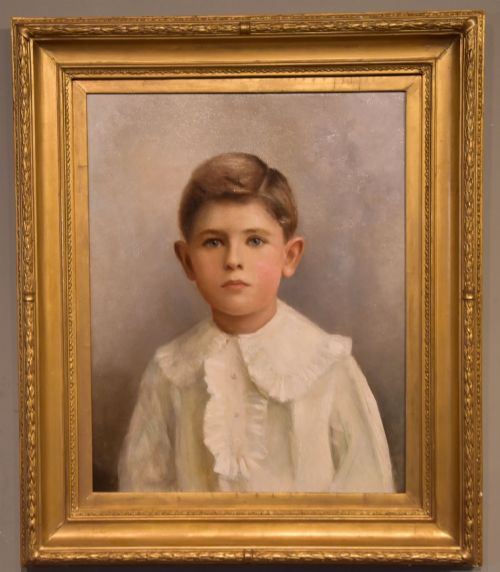
A vintage figurative oil canvas comprises painted depictions of people, ranging from formal portraits and intimate domestic interiors to narrative genre scenes and studies of the nude form. These works emerge from diverse movements spanning the nineteenth century through the mid-twentieth century, encompassing Impressionist, Modern British, and French Art Deco styles.
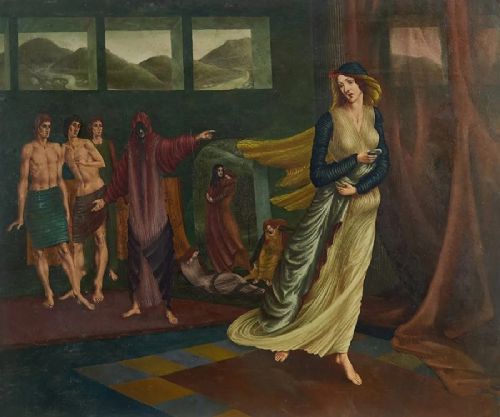
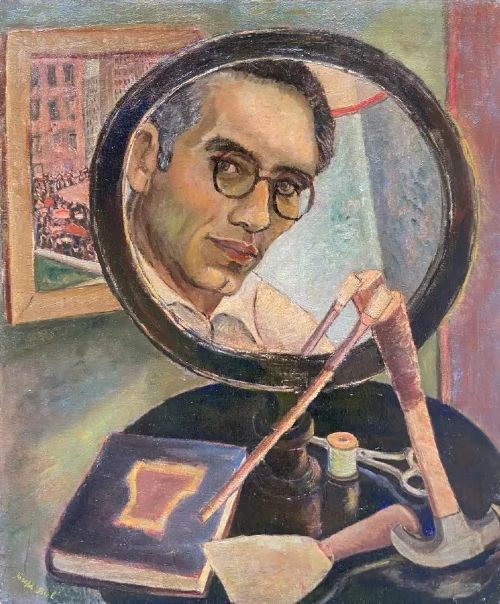
The selection on this page leans heavily toward mid-century British and European canvases alongside earlier Victorian and Edwardian examples. Buyers encounter everything from self-portraits and artist studio interiors to rustic scenes and mythological depictions.
Subjects include named sitters, anonymous models, and imaginative compositions rendered by both listed artists and studio painters. Each canvas acts as a physical record of human character and artistic ambition from its specific decade.
Materials and construction methods
The foundation of these works is woven canvas stretched across wooden supports, though occasional panels also appear in the record. Artists applied oil paint, prized for its rich working properties and depth of colour, directly to this prepared textile surface.
Many surviving examples retain their original frames constructed from wood, embellished with gesso mouldings, or finished in gilt. The combination of oil pigment on canvas secured within a period frame defines the physical integrity of these pieces.
The listings span periods from the nineteenth century through the 1960s, utilising canvas, wood, gesso, and oil paint.
Elements that distinguish the work
The distinction between standard decorative portraits and exceptional fine art rests in the confidence of the brushwork and the psychological depth of the subject. Masterly handling of light, shadow, and human anatomy elevates a composition above mere record-making.
Provenance and attribution also shape the standing of a canvas, as works tied to documented academic painters or exhibiting strong regional and international school characteristics command greater attention from serious collectors.
Alfred Lyndon Grace·Henry Windsor Fry·Philippe de Rougemont·Charles James McCall·Umberto Volpato·Valdemar Magaard·Philip Naviasky·Ronald Ossory Dunlop·Margaret Maitland Howard·Raymond Moritz·Henri Vincent-Anglade·Harry Freckleton·Attilio Toro·Gabriel Dauchot·Gertrude Halsband·Gabriel Puig Roda·Septimus Scott·John Sanderson Wells·Baruch Shalom Oskotsky·Francis Plummer·Joseph Biel·Oilver Messel·Herbert Ashwin Budd·Charles Stuart Forbes·Lena Gurr
The Vintage Figurative Oil Canvas Glossary
- Genre scene
- A painted depiction of everyday life and ordinary people engaged in common activities. These works provide social history alongside artistic merit.
- Gesso
- A plaster-like mixture applied to wooden frames before gilding or painting. It creates a smooth base for decorative mouldings.
- Giltwood
- Wood that has been coated with a thin layer of gold leaf or gilt powder. Frames made this way often show patination appropriate to their age.
- Impressionism
- A nineteenth-century painting style characterised by relatively small, thin, yet visible brush strokes and an emphasis on accurate depiction of light.
- Provenance
- The chronological history of the ownership of a piece. Well-documented records add clarity to an artwork's background.
Vintage Figurative Oil Canvas: Frequently Asked Questions
How should I clean a vintage oil canvas?
Surface dust can be gently removed with a very soft, dry brush, taking care to avoid any flaking paint or damaged areas.
Professional conservation is required for deep cleaning or removing discoloured varnish to prevent permanent harm to the pigment.
Are these paintings supplied with their original frames?
Many listings include period frames made of wood and gesso, though some canvases are sold unmounted or in later replacement mouldings.
Frame conditions vary from crisp gilt to worn surfaces that show distinct signs of age and handling.
How do I identify the period of a figurative canvas?
Dating relies on a combination of stylistic markers, costume details of the sitters, and the physical characteristics of the canvas and stretcher.
Signatures, exhibition labels, and written annotations on the reverse often provide further clues to the exact decade of creation.
Where should I hang an oil painting at home?
Paintings benefit from placement away from direct sunlight, high humidity, and rapid temperature fluctuations to protect the canvas and oil pigments.
Stable indoor environments help preserve both the structural integrity of the textile and the decorative quality of the frame.