




Vintage Figural Vases
Vintage figural vases bring sculpted human and animal forms into vessel design, offering sculptural presence alongside traditional display utility.
Vintage Figural Vases
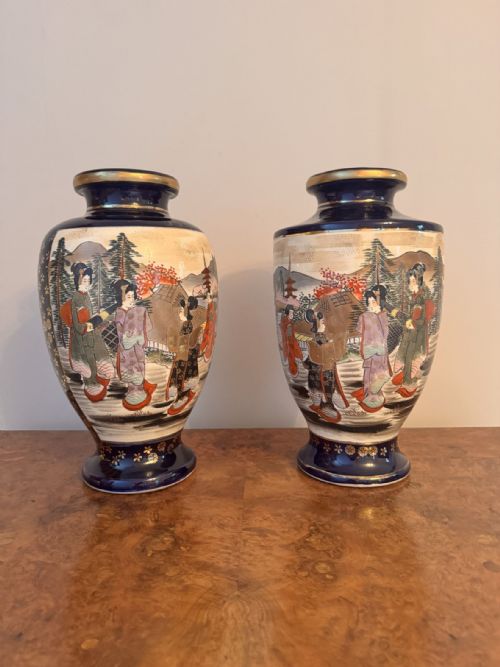
Vintage figural vases combine sculptural artistry with functional vessel forms, often depicting human figures, cherubs, or traditional processors. When searching for vintage figural vases, buyers encounter diverse expressions ranging from Japanese Satsuma pottery to British Staffordshire figures and Art Deco glass.
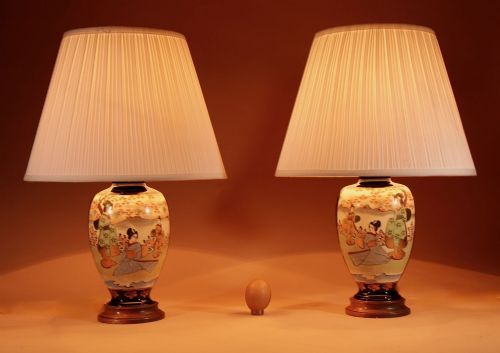
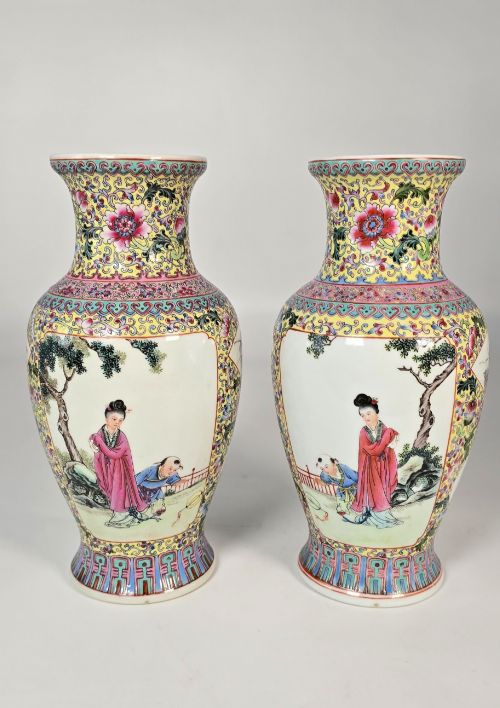
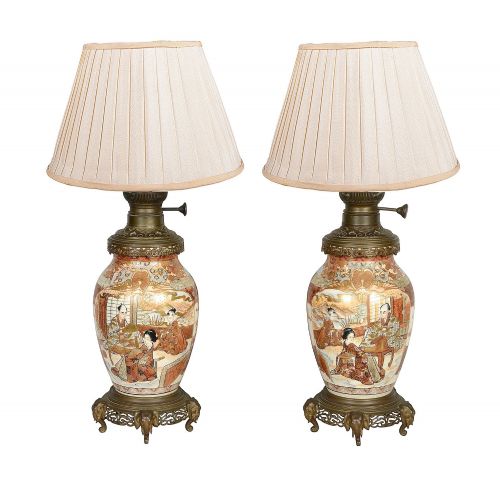
The selections span multiple centuries and stylistic traditions, including Meiji period Japanese ceramics, Chinese Republican porcelain, and European earthenware. Forms encompass traditional vases, converted table lamps, toby jugs, and decorative figurines that incorporate vessel elements.
Origin points vary significantly across listings, shifting from nineteenth-century Japanese workshops to twentieth-century European glasshouses and British potteries. Each piece bridges the gap between standalone sculpture and functional display item.
How they were made
Materials span earthenware, porcelain, ceramic, and glass, frequently enhanced with enamel work and gold leaf accents. Makers utilised hand-painting techniques to articulate intricate facial expressions and traditional garments on the sculpted surfaces.
Manufacturing methods rely heavily on traditional ceramic shaping, moulding, and firing processes, followed by meticulous overglaze enamelling. Some examples integrate metal components, such as brass mounts, alongside silk and fabric elements on associated lighting conversions.
Vintage Figural Vases Retail Price Guide 2026
Typical asking prices for vintage figural vases among the pieces listed under this phrase on Sellingantiques today, from the lower quarter to the upper quarter. They describe what is for sale here now, not the wider market.
Listings feature ceramics and glass spanning from the seventeenth century through the Art Deco era, originating from British, Japanese, and Chinese workshops.
What varies in quality
Quality differences emerge in the precision of the hand-painted details, particularly regarding facial expressions and the crispness of gilt processions. Superior examples display refined control over enamel colours and clean integration between the sculptural figure and the vessel body.
Libochovice·Royal Worcester
The Vintage Figural Vases Glossary
- Bisque
- Unglazed ceramic porcelain that has been fired once, offering a matte, marble-like texture well-suited for detailed figurative sculpture. This finish highlights subtle facial expressions and tactile drapery without surface gloss.
- Satsuma
- A type of Japanese earthenware featuring a pale, ivory-coloured crackle glaze richly decorated with enamels and gilt. These ceramics frequently depict complex figural processions and historical scenes.
- Cloisonne
- An ancient technique for decorating metal object surfaces using enamels held in place by thin metal strips. Artisans solder wire onto a brass or bronze base before filling the resulting compartments with coloured paste.
- Toby Jug
- A pottery jug shaped as the bust or full figure of a robust, cheerful character, often wearing a tricorn hat. In earlier traditions, these forms doubled as functional drinking vessels or decorative table pieces.
- Gilt
- Application of gold leaf or powdered gold onto the surface of porcelain, ceramic, or metal objects. This technique accentuates borders, robes, and background motifs with metallic reflection.
Vintage Figural Vases: Frequently Asked Questions
How do I identify Satsuma ware?
Satsuma ceramics are characterised by a distinctive warm, ivory-coloured earthenware body covered in a fine network of crackled glaze. They are typically decorated with detailed polychrome enamels and raised gold leaf.
Motifs frequently include processions of figures, historical narratives, and traditional Japanese landscapes.
Were these pieces used as lamps?
Many vintage figural vases and bottles were later converted into table lamps during the twentieth century. This adaptation preserved the original ceramic or glass body while updating the object for domestic lighting.
Conversion often involved drilling the base or mounting the piece with brass hardware and fabric shades.
How should I care for enamel and gilt?
Painted surfaces and delicate gold leaf require gentle treatment to prevent wear over time. Dusting with a soft, dry cloth is usually sufficient for routine maintenance.
Avoid harsh chemical cleaners, abrasive cloths, and prolonged exposure to direct sunlight, which can degrade fragile enamel colours.