







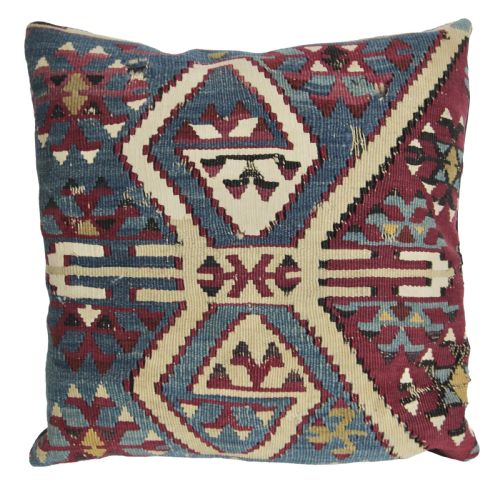


Vintage Ethnic Flatweave
Vintage ethnic flatweave textiles are hand-woven tribal rugs, cushions, and covers bringing rich colour and pattern into modern spaces.
Vintage Ethnic Flatweave
When buyers search for vintage ethnic flatweave, they encounter hand-woven textiles originating from tribal and traditional communities in Anatolia, Central Asia, and the Balkans. The selection here spans the mid-nineteenth century through to the early twentieth century, showing periods such as eighteen fifty, eighteen seventy, eighteen ninety, nineteen hundred, and nineteen twenty.
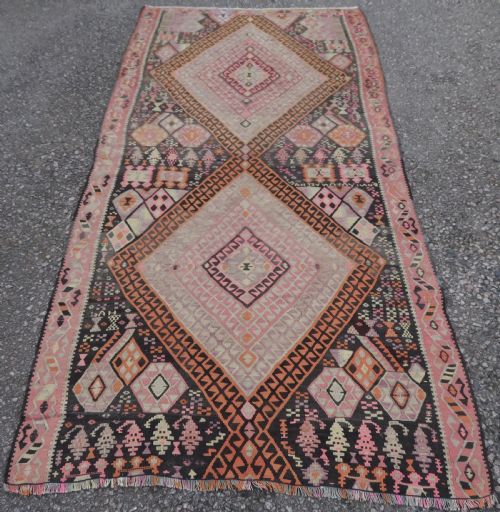
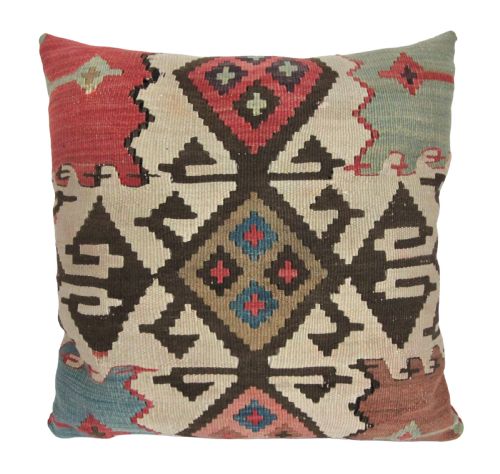
Buyers are most likely to meet kilim cushions and traditional flatweave rugs on this page, as these make up a significant portion of the current inventory. These pieces translate historic floor coverings and nomadic trappings into practical soft furnishings and wall hangings for contemporary interiors.
What varies in quality
Quality in these flatweaves rests upon the tightness of the weave, the precision of the geometric or repeat medallion design, and the integrity of the structural fibres. Pieces with finer hand-spinning and denser wool construction tend to hold their shape and detail more successfully over generations.
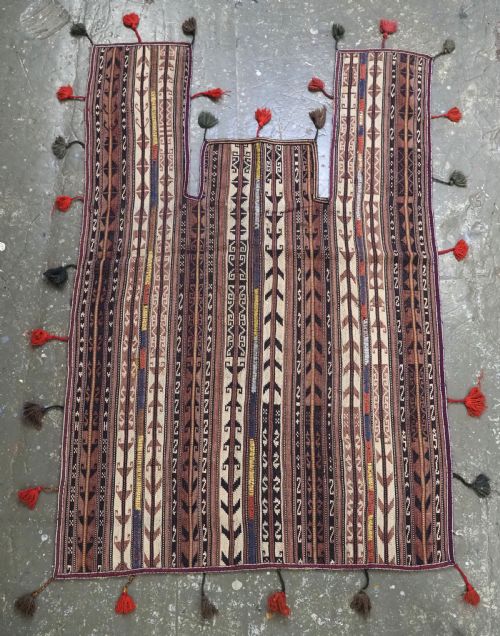
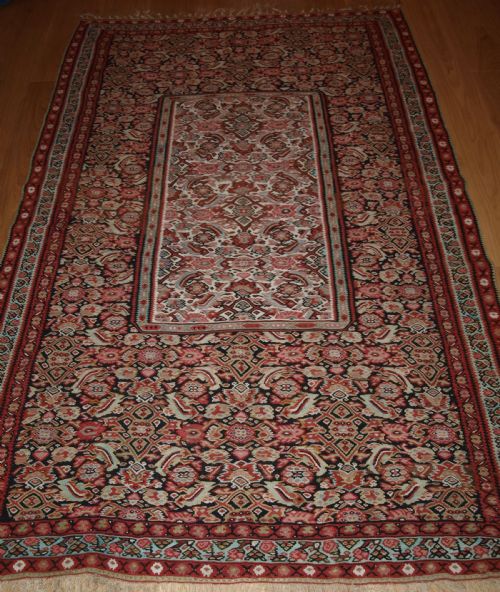
The harmony and preservation of the colour palette also separate examples, as natural dyes age with varying degrees of depth and warmth. Furthermore, the scarcity of specific regional designs, such as unusual Senneh patterns or ceremonial horse blankets, influences the distinction of an individual piece.
Vintage Ethnic Flatweave Retail Price Guide 2026
Typical asking prices for vintage ethnic flatweave among the pieces listed under this phrase on Sellingantiques today, from the lower quarter to the upper quarter. They describe what is for sale here now, not the wider market.
One listed yurt band measures an ambitious fifty feet long, originally built to keep a nomadic tent secure against the Central Asian wind.
The Vintage Ethnic Flatweave Glossary
- Flatweave
- A textile produced without a pile by interweaving warp and weft threads directly on a loom. This technique creates a smooth, tapestry-like fabric suited to both floor use and wall hanging.
- Kilim
- A specific type of pileless textile originating from Anatolia and the Balkans, typically featuring geometric motifs and slit-weave construction. These pieces function historically as rugs, wall hangings, and converted cushions.
- Chuval
- A large storage bag face produced by Turkmen tribes in Central Asia, woven flat and later repurposed or preserved for its detailed tribal iconography. They display intricate patterning characteristic of nomadic craftsmanship.
- Torba
- A smaller storage bag used in Central Asian tents, often featuring specific tribal designs and hand-woven wool structures. These items showcase the domestic artistry of groups such as the Lakai Uzbeks.
- Tent Band
- A long, narrow woven band utilised within nomadic yurt structures to secure the framework, combining structural strength with bold decorative motifs. Surviving examples often measure considerable lengths.
Vintage Ethnic Flatweave: Frequently Asked Questions
How do I clean a flatweave cushion?
Surface dust can be gently removed with a soft brush or light suction from a vacuum cleaner used on a low setting. Professional textile cleaning is recommended for deeper maintenance to protect the historic wool and cotton fibres.
Avoid immersing antique flatweaves in water or using harsh chemical detergents, as these can damage the hand-spun materials and alter traditional dyes.
Are these rugs suitable for high traffic?
Flatweave rugs and kilims possess a durable, pileless construction that withstands normal foot traffic in domestic settings. Placing a suitable underlay beneath the textile prevents slipping and reduces friction against the floor.
For exceptionally heavy commercial traffic, wall hanging or placement in lighter use areas helps preserve the older nineteenth and early twentieth century pieces.
How are antique kilim cushions made?
These cushions are constructed by repurposing authentic antique flatwoven fragments, such as portions of older kilims or tribal bags, into soft furnishing covers. Skilled makers back and edge the historic wool and cotton textiles to create functional cushions.
This process allows fragile or fragmentary rugs to find new utility in modern interiors while retaining their original woven character.
How do I date an ethnic flatweave?
Dating relies on stylistic markers, regional weaving structures, and the composition of the wool and cotton materials used by specific tribes. Comparative analysis with documented examples from periods like nineteen hundred or nineteen twenty provides a reliable timeframe.
Natural dye palettes and traditional motifs characteristic of Anatolian or Central Asian workshops further assist in establishing the era of origin.
Can I hang a flatweave on the wall?
Hanging a flatweave or tent band on a wall is a practical way to display large textiles and protect them from floor wear. A conservation-grade velcro system or a fabric sleeve stitched to the reverse distributes the weight evenly.
Ensure the textile hangs away from direct sunlight to prevent fading of the traditional wool and cotton colours over time.