



Vintage Etched Glasses
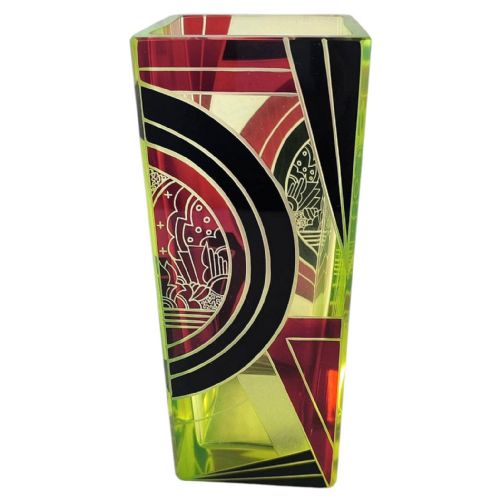
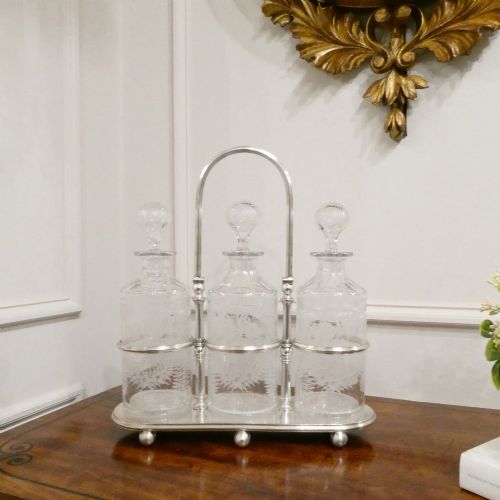
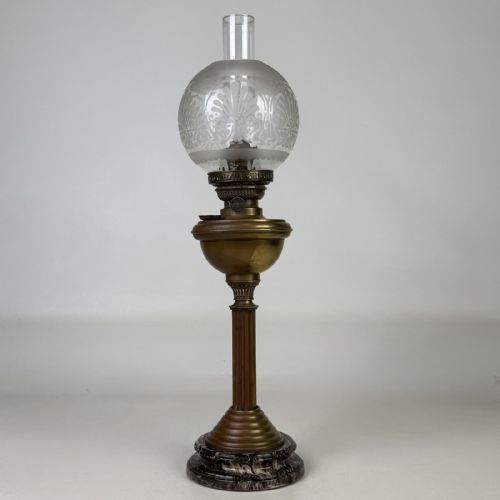
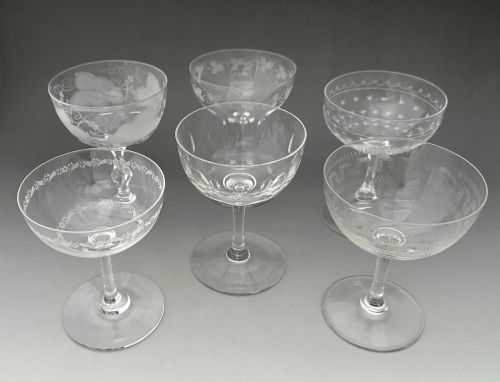
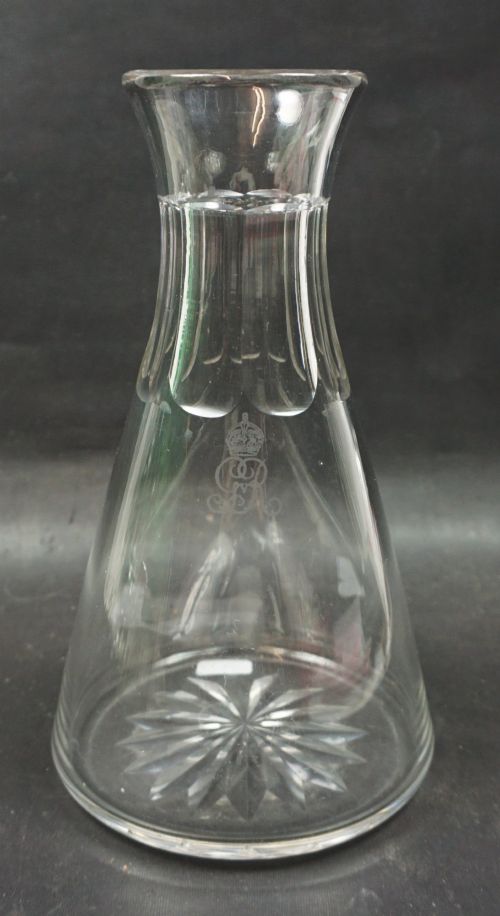
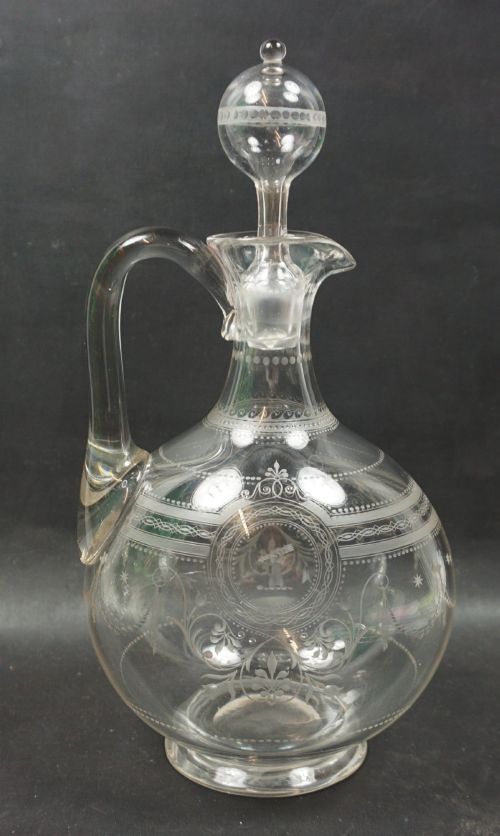
These vintage etched glasses bring pattern and texture to a table, offering drinking vessels and decanters shaped by Victorian and Edwardian hands.
Vintage Etched Glasses
Vintage etched glasses comprise drinking vessels, decanters, and tableware produced across the Victorian, Edwardian, and early twentieth-century periods. When buyers search for vintage etched glasses, they encounter items such as hollow stem champagne glasses, celery vases, and wine glasses featuring decorated bowls.
The most common examples on this page date from the nineteenth century into the early twentieth century. These pieces reflect periods including Victorian and Edwardian production, alongside broader categories of glassware shaped by historical domestic habits.
What varies in quality
Quality rests upon the crispness of the etched lines and the clarity of the underlying glass or lead crystal. Finer examples display precise execution in the decorative motifs without blurring or uneven depth across the surface.
The weight and balance of the vessel, alongside the proportion of the stem to the bowl, separate standard production from superior examples. Well-made items maintain symmetry and structural integrity in both the foot base and the rim.
Vintage Etched Glasses Retail Price Guide 2026
Typical asking prices for vintage etched glasses among the pieces listed under this phrase on Sellingantiques today, from the lower quarter to the upper quarter. They describe what is for sale here now, not the wider market.
Listings on this site feature glass, lead crystal, and frosted glass across periods spanning the Victorian era, Edwardian years, and early twentieth century.
Baccarat Vallee·Galle·Daum Freres·Hinks
The Vintage Etched Glasses Glossary
- Etched glass
- Glass decorated by cutting patterns into the surface using acid or mechanical tools. This technique leaves frosted or indented designs that contrast with clear areas.
- Lead crystal
- A type of glass containing lead oxide, which increases the weight, brilliance, and clarity of the material. It allows for finer, sharper engraving.
- Celery vase
- A tall glass vessel used on Victorian dining tables to hold stalks of celery. They frequently feature deep bowls and elevated stems.
- Hollow stem
- A stem on a drinking glass that is open to the bowl, allowing liquid to fill the stem space. This form appears in nineteenth-century champagne glasses.
- Faceted stem
- A stem shaped with multiple flat planes or facets that catch the light. This feature is common on Georgian and Victorian drinking glasses.
Vintage Etched Glasses: Frequently Asked Questions
How do I clean vintage etched glasses safely?
Wash these pieces by hand using warm water and a mild detergent. Avoid sudden temperature changes to protect the older glass.
Place a towel at the bottom of the sink to cushion the base and stem during washing. Dry them promptly with a lint-free cloth.
Can I use vintage etched glasses for daily dining?
Many of these drinking vessels remain robust enough for regular use. Hand washing preserves the delicate etched surfaces and thin rims over time.
Consider the weight and historical nature of the crystal before serving guests. Storing them safely away from crowded cupboards prevents accidental chipping.
How can I tell Victorian glasses from later pieces?
Victorian examples often display heavier lead crystal and deeper hand-etched botanical or star motifs. Examining the pontil mark on the base offers clues regarding the manufacturing date.
Later twentieth-century versions typically show more uniform machine finishing and thinner walls. Comparing the weight and style of the stem helps confirm the period.
What is the difference between cut glass and etched glass?
Cut glass involves grinding deep geometric grooves into the material using a rotating wheel. This process creates sharp angles and heavy facets across the vessel.
Etched glass uses acid or light scratching to produce shallower, finer surface patterns. The resulting designs often appear frosted against the clear background.