


Vintage Etched Glass
Vintage etched glass pieces bring intricate surface patterns and nineteenth-century illumination into a room, offering both decorative depth and historical utility.
Vintage Etched Glass
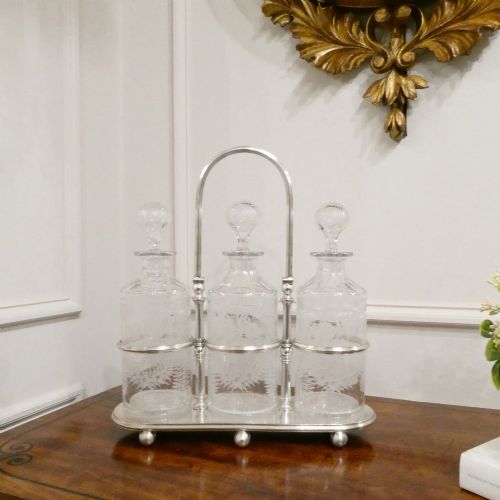
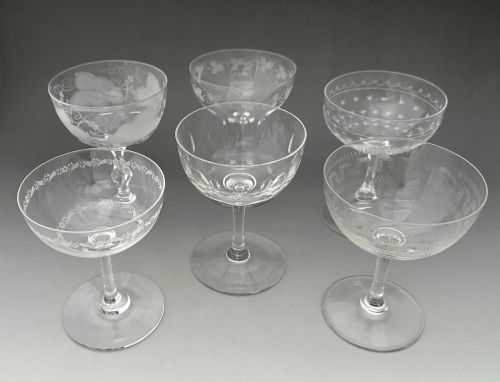
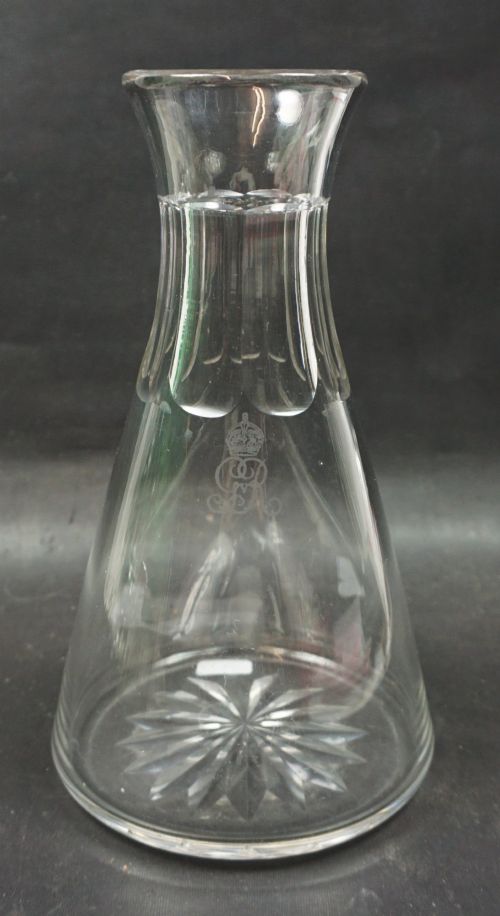
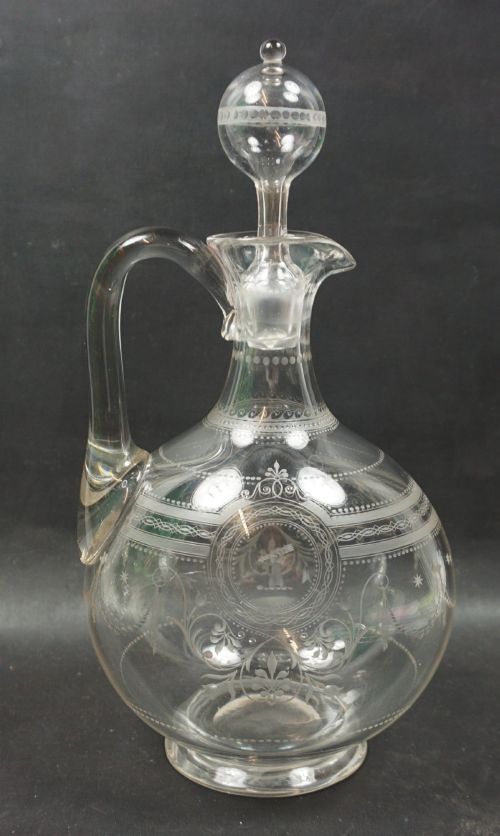
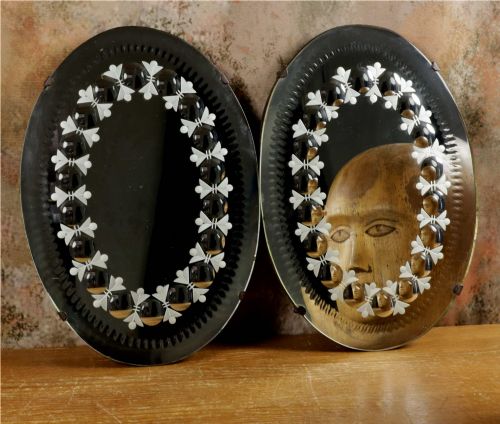
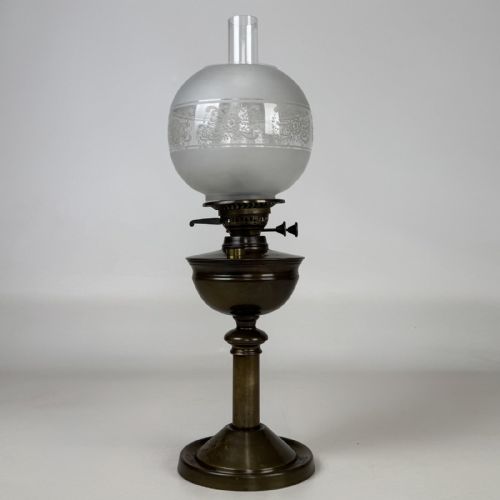
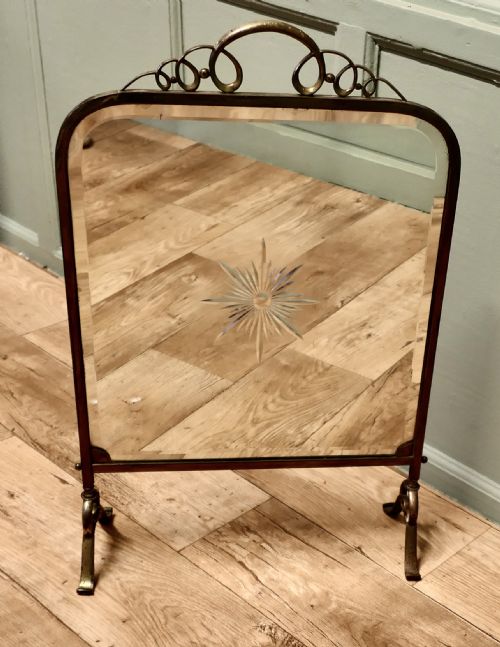
Vintage etched glass encompasses a diverse range of functional and decorative items, drawing heavily from nineteenth-century production and early twentieth-century design movements. Buyers searching for vintage etched glass encounter domestic vessels such as decanters, celery vases, champagne glasses, and apothecary jars, alongside larger decorative elements like oil lamp shades and pub windows.
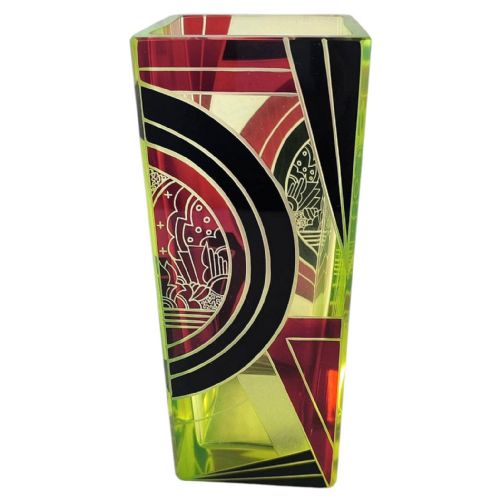
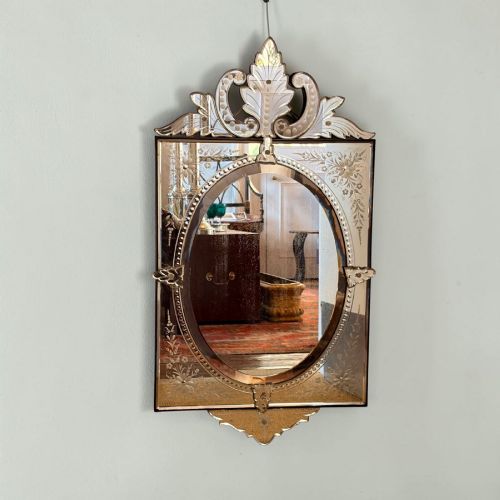
The objects span multiple periods, with strong representation from the Victorian era, Edwardian period, and Art Deco years. Common forms combine glass bodies with mounts in brass, metal, wood, or sterling silver, often reflecting French or Venetian stylistic influences alongside traditional British manufacture.
How vintage etched glass was made
Makers utilised lead crystal, clear glass, frosted glass, and coloured varieties such as cranberry glass to build the foundation of each piece. Surface decoration was achieved through acid etching, wheel engraving, or cameo techniques that cut into the material to reveal contrasting layers or opaque finishes.
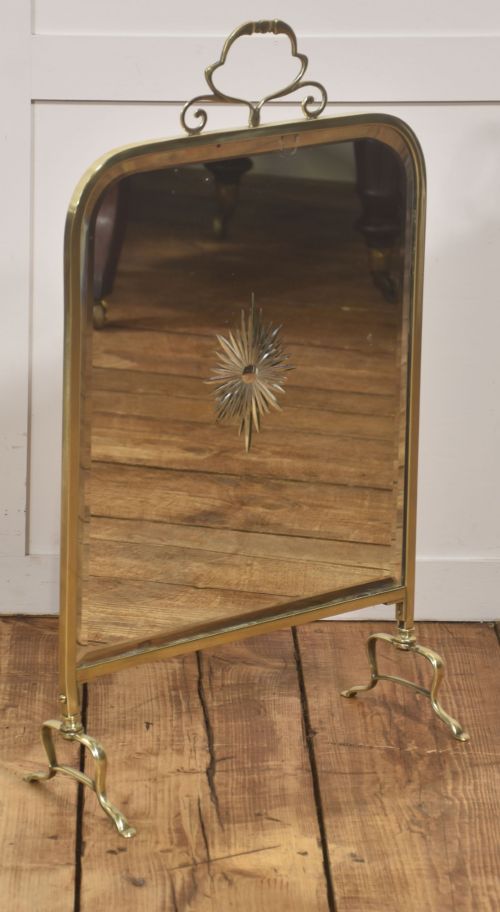
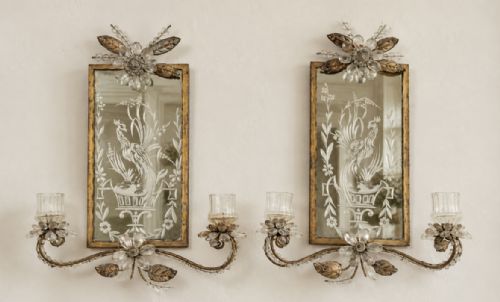
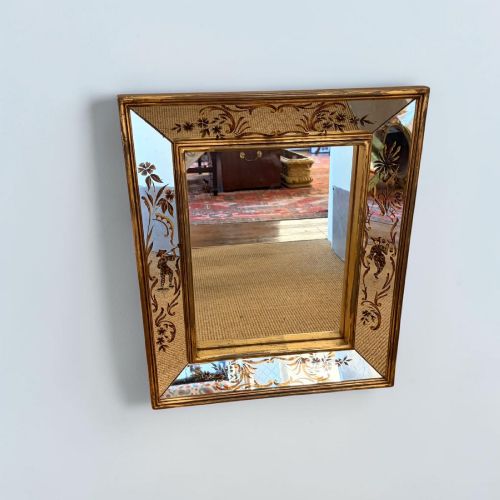
Structural components frequently incorporate cast brass columns, gilt bronze frames, and carved gilt-wood. Artisans combined these metallic elements with blown or moulded glass shades, vessels, and mirrors using secure collars, threaded fittings, and lead came where windows or larger panels were constructed.
Vintage Etched Glass Retail Price Guide 2026
Typical asking prices for vintage etched glass among the pieces listed under this phrase on Sellingantiques today, from the lower quarter to the upper quarter. They describe what is for sale here now, not the wider market.
Listings feature Victorian, Edwardian, and Art Deco periods, employing materials such as lead crystal, frosted glass, and brass.
What varies in quality
Quality rests in the depth, crispness, and artistic control of the surface etching or engraving, where precise lines and balanced compositions distinguish finer studio work from standard production. The weight and clarity of the underlying glass, whether clear, frosted, or coloured, also dictate the calibre of a piece.
The integration of secondary materials defines the overall standard of construction. Superior items feature robust brass columns, finely chased gilt frames, or well-fitted metal mounts that complement the glass rather than overshadowing it.
Baccarat Vallee·Galle·Daum Freres·Hinks·Maison Bagues
The Vintage Etched Glass Glossary
- Etched glass
- Glass decorated by applying acid or using abrasive methods to eat away parts of the surface, creating permanent opaque or textured patterns. This technique allows for highly detailed floral, geometric, or figurative designs.
- Cameo glass
- A luxury form of art glass produced by carving or acid-etching through multiple layers of coloured glass to create a raised white or contrasting design against a darker background. Associated with master workshops of the late nineteenth and early twentieth centuries.
- Cranberry glass
- A rich red-pink transparent glass coloured with gold chloride during the melting process. Frequently utilised for Victorian oil lamp shades, decanters, and drinking vessels.
- Duplex oil lamp
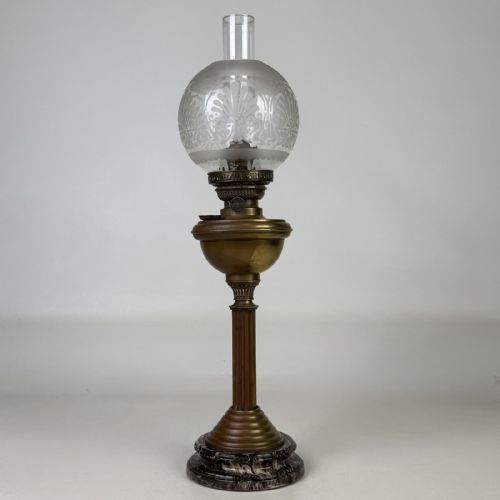
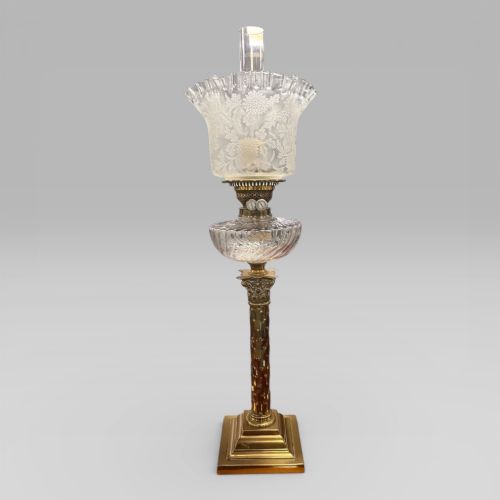
- A nineteenth-century lighting fixture utilising two wicks to produce a brighter flame, typically paired with a decorative glass shade and a brass column. These lamps represent a major category of domestic lighting from the period.
- Eglomise
- A decorative technique involving the application of a thin sheet of gold or silver leaf to the reverse side of glass, which is then etched and painted. Often seen on antique mirrors and decorative panels originating from French and Venetian workshops.
Vintage Etched Glass: Frequently Asked Questions
How do I date vintage etched glass?
Dating relies on stylistic markers such as Victorian floral motifs, Edwardian proportions, or Art Deco geometric layouts combined with material evidence like brass mounts and pontil marks.
Examining the depth of the engraving and the composition of the glass body helps place a piece within the nineteenth or early twentieth century.
Were etched glass decanters used daily?
Victorian decanters were regularly utilised on dining tables and sideboards to serve port, brandy, and other spirits during formal meals and evening gatherings.
Their durable lead crystal construction allowed them to withstand frequent handling and washing while preserving the contents.
How should I clean vintage etched glass?
Cleaning requires warm water and mild soap applied gently with a soft cloth to protect the delicate etched or frosted surface areas.
Harsh chemical cleaners and abrasive scouring pads must be avoided to prevent permanent scratching of the glass or damage to metallic mounts.