


Vintage Equine Oil Painting
A vintage equine oil painting captures the power and character of horses through the traditional medium of oil on canvas.
Vintage Equine Oil Painting
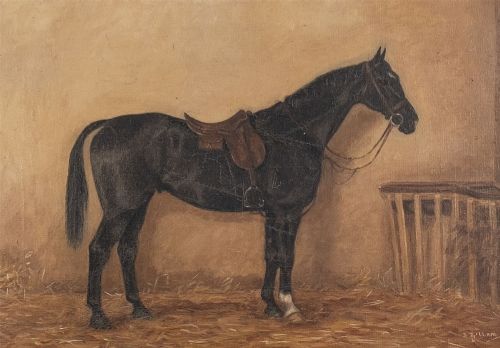
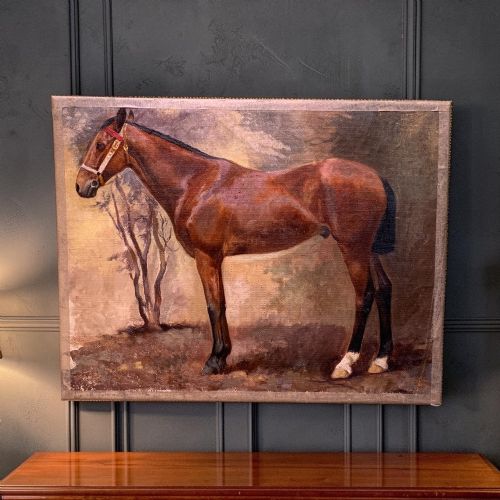
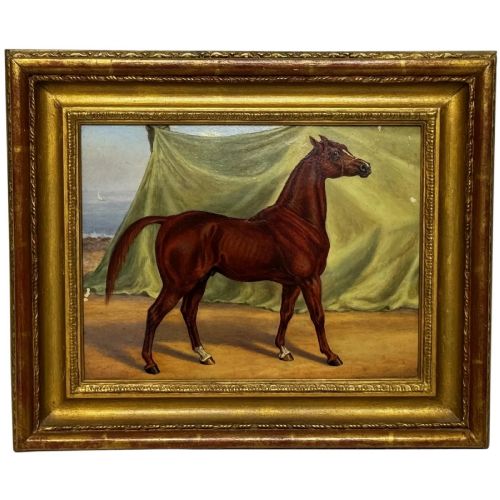
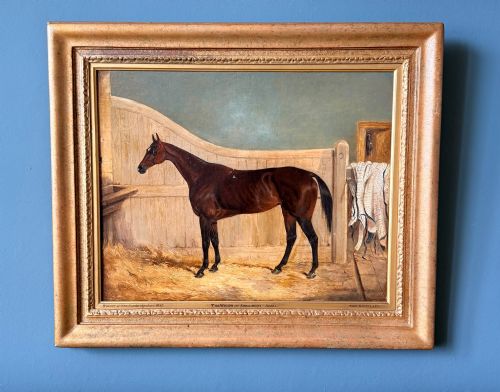
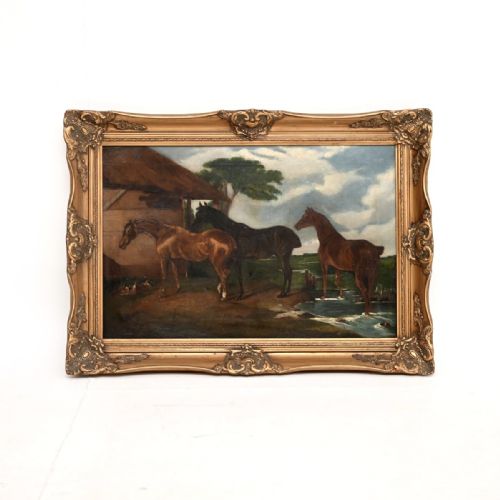
A vintage equine oil painting represents historical and traditional depictions of horses, ranging from individual portraits of renowned racehorses to rural scenes involving working animals. These works span the eighteenth, nineteenth, and early twentieth centuries, encompassing Victorian equestrian art and Edwardian sporting pieces.
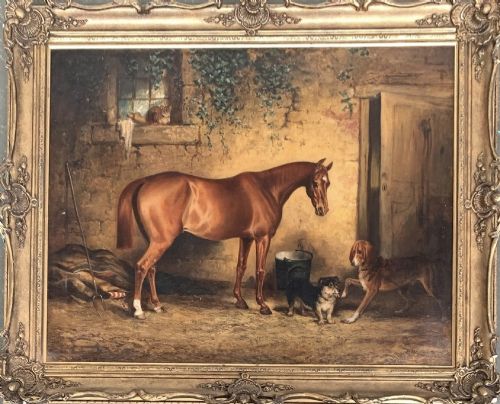
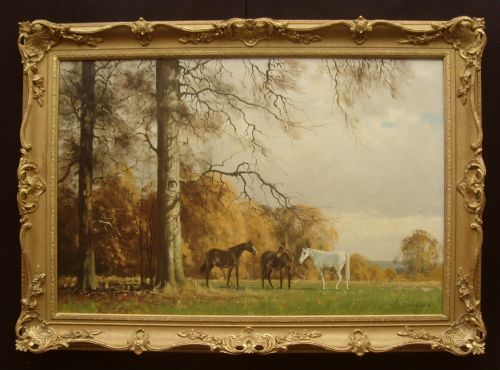
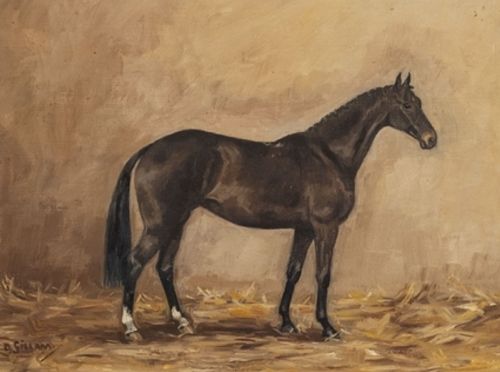
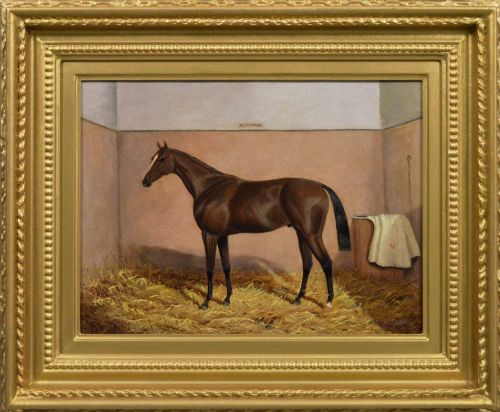
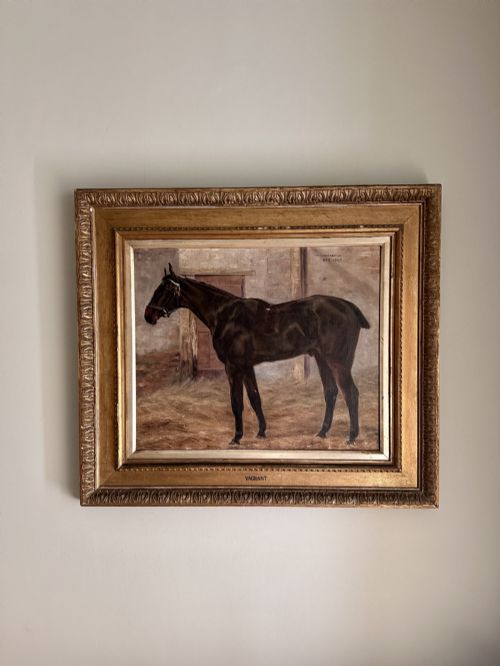
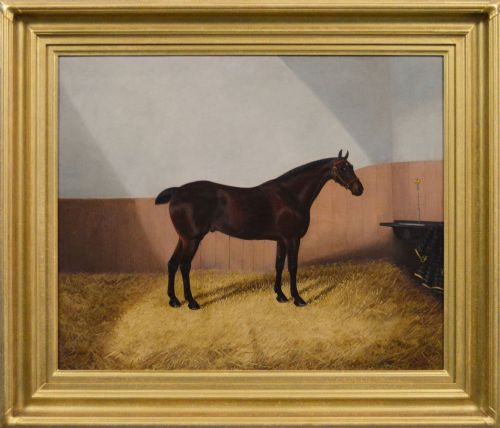
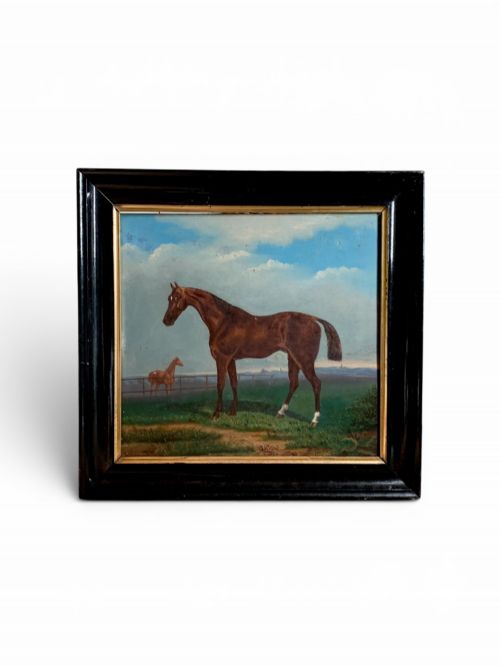
Buyers frequently encounter individual animal portraits set inside stables or detailed landscapes, alongside racing scenes and rural working life. The selection includes works originating from British and French schools, capturing everything from champion thoroughbreds to ploughing horses.
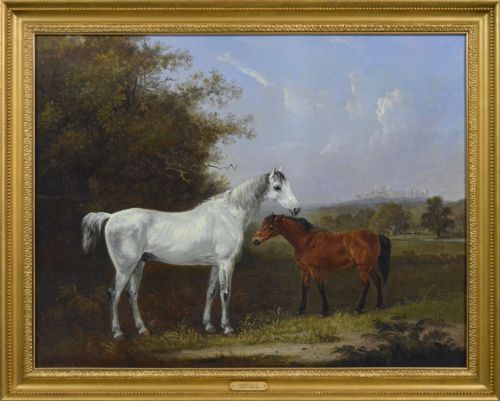
The subjects on this page reflect diverse settings, including specific named racehorses with documented provenance, pastoral landscapes with ponies and sheep, and French school panel paintings. Each piece offers a window into historical human and equine relationships through traditional painting styles.
How they were made
These works are executed using oil paint applied to woven canvas supports, whilst certain earlier pieces utilise wooden pine panels. Artists manipulated the oil medium to render the texture of coats, muscle definition, and the play of light within stable interiors or open landscapes.
Framing is an integral component of the construction, with many works housed in original or period giltwood frames made of wood. The craftsmanship of the frame often matches the detailed brushwork of the canvas within, completing the presentation of the sporting art.
Listings feature works spanning from the eighteenth century through to the 1960s, executed primarily in oil on canvas and wood panels.
What varies in quality
Quality in these works rests upon the anatomical accuracy of the animal and the artist's ability to capture movement, expression, and musculature. Master painters such as recognised Victorian sporting artists demonstrate superior handling of light and proportion compared to anonymous or provincial counterparts.
The depth of the background landscape and the rendering of fine details, such as tack, stable straw, or human figures, distinguish finer compositions. Additionally, the presence of clear provenance, historical attribution, and original giltwood framing elevate the standing of a piece.
Henry Barraud·Albert Clark·Thomas Walker Bretland·William Williams·Abraham Cooper RA·George Cole
The Vintage Equine Oil Painting Glossary
- Oil on Canvas
- A traditional painting method where oil pigments are suspended in drying oil and applied to a stretched fabric support. This technique allows for rich blending and depth of colour.
- Giltwood
- Wood carved and coated with a thin layer of gold leaf or gold paint. It is commonly found on traditional frames surrounding Victorian and Georgian paintings.
- Sporting Art
- A genre of painting dedicated to depicting rural sports, racing, and animals, particularly horses and hounds. It flourished in Britain during the eighteenth and nineteenth centuries.
- Panel
- A rigid wooden board used as a painting support instead of canvas. Earlier works frequently utilised panels made of pine or other stable timbers.
Vintage Equine Oil Painting: Frequently Asked Questions
How do I identify the period of an equine oil painting?
Examine the clothing of any human figures, the style of the horse tack, and the construction of the canvas or panel support. Framing methods and stretcher bars also offer strong clues to the era of creation.
Signatures, dates inscribed on the reverse, and recorded artist working spans help narrow down the specific decade, from the Georgian period through to Edwardian times.
What subjects are most common in these paintings?
Portraits of individual racehorses, hunters, and stable interiors dominate the selections from the nineteenth and early twentieth centuries. Working horses engaged in ploughing fields or pulling hay wagons also feature prominently.
Artists frequently placed these animals within detailed landscapes, coastal scenes, or specific historical estates, documenting the agricultural and sporting life of the period.
Where should I hang a heavy giltwood framed painting?
Choose a wall with stable environmental conditions, avoiding direct sunlight and excessive humidity that could damage both the canvas and the wood frame. Ensure the hanging fixings are securely anchored into wall studs to support the weight.
Position the artwork at eye level in a reception room, study, or hallway where the fine details of the equine subject can be properly appreciated.