



Racehorse Wall Art
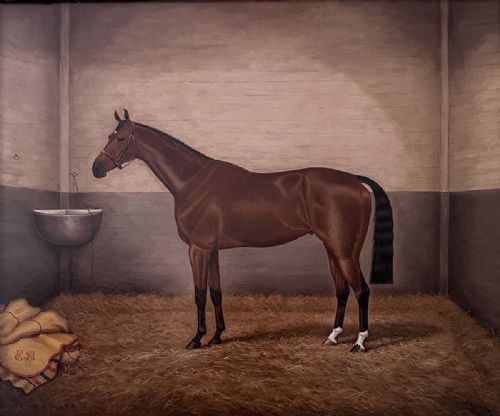
Racehorse wall art captures the speed and power of the turf through historical oils, pastels, and framed prints.
Racehorse Wall Art
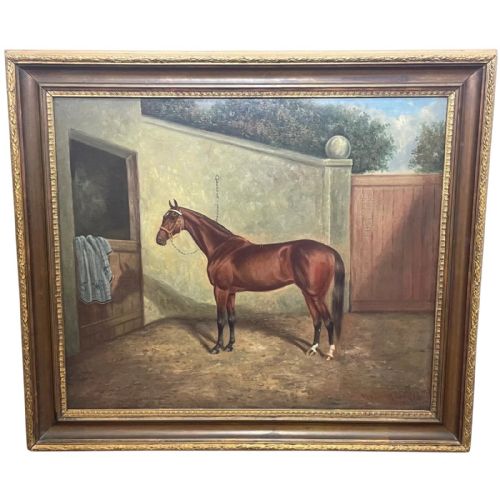
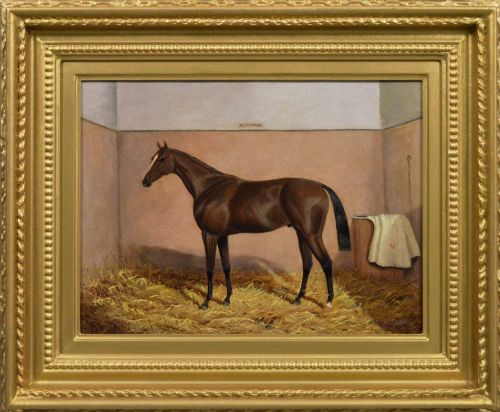
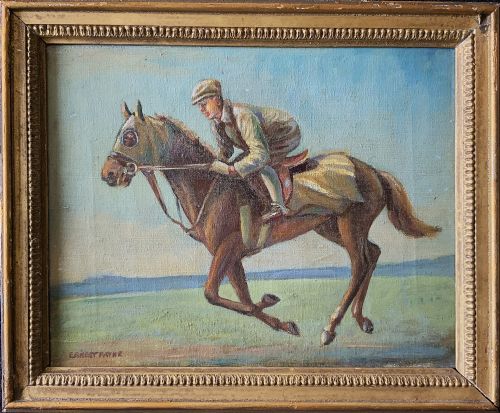
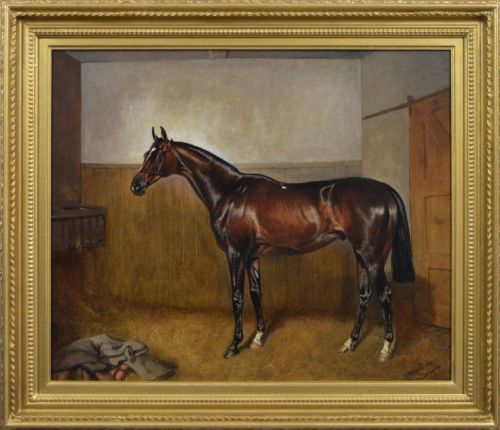
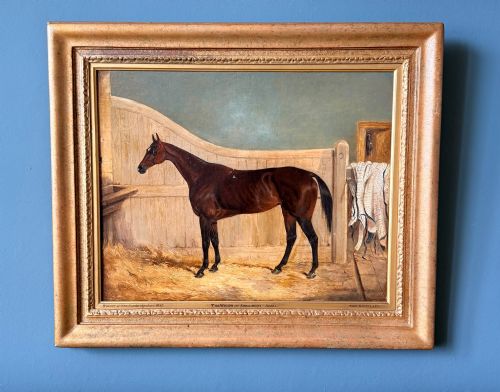
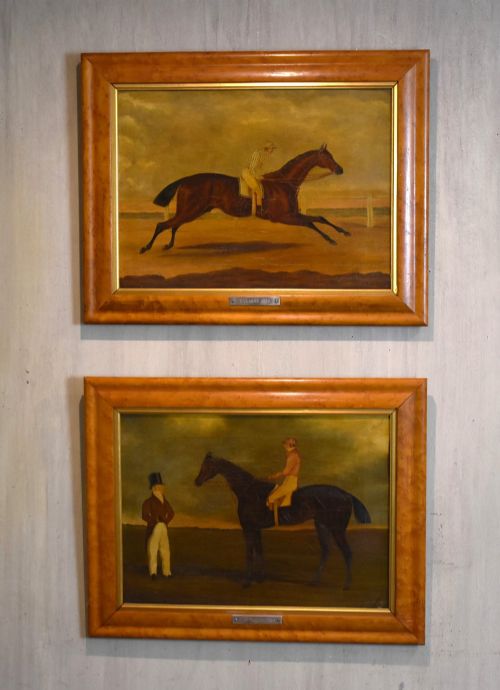
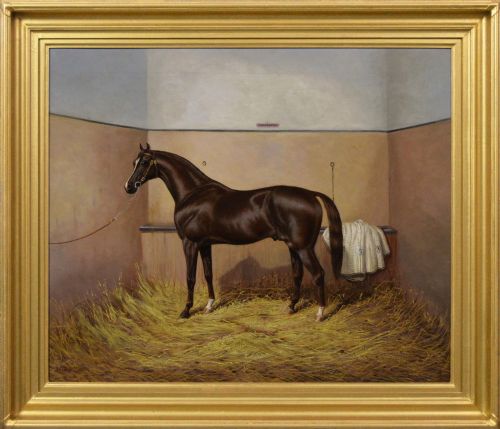
Racehorse wall art encompasses framed paintings, pastels, and prints depicting famous thoroughbreds, jockeys, and race meetings. These works range from Victorian equestrian oil portraits to twentieth-century pastels and photographic prints.
Subjects span British realism and sporting art traditions, documenting legendary animals like Spion Kop, Flying Fox, and Persimmon. Both individual horse portraits and racing scenes appear across canvas, paper, and glass supports.
How they were made
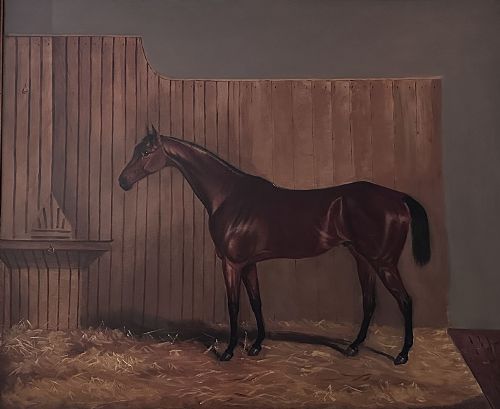
Artists deployed oil paint on canvas to capture the muscular definition and glossy coats of thoroughbred racehorses. Painters layered pigments to create depth in the equine anatomy and the dramatic landscape of the racecourse.
Draftsmen utilised pastels on coloured paper for immediate, dynamic sketches of racing action, while others produced painted prints and photographic reproductions. Glazed frames protected these delicate works on paper and canvas from environmental damage over the decades.
Materials employed across the inventory include canvas, paper, wood, glass, pastels, and oil paint.
What varies in quality
The distinction between standard works and exceptional pieces rests upon the anatomical accuracy and handling of movement by the artist. Master painters rendered the precise musculature and tension of a galloping horse with convincing weight and energy.
Provenance and documentation elevate certain pieces, particularly those identifying specific winning horses, jockeys, and historic races by established sporting artists. The preservation of the original canvas, paper, and framing elements also determines the overall standing of the work.
Frederick Albert Clark·John Alfred Wheeler·Thomas Walker Bretland·John Rattenbury Skeaping·Abraham Cooper·Alfred Wheeler·John Atkinson·Walter Herbert Wheeler
The Racehorse Wall Art Glossary
- Eglomise
- A technique where glass is gilded and painted on the reverse side to create a reflective, decorative border or image. This method often appears in historical reproductions of sporting art.
- Pastel
- A dry medium of powdered pigment bound into sticks, used on paper to achieve soft textures and vibrant colour blending. Works in this medium capture rapid movement in racing scenes.
- Sporting Art
- Genre of painting and printmaking dedicated to equine subjects, racing, hunting, and field sports. This tradition values precise recording of animal conformation and historical events.
- Thoroughbred
- The specific breed of horse developed for racing, characterised by agility, speed, and refined conformation. These animals form the primary subject matter across the listed artworks.
Racehorse Wall Art: Frequently Asked Questions
What periods do these artworks come from?
The listings span from the eighteenth century through to the mid-twentieth century, with a strong concentration of Victorian and Edwardian pieces.
Nineteenth-century oil paintings and early photographic prints represent the core eras available to collectors.
How do I identify a named racehorse in a portrait?
Many historical sporting paintings include contemporary inscriptions on the canvas or frame detailing the horse, jockey, and race won.
Signatures from established equine artists also help attribute and date the portrait accurately.
What is the difference between oils and prints?
Original oil paintings on canvas feature textured brushwork and unique pigment layers applied directly by the artist's hand.
Framed prints and photographic reproductions offer historical visual records produced through mechanical or engraved printing processes.
How should I hang and care for antique racing art?
Keep framed pieces away from direct sunlight and damp environments to protect nineteenth-century canvases, paper, and pastel drawings.
Ensure stable wall fixings support the weight of traditional wood frames and glazed panels.