


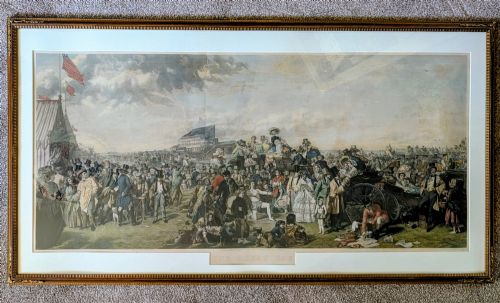
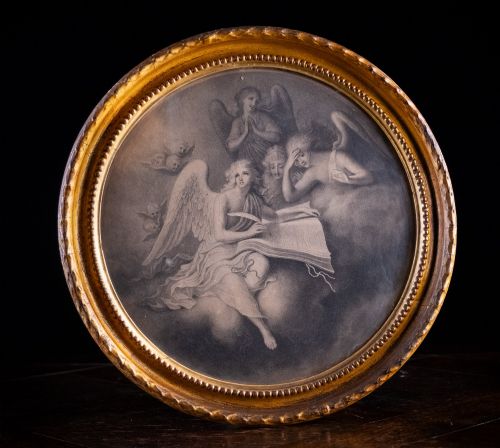
Vintage Engraved Wall Art
When you choose vintage engraved wall art, you bring centuries of printed portraiture, cartography and botanical illustration into your rooms.
Vintage Engraved Wall Art
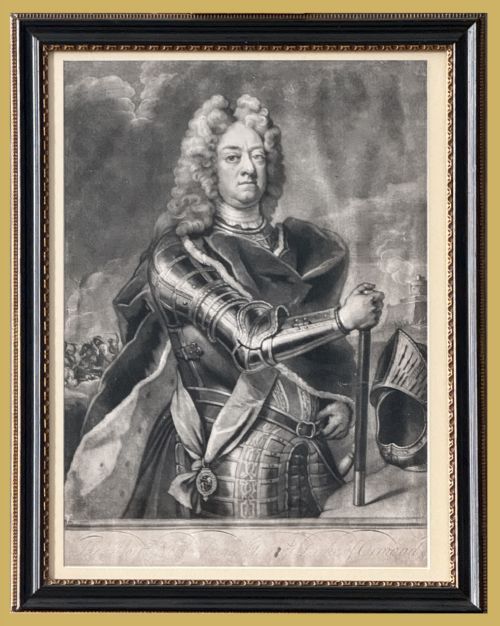
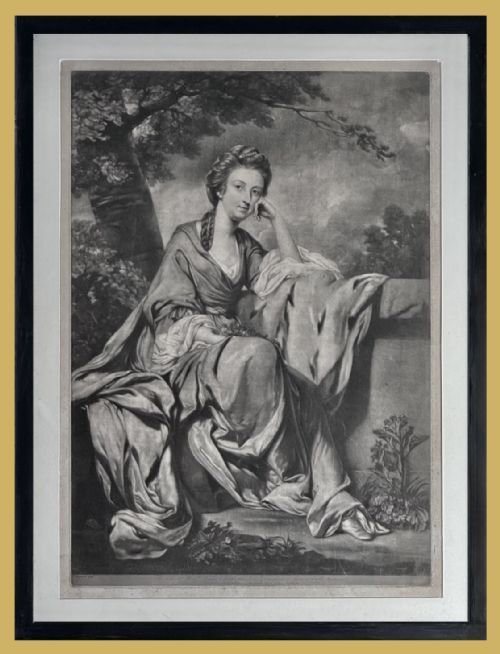
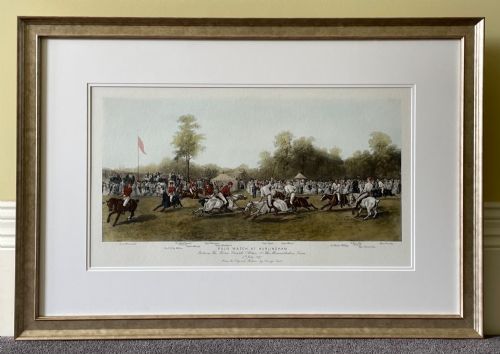
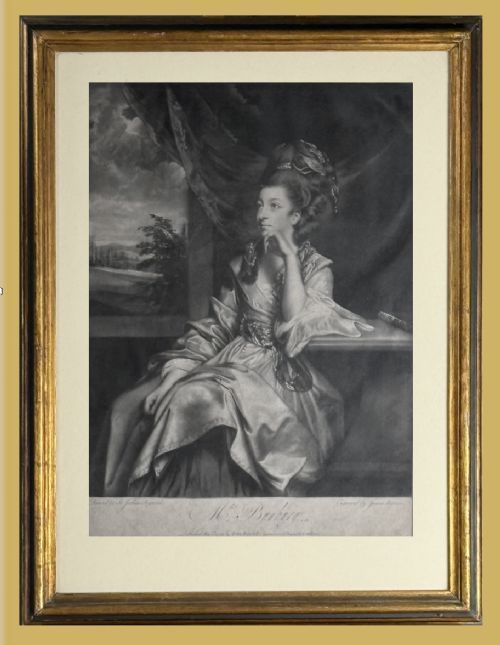
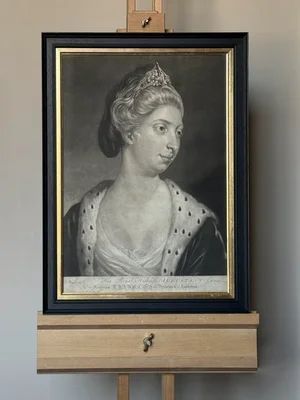
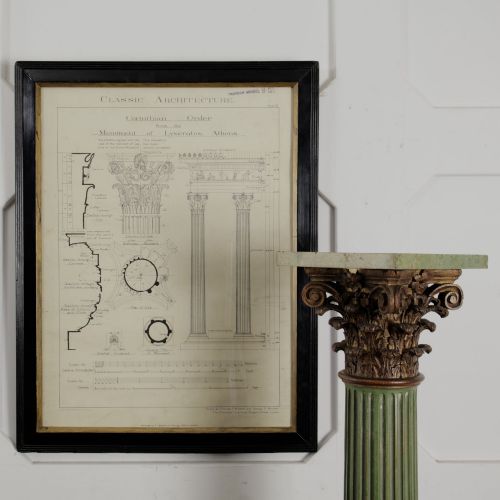
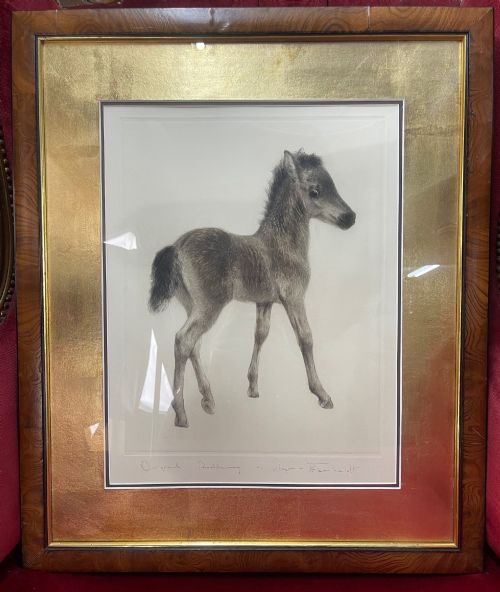
Vintage engraved wall art encompasses framed prints, mezzotints, etchings, drypoints and antique maps spanning from the seventeenth century through to the mid-twentieth century. The selection ranges from eighteenth-century portraits after Sir Joshua Reynolds to early twentieth-century animal etchings and architectural plates.
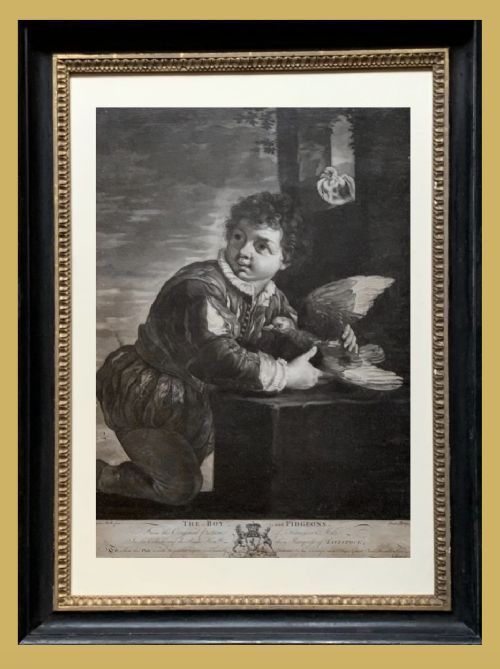
Buyers will most frequently encounter eighteenth- and nineteenth-century portrait engravings and mezzotints, alongside framed decorative prints and hand-coloured natural history illustrations. These works typically arrive ready to hang in period-appropriate wooden or gilt frames.
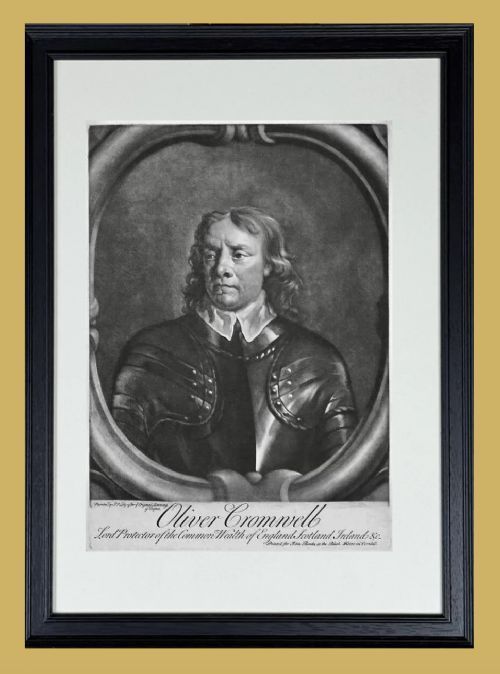
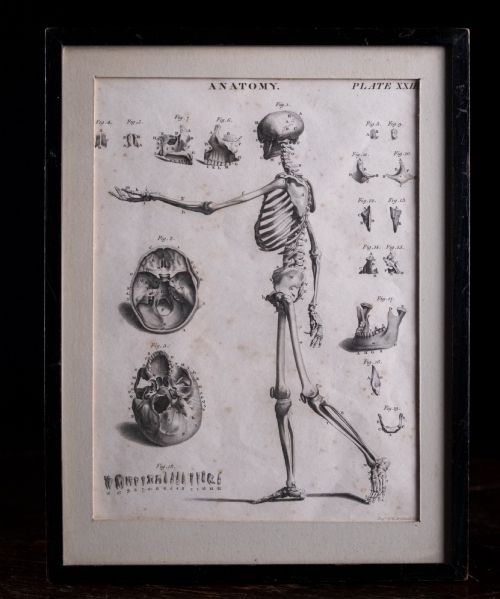
The category bridges fine art and historical documentation, featuring works executed by notable printmakers after celebrated painters such as Sir Peter Lely, van Dyck and George Romney. Subjects extend from anatomical studies and sporting scenes to classical compositions and topographical maps.
How they were made
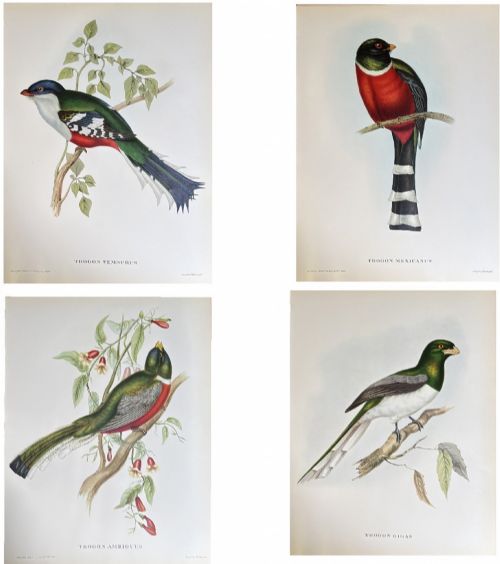
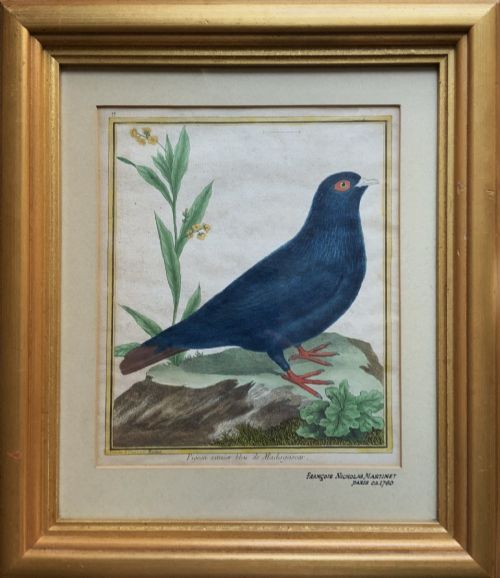
The works rely upon paper supports inscribed with ink through various printmaking techniques including engraving, etching, mezzotint, lithography and drypoint. Hand-colouring was frequently applied after printing to botanical and cartographic sheets.
Framing materials recorded in the evidence include wood, glass, gold leaf, gilt wood, and specific historic mouldings such as Hogarth frames. These enclosures protect the delicate paper surfaces while contributing to the overall visual weight of the wall art.
Among the historical figures watching from the walls are an eighteenth-century duchess and a poetically styled political radical nicknamed Mad Jack.
What varies in quality
Distinction across the range rests upon the sharpness of the ink impression against the paper and the fidelity of the print to the original plate. Early impressions pulled before plate wear set in demonstrate crisper lines and deeper tonal contrasts.
The integrity and originality of the surrounding frame significantly influence the character of the piece, particularly where period mouldings or original glass remain intact. Signed artist proofs and works by documented engravers carry higher distinction than anonymous reproductions.
John Simon·John Boydell·Edward Fisher·John Smith·James Watson·John Bowles·François-Nicolas Martinet·Andrew Bell·Kurt Meyer-Eberhardt·James Macardell·Herbert Dicksee·John Speed·Sydney Wilson
The Vintage Engraved Wall Art Glossary
- Mezzotint
- A printmaking process of the intaglio family where the plate is roughened uniformly to hold ink, then scraped to produce tones and highlights. It allows for subtle gradations of light and shade, making it popular for portraiture.
- Drypoint
- An intaglio technique where an image is scratched directly into a metal plate with a sharp needle, raising a burr of metal that yields velvety lines when printed. Edition sizes are typically small because the delicate burr wears down quickly.
- Hogarth frame
- A narrow, stepped wooden picture frame finished with dark lacquer or gilding, popular during the eighteenth and nineteenth centuries. It provides a distinct profile that flatters antique prints without overwhelming them.
- Cartography
- The study and practice of making maps, which in this context refers to antique engraved maps of regions and countries. These sheets often feature decorative cartouches and hand-coloured borders.
- Artist proof
- An impression of a print taken before the final edition is produced, retained by the artist or printmaker for quality checking. Signed examples carry personal verification from the creator.
Vintage Engraved Wall Art: Frequently Asked Questions
How should I hang antique engravings?
Protect the paper from direct sunlight by placing the art on interior walls away from harsh daylight. Maintain stable room humidity to preserve both the historic paper and the wooden frame.
Group smaller framed prints together to create a balanced display, or allow a large single engraving to anchor a wall. Ensure the hanging wire and fixings match the weight of the frame.
What is a mezzotint portrait?
A mezzotint is a tonal printmaking method where the artist works from dark to light by smoothing a roughened copper plate. This technique produces rich shadows and smooth facial expressions.
Many seventeenth and eighteenth-century mezzotints recorded famous painted portraits by artists like Sir Joshua Reynolds or Sir Peter Lely, making them accessible to collectors of the era.
Are these prints original antiques?
The selection includes genuine period impressions dating from the seventeenth, eighteenth, and nineteenth centuries, alongside early twentieth-century etchings and lithographs. Each piece reflects the printing technology of its specific era.
Dates and attributions derive from the recorded production periods of the individual plates and the artists involved in their creation.
Why do some prints feature hand colouring?
Natural history illustrations and maps were often hand-coloured with watercolour after the initial ink impression was pulled. This added scientific clarity or decorative appeal to botanical and cartographic subjects.
Skilled colorists applied washes directly to the paper, meaning individual sheets within the same edition can exhibit slight variations in tone.