


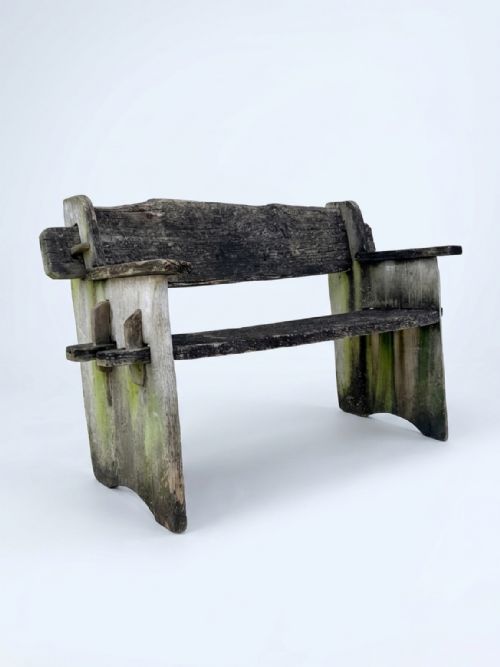
Vintage English Oak Chairs
These vintage english oak chairs bring centuries of sturdy craftsmanship into modern rooms.
Vintage English Oak Chairs
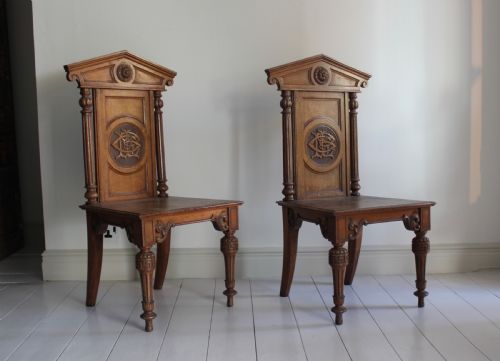
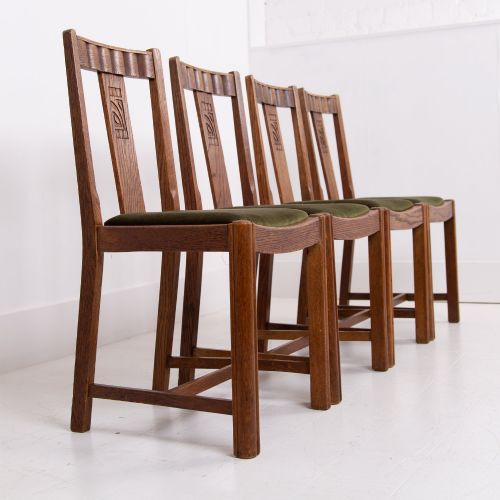
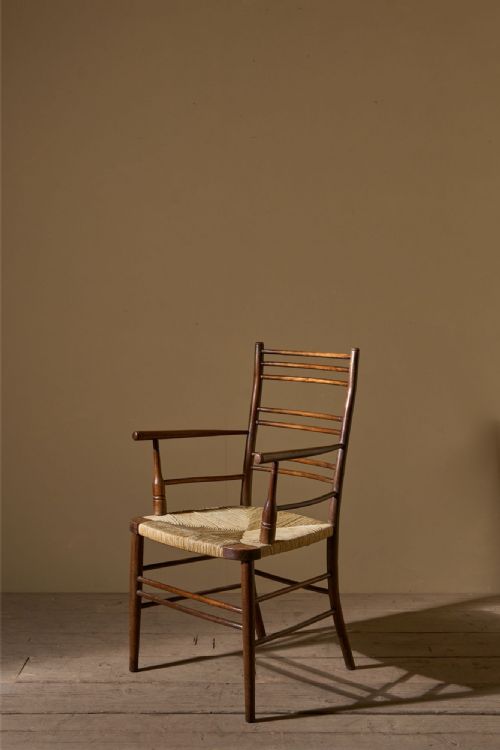
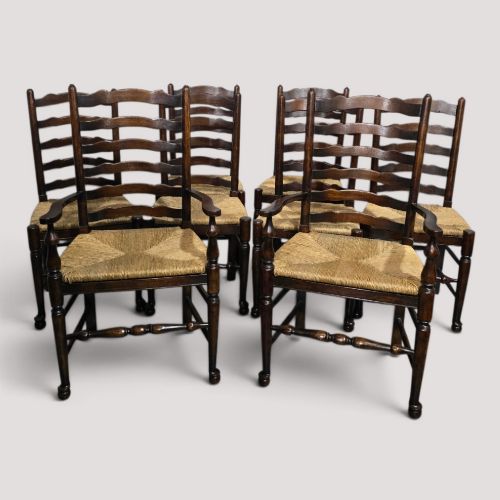
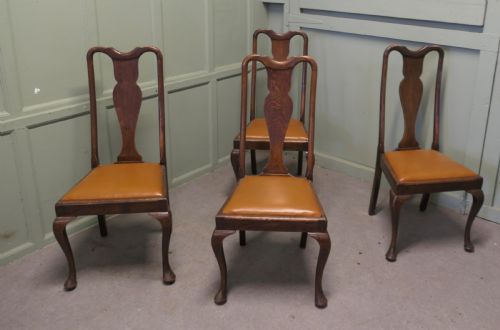
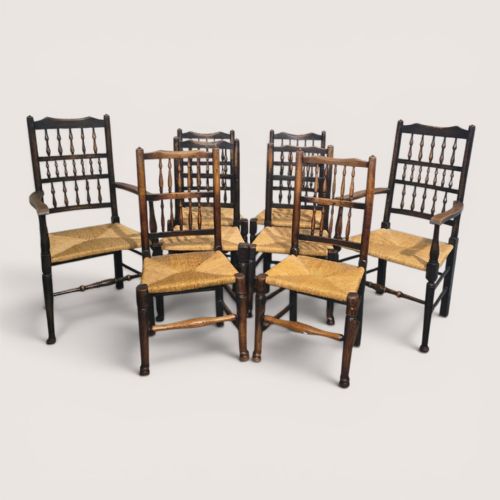
Vintage english oak chairs encompass robust seating spanning from the seventeenth century through the mid twentieth century, including dining chairs, armchairs, and desk chairs. Buyers searching for vintage english oak chairs encounter diverse forms such as country ladder backs, Windsor chairs, and revival styles.
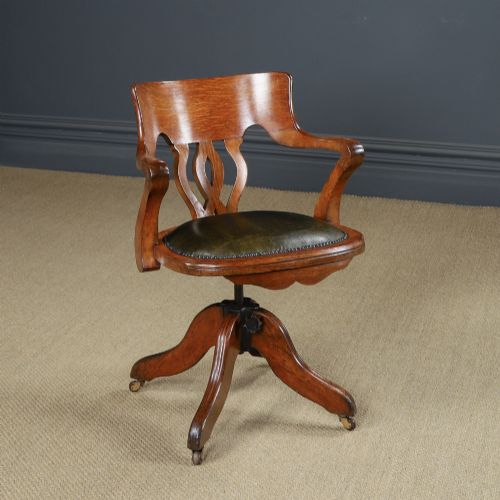
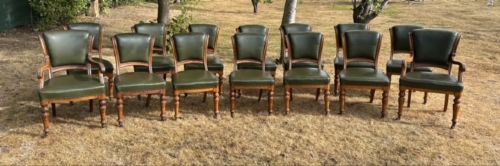
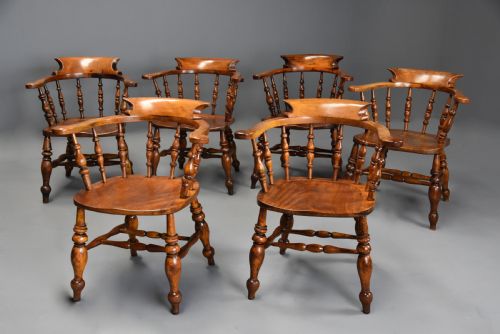
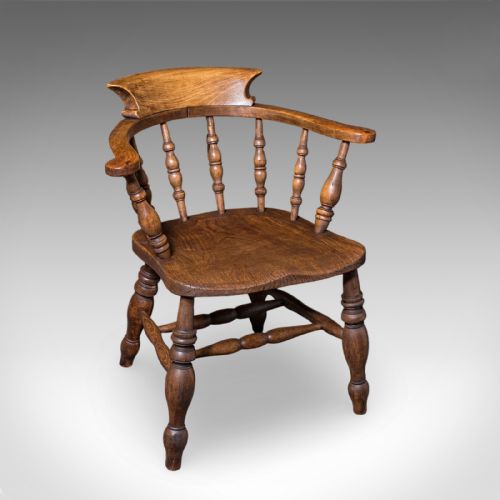
The selection on this page leans heavily toward nineteenth and early twentieth century examples, alongside earlier seventeenth and eighteenth century country seating. Common variants include sets of kitchen dining chairs, smokers bows, and swivel office armchairs.
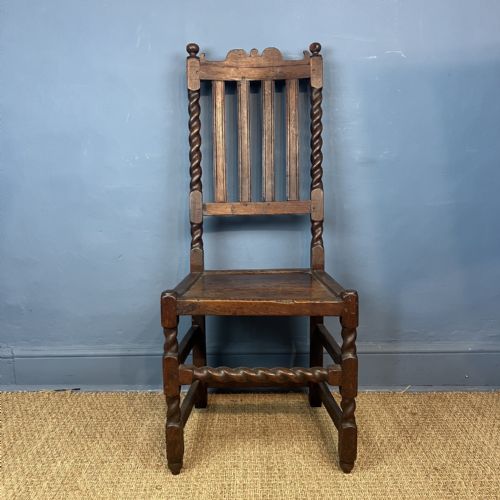
Origins range from formal Victorian and Edwardian urban workshops to rural English country houses and rustic settings. Regional differences appear in vernacular forms like Scottish Windsors and ladder backs.
How they were made
Construction relies primarily on native English hardwoods, predominantly solid oak supplemented by elm, beech, ash, and yew for specific structural components like bent spindles and steam-bent rails. Secondary materials such as rush, cane, leather, and brass fittings appear across seats and desk hardware.
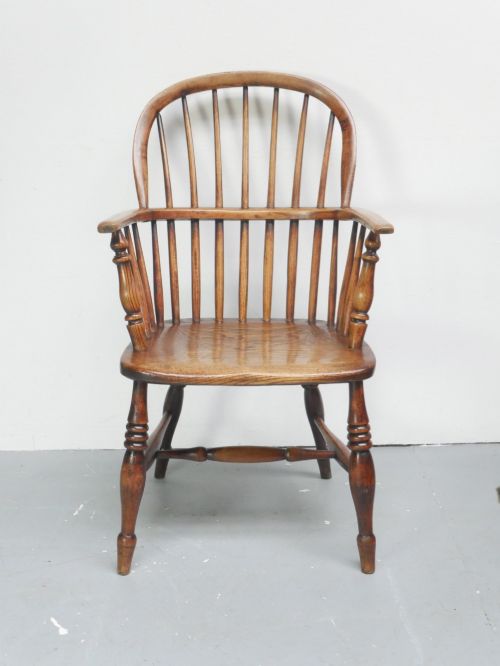
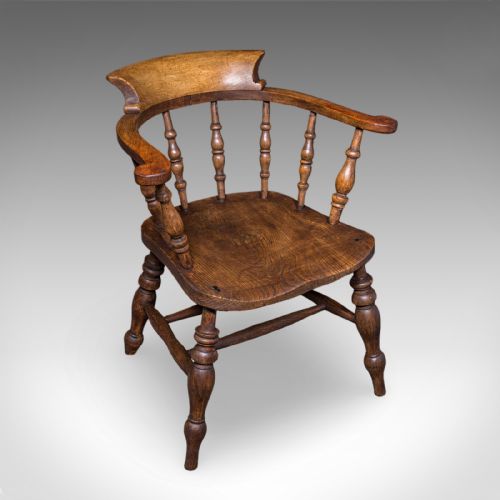
Joinery methods combine traditional mortise and tenon joints with bobbin turning, spindle framing, and steam-bending techniques for curved Windsor bows. Surfaces often exhibit hand-carved detailing, panel construction, and patinated finishes developed through decades of domestic use.
Listings feature solid oak alongside supportive timbers like elm, beech, and ash across centuries of British craftsmanship.
What varies in quality
Quality rests upon the integrity of the timber selection and the retention of original structural framing without excessive replacement of parts. Matching sets demonstrate greater consistency in timber grain and hand-turned spindle proportions than assembled harlequin groups.
The crispness of carved details on revival pieces and the tightness of historical joints distinguish superior vernacular work from routine utilitarian seating. Original surface patination and untouched timber finishes elevate the standing of country chairs significantly.
Worksop Allsop·Robert Mouseman Thompson
The Vintage English Oak Chairs Glossary
- Windsor chair
- A wooden chair built with a thick solid wooden seat into which the legs and back spindles are round-tenoned directly. This vernacular form often incorporates a bentwood bow back.
- Ladder back
- A chair featuring a backrest composed of several horizontal arched slats resembling the rungs of a ladder. These frames typically hail from country workshops.
- Bobbin turning
- A form of woodturning characterised by a series of rounded, spool-like shapes carved along the length of a chair leg or stretcher. This decorative technique appears frequently on seventeenth-century pieces.
- Harlequin set
- A collection of dining chairs that are closely matched in style, period, and material rather than originating from a single uniform workshop batch.
Vintage English Oak Chairs: Frequently Asked Questions
How do I date an oak chair?
Dating relies on examining joinery techniques, tool marks left by woodworkers, and the overall evolution of furniture styles from heavy seventeenth-century frames to lighter Edwardian designs.
Changes in turning patterns and timber shrinkage also provide reliable clues to a chair's age.
Are Windsor chairs comfortable for daily use?
Windsor chairs offer surprising ergonomic support due to their sculpted solid wooden seats and raked spindle backs designed to distribute weight evenly.
Adding a loose cushion can further enhance comfort for prolonged dining or desk work.
What is a harlequin dining set?
A harlequin set is a group of chairs gathered together to match in general era, wood type, and aesthetic while varying slightly in individual details.
This approach was historically common in large country kitchens where seating accumulated over time.
How should I care for antique oak?
Maintain antique oak by keeping pieces away from direct heat sources and sudden humidity changes that cause timber to split.
Apply traditional beeswax periodically to nourish the grain and preserve the historic surface patination.