


Vintage English China Vase
A vintage english china vase brings painted fruit, birds and landscapes into a room through the refined traditions of British ceramics.
Vintage English China Vase
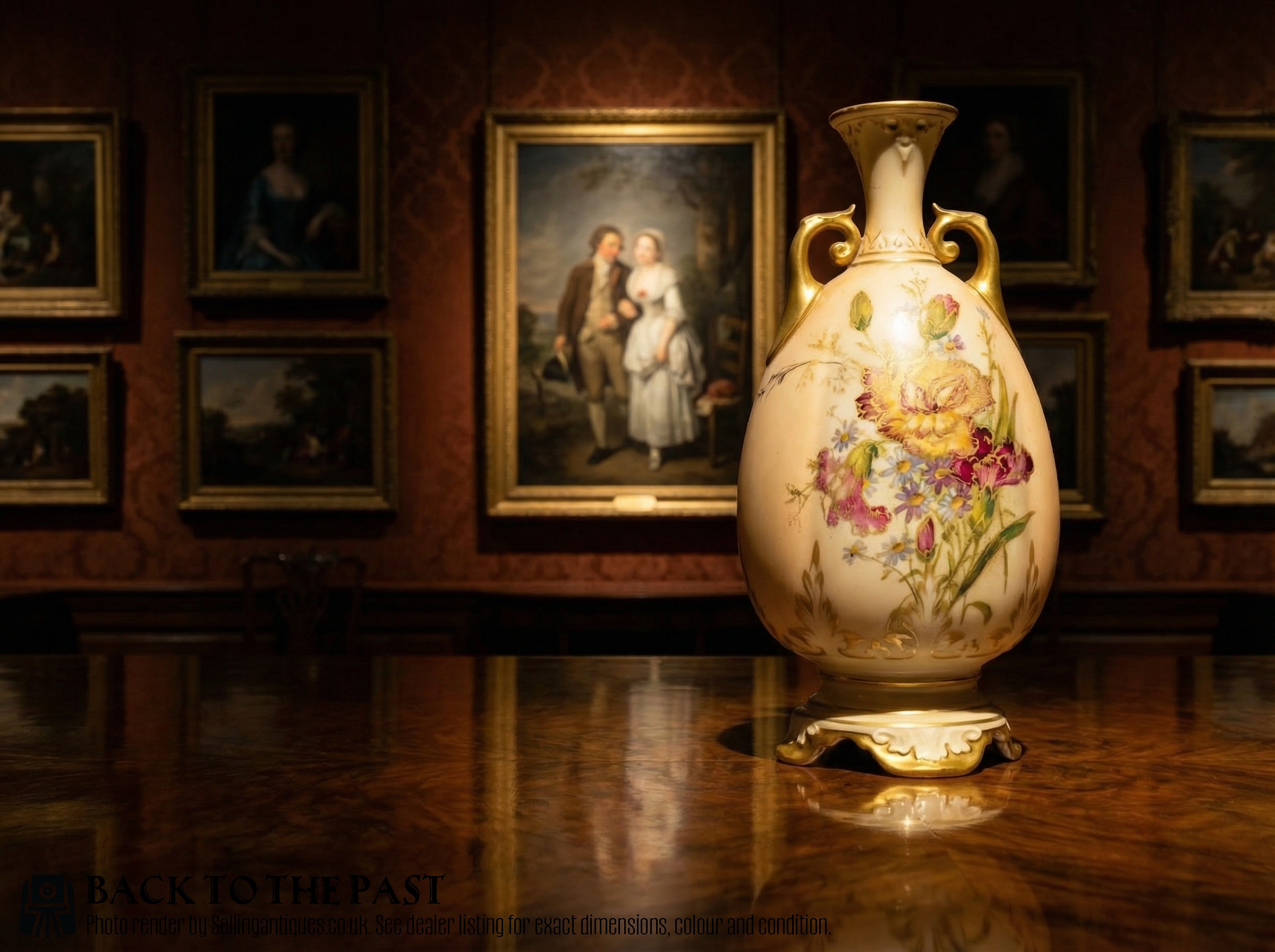
When you search for a vintage english china vase, you encounter decorative vessels shaped as urns, spill vases, ginger jars and pot pourri containers spanning the late nineteenth century through to the mid twentieth century. These objects emerge from established potteries working in porcelain, bone china and ironstone across periods including the Edwardian era and the decades between the world wars.
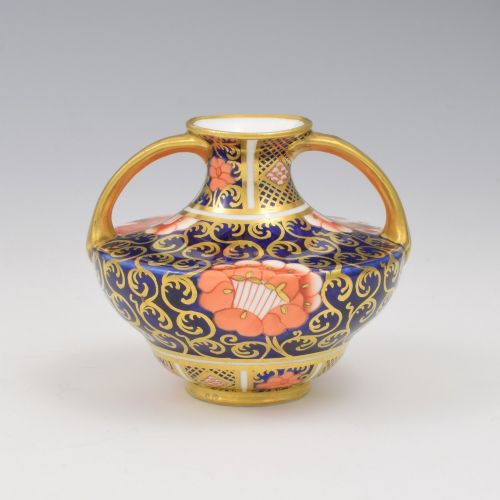
You are most likely to meet pieces originating from Royal Worcester, alongside examples by Crown Derby, Wedgwood, Coalport and Mason's. The forms range from miniature twin-handled vessels to substantial ovoid jars, often decorated with hand-painted scenes of fruit, birds and cattle.
How they were made
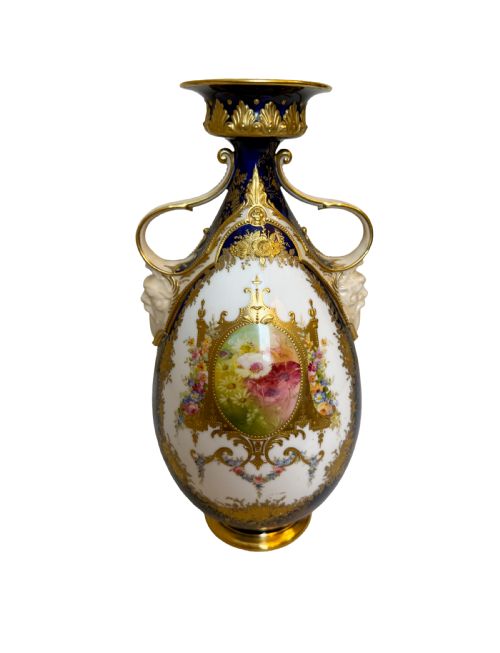
Potters shaped these vessels using porcelain, bone china and ironstone, forming bodies designed to receive intricate hand-painted decoration and enamel work. Artisans then applied gilding, gold leaf and gilt highlights to rims, handles and borders to frame the central painted subjects.
Skilled painters worked directly onto the ceramic surface, rendering detailed subjects such as highland cattle, storks, pheasants and exotic birds before firing the pieces to set the colours and enamel. Signed works by notable artists demonstrate the individual brushwork involved in these studio and factory traditions.
Cherubs occasionally assist with baskets on nineteenth-century porcelain figures.
What varies in quality
The distinction between standard production wares and exceptional examples rests upon the skill and renown of the artist executing the hand-painted subject matter. Signed pieces by established painters command greater attention than unsigned or generic factory decoration.
The complexity of the form and the richness of the surrounding ornamentation also separate tiers of quality, with meticulous gilding, enamel precision and matched pairs elevating certain vessels above simpler single pieces.
Royal Worcester·Crown Derby·Wedgwood·Coalport
The Vintage English China Vase Glossary
- Bone china
- A type of soft-paste porcelain incorporating bone ash, yielding a durable body with a bright white ground ideal for detailed hand-painted scenes.
- Ironstone
- A heavy, dense ceramic developed for robust utility while retaining a smooth surface suitable for transfer-printing and enamel painting.
- Pot pourri vase
- A specialised lidded vessel featuring pierced or perforated openings designed to diffuse dried scented flowers into a room.
- Spill vase
- A tall, slender cylindrical container traditionally held on a mantelpiece to store wooden tapers used for lighting candles and fires.
- Gilding
- The application of gold leaf, gold dust or liquid gold to ceramic surfaces, enhancing handles, rims and decorative borders.
Vintage English China Vase: Frequently Asked Questions
How are vintage english china vases signed?
Many painted pieces bear the signature of the factory artist on the front or base alongside standard backstamps. These signatures indicate the individual hand responsible for the landscape, fruit or animal study.
Factory marks underneath provide further clues to the date of production and the specific pottery responsible for the ceramic body.
What subjects appear on these vases?
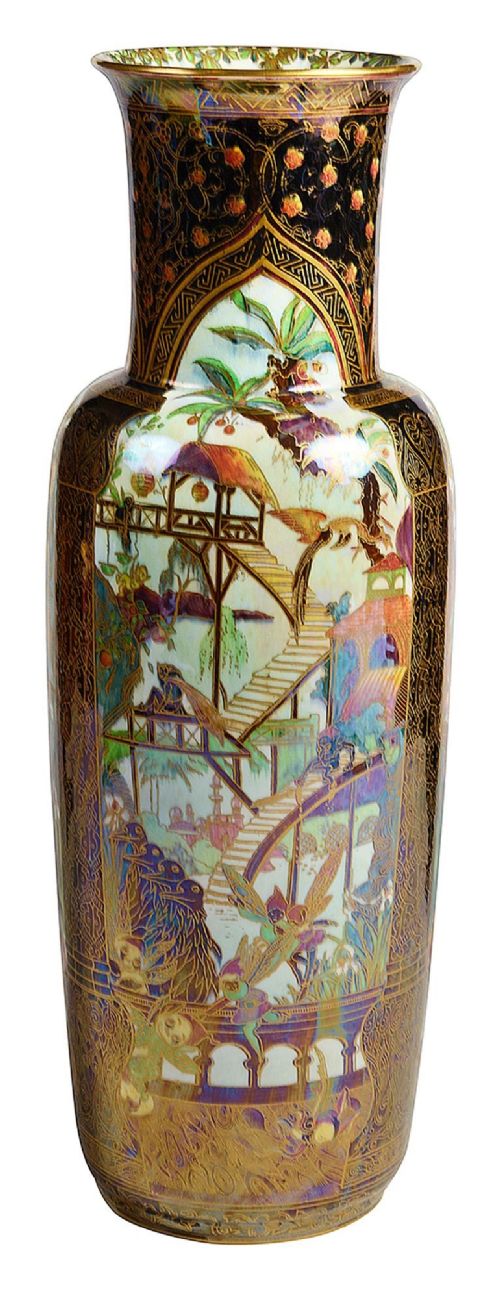
Makers frequently decorated these vessels with hand-painted fruit compositions, highland cattle, pheasants, storks and exotic birds. Some pieces also utilise traditional Imari palettes or fairy motifs.
Landscapes and floral sprays appear across various periods, reflecting the shifting aesthetic preferences of Edwardian and mid-century designers.
Were these vases made as pairs?
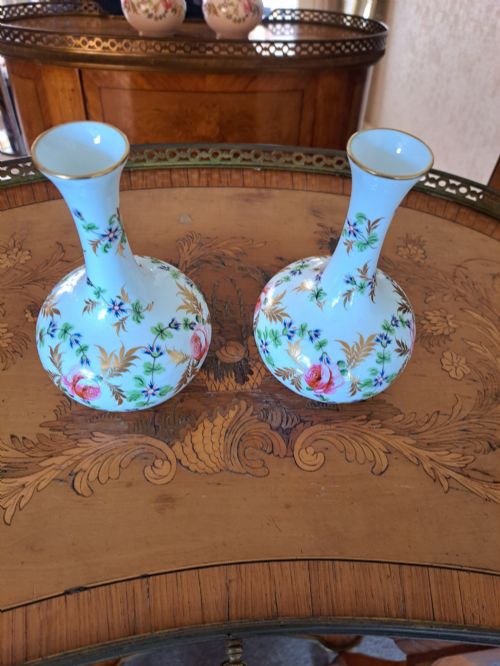
Potteries frequently produced balanced pairs or matching three-piece garnitures for mantelpieces and cabinet display. These matched sets share identical decorative themes and painter signatures.
Single spill vases and ginger jars were also common, often created as standalone decorative accents for domestic interiors.
How do I care for a painted vase?
Display these porcelain and bone china vessels away from direct sunlight to preserve the vibrancy of the hand-painted enamels. Dust them gently with a dry, soft cloth rather than using liquid cleaners.
Avoid immersing gilded pieces in water, as moisture can degrade historic gold leaf and gilt borders over time.