
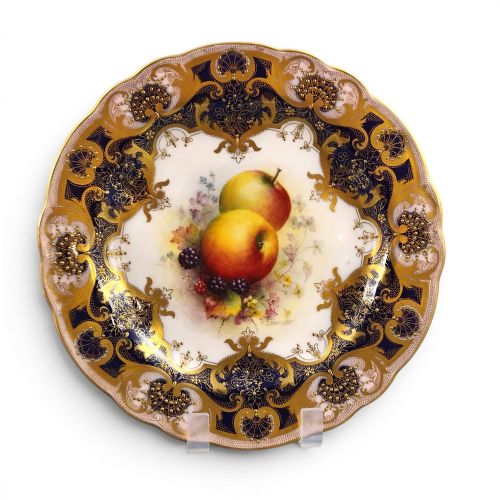
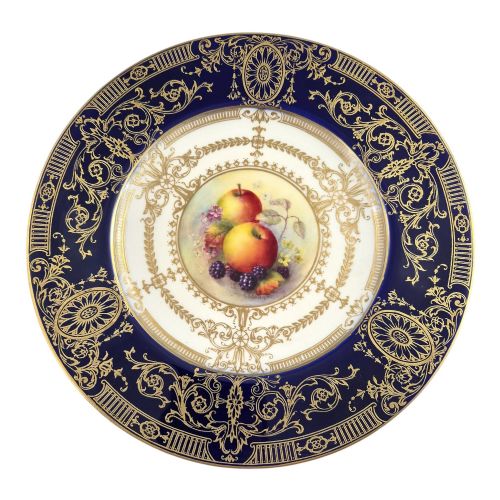
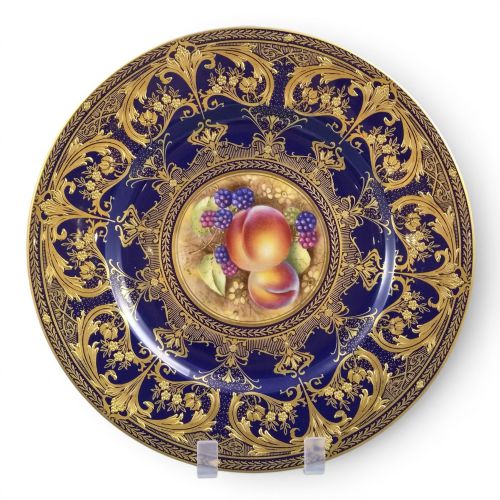
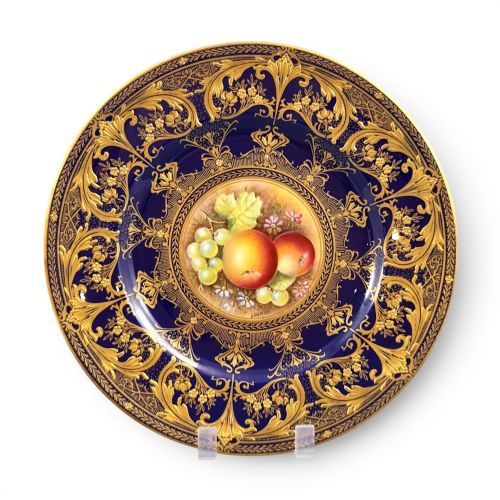
Vintage English Cabinet Plate
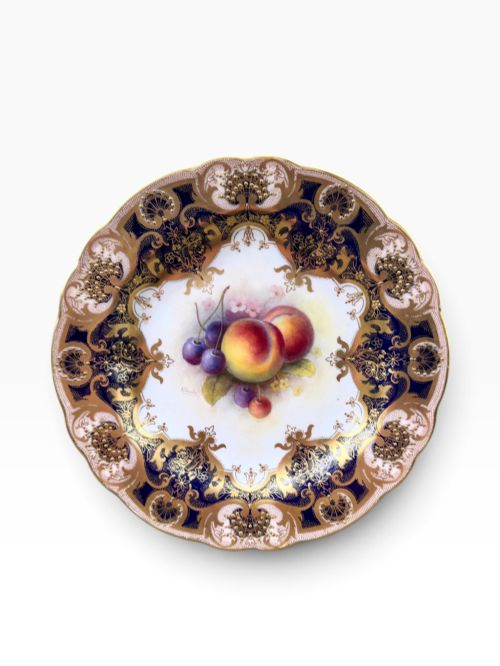
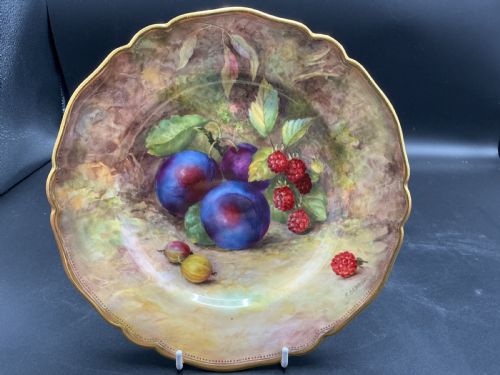
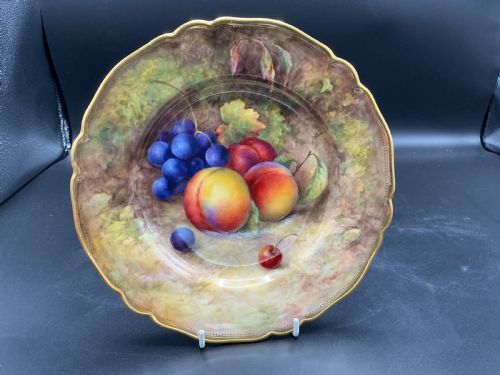
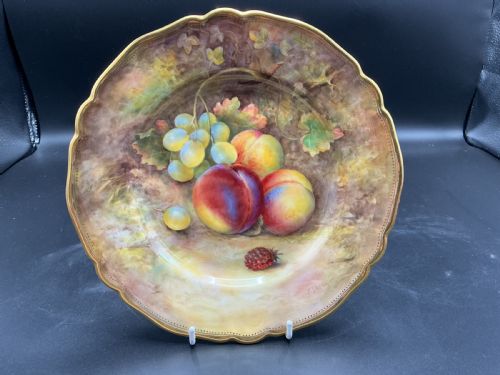
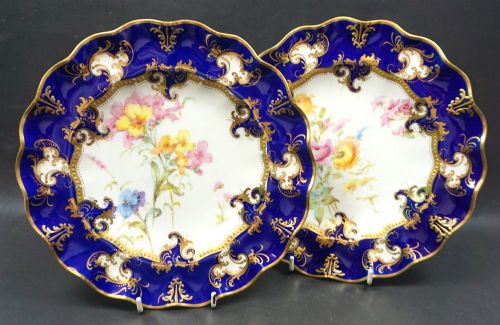
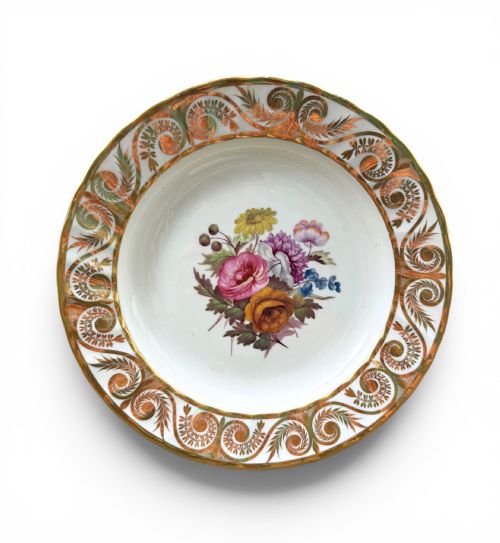
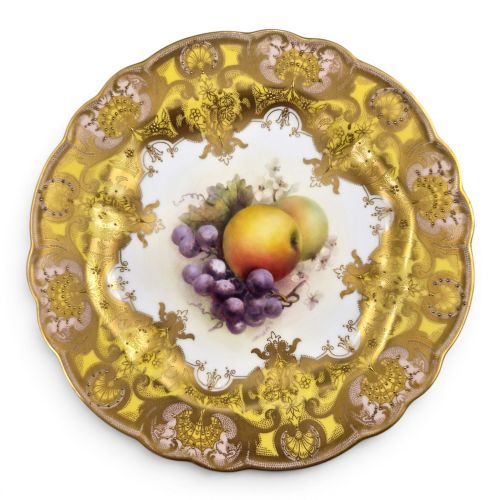
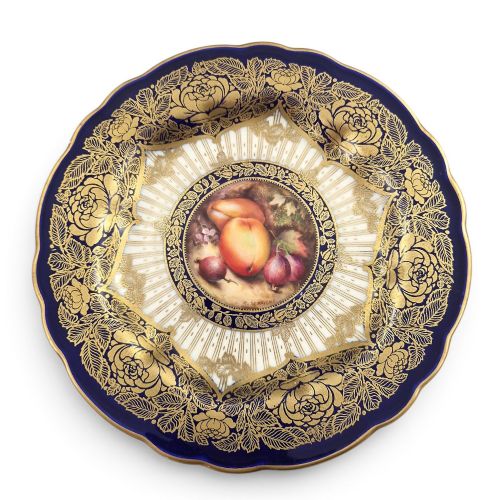
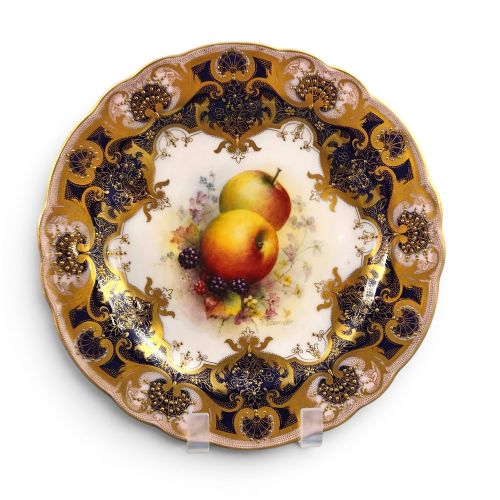
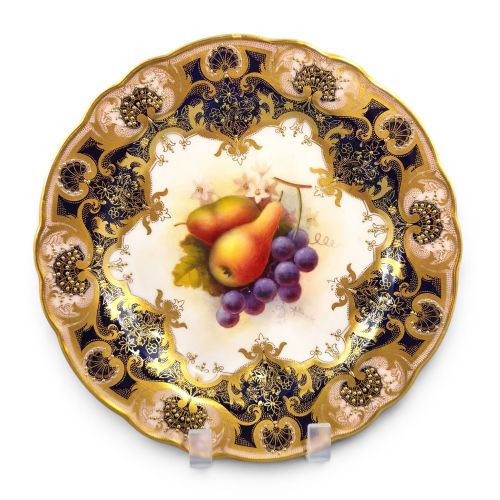
A vintage English cabinet plate brings hand-painted fruit, floral scenes and intricate gilding straight from the display cabinet to the wall or table.
Vintage English Cabinet Plate
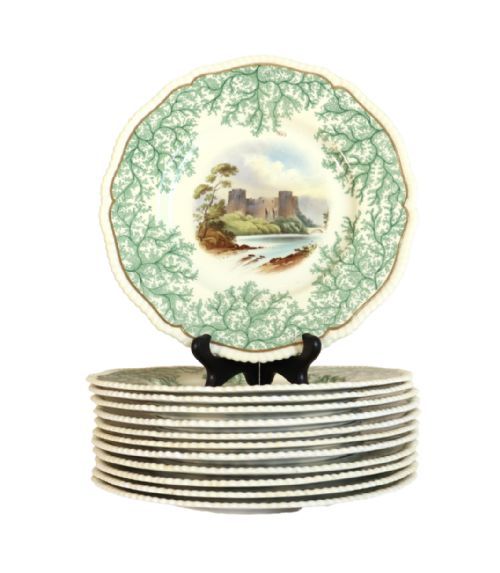
When you search for a vintage English cabinet plate, you encounter decorative porcelain and ironstone pieces intended strictly for display rather than dining. These items emerge in forms such as dinner plates, dessert services, chargers and saucer dishes dating from the eighteenth century through to the mid-twentieth century.
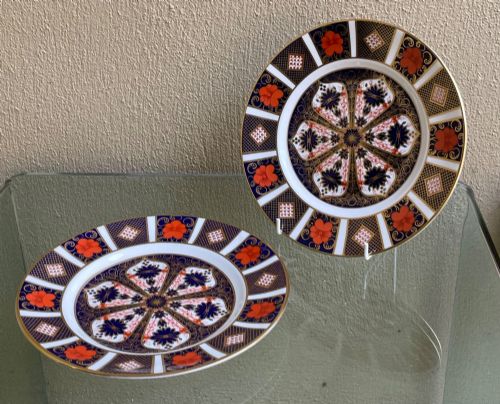
The pieces on this page span diverse periods including Georgian, Victorian, Edwardian and Art Deco aesthetics. Many examples showcase traditional English botanical and landscape subjects, whilst others display striking Imari or exotic bird patterns.
Makers recorded in the evidence range from major factories like Royal Worcester and Spode to individual painters. You will find items designed to sit on wall mounts or specialised plate stands within a room.
Materials and Craftsmanship
The manufacture of these items relies heavily on porcelain, bone china and ironstone ceramic bodies shaped into various plate and dish forms. Artisans then applied enamel colours and detailed hand-painting to create botanical, fruit and scenic compositions.
Gilding and gold leaf feature prominently across the inventory, often outlining borders, rope edges or basketweave textures. Master painters signed many of the finest porcelain surfaces, recording their artistry directly onto the ceramic body.
A seventeenth-century pewter charger sits among the porcelain, reminding everyone that metal plates once ruled the dining table.
Evaluating the Pieces
Quality rests significantly upon the skill of the artist and the reputation of the porcelain manufactory. Pieces painted by recognised decorators demonstrate superior brushwork and depth of colour compared to standard factory production.
The complexity of the surrounding decoration, including raised gilding, enamel saturation and specialised body shapes like basketweave moulding, separates standard utility wares from premier display items.
Spode·Royal Crown Derby·Royal Worcester·Derby·Royal Doulton·Minton·Mason·Grainger and Co·Coalport·Clarice Cliff·Nehemiah Cloudesley
The Vintage English Cabinet Plate Glossary
- Cabinet plate
- A decorative ceramic plate intended for display in a cabinet or on a wall rather than for practical dining use. These items often feature elaborate painted scenes and gilt borders.
- Ironstone
- A dense, durable type of ceramic developed in the nineteenth century as a robust alternative to porcelain. It frequently carries colourful transfer-printed or hand-painted motifs.
- Imari
- A decorative style characterised by a palette of iron red, underglaze blue and gold, heavily influenced by Japanese export wares. This pattern appears frequently on nineteenth and twentieth-century plates.
- Gilding
- The application of gold leaf or gold powder to ceramic surfaces for decorative accentuation. It highlights rims, handles and borders.
Vintage English Cabinet Plate: Frequently Asked Questions
What is a cabinet plate?
A cabinet plate is a decorative ceramic piece meant for display rather than everyday use. These items often feature hand-painted fruit, floral arrangements or intricate gilt borders.
Such plates were typically produced by prominent English potteries and porcelain manufactories for wealthy households. They are designed to be showcased on stands, hung on walls or kept within glass-fronted furniture.
How do I display these plates?
These pieces can be mounted securely on walls using specialised plate hangers or placed upright on plate stands inside cabinets. Many collectors prefer to group pairs or matching sets together to highlight their shared decorative patterns.
Because the surfaces often incorporate delicate enamel painting and gold leaf, placement should avoid areas prone to heavy foot traffic or direct, harsh sunlight. Gentle handling ensures the painted fruit and floral details remain preserved.
How do I identify the maker?
Makers marks are typically found stamped, impressed or hand-written on the underside of the ceramic body. Factory marks often change over time, helping to narrow down the decade of production.
In addition to factory stamps, some exceptional pieces feature the signature of the individual artist painted directly onto the front surface. Consulting records of specific porcelain decorators can reveal who painted a particular scene.
What is ironstone china?
Ironstone is a heavy, durable ceramic material patented in the nineteenth century to provide a strong alternative to true porcelain. It accepted enamels and glazes exceptionally well, making it ideal for colourful, patterned tableware.
Plates made from this material often feature bold orange grounds, exotic birds or traditional school house patterns. The sturdy body allowed these items to survive in service for generations.