


Vintage Enamelled Silver Case
A vintage enamelled silver case brings together precious metal and glass-rich vitreous pigments, offering a portable canvas of colour from past centuries.
Vintage Enamelled Silver Case
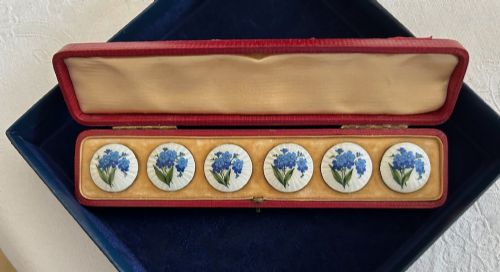
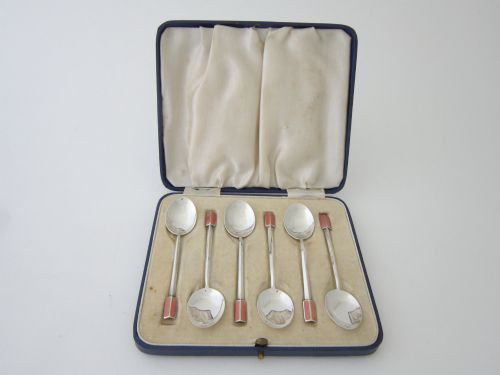
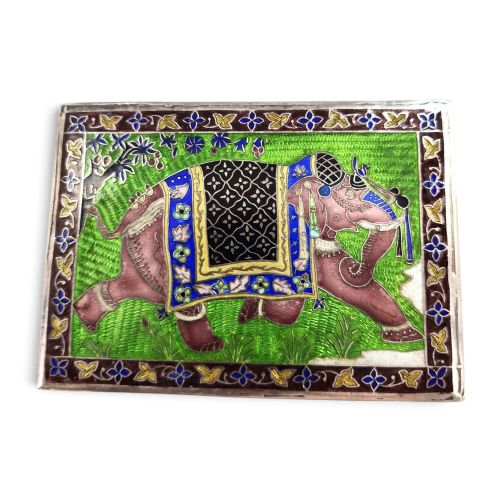
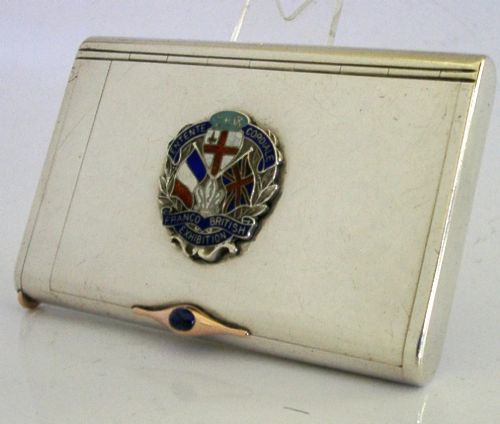
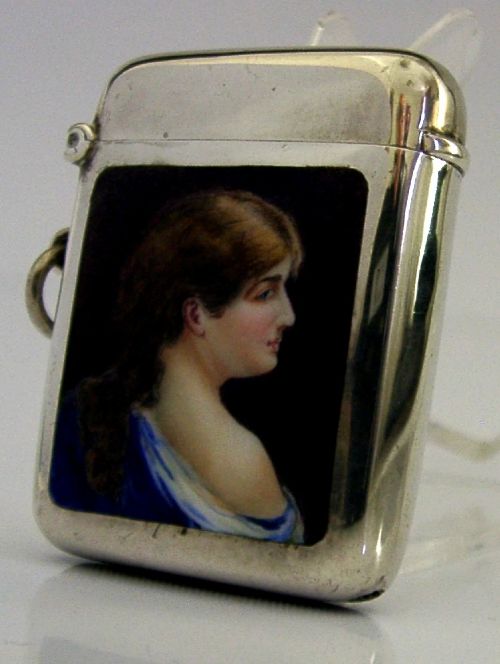
A vintage enamelled silver case encompasses a diverse array of functional pocket items, from powder compacts and cigarette holders to vesta cases and card carriers. These pieces emerge across the nineteenth and twentieth centuries, spanning periods like the Edwardian era, the Art Deco movement, and the Georgian epoch. Buyers searching this phrase most frequently encounter pocketable items decorated with coloured glass layers fused to sterling silver.
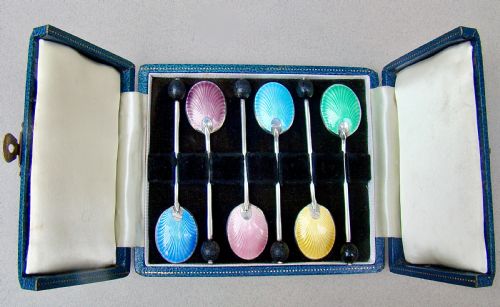
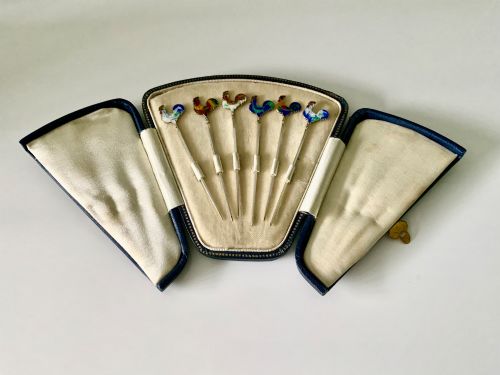
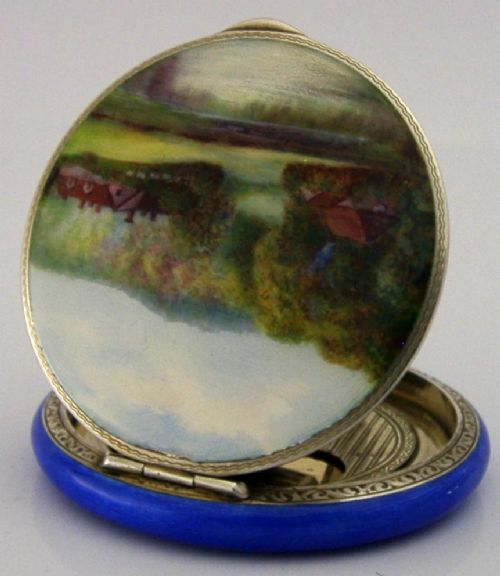
The assortment on this page reflects international origins, ranging from British workshops in Birmingham and London to continental makers in Italy and Norway. Forms vary widely, including hand-painted floral cigarette cases, scenic compacts, and structural card boxes. Each item serves a practical purpose while doubling as a decorative accessory scaled for a pocket or handbag.
How they were made
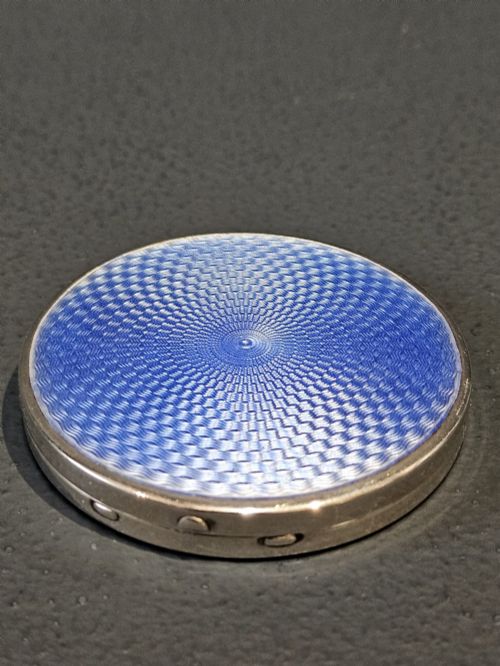
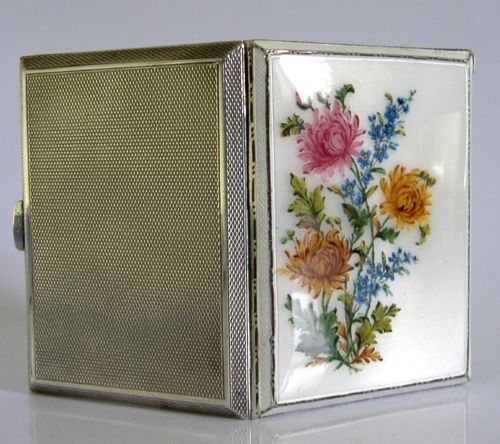
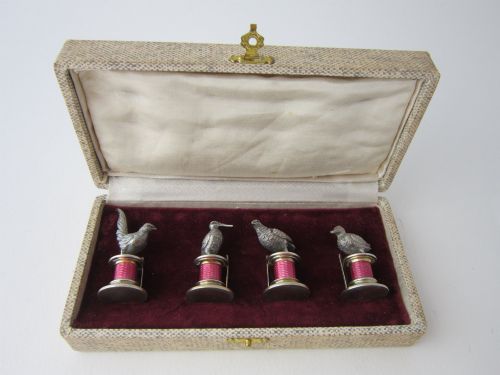
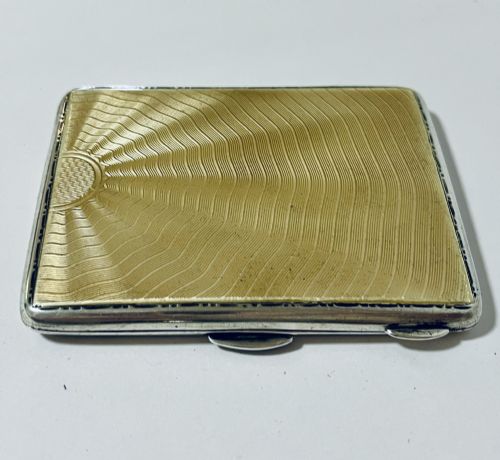
Silversmiths constructed the foundational bodies using sterling silver or continental silver grades, often applying chased or engraved patterns to create texture beneath the surface. Artisans then fused vitreous enamel to the metal through high-temperature firing, bonding the glass paste securely to the silver base. Guilloche techniques appeared frequently in the twentieth century, where engine-turned geometric engravings showed through translucent coloured enamel layers.
Many items featured hand-painted details, depicting flora, fauna, or figural scenes directly onto the enamel surface before a final protective firing. Interiors occasionally incorporated secondary materials such as silk, velvet, or glass mirrors to complete functional compacts and pocket accessories.
Vintage Enamelled Silver Case Retail Price Guide 2026
Typical asking prices for vintage enamelled silver case among the pieces listed under this phrase on Sellingantiques today, from the lower quarter to the upper quarter. They describe what is for sale here now, not the wider market.
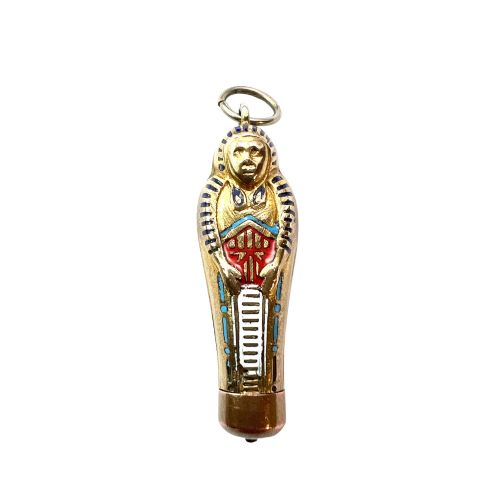
One determined little piece turns timekeeping sideways inside an Egyptian sarcophagus pharaoh propelling pencil pendant.
What varies in quality
Quality in a vintage enamelled silver case lies primarily in the precision and complexity of the enamel work and the sharpness of the underlying metal engraving. Pieces featuring intricate engine-turned guilloche patterns or detailed hand-painted miniatures represent a higher level of craftsmanship than plain enamelled surfaces. The crispness of the hallmarking and the structural integrity of the hinges and clasps further distinguish superior examples from standard production items.
Henry Matthews·Henry Perkins And Sons·Richard Hudnut·Liberty And Co·David Andersen·Giuliano Spinelli
The Vintage Enamelled Silver Case Glossary
- Guilloche enamel
- A decorative technique where the metal surface is mechanically engraved with intricate geometric patterns under translucent enamel. This method allows light to reflect through the coloured glass layer.
- Vesta case
- A small pocket-sized box designed to hold matches and keep them dry. These containers often featured hinged lids and striking surfaces on the base.
- Sterling silver
- An alloy of silver containing 92.5 percent pure silver and 7.5 percent other metals, usually copper. This standard composition provides durability for pocket items while maintaining a bright metallic lustre.
- Vitreous enamel
- A material made by fusing powdered glass to a metallic substrate at high temperatures. The resulting compound creates a durable, glossy coloured surface.
Vintage Enamelled Silver Case: Frequently Asked Questions
What is a vesta case used for?
A vesta case was designed to hold matches safely in a pocket or handbag before the widespread availability of safety matches and lighters. The small container kept the matches dry and featured a textured strip on the exterior for striking them.
Over time, these practical items became miniature canvases for silversmiths and enamelers. They frequently incorporated heraldic crests, animal motifs, or decorative geometric designs.
How do I identify Art Deco pieces?
Art Deco items generally feature clean geometric lines, stylised symmetrical patterns, and a sleek, modern aesthetic. In enamelled silver, this style translates to sharp sunburst guilloche designs and contrasting colour palettes.
This movement flourished during the 1920s and 1930s, replacing the flowing floral motifs of the earlier Edwardian and Victorian periods with streamlined industrial forms.
What is guilloche enamel?
Guilloche enamel involves mechanical engraving of a metal base, such as silver, before applying a translucent layer of coloured glass enamel. The underlying engraved pattern creates a shimmering depth and movement as light hits the surface.
This technique became especially popular on twentieth-century compacts, cigarette cases, and small decorative items produced across Europe.
How should I clean silver and enamel?
Cleaning requires a gentle approach to protect the delicate glass surface of the enamel from scratching or chemical damage. Use a soft, dry microfibre cloth to polish the silver elements while avoiding abrasive metal polishes near the enamel edges.
Submerging antique enamelled pieces in liquid silver dip should be avoided, as harsh solutions can seep beneath the enamel or dull the vitreous finish.