





Vintage Enamel Vases
Vintage enamel vases bring rich colour and detailed surface work to a room, ranging from oriental cloisonné to European glass.
Vintage Enamel Vases
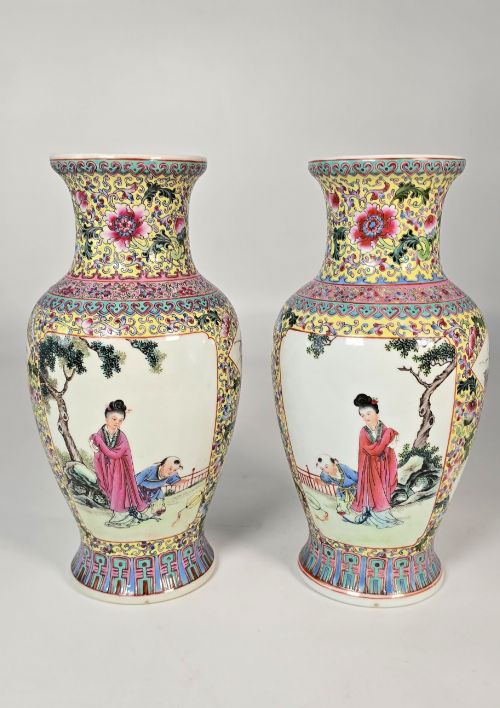
Vintage enamel vases span a diverse range of origins, with Asian cloisonné and champlevé works alongside European glass and pottery pieces. When exploring vintage enamel vases, buyers encounter items created across the nineteenth and twentieth centuries, including pieces from the Meiji and Qing periods as well as Art Deco designs.
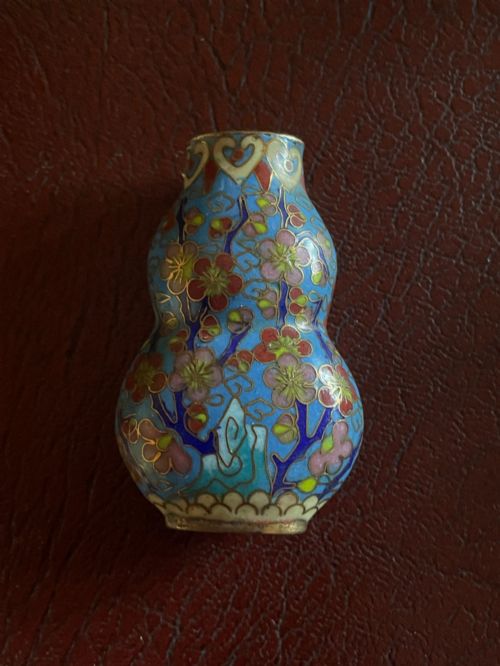
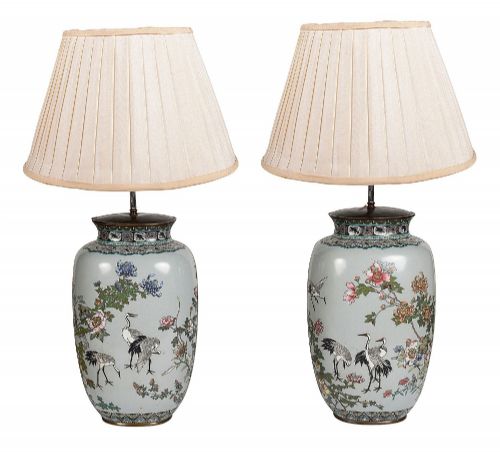
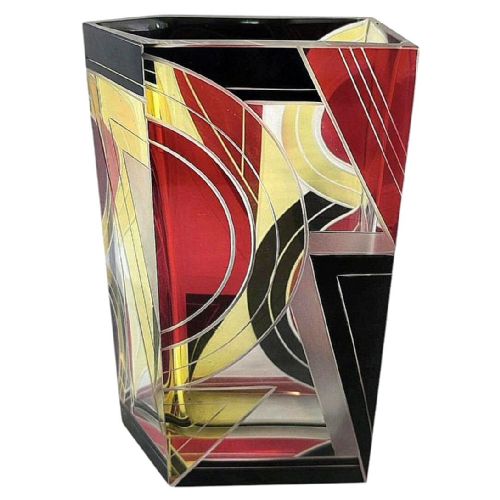
The forms vary from ginger jars and miniature ritual vessels to tall geometric glass vessels and converted table lamps. Many examples feature botanical motifs, birds, or abstract patterns rendered through careful application of vitreous pastes onto metal, ceramic, or glass bodies.
Materials and methods
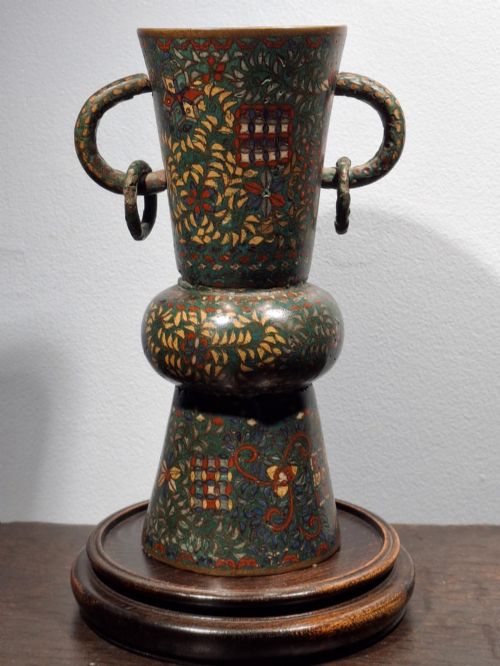
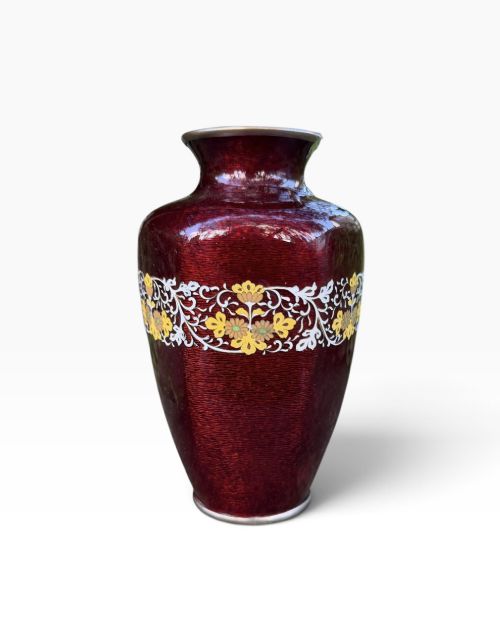
Metalwork forms the basis for traditional cloisonné and champlevé, where fine copper, brass, or bronze wires create individual cells that hold coloured glass pastes before firing. Japanese ginbari techniques introduce textured foil beneath translucent enamel to generate patterned depth.
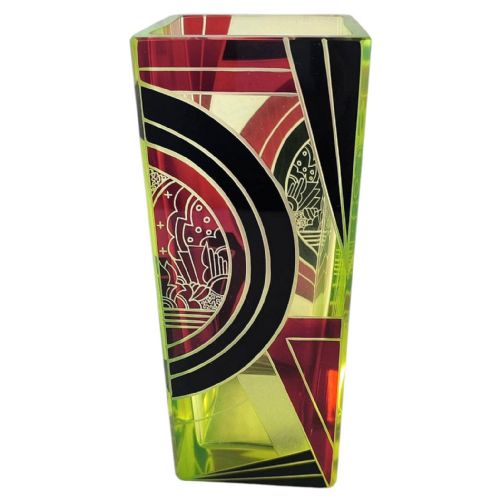
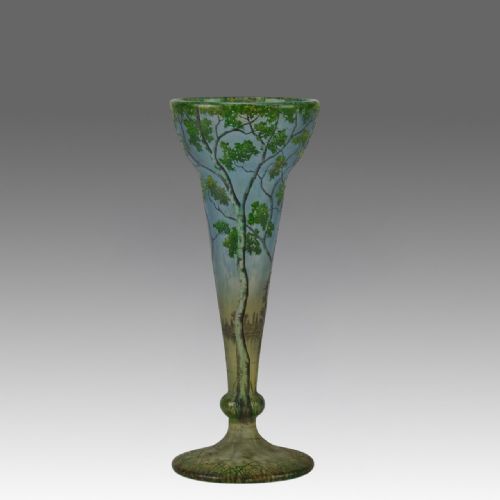
Glass and ceramic bodies utilise surface enamelling and gilding, applied by hand and fired to fuse the pigments. Makers such as Daum Frères and Karl Palda combined cameo carving, etching, and enamel decoration on glass during the early twentieth century.
Vintage Enamel Vases Retail Price Guide 2026
Typical asking prices for vintage enamel vases among the pieces listed under this phrase on Sellingantiques today, from the lower quarter to the upper quarter. They describe what is for sale here now, not the wider market.
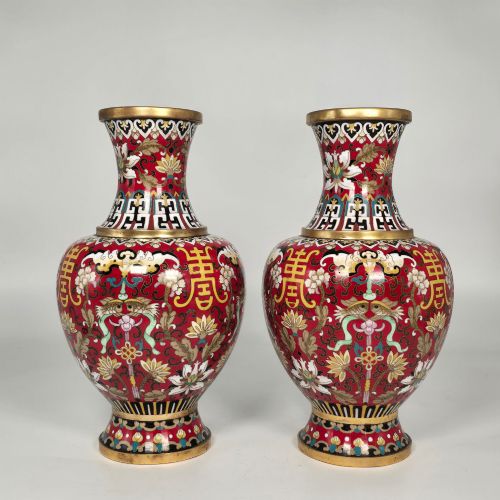
Japanese Meiji period pieces appear alongside Chinese Qing dynasty and Republican period works, representing distinct Asian manufacturing traditions.
Assessing quality
Quality rests upon the precision of the metal wirework and the smoothness of the fired enamel surface in cloisonné pieces. Superior examples display dense, even distribution of vitreous paste without pitting or shrinkage around the restraining wires.
In glass and ceramic pieces, the crispness of the hand-painted details and the harmony of the palette determine the standard. Skill in layering translucent enamels and gold leaf separates standard production items from masterworks.
Daum Freres·Karl Palda·St Louis glassworks·Tamura Yukio·Royal Doulton Lambeth·Samson Paris·Hakusan
The Vintage Enamel Vases Glossary
- Cloisonne
- Enamel decoration where thin metal wires are soldered to a metal base to form cells for coloured pastes. These wires remain visible on the finished surface.
- Champleve
- A technique where troughs or cavities are cast or carved into a metal surface to hold enamel powders before firing. The surrounding metal forms the raised outlines of the design.
- Ginbari
- A Japanese enamelling method featuring a textured or embossed foil background placed beneath a translucent enamel layer. This creates a shimmering patterned effect.
- Lustre
- A metallic or iridescent glaze finish applied to ceramics or glass to produce a reflective sheen. It responds to light with changing iridescent tones.
- Cameo glass
- Glass vessels formed of two or more fused layers of contrasting colours, carved away to create relief designs. This technique gained prominence during the Art Nouveau period.
Vintage Enamel Vases: Frequently Asked Questions
Were these vases originally lamps?
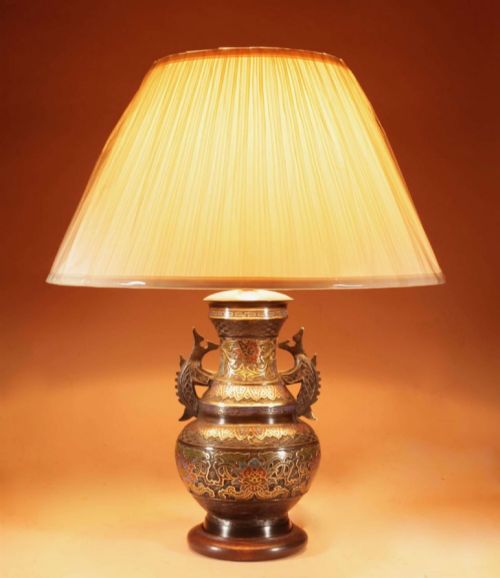
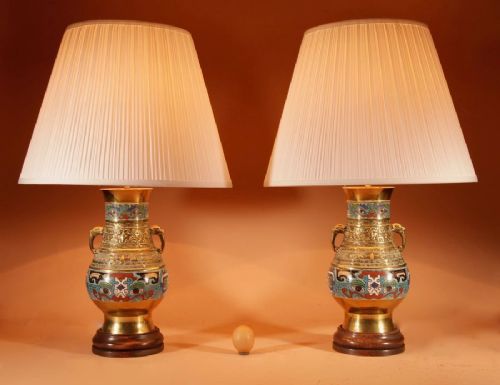
Many items found today started life as decorative vessels before conversion into table lamps during the twentieth century. Wiring often passes through drilled bases or fitted mounts added later.
Collectors should examine the fitting methods and base alterations to determine if the lamp conversion is recent or period. Unconverted vases remain sought after in their original configuration.
How do I tell Chinese from Japanese cloisonne?
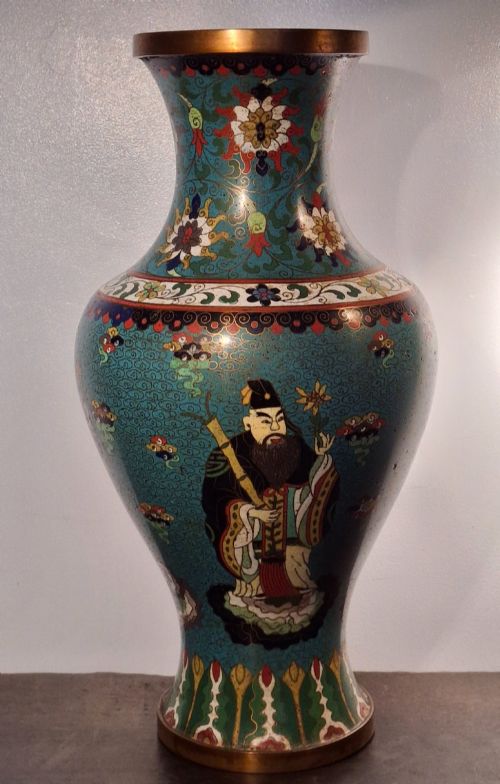
Chinese cloisonné from earlier periods often employs heavier bronze bodies with turquoise or dark blue counter-enamels on the reverse. The wirework tends to be thick and bold.
Japanese pieces from the Meiji period frequently showcase exceptional refinement with extremely thin, invisible-seam copper wires and naturalistic bird or floral motifs.
What is the difference between cloisonne and champleve?
Cloisonne relies on soldered metal wires applied to the surface of a vessel to create individual compartments for coloured enamel pastes. The wire outlines stay prominent in the final design.
Champleve involves carving or recessing the pattern directly into a thick metal base, leaving solid metal channels to hold the enamel. The surface is then ground smooth after firing.