
Vintage Embroidery Wall Hangings
Vintage embroidery wall hangings bring tactile history into a room through stitched textiles created across Central Asia, India, Persia, and Britain.
Vintage Embroidery Wall Hangings
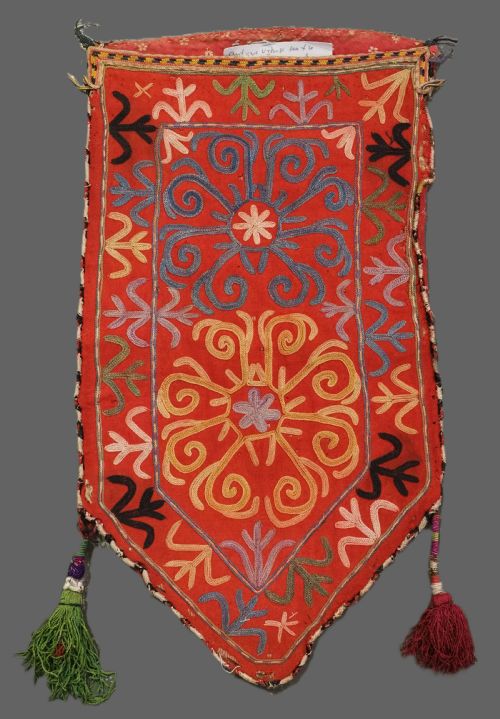
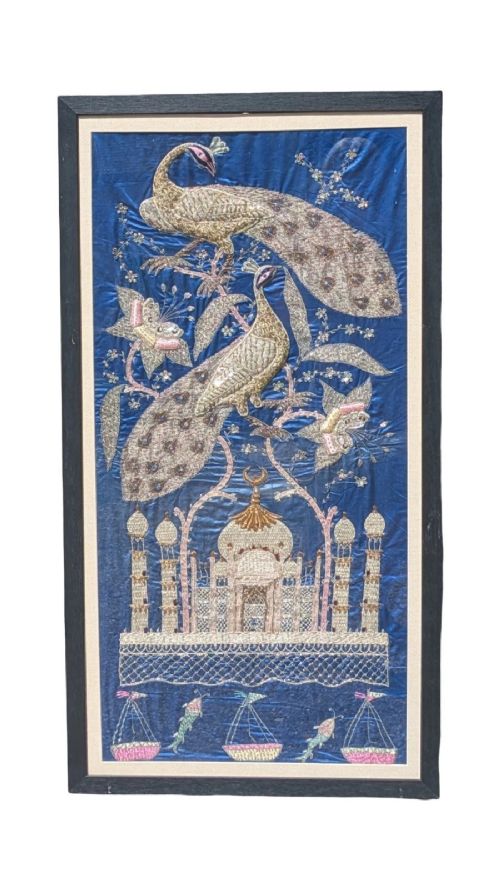
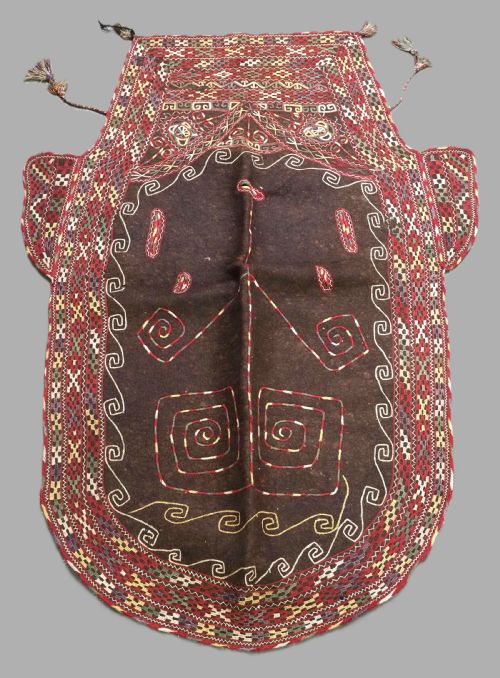
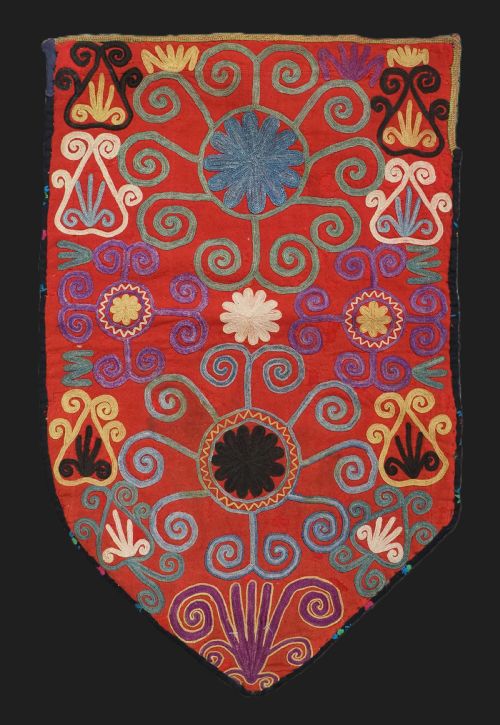
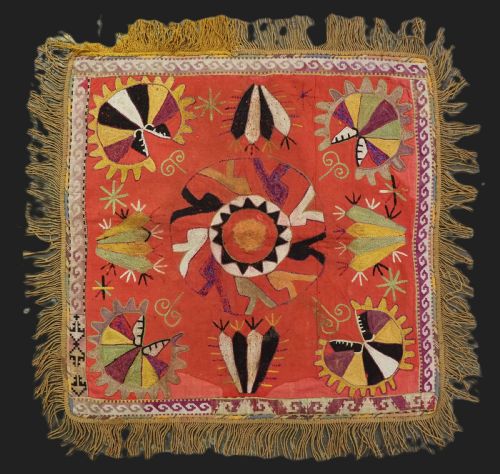
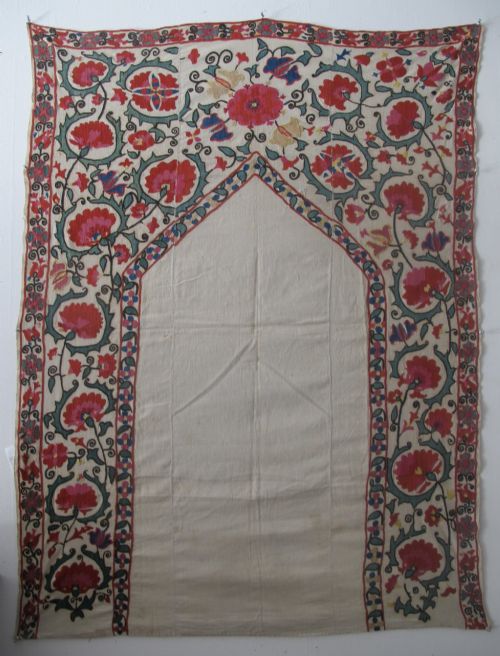
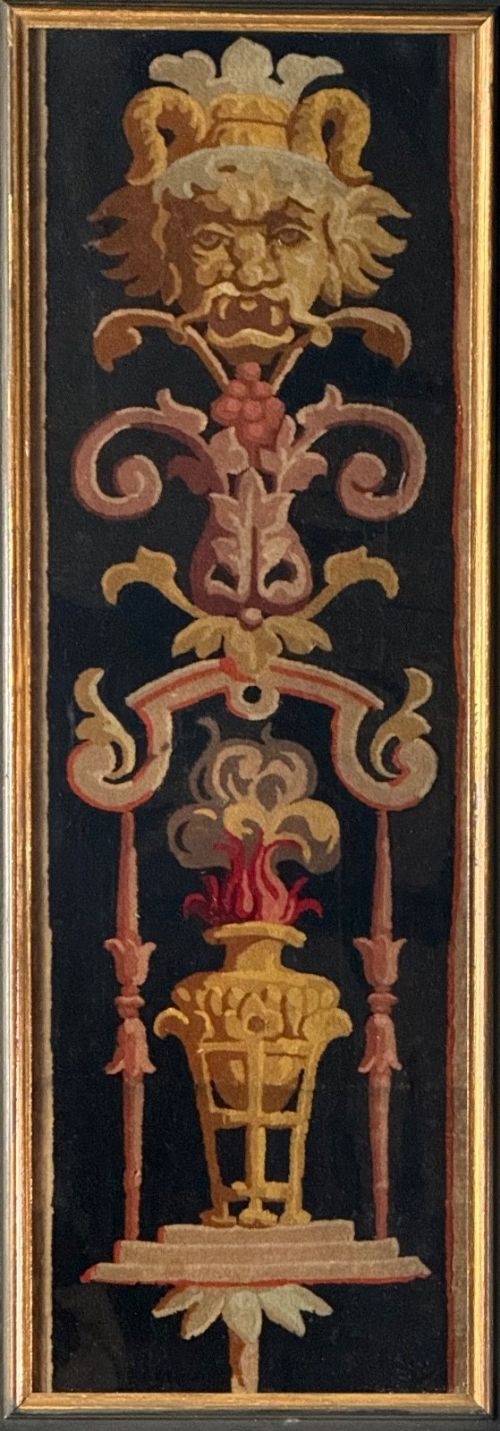
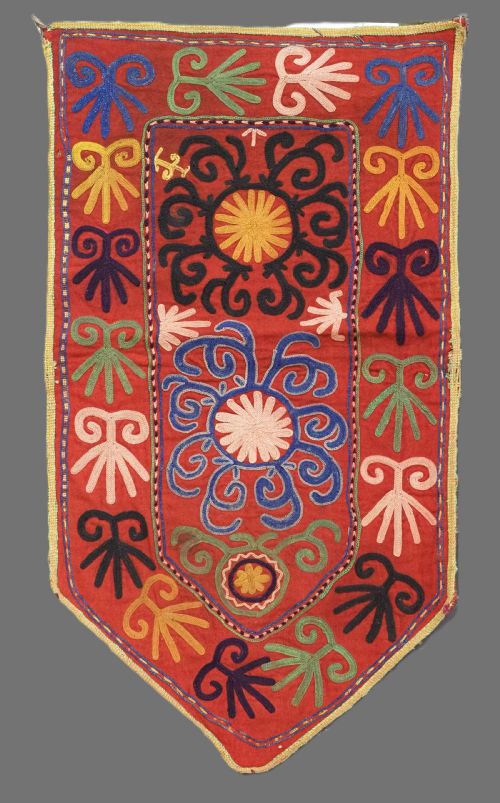
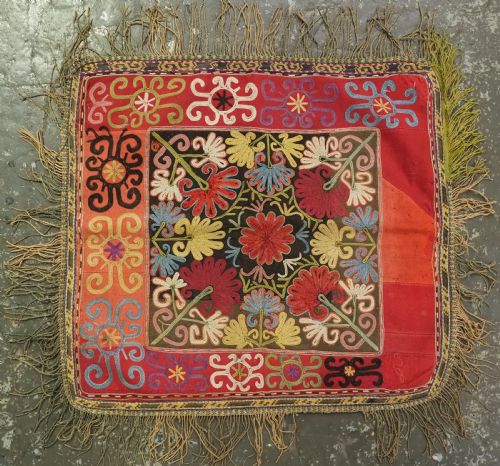
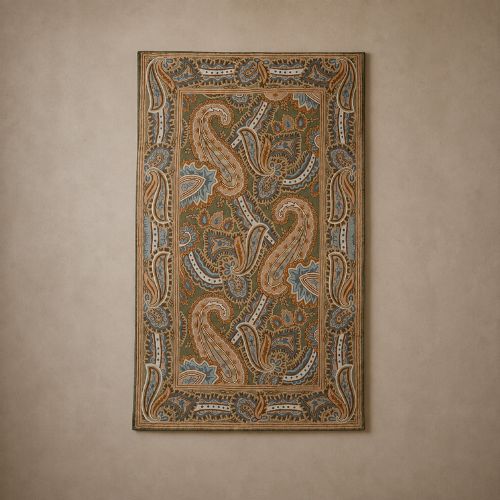
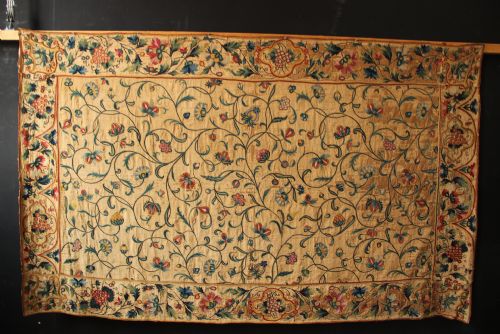
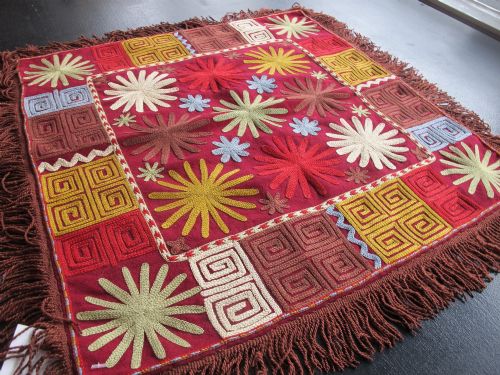
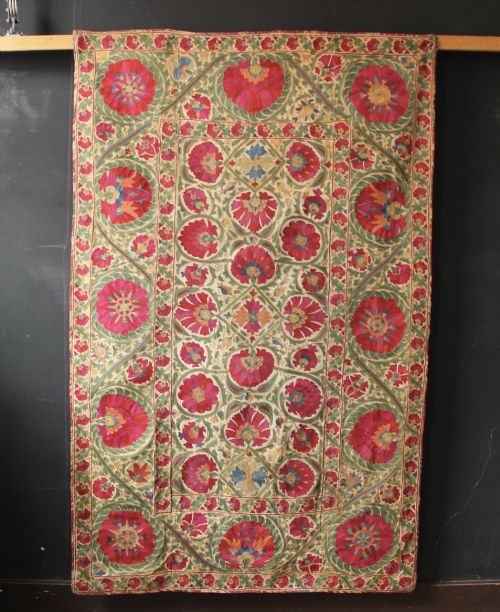
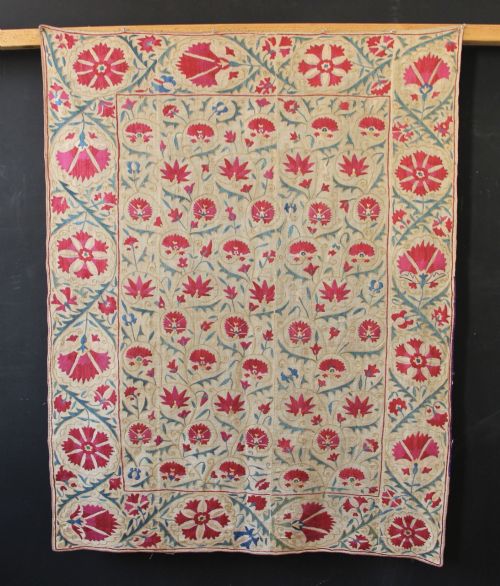
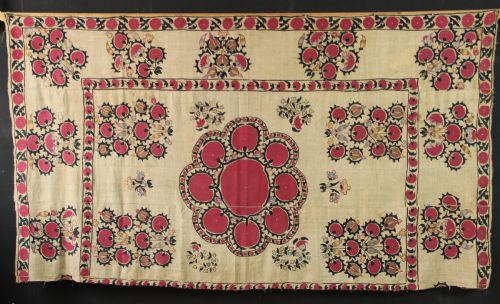
When you search for vintage embroidery wall hangings, you encounter a diverse range of historic textiles including Central Asian suzanis, dowry hangings, and English crewelwork panels. These pieces originate from traditions spanning the seventeenth century through to the nineteen thirties, encompassing nomadic tribal works as well as court embroideries.
Forms range from small square dowry panels to large architectural suzanis and long narrow borders. Each type reflects the domestic duties, nomadic customs, or court aesthetics of the specific maker and region.
Determinants of distinction
Execution of the needlework separates ordinary domestic items from superior examples, with finer pieces displaying tight, precise stitch tension and intricate geometric or floral drawing. The density of the silk embroidery and the complexity of the colour palette dictate the overall visual depth.
Condition and completeness also influence standing, particularly where fragile silk threads or early felt and wool grounds survive intact without extensive later restoration. The originality of the composition and the sophistication of the regional design layout mark the finest achievements.
Listings span centuries of textile traditions, ranging from seventeenth-century English crewelwork to nineteen-thirties Central Asian suzanis.
The Vintage Embroidery Wall Hangings Glossary
- Suzani
- An embroidered tribal or domestic textile from Uzbekistan and surrounding Central Asian regions, typically worked in silk on a cotton or linen ground with large floral motifs.
- Ilgich
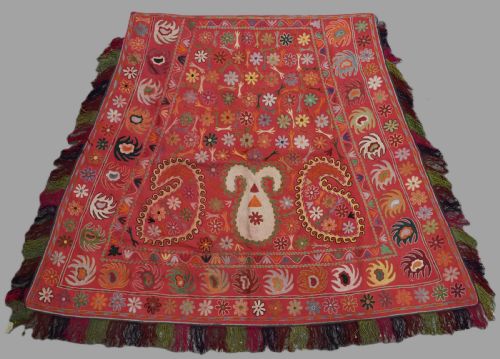
- A specific type of Central Asian embroidery, often created by the Lakai tribe as dowry items and used for hanging on walls within yurt dwellings.
- Crewelwork
- Traditional English embroidery executed with wool yarn on a heavy linen or twill ground, frequently depicting scrolling floral and fauna patterns.
- Rasht embroidery
- Persian textile art characterised by intricate inlaid felt and silk applique work, originating from the Gilan province.
- Uut kap
- A Central Asian bag face or hanging panel associated with nomadic furnishings, often featuring dense geometric or tribal embroidery.
Vintage Embroidery Wall Hangings: Frequently Asked Questions
How do I hang a fragile textile safely?
Support the weight evenly by mounting the textile over a padded wooden batten or conservation-grade board covered in calico. Avoid hanging pieces in direct sunlight to protect natural silk threads and dyed wool grounds from fading.
Ensure the textile does not bear its own weight by stitching a supportive cotton sleeve or utilising a velcro mounting system along the top edge.
What is the difference between a suzani and an ilgich?
Suzanis are generally larger embroidered panels produced in urban or village centres of Uzbekistan as part of a bride's dowry. They typically feature grand medallion or trailing floral layouts intended to cover large wall spaces.
Ilgiches are smaller dowry pieces often made by nomadic groups like the Lakai tribe, featuring vigorous geometric and zoomorphic motifs designed for compact domestic display.
How should I clean historic embroidered wall hangings?
Historic needlework requires professional textile conservation rather than domestic washing. Surface dust can be gently removed using low suction through a mesh screen.
Water or chemical solvents will mobilize old dyes and weaken aged silk or wool threads, leading to irreversible shrinkage and structural loss.
How do I identify English crewelwork panels?
English crewelwork is distinguished by thick worsted wool yarns stitched onto heavy linen twill. The designs commonly feature swirling trees of life, exotic birds, and stylised flora inspired by Indian textiles.
Earlier examples date to the seventeenth century, while later revivals in the early twentieth century adopt similar traditional motifs.