



Vintage Embossed Box
A vintage embossed box brings tactile weight and decorative metalwork into daily rooms, holding small keepsakes or sitting beside the hearth.
Vintage Embossed Box
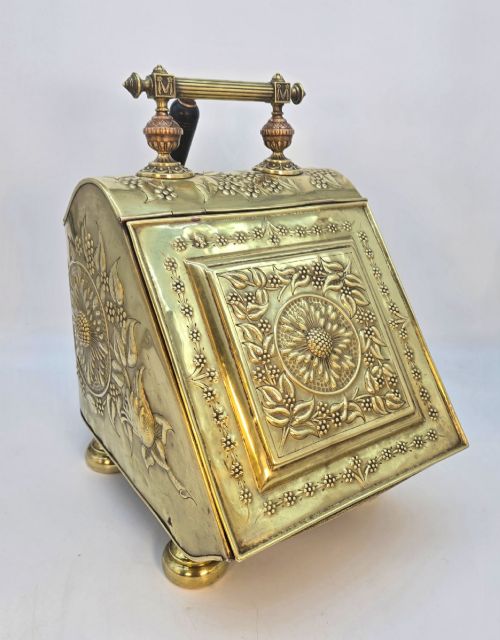
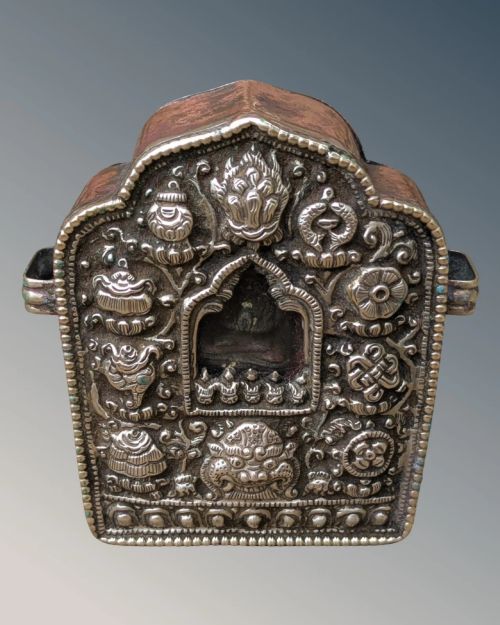
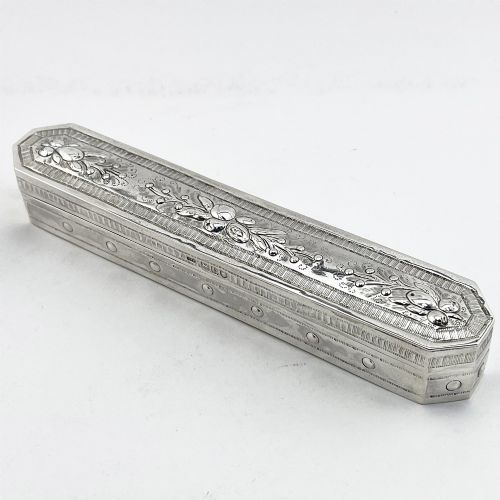
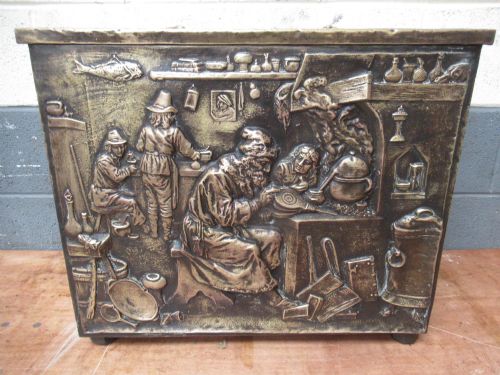
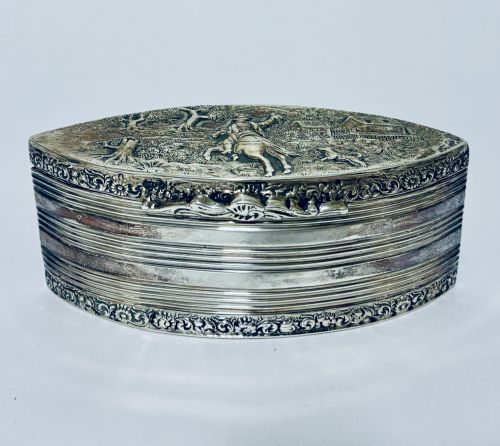
When you search for a vintage embossed box, you encounter a wide variety of containers spanning several centuries and distinct decorative traditions. These items range from small tabletop receptacles designed for snuff or trinkets to larger fireside coal bins and log boxes forged from heavy metals.
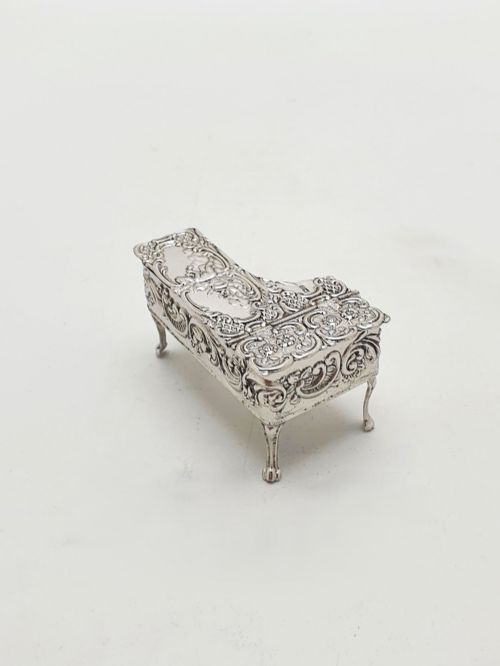
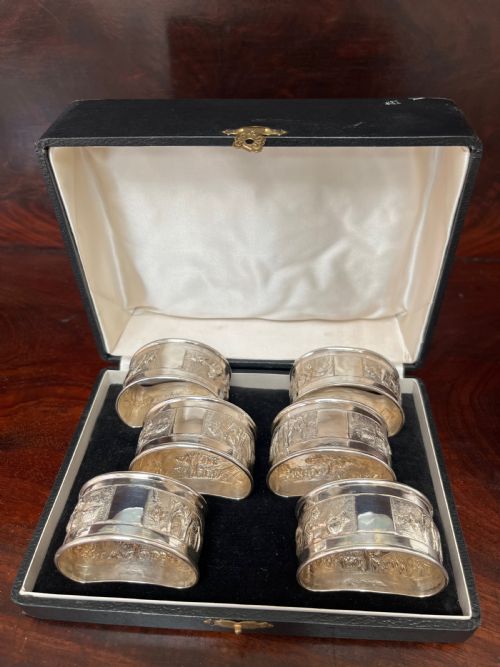
The assortment on this page draws heavily from Victorian and Edwardian periods, alongside continental and Anglo-Indian examples. Smaller pieces often take the form of jewellery caskets, tea caddies, and vesta cases, while larger hearth accessories display bold repoussé work intended to catch the firelight.
Materials and technique
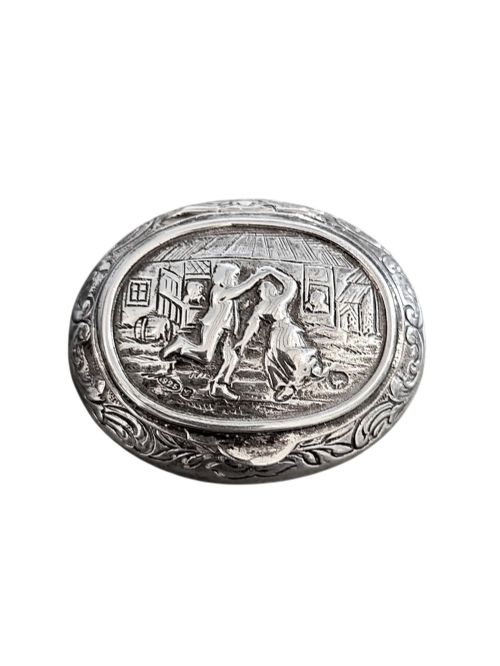
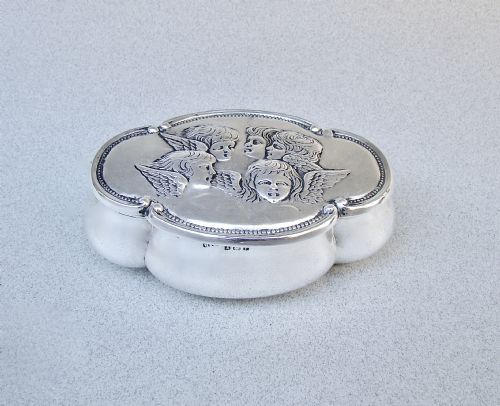
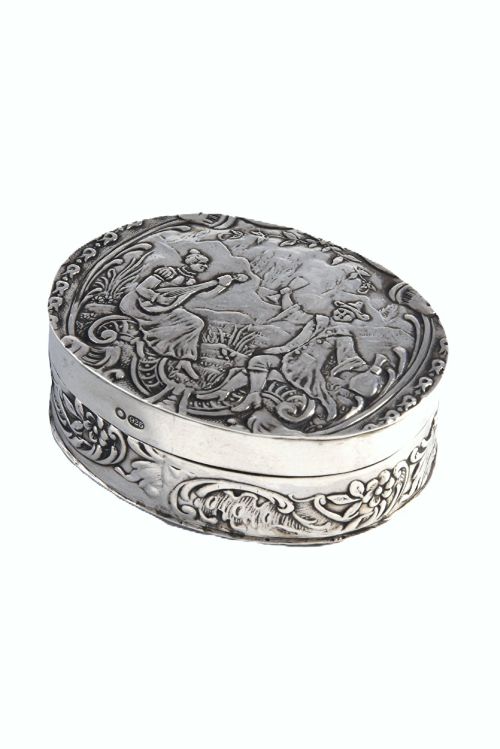
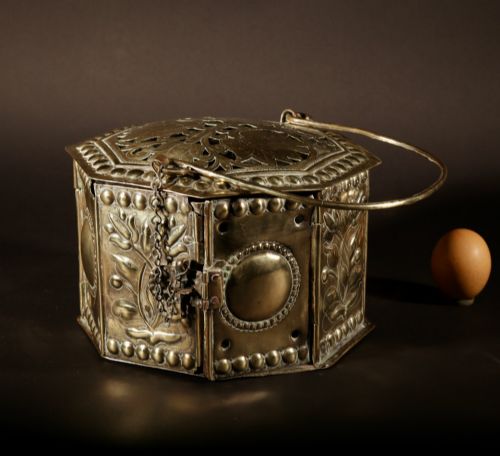
The manufacture of these containers relies primarily on ductile metals such as sterling silver, brass, copper, and bronze, which accept raised surface ornamentation readily. Artisans utilised techniques like repoussé and chasing, hammering the metal from the reverse side to push out pictorial motifs, cherubs, floral scrolls, or architectural castle tops.
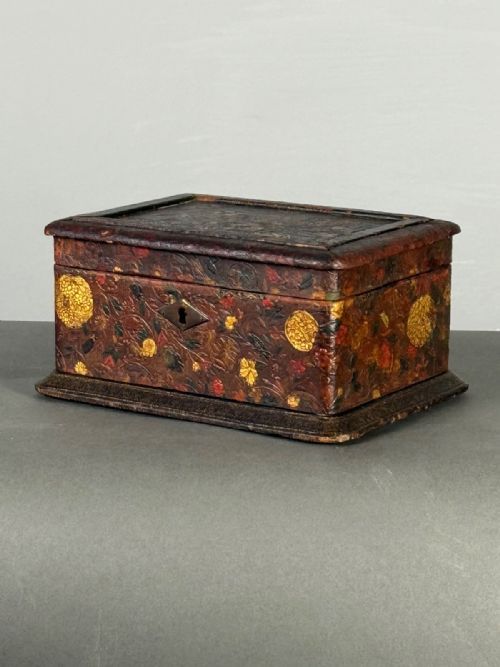
In addition to solid metal constructions, some examples combine metal mounts with glass, satin glass, wood, or polychrome leather. Heavier hearth items employ cast elements and riveted sheet metal to withstand daily domestic use by the fireside.
Vintage Embossed Box Retail Price Guide 2026
Typical asking prices for vintage embossed box among the pieces listed under this phrase on Sellingantiques today, from the lower quarter to the upper quarter. They describe what is for sale here now, not the wider market.
Edwardian and Victorian pieces dominate the selection, accompanied by earlier eighteenth-century examples and continental imports.
Distinctions in quality
Maker marks, clear silver hallmarks, and sturdy hinges that align the lid flush with the body distinguish superior workshop production. The integrity of internal linings, original shovel attachments in coal boxes, and substantial weight further separate standard domestic wares from exceptional examples.
Schlingloff Hanau·Henry Matthews·A. Bromet & Co·Thomas Hayes·Artificer's Guild·William Neale & Sons
The Vintage Embossed Box Glossary
- Repoussé
- A metalworking technique where the artisan hammers the design from the reverse side to create raised relief on the front. This method gives vintage boxes their tactile, three-dimensional surface textures.
- Vesta Case
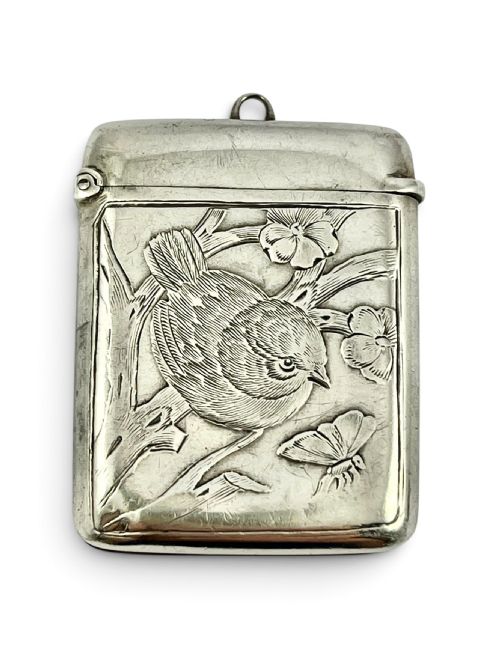
- A small pocket-sized container originally made to hold safety matches. Many feature intricate surface embossing and spring-loaded lids.
- Castle Top
- A descriptive term for silver boxes featuring a detailed engraving or repoussé panel of a famous building or landmark on the lid. Windsor Castle and similar historic structures frequently appear on Edwardian pieces.
- Tea Caddy
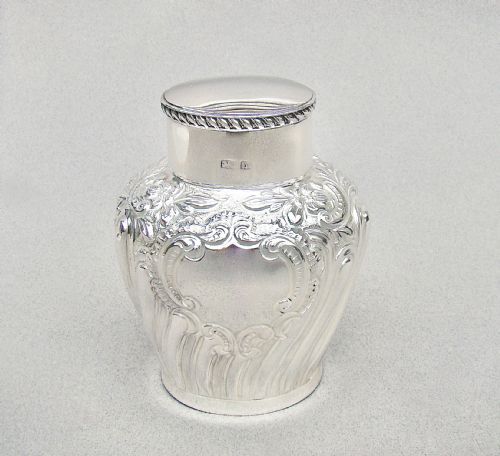
- A container designed to store dry tea leaves securely, often fitted with a tight lid. These receptacles frequently display ornate floral or figural embossing.
Vintage Embossed Box: Frequently Asked Questions
What were small embossed boxes used for?
Small containers served domestic roles such as holding snuff, stamps, matches, or personal jewellery on a dressing table. Their decorative lids allowed them to sit openly in reception rooms as ornaments.
Craftsmen tailored the internal dimensions and linings to protect delicate items like calling cards or sewing implements from dust and handling.
How do I clean tarnished silver boxes?
Silver vessels benefit from gentle washing with warm soapy water and a soft cloth to remove surface dirt. Avoid abrasive polishes that wear away delicate repoussé relief work.
Professional silver dips should be used sparingly and kept away from internal linings, wooden bases, or velvet inserts to prevent permanent staining.
How can I date an unmarked brass box?
Dating relies on observing stylistic markers, construction methods, and the depth of the metal patina. Arts and Crafts and Art Nouveau pieces display characteristic organic motifs from the turn of the twentieth century.
Rivets, seam construction, and handle styles help distinguish nineteenth-century hearth accessories from later reproductions.
Can antique coal boxes still be used?
Large brass and copper scuttles remain sturdy enough for holding firewood or kindling beside a modern fireplace. Their robust metal construction was originally designed for heavy domestic labour.
Owners often line the interior with a modern insert to protect the antique metal from moisture and direct ash contact.