



Vintage Elephant Figurine
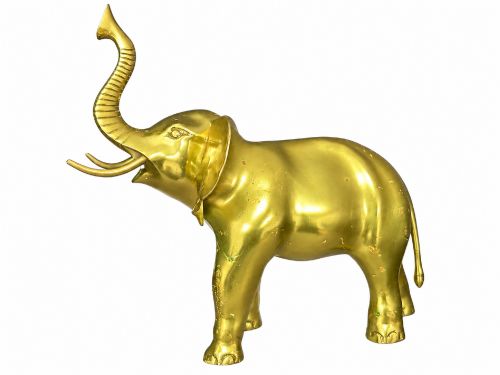
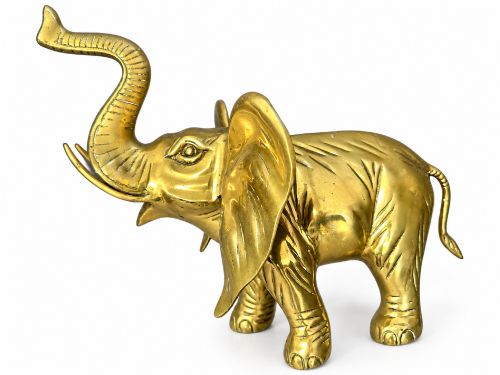
A vintage elephant figurine brings character to a room, ranging from brass bookends to carved hardwood studies.
Vintage Elephant Figurine
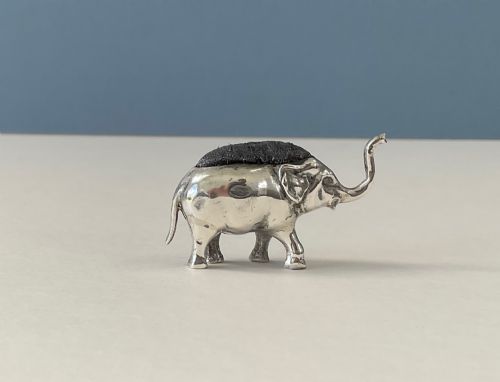
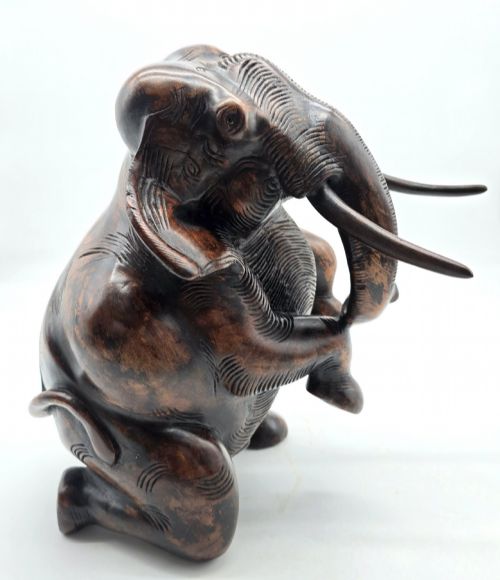
When searching for a vintage elephant figurine, buyers encounter a diverse selection of sculptural forms originating from various periods and traditions. These pieces include decorative brass sculptures with raised trunks, carved hardwood studies from the Raj period, and miniature silver novelties.
The versions most commonly met on this page span from late nineteenth-century examples to pieces from the nineteen-thirties. Forms range from practical items like pin cushions and bookends to pure decorative sculptures and paperweights.
Geographic origins and stylistic influences are notably broad, encompassing Anglo-Indian, Burmese, Japanese Meiji, and European Arts and Crafts aesthetics. Each piece reflects the distinct craftsmanship and material availability of its specific era and region.
Materials and Techniques
Metals form a significant portion of the selection, utilising cast brass and bronze for substantial sculptures, trade weights, and bookends. These metal pieces often display detailed surface work that defines the texture of the animal's hide and trappings.
Carved wooden objects utilise dense timbers such as teak wood, ebony, and various hardwoods. Skilled artisans shaped these materials into studies of performing or ceremonial elephants, frequently incorporating riders or elaborate harnesses.
Alternative materials appear in specific forms, including silver for miniature pin cushions, leather for sculptural models, and moulded glass for paperweights. Each medium demands distinct technical approaches, from metal casting to hand carving and leather moulding.
Vintage Elephant Figurine Retail Price Guide 2026
Typical asking prices for vintage elephant figurine among the pieces listed under this phrase on Sellingantiques today, from the lower quarter to the upper quarter. They describe what is for sale here now, not the wider market.
Several elephants carry riders or wear ceremonial trappings, turning a simple desk accessory into a tiny procession.
Factors of Quality
The standard of carving or casting defines the upper tier of these objects. Superior pieces display anatomical precision, careful attention to expression, and crisp detail in trappings or riders.
The choice and treatment of material also influence the quality of a vintage elephant figurine. Dense, well-finished hardwoods and substantial metal castings with patination outrank simpler, less refined examples.
The Vintage Elephant Figurine Glossary
- Raj period
- An era associated with British rule in India, spanning the nineteenth and early twentieth centuries. Pieces from this time often feature detailed carved woodwork.
- Meiji Period
- A Japanese historical era lasting from 1868 to 1912, known for sophisticated bronze metalwork and fine artistic craftsmanship.
- Opium Weights
- Cast metal figures, often in animal forms such as elephants, used historically as commercial weights in Southeast Asia.
- Pin Cushion
- A small decorative object designed to hold sewing pins, sometimes cast in silver as a novelty figure.
- Anglo-Indian
- A style reflecting the artistic synthesis of British and Indian traditions during the colonial period.
Vintage Elephant Figurine: Frequently Asked Questions
What materials are vintage elephant figurines made from?
These figures are constructed from a variety of materials including brass, bronze, carved teak wood, ebony, silver, and leather. Metal examples are typically cast, whilst wooden versions are hand carved.
Different periods and regions favoured specific materials, resulting in a wide array of textures and finishes across the selection.
How were these elephant figures used historically?
Many acted purely as decorative sculptures or paperweights for desks and libraries. Others served practical functions, such as bookends, pin cushions, or trade weights.
Objects like ceremonial studies often reflected cultural motifs and craftsmanship traditions from regions including India, Burma, and Japan.
How do I style an elephant figurine at home?
These pieces integrate easily into studies, living rooms, and libraries as standalone decorative accents. Brass bookends function practically on bookshelves, whilst smaller bronze or wooden studies suit mantelpieces and display cabinets.
Pairing different materials, such as combining dark hardwood carvings with polished brass, adds textural contrast to a room.
How can I tell the period of an elephant figurine?
Dating relies on identifying material characteristics, stylistic traits, and manufacturing techniques associated with specific eras like the Victorian period or the Raj era. Examining the tooling on wood or the casting quality of metal provides clues to age.
Maker marks, where present, help pinpoint the exact origin and decade of production.