


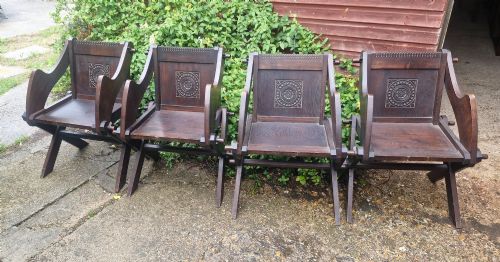
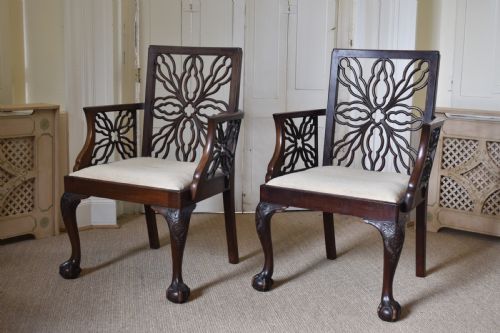
Vintage Elbow Chair
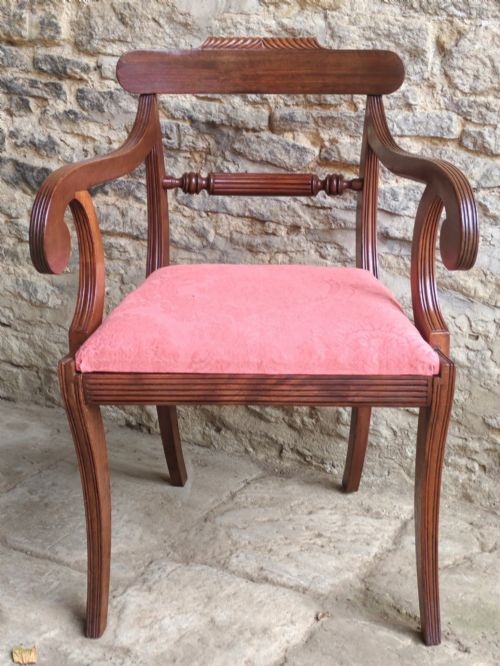
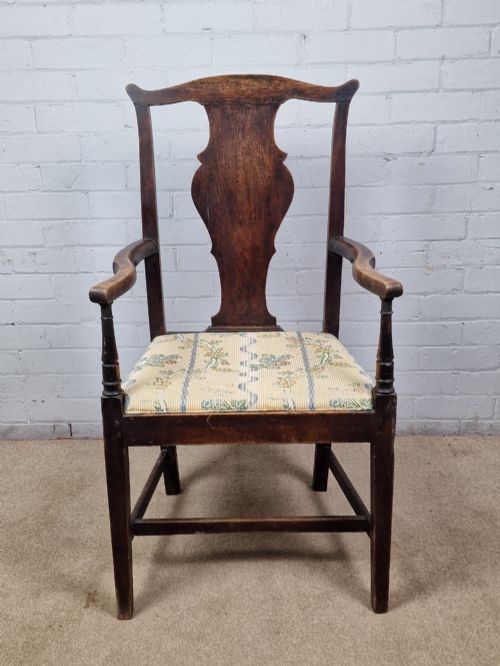
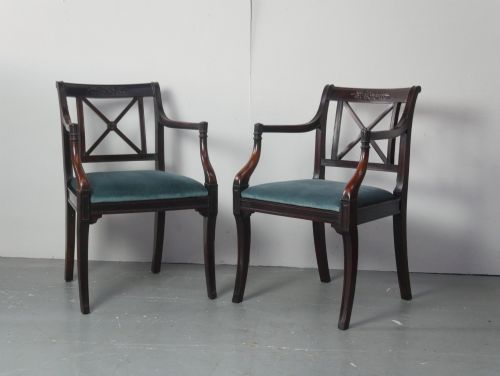
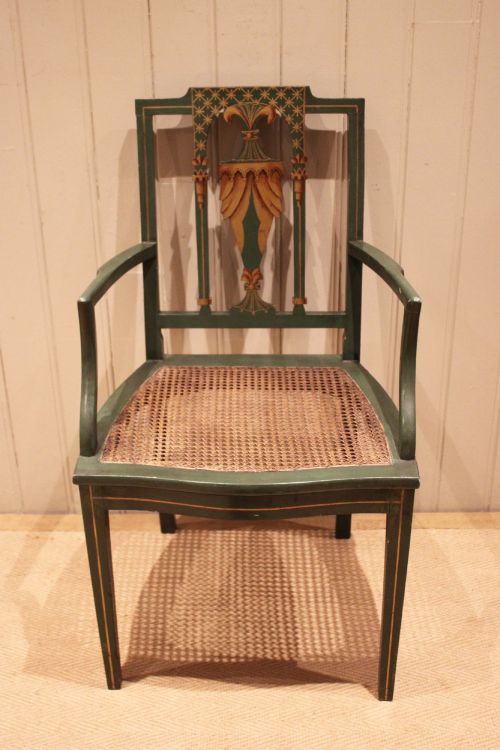
A vintage elbow chair brings the sturdy timber and honest joinery of past centuries directly into a modern morning room or study.
Vintage Elbow Chair
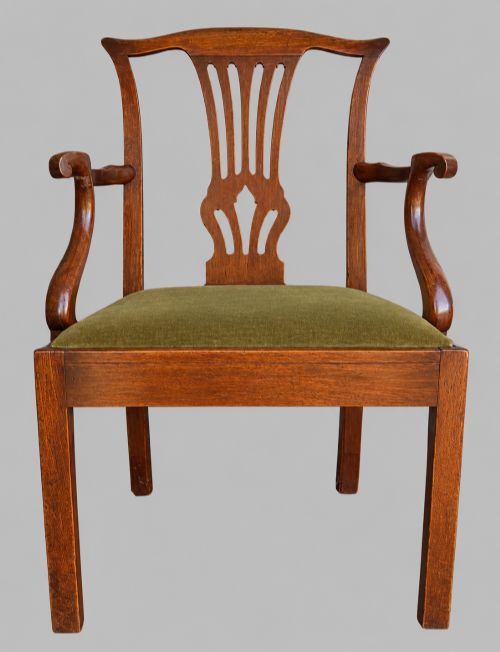
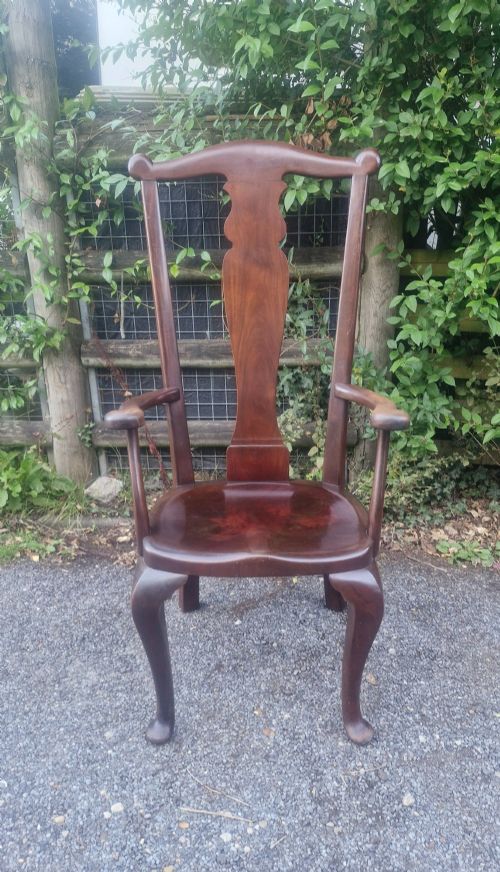
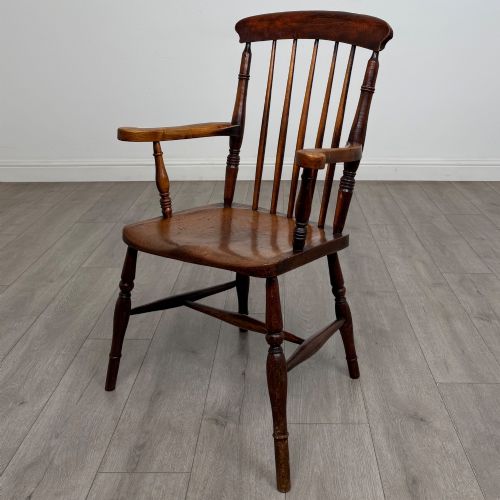
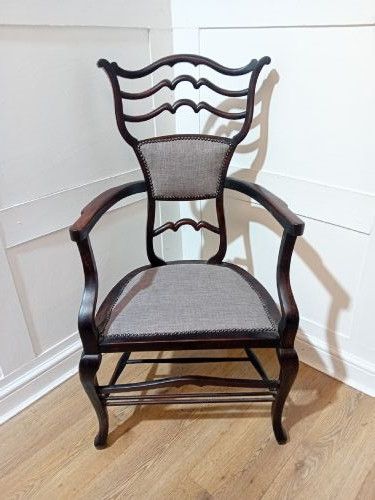
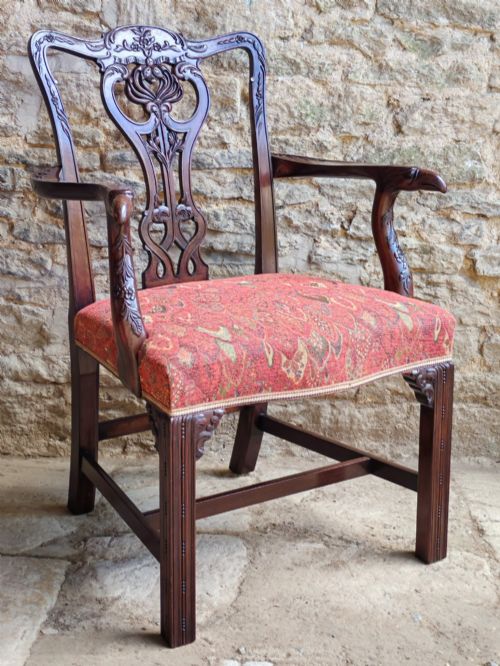
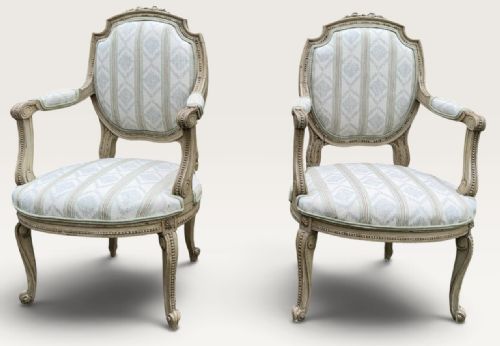
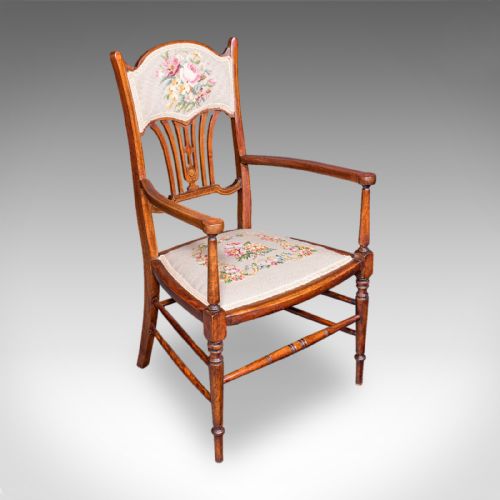
A vintage elbow chair spans various forms including country armchairs, Windsor carvers, desk chairs, and low rush-seated models. These pieces appear across multiple eras, ranging from 18th century vernacular designs to Edwardian and Art Deco creations.
Origin and regional style shape each piece, showing English country, Scottish, French, and Scandinavian vernacular traditions. Makers utilised local woods to build practical seating for farmhouse kitchens, offices, and drawing rooms.
Materials and construction methods
Makers built these chairs using solid native timbers such as oak, mahogany, walnut, ash, elm, and beech. Frames frequently incorporate cane seating, rush woven pads, or upholstered leather and fabric cushions.
Traditional joinery methods unite turned spindles, curved steam-bent arm rails, and mortise and tenon joints. Country windsor models rely on pegged undercarriages, whilst formal revival pieces showcase detailed carvings and polished mahogany surfaces.
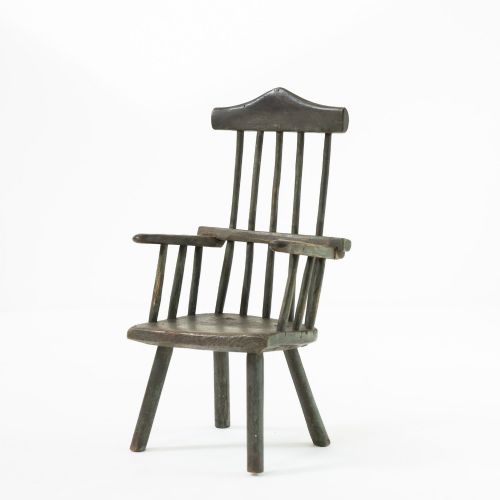
Several small children managed to secure their own miniature stick-back armchairs long before grown-ups claimed the larger carvers.
Factors of construction and design
The choice of timber and the crispness of turned or carved details define the grade of the piece. Superior examples display carefully selected grain patterns in mahogany or walnut, alongside balanced proportions in stick backs and comb backs.
Original surface finishes and honest patination distinguish better specimens from later alterations. The integration of steam-bent components and tight, uncompromised joinery mark the difference between standard utility seating and finer workshop production.
Howard and Sons·Liberty Morris And Co
The Vintage Elbow Chair Glossary
- Elbow chair
- A seating term for a chair fitted with arms to support the user's elbows. These pieces function as desk chairs, carvers, or occasional seating.
- Windsor chair
- A traditional chair constructed with a solid wooden seat into which the legs and back spindles are directly socketed. They often feature bentwood hoops and elm or ash construction.
- Carver chair
- An armchair designed to match a set of dining chairs, typically placed at the head of a table. They share stylistic motifs with the smaller side chairs.
- Smoker's bow
- A low-backed Windsor variant featuring a continuous curved arm rail and spindle back. These comfortable chairs originated in country houses and public rooms.
- Rush seat
- A woven seating surface made from dried marsh rushes or reeds. This traditional technique provides a durable and textured base for country armchairs.
- Lyre back
- A chair backrest shaped in the outline of a classical lyre instrument. This decorative motif appears frequently on Regency and Victorian mahogany frames.
Vintage Elbow Chair: Frequently Asked Questions
What is a vintage elbow chair?
A vintage elbow chair is any seated piece featuring supportive arm rests, produced during periods ranging from the 18th century through the early 20th century. These items include country Windsors, office desk chairs, and formal mahogany carvers.
Such seating served diverse domestic and commercial roles, functioning in studies, dining rooms, and farmhouse kitchens. Their enduring appeal lies in combining practical comfort with historical timber construction.
How do I identify a Windsor elbow chair?
Windsor elbow chairs are characterised by a heavy solid wooden seat that holds the legs and back spindles independently. They frequently combine timbers, using ash or beech for the framework and elm for the scooped seat.
Country versions showcase folk art turned components and steam-bent hoops without relying on upholstered padding. Their regional variations highlight traditional bodger craftsmanship from English and Scottish workshops.
Where should I place an antique armchair?
These armchairs suit studies, hallways, and living spaces where their wooden frames and tactile upholstery add character. A desk chair works naturally beside a writing table, while a low rush-seated model fits a corner.
Pairing them with modern interiors creates a striking contrast between contemporary design and aged timber patination. Their compact proportions allow them to function easily as occasional seating.
How do I care for antique wood furniture?
Maintain antique wood by placing chairs away from direct heat sources and strong sunlight that can dry out timber. Regular dusting with a soft cloth preserves the natural wax finish and accumulated surface patina.
Avoid chemical polishes that build up residue over time, opting instead for traditional beeswax when the wood appears dry. Careful handling of cane and rush panels will ensure their longevity.