

Vintage Eight Day Clock
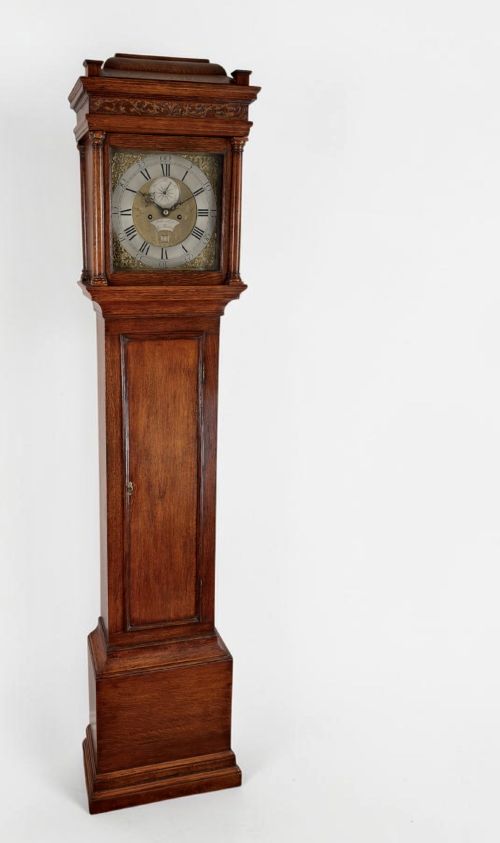
A vintage eight day clock keeps time across a week without winding, appearing here primarily as tall floor-standing longcase pieces and smaller mantel or carriage designs.
Vintage Eight Day Clock
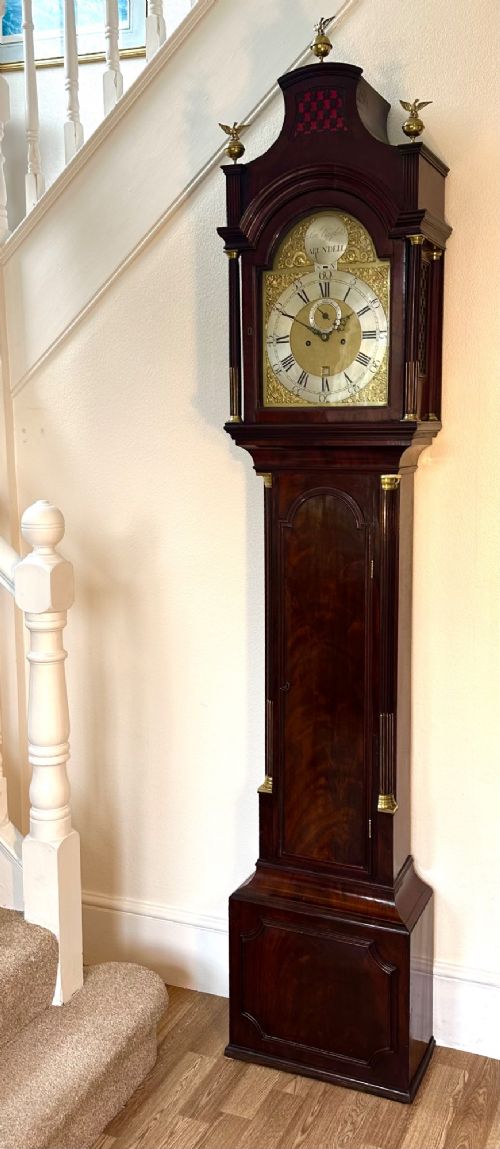
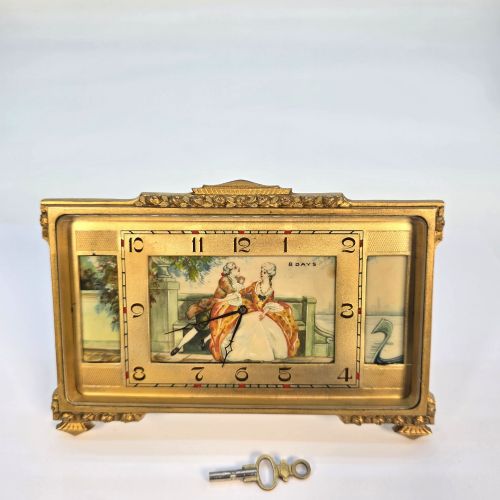
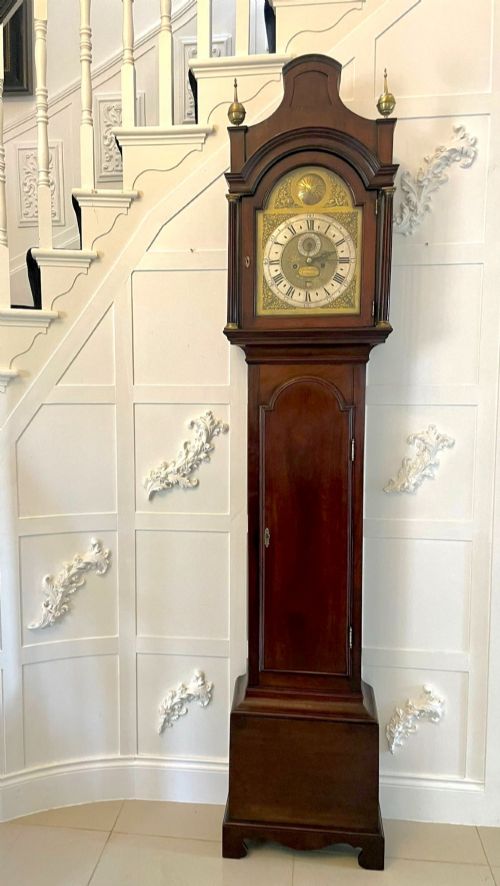
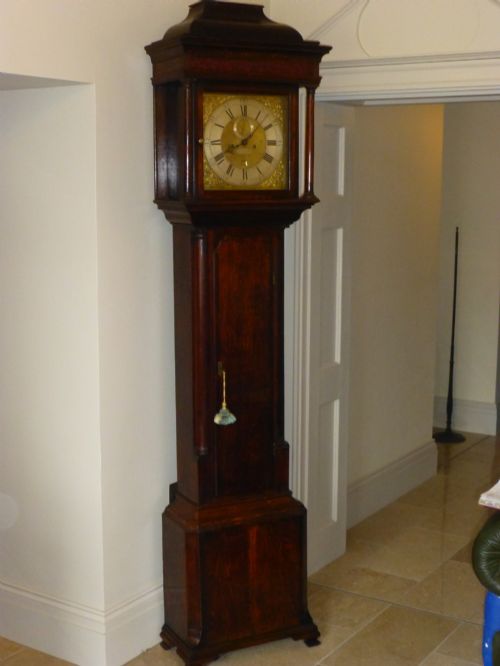
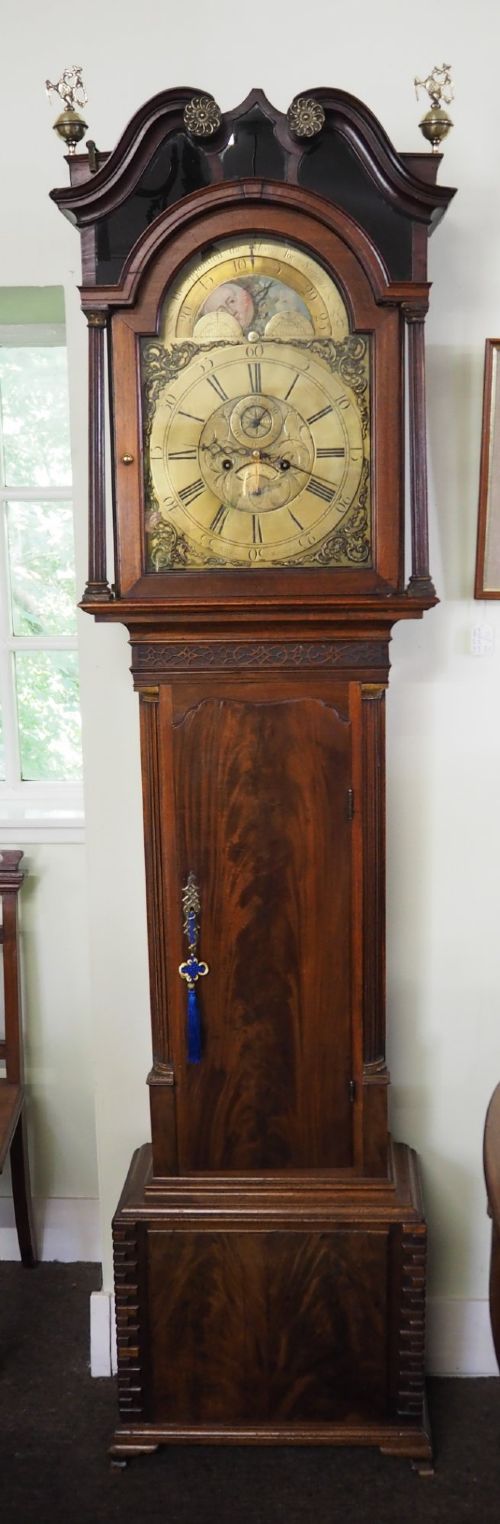
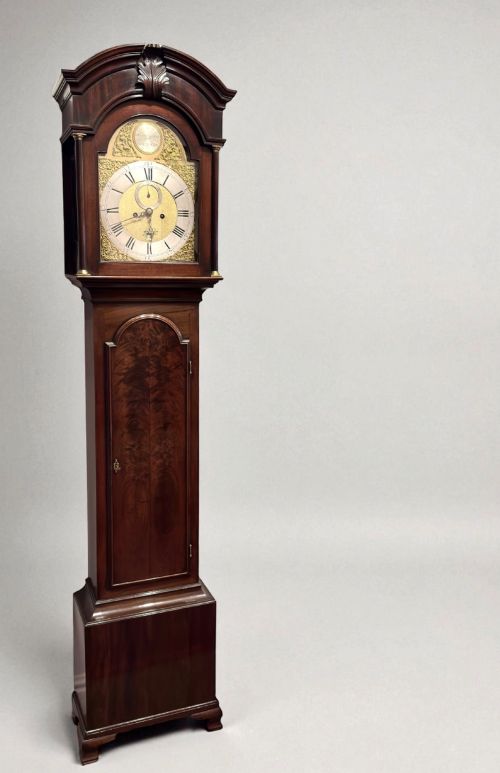
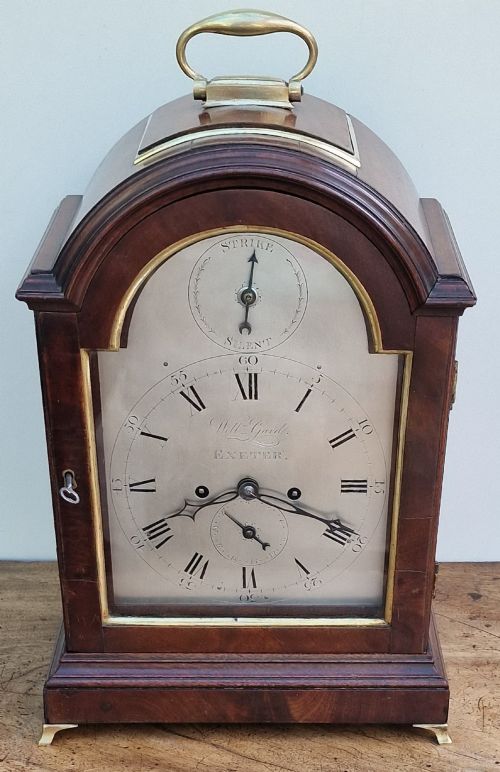
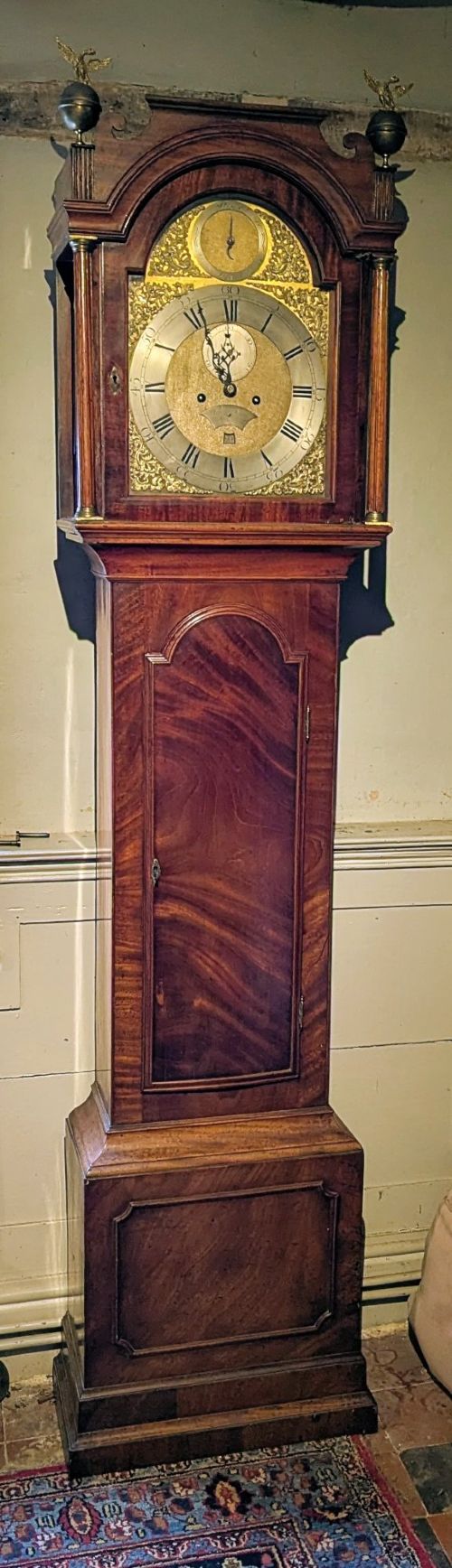
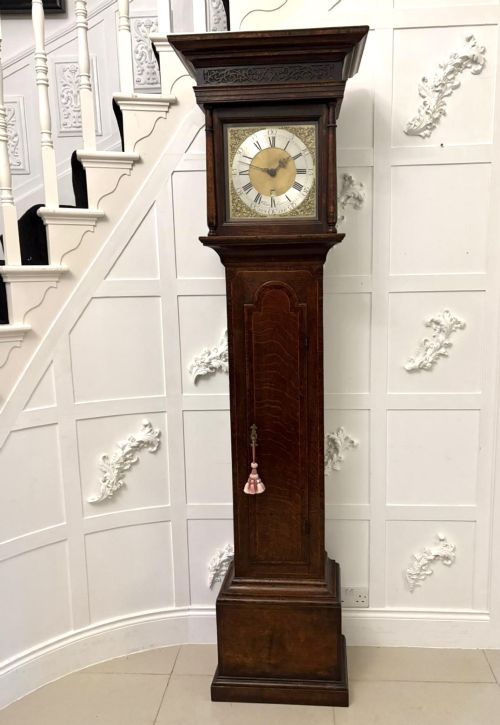
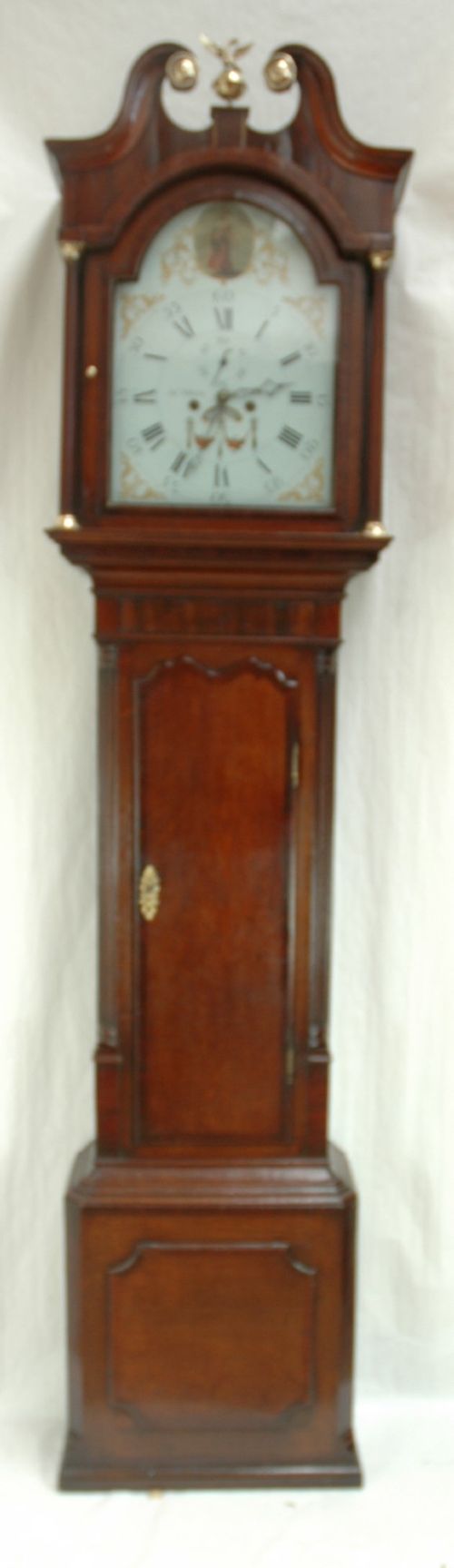
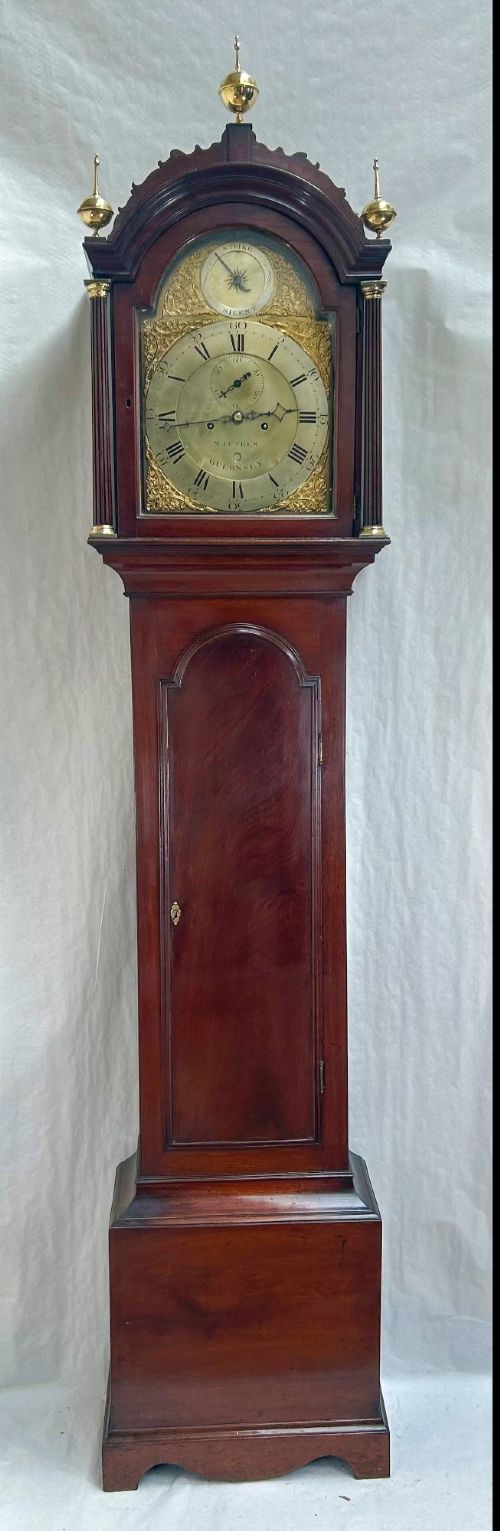
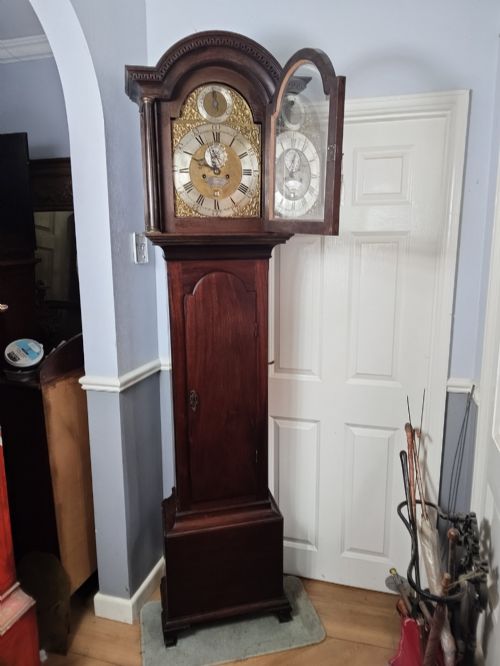
When you search for a vintage eight day clock, you encounter tall longcase clocks, often called grandfather clocks, alongside smaller bracket, mantel, and carriage designs. These timepieces span periods from the eighteenth century through the nineteenth century and into the early twentieth century, reflecting varied regional English, Scottish, and continental origins.
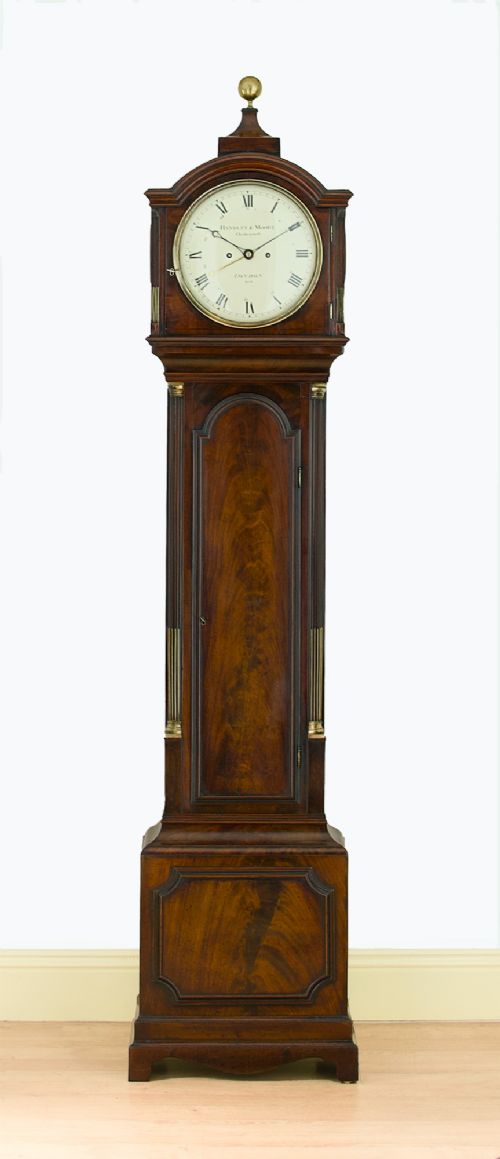
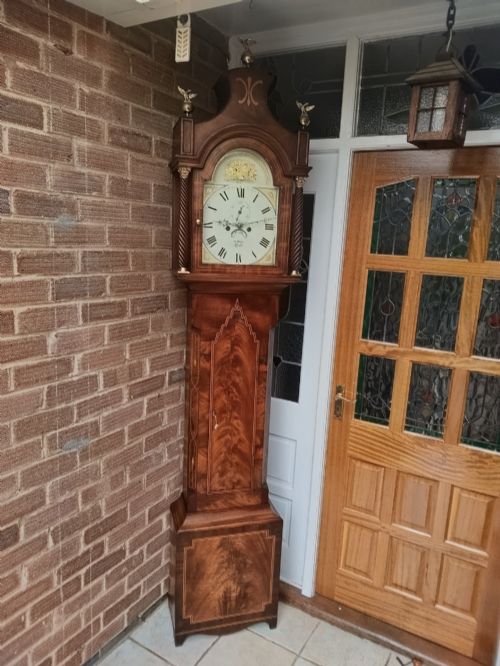
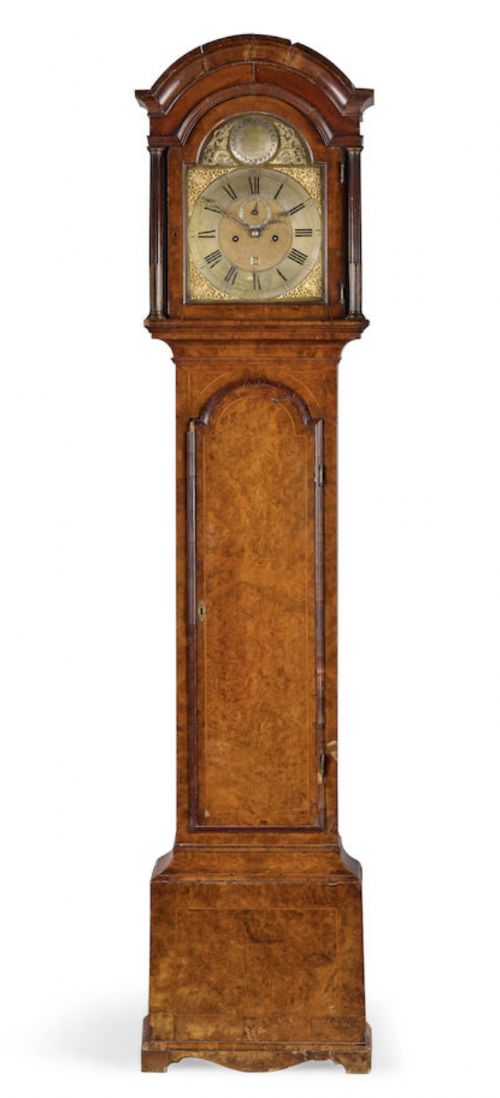
The longcase dominates the selection, standing in oak, mahogany, walnut, and burr walnut cases. Alongside these floor-standing examples sit smaller table and wall pieces, including drum head longcases and portable carriage clocks housed in glass and brass.
Maker signatures frequently appear on the brass and enamel dials, connecting individual pieces to workshops in London, provincial English towns, and Scottish centres. These makers built movements designed to run for eight days between windings, housed within architectural cases typical of Georgian, Regency, and Victorian aesthetics.
Materials and Construction
Timbers selected for the cases include solid and figured mahogany, oak, walnut, and burr walnut, frequently ornamented with flame mahogany veneers and inlaid details. These woods provide stable housing for the complex brass and steel gear trains that govern the eight day duration.
Dials combine engraved and silvered brass with painted enamel panels, displaying subsidiary seconds hands, calendar apertures, and moonphase indicators. Glazed doors and windows protect the swinging pendulums and delicate escapement mechanisms housed inside.
Vintage Eight Day Clock Retail Price Guide 2026
Typical asking prices for vintage eight day clock among the pieces listed under this phrase on Sellingantiques today, from the lower quarter to the upper quarter. They describe what is for sale here now, not the wider market.
A Scottish longcase clock in the listings bears the curious manuscript word horse on its record.
Distinctions in Quality
Quality rests in the crispness of the brass dial engraving, the depth of figuring in the timber case, and the reputation of the recorded maker. Mechanisms showing sophisticated strike-silent functions, quarter striking, or tubular bells indicate higher standards of production.
Proportion and architectural integrity separate standard workshop output from exceptional examples. A case displaying balanced proportions, original hood pillars, and a dial signed by a known regional or metropolitan maker holds greater horological interest.
Charles Shuckburgh·Gordon of Aberdeen·Lee of Great Marlow·Richard Corless of Stockport·William Gard·Handley & Moore·Windmills and Wightman·Henri Jacot Paris·Thomas Moss·Charles Dowsett·John Denbigh·William Moon·Henry Massy·John Rainsford
The Vintage Eight Day Clock Glossary
- Longcase clock
- A tall pendulum clock enclosed in a wooden case standing directly on the floor. These pieces are also frequently referred to as grandfather clocks.
- Bracket clock
- A portable table clock designed originally to sit on a wall bracket. They typically feature carrying handles and glazed side panels.
- Carriage clock
- A small, spring-driven timekeeper enclosed in brass and glass made for travel. They often include an eight-day striking movement.
- Moonphase
- A dial mechanism tracking the phases of the lunar cycle. This feature appears on the arched upper portion of many eighteenth-century clock faces.
- Striking movement
- A gear train that rings bells or gongs to mark the hours or quarters. Many eight-day movements combine timekeeping with this audible function.
Vintage Eight Day Clock: Frequently Asked Questions
What is an eight day clock?
An eight day clock uses a movement designed to run for approximately eight days before requiring winding with a key or crank. This extended duration reduced the frequency of winding compared to thirty-hour alternatives.
Such movements appear across multiple formats in the listings, from tall floor-standing longcases to portable carriage clocks and smaller mantel pieces.
How do I wind a vintage eight day clock?
Winding involves inserting a matching key into the winding holes on the dial face and turning it clockwise until resistance is felt. Care must be taken not to overwind the mainspring or pull too sharply on weight-driven lines.
Consulting the specific movement layout helps determine whether the piece relies on hanging weights or internal spring barrels.
Where were these clocks made?
The pieces originate from workshops across London, regional English towns such as Manchester and Stockport, and Scottish centres including Aberdeen and Edinburgh. Continental examples from makers in Paris also feature.
Regional variations appear in the choice of cabinet timber and the stylistic details of the painted or brass dial faces.
How do I date a longcase clock?
Dating relies on stylistic clues in the case architecture, the shape of the dial, and the signature of the maker inscribed on the brass or painted surface. Georgian and Victorian examples display distinct shifts in wood choice and decorative moulding.
Makers recorded in guild archives or trade directories provide tighter chronological markers for specific movements.