
Vintage Ebonised Furniture
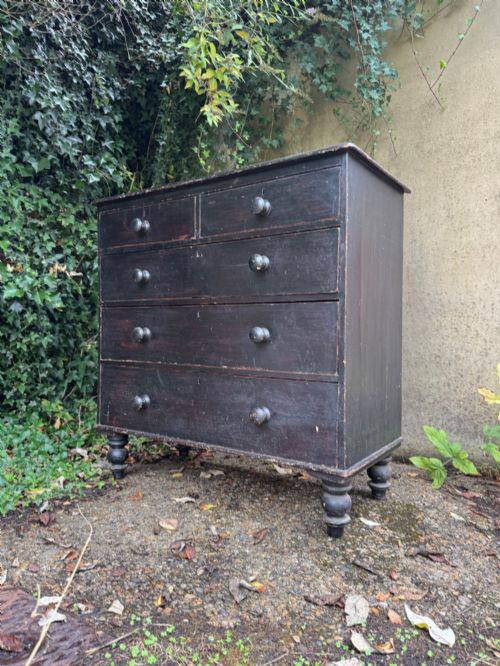
Vintage ebonised furniture brings dark, dramatic surfaces to a room, ranging from nineteenth-century aesthetic tables to art deco commodes.
Vintage Ebonised Furniture
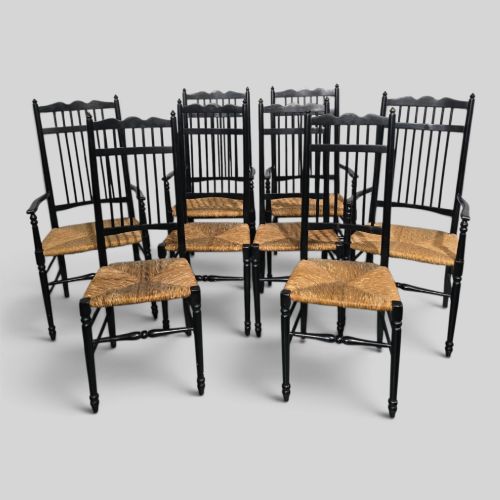
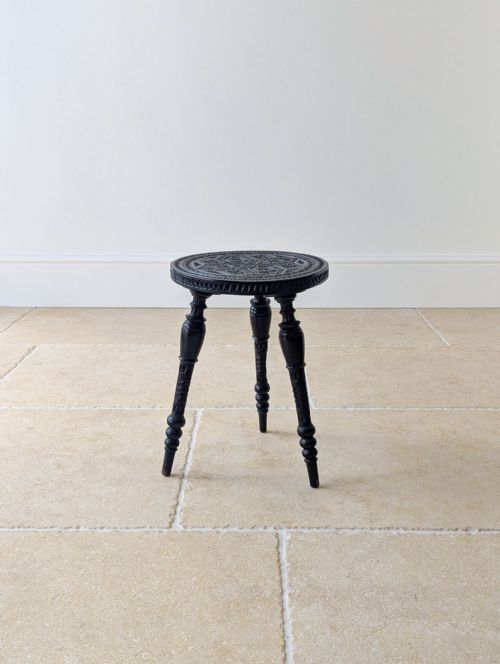
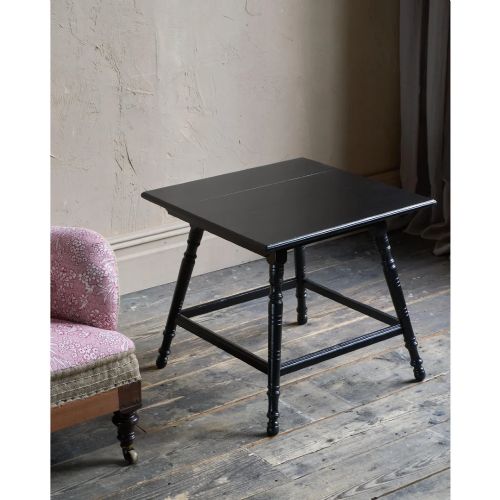
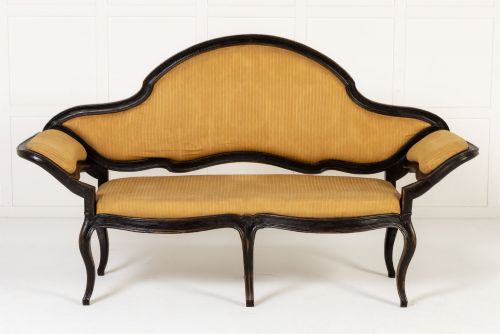
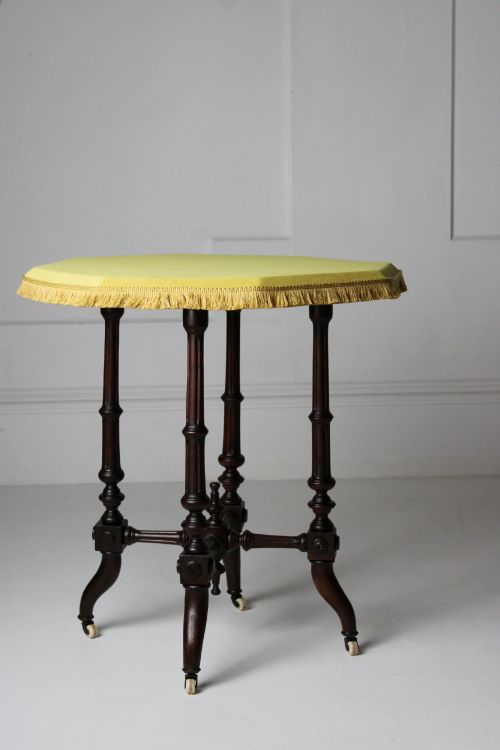
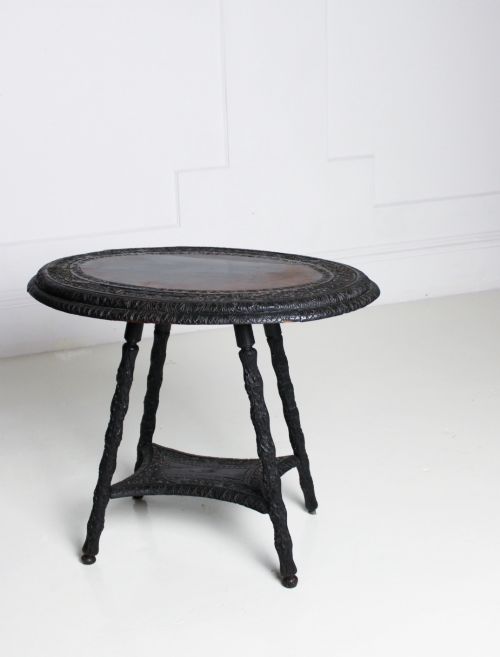
Vintage ebonised furniture encompasses pieces finished with a dark, often polished surface designed to imitate ebony, spanning several decades and diverse styles. Buyers seeking vintage ebonised furniture will encounter side tables, chests of drawers, armchairs, and occasional tables shaped by Victorian, Regency, and Art Deco traditions.
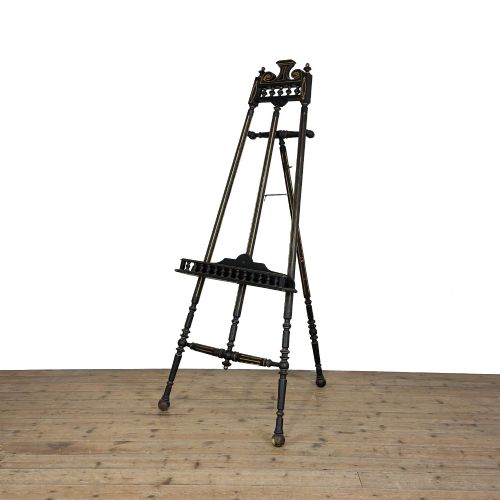
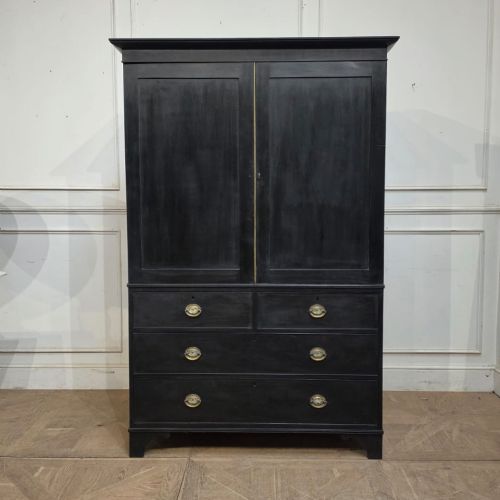
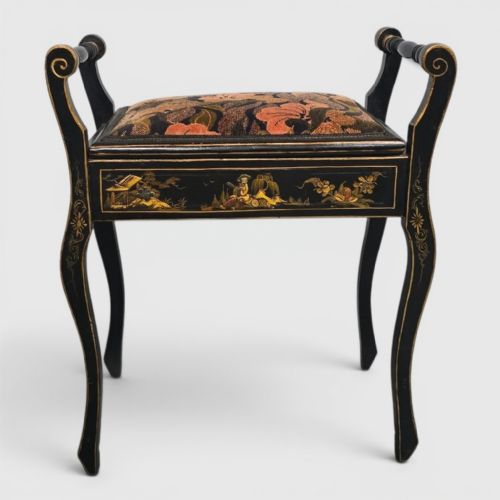
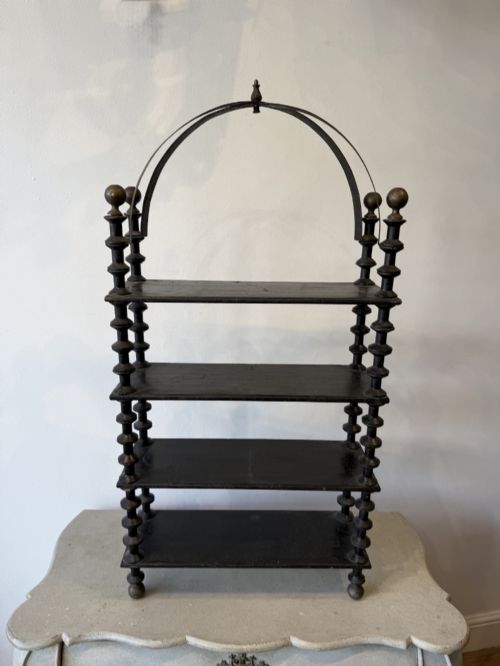
The selection on this page relies heavily on nineteenth-century craftsmanship, including aesthetic movement designs, alongside twentieth-century art deco iterations. Ebonised wood appears across varied forms, from floor-standing easels and linen cupboards to piano stools and wall shelves.
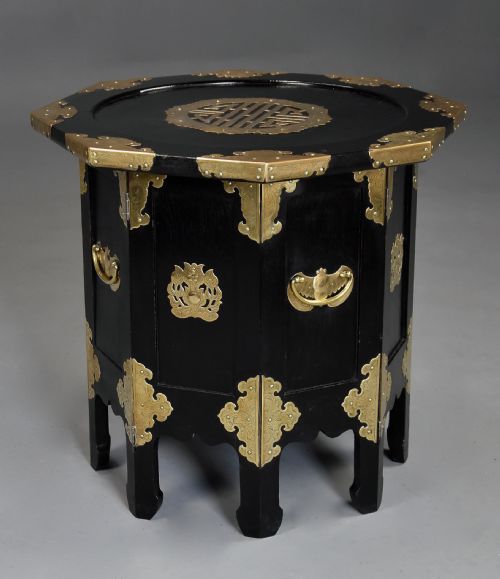
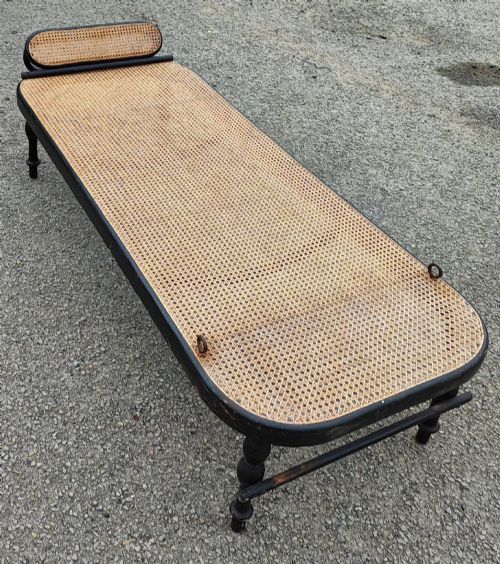
Makers and designers from notable firms left their mark on these dark-finished pieces, integrating brass mounts, cane, or fabric. Whether selecting an octagonal occasional table or a partners desk, the underlying form dictates the piece's character.
How vintage ebonised furniture was made
Craftsmen achieved the signature black finish by staining or painting hardwoods and fruitwoods, frequently applying clear varnishes or French polish to yield a deep, reflective sheen. This dark treatment masked simpler timbers beneath, allowing workshops to produce items visually akin to solid ebony.
Construction methods varied by period, joining structural carcasses in oak, walnut, or pine before applying the ebonised surface treatment. Decorative accents often incorporated brass mounts, inlay, or chip-carving to break up the dense monochrome expanse.
What varies in quality
Quality rests in the fidelity of the ebonised finish and the crispness of any applied carving, turning, or brass mounting. Superior examples maintain an even, deep lustre without obscuring the grain or delicate details underneath.
The underlying joinery and selection of secondary timbers distinguish standard production pieces from workshop items bearing attribution to prominent retailers or makers.
Hindley and Sons·Druce and Co London·Liberty and Co
The Vintage Ebonised Furniture Glossary
- Ebonised
- Wood treated with stain, paint, or chemical processes to simulate the dark, dense appearance of true ebony. This finish gained immense popularity during the Victorian and aesthetic periods.
- Aesthetic Movement
- A late nineteenth-century design current emphasising visual beauty over narrative subject matter. Pieces from this movement often utilise ebonised surfaces paired with gilt or Japanese-inspired motifs.
- Ormolu
- Gilded bronze mounts applied to furniture edges and feet for decorative contrast. This technique appears frequently on French Napoleon III and art deco pieces.
- Marquetry
- The art of applying small pieces of veneer to a structure to form decorative patterns. It contrasts sharply with plain ebonised surfaces when used together on commodes and tables.
Vintage Ebonised Furniture: Frequently Asked Questions
How do I clean ebonised wood?
Dust surfaces regularly with a soft, dry cloth to prevent particulate build-up on the dark polish. Avoid abrasive cleaners or excess moisture, which can dull or lift the ebonised finish over time.
Apply a quality wax sparingly if the polish requires nourishment, buffing gently to restore the original lustre.
Is ebonised wood actually ebony?
True ebony is a dense, naturally black tropical hardwood that proved exceedingly costly and difficult to source in large quantities. Ebonising allowed makers to transform more accessible timbers like fruitwood or beech into dark, uniform showpieces.
This method provided the fashionable look of exotic wood without the prohibitive expense of solid ebony construction.
How do I date an ebonised table?
Dating relies on examining the structural joinery, secondary woods, and stylistic clues inherent to the piece. Victorian and aesthetic examples often feature hand-cut joints and distinct turning styles.
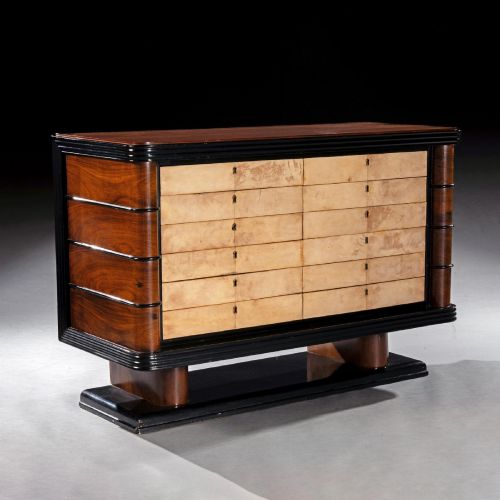
Twentieth-century art deco items present cleaner geometric lines, sometimes pairing the ebonised wood with contrasting metals or parchment.
Where does ebonised furniture fit best?
The dark, neutral tone of ebonised pieces allows them to anchor both traditional period interiors and modern minimalist spaces. They serve as strong accent items that draw the eye without clashing with lighter wood tones.
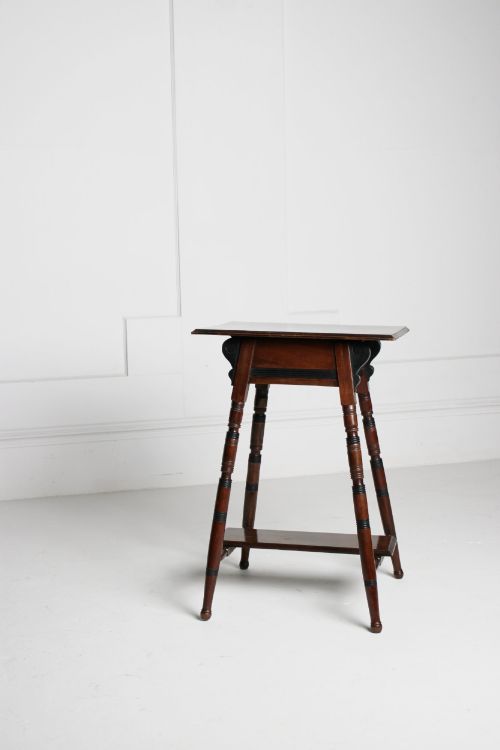
Placing an ebonised side table or wall shelf against a pale wall creates a striking silhouette.