






Vintage Dutch Ceramics
These vintage dutch ceramics bring hand-painted blue and white tin-glazed earthenware directly from centuries past into modern rooms.
Vintage Dutch Ceramics
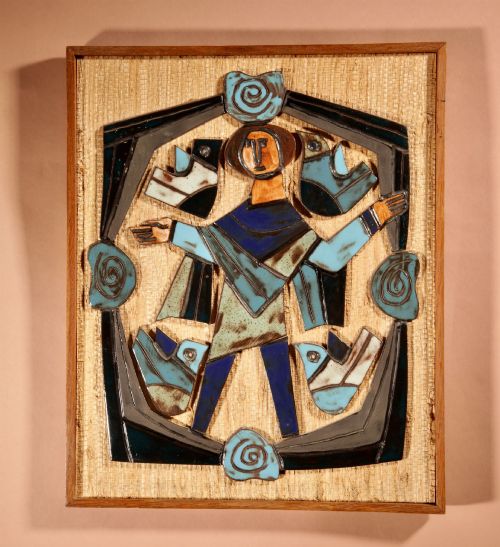
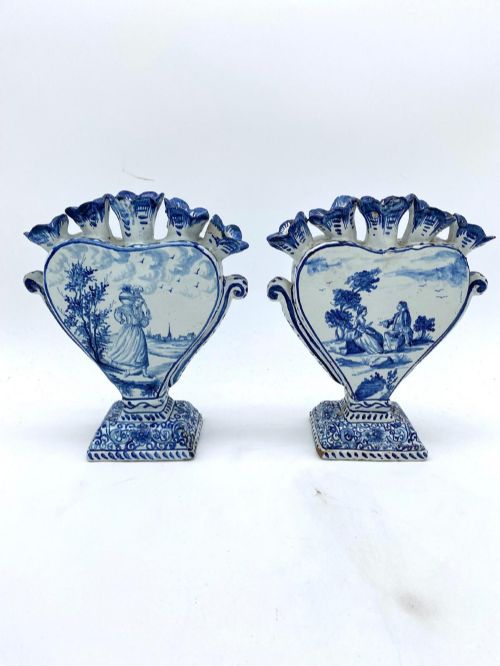
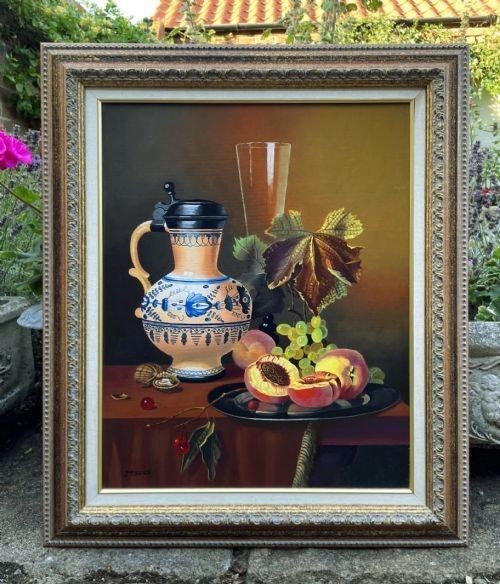
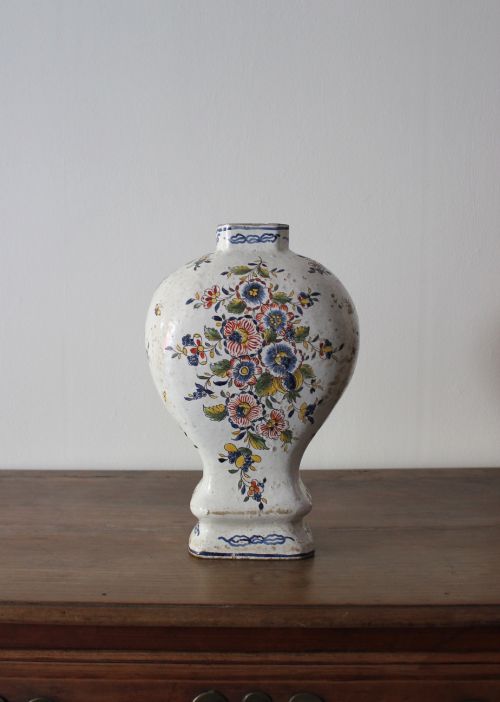
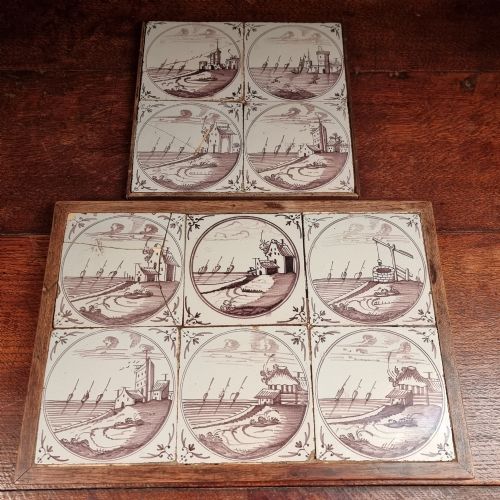
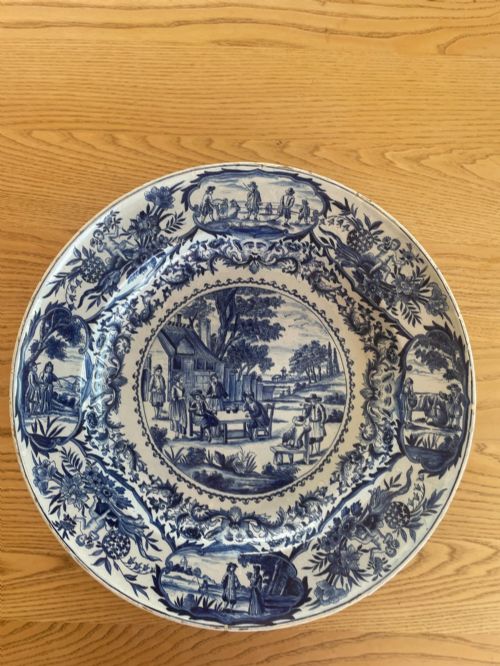
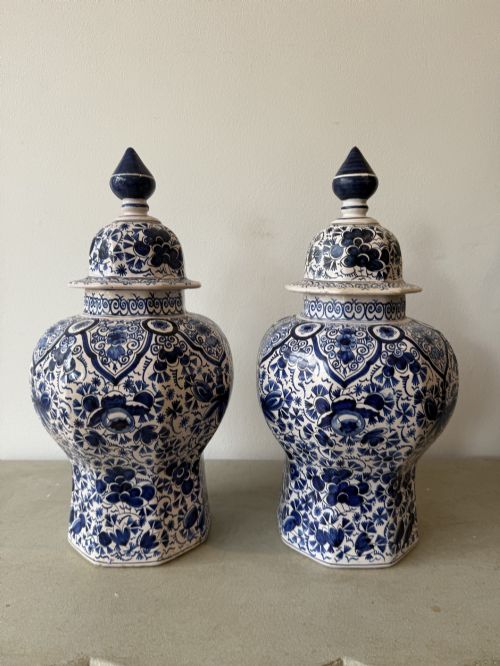
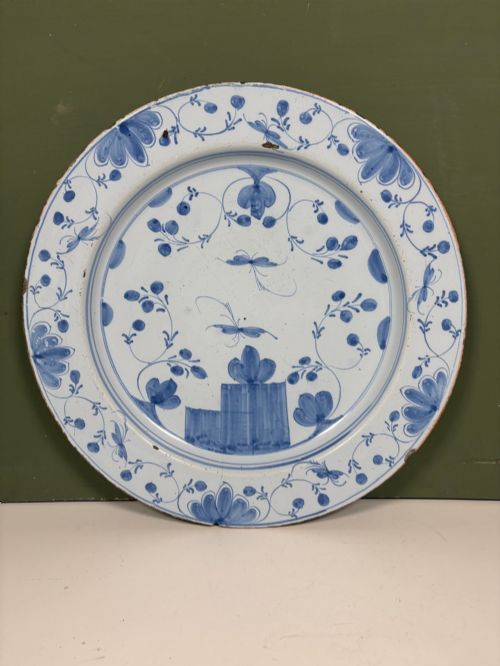
When you search for vintage dutch ceramics, you encounter an array of tin-glazed earthenware objects spanning the seventeenth century through to the twentieth century. The selection ranges from large decorative chargers and blue and white vases to miniature porcelain armchairs, tobacco jars, and manganese tiles.
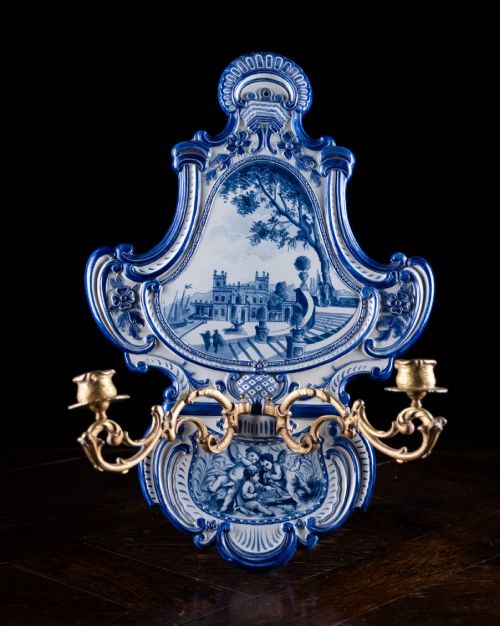
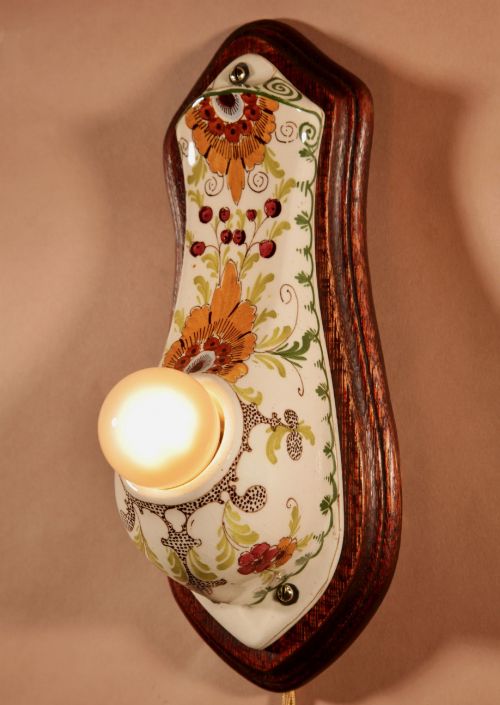
You meet pieces representing various decorative movements, including Dutch Delftware, Dutch Baroque, Rococo Revival, and Art Nouveau styles. The inventory contains both standalone display items and functional objects such as inkstands, snuff boxes, and wall sconces.
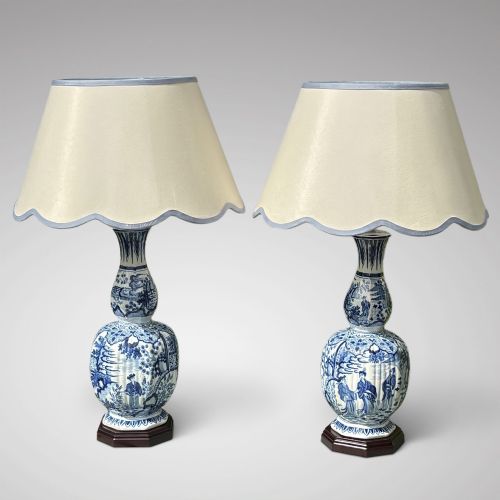
Chargers and plates form a substantial part of the available assortment, alongside lidded beaker vases and table lamps adapted from earlier vessels. These objects display traditional blue and white painting alongside polychrome and manganese palettes.
Materials and Techniques
Potters shaped these objects from ceramic and earthenware, applying a tin glaze that provided a smooth white background for subsequent hand-painting. Cobalt blue pigment dominated the decoration, though manganese purple and polychrome enamels also appeared on eighteenth-century chargers and jars.
Grand feu techniques involved firing the painted tin glaze directly with the body at high temperatures, fixing the colours firmly into the surface. Some later pieces incorporate supplementary materials like brass, or wood for marquetry display racks, mounting the ceramic components into functional household goods.
Vintage Dutch Ceramics Retail Price Guide 2026
Typical asking prices for vintage dutch ceramics among the pieces listed under this phrase on Sellingantiques today, from the lower quarter to the upper quarter. They describe what is for sale here now, not the wider market.
Assessing Quality and Execution
The precision and detail of the hand-painted brushwork separate standard production pieces from finer examples. Artisans working on superior chargers and vases achieved greater clarity in their Chinoiserie scenes and floral motifs.
The consistency and depth of the tin glaze indicate the care taken during the firing process. Thicker, smoother glazes without excessive pooling or dry patches denote superior workshop output.
Villeroy and Boch·Clarice Cliff
The Vintage Dutch Ceramics Glossary
- Tin-Glazed Earthenware
- Pottery covered with a glaze containing tin oxide to produce an opaque white surface. This material serves as the primary canvas for blue and white painting.
- Charger
- A large decorative plate intended for display on a wall or dresser rather than for dining use. These pieces often feature detailed hand-painted landscapes or floral arrangements.
- Manganese
- A purple-brown metallic oxide used by potters for drawing and shading. It appears frequently on eighteenth-century tiles and chargers.
- Faience
- European tin-glazed earthenware produced in imitation of imported Chinese porcelain. The term describes many of the blue and white domestic objects found in this category.
- Grand Feu
- A high-temperature firing technique that fused the pigments into the raw glaze. This method produced durable surfaces with distinctive colour depth.
Vintage Dutch Ceramics: Frequently Asked Questions
How should I display a large delft charger?
These large plates were traditionally hung on walls or stood upright on plate racks to showcase their painted scenes. Ensure you use a secure, padded wall bracket designed specifically for heavy earthenware.
Keep them away from direct sunlight and areas with fluctuating humidity to protect the tin glaze over time.
Can I use antique delft vases for fresh flowers?
Most antique earthenware is porous and prone to leaking water through hairline cracks in the old glaze. It is safer to use them strictly for dry arrangements or display them empty.
If you must hold water, place a small glass vial securely inside the vessel rather than pouring liquid directly into the ceramic body.
How do I distinguish seventeenth-century pieces from later copies?
Early pieces often show specific potting irregularities, thinner glazes, and distinct pigment tones derived from mineral cobalt. Weight, foot-rim construction, and the style of the hand-painted motifs also provide clues to the period.
Comparing the brushwork to documented examples helps determine whether an object originates from the golden age of production or a later nineteenth-century revival.
What is the difference between delftware and porcelain?
Delftware consists of fired earthenware covered in an opaque tin glaze to mimic the white surface of Asian imports. Porcelain is made from a different clay mixture, fired at much higher temperatures, and remains vitreous without an opaque glaze.
Porcelain feels harder and non-porous underneath, whereas earthenware has a softer, more absorbent clay body visible where the glaze has worn away.