

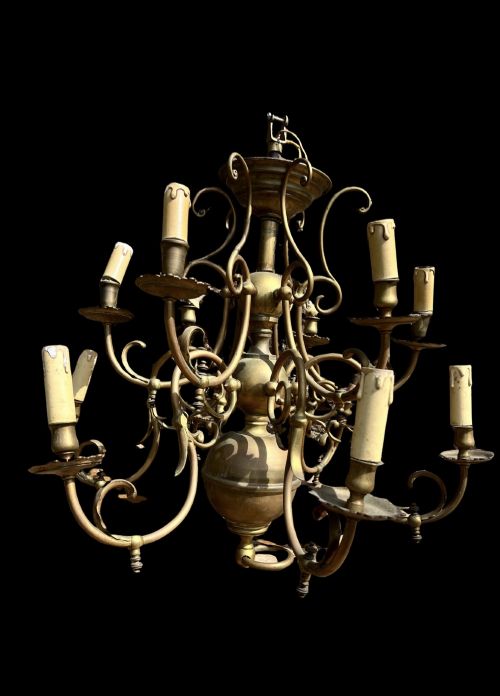


Vintage Dutch Brass Light
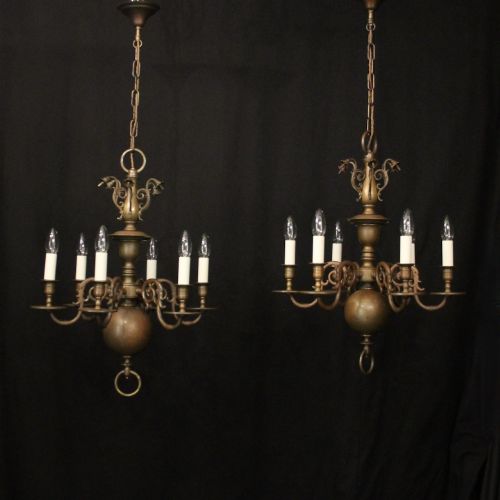
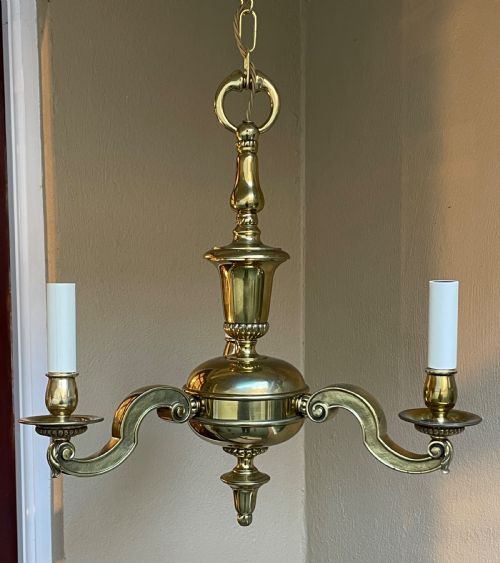
A vintage dutch brass light brings substantial historical weight and warm metallic reflection into a room through centuries of traditional metalworking.
Vintage Dutch Brass Light
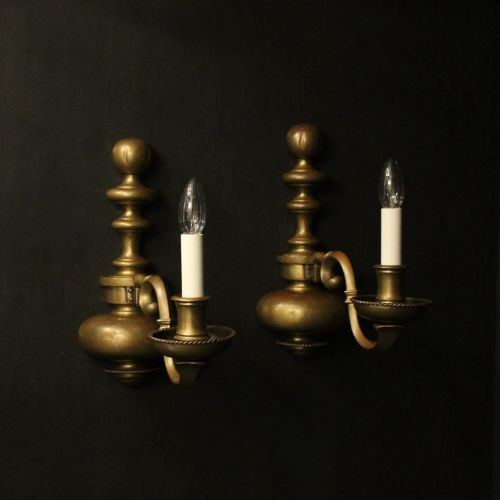
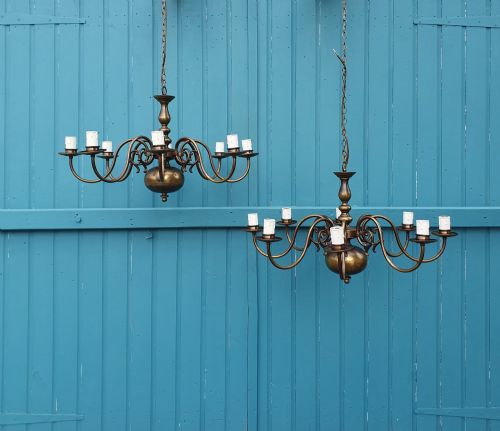
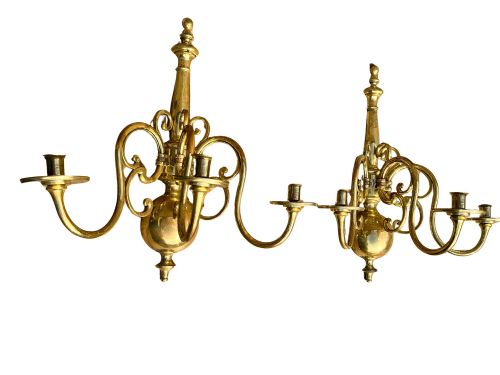
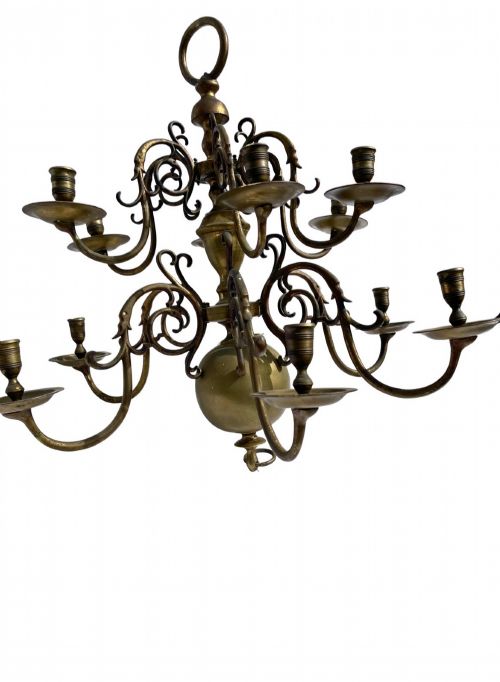
A vintage dutch brass light encompasses multi-branch chandeliers, wall sconces, and table lamps originating from various historical eras. Buyers searching for this phrase encounter solid brass and copper constructions spanning the nineteenth and twentieth centuries.
Materials and construction methods
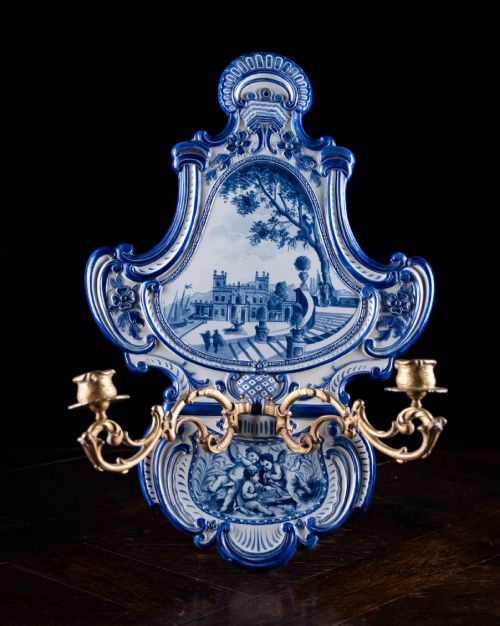
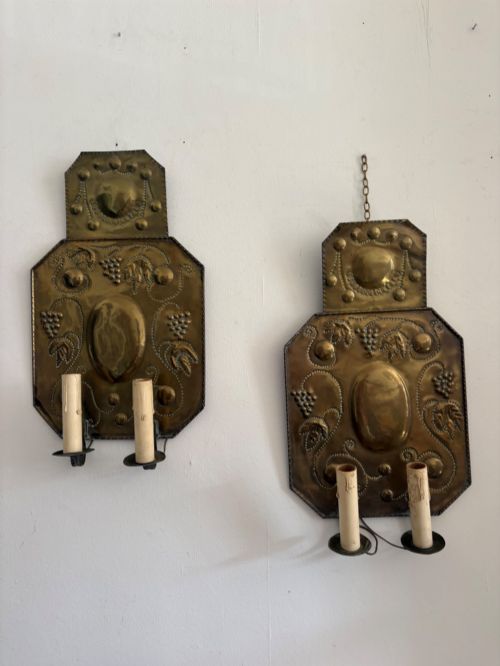
Craftsmen utilised cast and repoussé brass alongside patinated copper, iron, and bronze to shape these lighting fixtures. Metal components were frequently hand-finished, shaped into scroll arms, or combined with earthenware elements such as Delft ceramic bases.
Structural assembly relied on traditional casting and joining techniques rather than mass production. Many surviving examples integrate ceramic components, glass shades, or fabric elements into the heavy metal framework.
Some heavy pricket candlesticks managed to survive centuries of altar service only to spend retirement holding tapered dinner candles in modern dining rooms.
Distinctions in construction and design
Quality separates objects by the thickness of the cast metal and the crispness of repoussé surface ornamentation. Heavier armatures and substantial branch counts distinguish more ambitious commissions from simpler utilitarian fixtures.
The refinement of historical revival details, such as balanced scrollwork and integrated patination, dictates the aesthetic standard. Pieces retaining their original structural integrity without excessive modification occupy the higher tier.
The Vintage Dutch Brass Light Glossary
- Repoussé
- Metalworking technique where the artisan hammers the design from the reverse side to create raised relief patterns on the surface. This method appears frequently on decorative wall sconces and backplates.
- Pricket candlestick
- A specific candleholder design featuring an upright metal spike in the centre to secure the wax candle. These items often date to earlier historical periods.
- Amsterdam School
- An early twentieth-century architectural and design movement characterised by expressive forms and innovative use of brass and patinated copper. Works from this style often display geometric and organic motifs.
- Heemskerk candlestick
- A distinct seventeenth-century brass candlestick type featuring a prominent central drip pan and a bell-shaped base. They represent some of the earliest brass forms encountered in collections.
Vintage Dutch Brass Light: Frequently Asked Questions
How do I date a brass chandelier?
Dating relies on examining the casting methods, arm configurations, and stylistic markers such as Amsterdam School geometry or baroque scrollwork.
Comparison with documented periods like the Edwardian era or the nineteenth century helps narrow the manufacturing timeframe.
Were these fixtures converted from gas or oil?
Many surviving chandeliers and wall lights originated during the gas or oil lighting eras before undergoing later electrical conversion.
Inspectors often find traces of early gasoliere burners or oil reservoirs adapted during the twentieth century.
How should I clean antique brass?
Dusting with a dry cloth preserves the historical patina accumulated over decades of exposure.
Harsh chemical polishes remove surface character, so gentle maintenance remains the preferred approach for older metals.
What is a pricket candlestick?
A pricket candlestick uses a sharp metal spike instead of a socket to hold the candle in place.
This traditional configuration is common on heavier brass and iron altar or table pieces from earlier centuries.